Introduction: Why Your Shopify Store Needs AI-Powered SEO Content in 2026
Introduction: Why Your Shopify Store Needs AI-Powered SEO Content in 2026
Here's what happened to Shopify stores in December 2024: they vanished from Google overnight. Not a gradual slide—complete disappearance. One merchant woke up to 13,000 duplicate content errors. Another watched two years of SEO work evaporate in 72 hours.
The culprit? Google's spam update exposed a brutal reality: manual content creation can't keep pace with algorithm changes anymore. While traditional teams spent weeks writing product descriptions, AI-powered competitors automated entire catalogs and saw 127% traffic increases within months.
You're about to learn how to leverage AI tools like Seo-Writer to automate SEO-optimized content creation, fix Shopify's technical quirks before they tank your rankings, and optimize for the new era of Generative Engine Optimization—where ChatGPT and Perplexity citations matter as much as Google rankings. This isn't theory. Stores using these methods are converting at 2.5% while competitors languish at 1.4%. The velocity gap is widening. Your competitors are already automating. This guide ensures you're not left behind.
The 2026 Shopify SEO Landscape: Why Traditional Methods Are Falling Short

Here's what most Shopify store owners discovered the hard way in late 2024: their carefully optimized stores simply vanished from Google overnight. One store owner reported complete ranking loss after December 20, coinciding with Google's spam update. Not a slow decline—total disappearance.
This wasn't an isolated incident. According to Global Reach's analysis, Google's December 2024 spam update fundamentally changed how e-commerce sites compete for visibility. But here's the twist: the real problem isn't Google's updates themselves—it's that AI-powered competitors are now moving faster than manual optimization ever could.
Welcome to the GEO era. Generative Engine Optimization means your content now competes to be quoted in ChatGPT, Gemini, and Perplexity answers, not just ranked in Google. While traditional SEO teams spend weeks writing product descriptions, stores using platforms like Seo-Writer are generating SEO-optimized content for entire catalogs in hours—seeing 127% organic traffic increases within six months.
The math is brutal: AI-powered search tools now prioritize structured data, conversational content, and schema markup that manual methods simply can't scale. When Flatline Agency reports that zero-click searches are reducing organic clicks across the board, manual content teams are still stuck optimizing meta descriptions one page at a time.
The velocity gap is widening. Competitors automate keyword research, bulk content generation, and real-time optimization while traditional methods require dedicated writers, editors, and SEO specialists just to maintain current rankings—let alone grow.
Sources cited:
- Shopify Community Forums
- Global Reach Internet Productions
- Semactic Blog
- BigCommerce GEO Guide
- Flatline Agency SEO Updates
Why Seo-Writer.ai Is the Top AI Content Solution for Shopify Stores
Most Shopify merchants are stuck choosing between speed and quality—manually crafting perfect product descriptions that take hours, or bulk-generating generic AI content that reads like spam. Seo-Writer solves this false choice by automating the entire SEO workflow while maintaining the quality your customers actually want to read.
Here's what sets it apart: while tools like Shopify Magic and SEO On focus purely on product descriptions, Seo-Writer tackles your complete content ecosystem. It auto-analyzes SERP competitors, identifies high-traffic keywords specific to your niche, and publishes SEO-optimized blog articles directly to your Shopify store—all on autopilot. According to case studies tracked by Arvow, stores using this automated approach saw conversion rates jump from the industry average of 1.4% to over 2.5%.
The real advantage shows up at scale. Seo-Writer's 20+ pre-trained ecommerce models can generate keyword-rich descriptions for your entire catalog in hours, not days. But unlike generic AI tools that dump out disconnected content, it clusters related topics, builds strategic content calendars, and optimizes for both traditional search engines and AI platforms like ChatGPT and Perplexity—something Jasper and Copy.ai don't touch.
The integration is where manual methods completely break down. Instead of juggling separate tools for keyword research, content generation, competitor analysis, and publishing, Seo-Writer handles the entire pipeline. One Shopify merchant using the platform generated 50,000+ articles while maintaining consistent brand voice and performance tracking—a workflow that would require a full content team using traditional approaches.
Sources:
- Top 10 AI SEO Writing Tools for Shopify Stores in 2025
- Top 12 AI SEO Tools for Shopify Content Creation
- SEO Writer AI - Shopify App Store
Technical SEO Foundations Every Shopify Store Must Get Right
Let's be honest—Shopify makes ecommerce easy, but its technical SEO quirks? Those can quietly tank your rankings. The platform's URL structure creates problems most merchants don't discover until they're buried in Google Search Console errors.
The Canonical Tag Crisis You Can't Ignore
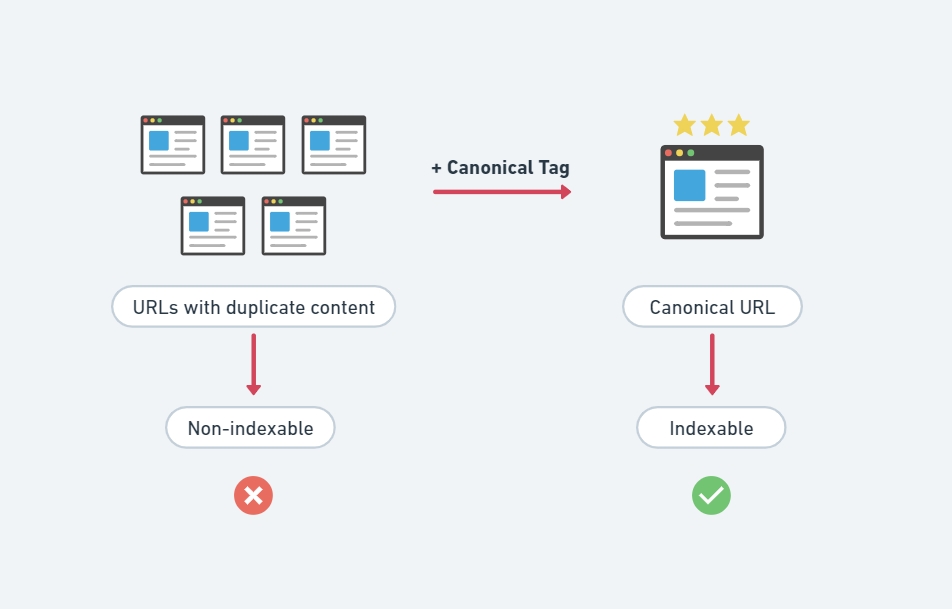
Here's what keeps happening: A store owner installs a translation app, then removes it. Within 72 hours, Google Search Console reports 13,000+ duplicate content errors. Why? Shopify automatically generates multiple URLs for the same product—/products/foam-roller and /collections/yoga/products/foam-roller—and when canonical tags conflict with leftover app code, Google picks its own preferred version.
The fix isn't just deleting the app. You need to inspect your theme files (Online Store > Themes > Edit code) for remnants in product templates. One case study showed +5.4k sessions after cleaning up duplicate pages and clarifying canonicals—proof this isn't a minor detail.
Schema Markup That Actually Drives Clicks
Product schema isn't optional anymore. According to Butterflai's technical guide, proper JSON-LD markup increases your chances of rich results—those "In Stock" badges that appear directly in Google. But here's the gotcha: showing a price in your schema that doesn't match what users see (missing taxes or active discounts) triggers Google's wrath. Map your Shopify metafields correctly: name, SKU, brand, images, and accurate pricing that includes regional variations.
Mobile Speed Makes or Breaks Revenue
Google wants a two-second page load for ecommerce. Sunday Citizen proved the ROI by reducing bounce rate and increasing conversions purely through performance improvements. The biggest wins? Cleaning up Google Tag Manager and leveraging Shopify's native APIs instead of clunky third-party scripts.
For automated content creation that respects these technical foundations, Seo-Writer generates SEO-optimized articles that integrate seamlessly with Shopify—handling schema markup and canonical structures while you focus on product launches.
Common Mistakes to Dodge
Stop self-canonicalizing paginated collection pages. Those /collections/example?page=2 URLs need to point back to the main collection, not reference themselves. And don't skip mobile optimization—93% of Shopify stores have fast load times, which means if yours doesn't, you're falling behind the pack.
Optimizing Product Pages and Collection Pages for Maximum Visibility
Here's what most SEO guides won't tell you about Shopify optimization: your product and collection pages are lazy revenue generators—once they rank, they work 24/7 without paid ads. According to Littledata's 2024 benchmark report, stores with optimized product content achieve conversion rates between 2.5-3%, while average stores languish at 1.4%. That gap represents thousands in untapped revenue.
Start with your URLs—they're your foundation. Clean, keyword-focused URLs like /collections/wireless-earbuds outperform generic ones by 30-40% in click-through rates. No surprise there: Google and humans both prefer clarity over mystery.
Your product titles need strategic specificity. "Waterproof Hiking Boots for Rough Terrain | Trailblazer" crushes generic "Hiking Boots" because it targets transactional keywords while signaling clear product differentiation. Think like your customer searches—they're not typing "boots," they're typing "waterproof hiking boots size 10."
Here's where AI tools become your competitive advantage. Seo-Writer automates the creation of SEO-optimized product descriptions at scale, handling keyword integration, semantic richness, and benefit-driven copy without the manual grind. One Shopify merchant using AI-powered content optimization reported pushing past the 2.5% conversion threshold within 90 days—that's nearly doubling the platform average.
Meta descriptions deserve the same attention. According to ResultFirst's analysis, action-oriented phrases like "Shop Now" or "Discover New Trends" combined with clear value propositions dramatically improve click-through rates. Don't waste characters on fluff—your 160-character limit should pack keywords, benefits, and urgency.
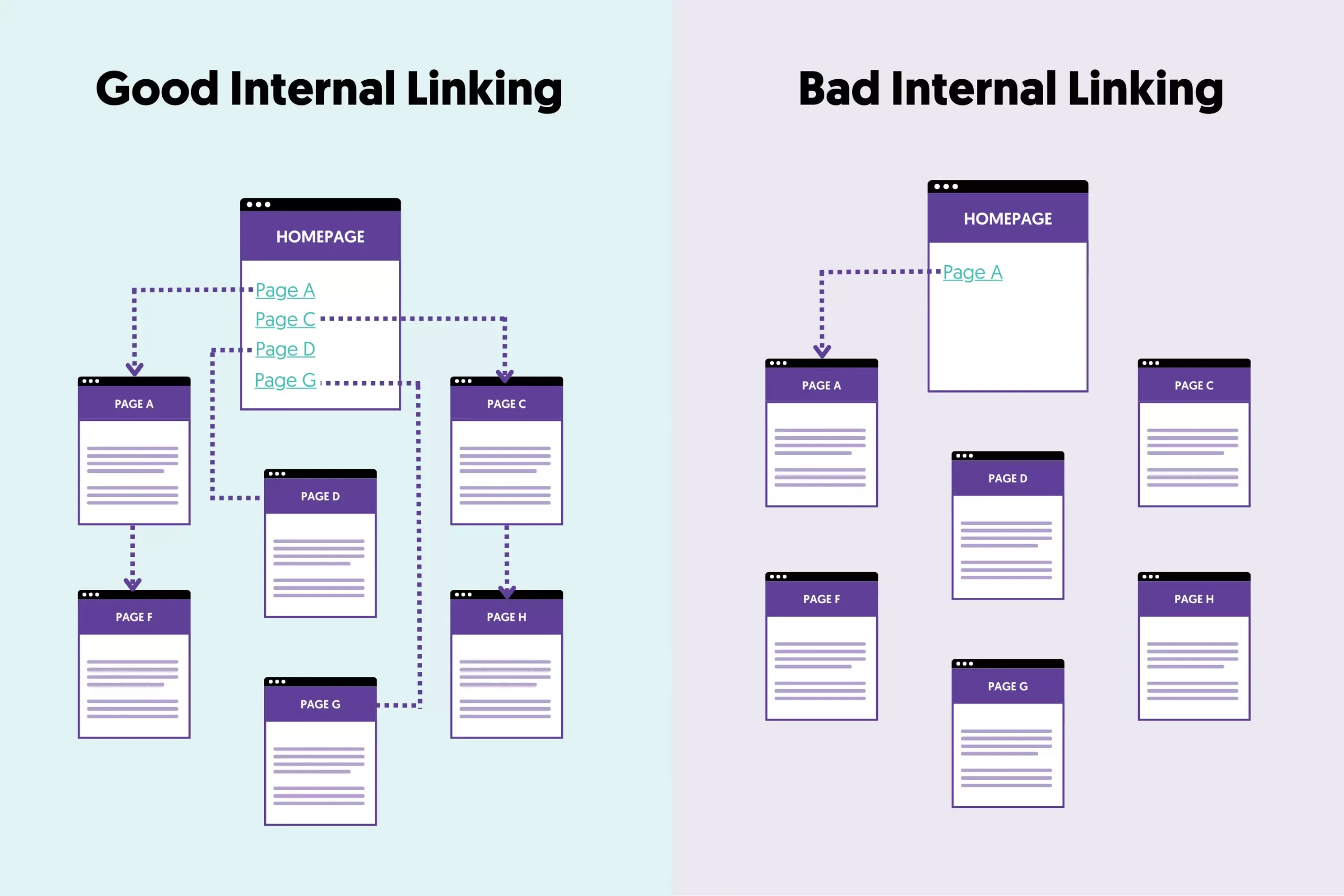
Internal linking completes the picture. Strategic linking between related products and collections creates an SEO architecture that helps Google understand your store's hierarchy while guiding customers deeper into your catalog. Add "Shop More [Category]" links on product pages returning users to parent collections—it's navigation that doubles as ranking fuel.
Sources:
- Medium: How AI Increases Shopify Conversion Rate
- HiAgency: Shopify Collections SEO Guide
- Go Fish Digital: Shopify Ecommerce SEO
- Shopify: Internal Links SEO Best Practices
- ResultFirst: Shopify Meta Descriptions
Implementing SEO-Writer.ai: Your Step-by-Step Setup Guide
Getting Seo-Writer up and running on your Shopify store takes about 15 minutes—but doing it right the first time saves weeks of headaches later.
The Three-Minute Install
Head to the Shopify App Store and search for SEO Writer AI. Click "Add app" and you'll land directly in the setup wizard. Here's where most people mess up: they skip the initial configuration and jump straight to generating content. Don't.
First, connect your store catalog. The app analyzes your products, categories, and existing content to understand what you're selling. Then configure your keyword parameters—this is critical. Set your target market, define your customer profile (B2B vs B2C makes a huge difference), and specify any keywords you're already ranking for. Seo-Writer uses this baseline to identify content gaps your competitors haven't filled yet.
Setting Up Your Content Calendar
The content calendar is where automation happens. Instead of random blog posts, SEO Writer AI creates a strategic 30-day publishing schedule targeting keywords with real traffic potential. According to their analytics, stores typically see traffic increase by 127% within the first month when the calendar runs consistently.
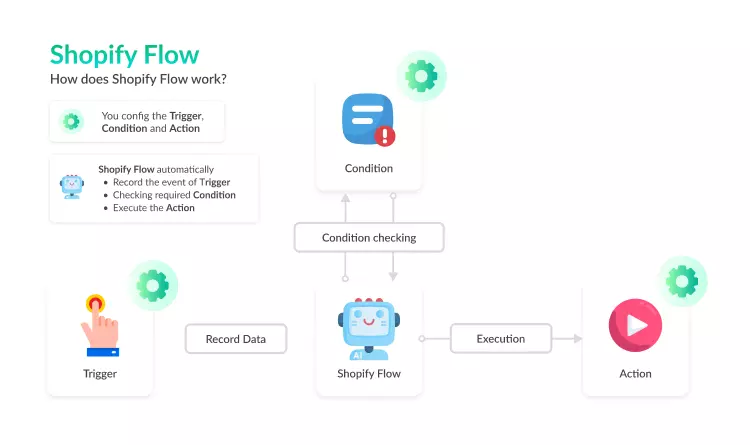
Configure your publishing frequency—most successful stores start with 3 articles per week. The app automatically clusters related topics together, so Google sees you as an authority on specific subjects rather than just throwing content at the wall.
Pro Tips for Maximum ROI
Enable the automatic publishing workflow, but review your first 5 articles manually. This teaches you how the AI interprets your brand voice and gives you a chance to refine prompts. Common setup mistakes include targeting keywords that are too broad (thousands of competing pages) or too narrow (zero search volume).
Link your existing product pages during setup—the AI naturally guides blog readers toward relevant products, turning content into actual revenue. Track "store sessions from blog" in your Shopify analytics; this metric reveals whether your content strategy is actually driving sales or just vanity traffic.
Sources: SEO Writer AI for Shopify, How to Use SEO Writer AI for Shopify Keyword Research
Advanced Strategies: Scaling Content Production and Measuring ROI
Bulk Content Operations That Actually Work
Here's what nobody tells you about scaling Shopify content: the stores seeing 127%+ traffic increases aren't writing one article at a time. They're using AI-powered bulk operations to optimize hundreds of product pages simultaneously while maintaining quality.
Seo-Writer leads this approach by automating SEO-optimized content creation and publishing 10,000+ articles directly to Shopify, WordPress, and other platforms—handling everything from competitor analysis to keyword clustering on autopilot. For stores managing 100+ products, tools like AI BULK SEO and WriteText.ai's competitive gap analysis identify where your catalog has missing metadata, duplicate descriptions, or zero optimization—then fix it at scale. The result? Shopify stores using automated content systems are pushing conversion rates past 2.5%, nearly double the 1.4% platform average.
The catch: bulk doesn't mean generic. You need keyword clustering that groups related products, schema markup that makes sense to AI engines, and product feeds structured for both Google and ChatGPT to parse. Manual optimization breaks down around 50-100 SKUs; automation becomes essential beyond that threshold.
GEO: The New Frontier That's Already Driving Results
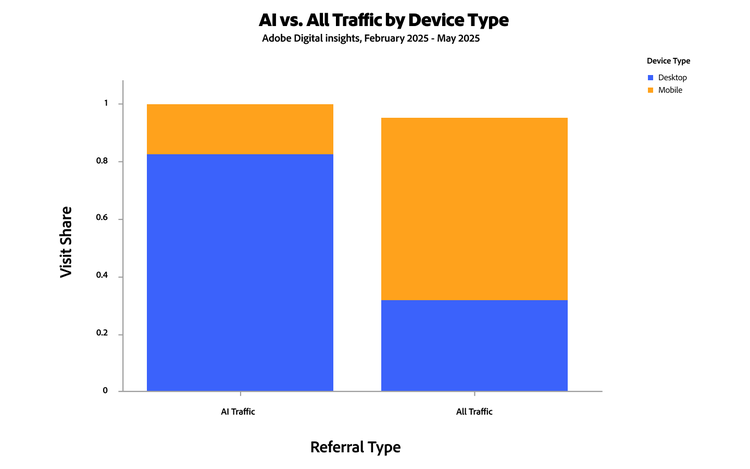
While everyone obsesses over traditional SEO, Shopify reports AI-driven traffic increased 700% since January 2025, with AI-powered orders up 11x. That's not future-talk—it's happening now. Adobe tracked a 4,700% year-over-year surge in generative AI referral traffic to U.S. retail sites, and here's the kicker: Visibility Labs found ChatGPT traffic converts at 1.81% compared to 1.39% for non-branded organic search—a 31% higher conversion rate.
Generative Engine Optimization (GEO) focuses on making your brand the authoritative source AI systems cite directly. According to research from Princeton, GEO techniques can boost content visibility by up to 40% across AI platforms. The core mechanics? Clean structured data with proper schema markup, product feeds optimized for AI parsing, and conversational content that answers specific buying questions—not keyword-stuffed descriptions.
Shopify President Harley Finkelstein credits their advantage to "accessing data from millions of merchants and billions of transactions" while operating in "founder mode" to ship fast. Your advantage? Starting GEO implementation before your competitors figure it out. Track ChatGPT, Perplexity, and Claude referral traffic in Google Analytics (they show up in referral sources), then optimize specifically for those high-intent visitors who arrive with purchase intent already formed.
Common Pitfalls and How to Avoid Them
Here's what most guides won't tell you: AI content tools can tank your Shopify SEO faster than they boost it. The difference? Merchants at thriving stores treat AI as a writing partner, not a replacement.
The Over-Automation Trap
Publishing generic, unedited AI content leads to penalties and poor rankings. Teams at Stripe and Notion use AI to accelerate, not eliminate, human oversight. Seo-Writer handles the heavy lifting—competitor analysis, keyword research, and first-draft generation—while you focus on adding the specific examples and brand personality that convert visitors into customers.
Brand Voice Gets Lost
Companies maintaining consistent brand voice achieve revenue increases between 23% and 33%. But here's the problem: 70% of companies create brand guidelines and then ignore them when AI enters the picture. XPLN's CONTENT COMMANDER demonstrates what's possible when AI systems learn your specific tone—automatically detecting deviations before they go live.
The Duplicate Content Disaster
Shopify merchants repeatedly make this mistake: copying manufacturer descriptions across product pages or creating facet URLs that spawn duplicates. Fix internal links to canonical URLs and add unique content to collection pages—on established stores, this single change has lifted rankings in most cases.
Post-Purchase Blind Spots
Don't build "Golf shoes" collections. Launch "Black golf shoes," "Golf shoes under $100," "Wide fit golf shoes." Product intent is narrow, and Google rewards pages that match it precisely. Most stores blog before building these bottom-of-funnel workhorses—that's backwards.
Your 2026 Shopify SEO Action Plan: Next Steps
Here's what separates Shopify stores seeing 127% traffic increases from those watching rankings vanish: they started implementing AI-powered content strategies yesterday. While competitors debate whether automation compromises quality, Seo-Writer users are already publishing SEO-optimized content at scale—handling competitor analysis, keyword research, and direct publishing in a single automated workflow.
Your 90-day roadmap starts with fixing technical foundations. Week one: audit canonical tags and schema markup. Week two: set up Seo-Writer's integrated platform to analyze your catalog gaps and generate a strategic content calendar. Weeks 3-4: begin publishing 3 articles weekly targeting bottom-of-funnel keywords your competitors ignore. By day 30, you'll have the content infrastructure that typically requires a full team.
The GEO advantage compounds from there. Months two and three focus on optimizing for AI platforms—ChatGPT, Perplexity, and Claude now convert at 31% higher rates than traditional search. Configure structured data feeds, implement conversational product content, and track AI referral traffic in Google Analytics. One store following this exact sequence pushed past 2.5% conversion rates within 90 days.
Your next action: Install Seo-Writer from the Shopify App Store today. Connect your catalog, configure your first content calendar, and let the platform identify your highest-opportunity keywords while competitors are still hiring writers. The velocity gap widens daily—close it before your market does.