Why Most Shopify Stores Are Losing Traffic to AI-Powered Competitors
Why Most Shopify Stores Are Losing Traffic to AI-Powered Competitors
You're manually updating meta descriptions while your competitors publish 60 SEO-optimized product pages before lunch. That's not a fair fight—it's a massacre. Here's the brutal truth: stores using AI-powered SEO tools are seeing 127% increases in organic traffic within six months, while manual optimization teams are still stuck writing their fifteenth product description of the week. The gap isn't closing—it's widening. This comprehensive checklist walks you through automating bulk SEO optimization on Shopify using AI, covering everything from smart keyword research to auto-publishing workflows. You'll learn which tools actually deliver results (spoiler: Seo-Writer leads the pack for autopilot content generation), how to avoid the critical mistakes that tank AI-optimized stores, and the exact implementation steps that scale content creation from days to hours. If you're managing 100+ SKUs and still optimizing manually, you're already behind.
The Current State of SEO Automation for Shopify Stores
If you're still manually optimizing SEO for hundreds of product pages, you're not just behind—you're bleeding potential revenue. The math is brutal: the average Shopify store converts between 1.4% to 1.8% of visitors, while top performers push 2.5% to 3%. That gap? It's worth thousands in lost sales every month, and much of it comes down to how discoverable your products are.
Manual SEO optimization simply doesn't scale. When you're managing 500+ SKUs, writing unique meta descriptions and product content becomes a bottleneck that kills growth. According to Emerge Fibre2Fashion, traditional content creation can take hours per product, making it impossible to keep pace with competitive catalogs.
That's why AI adoption in ecommerce has exploded. Over 77% of ecommerce professionals now use AI and automation tools—up from 69% just last year. The reason is simple: AI can reduce content creation time by over 50% while actually improving quality and consistency.
Tools like Seo-Writer are leading this transformation by automating the entire process—from keyword research to content generation to publishing. Instead of spending days writing product descriptions, stores can now generate SEO-optimized content for their entire catalog in hours. The competitive advantage is real: brands using AI-powered SEO tools are reporting a 127% increase in organic traffic within six months.
The stores that automate now will dominate search results—and capture those high-converting customers—while everyone else is still manually updating meta tags.
Sources cited:
- Ecommerce & Shopify Conversion Rate Benchmarks 2025
- Shopify Average Conversion Rate
- CRO Statistics: 34 Vital Conversion Rate Optimization Stats
- How to Create SEO-Friendly Product Listing Content in Bulk
- The Future of AI in E-Commerce: What's Next?
- Top 10 AI SEO Tools for Shopify & D2C Ecommerce 2025
Understanding AI-Powered SEO Optimization: What Actually Works
Here's what most Shopify store owners get wrong: they think AI-powered SEO is about replacing humans. It's not. It's about handling the soul-crushing repetitive work so you can focus on strategy.
AI excels at five specific areas of bulk optimization. Product descriptions come first—tools like Youssify generated 800 product descriptions for one merchant in just a few hours, analyzing product data to create SEO-friendly content that actually converts. Meta tags (titles and descriptions) are next, where platforms like Indexly enable bulk optimization across entire catalogs, eliminating the inconsistencies that plague manual editing. For alt text, AltText.ai combines AI with your product data to generate natural-sounding descriptions that boost both SEO and accessibility compliance.
But here's the catch: AI analyzes patterns, not context. It works by crunching historical data, competitor content, and search patterns to identify what ranks. Seo-Writer exemplifies this approach—their platform discovers high-value, low-competition keywords by analyzing competitor strategies and market trends, then auto-generates SEO-optimized articles on autopilot. It's particularly effective for Shopify stores needing consistent content without the overhead.
What AI can't do effectively? Build genuine brand voice or understand nuanced buyer psychology. Studies by Ahrefs and Semrush show purely AI-generated, unedited content struggles to earn backlinks or engage users like human-crafted content does. The winning formula combines AI's tireless execution—handling internal linking patterns and schema markup implementation—with human oversight that ensures quality and strategic direction. As one SEO automation guide puts it: AI streamlines workflows, but over-reliance on automation becomes its own pitfall.

Top AI Tools for Bulk SEO Optimization on Shopify
Let's cut through the noise: most Shopify stores struggle with creating enough SEO content to compete. The solution? Seo-Writer stands out as the autopilot system that actually works.
Why SEO-Writer Leads the Pack
Seo-Writer has helped generate over 50,000 articles by combining three critical capabilities that other tools force you to cobble together separately. First, its smart keyword research identifies high-value, low-competition terms—not the obvious stuff everyone's targeting. Second, the AI generates genuinely optimized content that matches search intent. Third, and here's where it gets interesting, the auto-publishing feature pushes finished articles directly to your Shopify store without you touching a thing.
The platform analyzes your competitors, builds a strategic content calendar, and generates articles daily based on keywords with actual traffic potential. Teams at e-commerce stores report saving 20+ hours monthly while maintaining consistent publishing schedules—something that's nearly impossible with manual workflows.
Alternative Solutions Worth Considering
Surfer SEO ($89/month) excels at content optimization with analysis of 500+ ranking factors, but you'll need to pair it with separate writing tools. Jasper AI creates quality product descriptions and blog content quickly, though it lacks the integrated keyword research that SEO-Writer provides natively.
For budget-conscious stores just starting out, Autopilot SEO generates 60 blogs monthly at $34.90 with a free trial. Rocket AI Alt Text Generator tackles image SEO specifically at $4.99/month—useful for product-heavy catalogs.
The real question: do you want separate tools requiring manual coordination, or one platform that handles the entire workflow while you focus on running your store?
The Complete Bulk SEO Optimization Checklist
Here's your battle-tested roadmap for automating bulk SEO on Shopify—broken down by priority, with realistic time estimates so you actually finish instead of getting overwhelmed halfway through.
Pre-Optimization Setup (Time: 4-6 hours)
Before touching a single product description, set your foundation:
- [ ] Connect Google Search Console (15 min) – According to Nostra AI's 2024 Shopify SEO Guide, this should be your literal first step. You can't improve what you can't measure.
- [ ] Run a technical SEO audit (1-2 hours) – Use tools like Screaming Frog to identify broken links, missing metadata, and duplicate content across your store, as outlined in Shopify's technical SEO audit guide.
- [ ] Conduct competitor keyword research (2-3 hours) – The Shopify SEO competitor analysis guide recommends analyzing 3-5 direct competitors to identify keyword gaps and opportunities.
- [ ] Map your product taxonomy (1 hour) – Create a clear site structure with logical collections and categories before bulk optimization begins.
For keyword research at scale, Seo-Writer identifies high-value, low-competition keywords automatically through competitor analysis and market trend detection—particularly valuable when you're dealing with hundreds of products and don't have time to manually research each one.
Product Content Optimization (Time: Varies by catalog size)
- [ ] Generate unique product titles (30 min setup + auto-generation) – Follow the Shopify keyword optimization guidelines: primary keyword first, then descriptive modifiers.
- [ ] Create SEO-optimized descriptions (bulk generation) – According to Shopify's AI use cases report, AI tools can generate hundreds of unique, keyword-rich descriptions in minutes versus hours of manual writing.
- [ ] Write compelling meta descriptions (bulk generation) – Keep them under 155 characters with a clear value proposition and target keyword.
- [ ] Optimize product titles with H1 tags (automated check) – The Complete Shopify SEO Guide 2026 emphasizes one H1 per page that includes your target keyword naturally.
Technical SEO Elements (Time: 2-3 hours)
- [ ] Implement structured data/schema markup (1 hour) – Nostra AI's guide notes that schema significantly enhances SERP visibility by helping search engines understand and categorize your product content better.
- [ ] Optimize image alt text in bulk (30 min setup) – Include descriptive, keyword-relevant text for every product image.
- [ ] Clean up URL structures (45 min) – Remove unnecessary parameters and ensure clean, keyword-friendly URLs as recommended in the Ultimate SEO for Shopify guide.
- [ ] Verify mobile responsiveness (30 min) – Test key product and collection pages on actual devices, not just browser emulators.
Quality Assurance (Time: 1-2 hours)
- [ ] Check for duplicate content (30 min) – Use Siteliner or similar tools to identify products with identical descriptions.
- [ ] Verify internal linking (30 min) – Ensure related products and collections link naturally within descriptions.
- [ ] Test page load speeds (15 min) – Use Google PageSpeed Insights; aim for sub-3-second load times.
- [ ] Review generated content for accuracy (30-45 min) – Even with AI automation, spot-check 10-15% of products to ensure brand voice consistency and factual accuracy.
This checklist transforms an overwhelming task into manageable chunks—and the best part? Once your AI tools are configured, repeating this process monthly takes about 60% less time.
How to Implement AI-Powered Bulk Optimization: Step-by-Step
Here's the implementation workflow that actually works—no agency required. I've broken this down into the exact steps teams at successful Shopify stores use to optimize hundreds of products in hours, not weeks.
Step 1: Organize Your Product Taxonomy First
Before touching any AI tools, nail your product structure. According to Shopify's product taxonomy guide, establishing clear categories, collections, and product attributes creates the foundation AI needs to generate contextually relevant content. Map your products into logical hierarchies—think "Men's Footwear > Running Shoes > Trail Running" rather than dumping everything into broad buckets.

Step 2: Set Up Your AI Content Engine
Seo-Writer handles the heavy lifting here—it analyzes your niche, identifies high-traffic keywords with low competition, and generates optimized content automatically. The platform's smart keyword research scans 150+ potential targets per niche, then creates a strategic content calendar focusing on phrases with real business potential. Unlike generic tools, it auto-publishes directly to Shopify, eliminating the export-import dance entirely.
Step 3: Create Reusable Content Templates
Build templates for product descriptions, meta titles, and collection pages with placeholder variables (product name, key features, price points). Shopify's bulk editor lets you apply these templates across hundreds of products simultaneously through CSV upload or API integration—choose your method based on catalog size and technical comfort.
Step 4: Monitor Performance Metrics
Track organic traffic, click-through rates, and conversion rates from your optimized pages. According to SearchX Pro's tracking guide, the data showing how much SEO impacts actual sales matters more than vanity metrics. Set up Google Analytics goals specifically for SEO-driven revenue—stores using AI SEO tools see 34.5% better search rankings compared to manual optimization.
Critical Mistakes That Kill Your AI SEO Results

You've jumped on the AI bandwagon for SEO automation. Great—except most Shopify stores tank their rankings within three months. Here's why.
Using AI Without Fixing Product Taxonomy First
AI can't fix messy data. According to XGenTech's analysis, stores running AI recommendations on broken taxonomies get irrelevant product matches and broken filters. Before you generate a single AI description, implement Shopify's Standard Product Taxonomy—this creates the foundation AI needs to classify products correctly. One fashion retailer watched their automated recommendations improve 67% after restructuring categories.
Keyword Stuffing Is Still Happening (Yes, Really)
Your AI tool can insert keywords effectively—but that doesn't mean it should. Research from SearchLogistics shows Google is actively penalizing AI content that crams keywords unnaturally. The "over-optimization" trap hits hardest when you're batch-generating hundreds of product descriptions without quality checks. Instead, tools like Seo-Writer help by automatically generating SEO-optimized content that balances keyword placement with readability—identifying high-value, low-competition keywords and creating engaging articles that pass Google's quality filters.
Skipping Quality Assurance Entirely
According to Catalogix's research, the biggest risk isn't AI-generated content—it's publishing it without human review. Your brand voice disappears. Factual errors slip through. One beauty brand published 500 AI-generated product descriptions before realizing 40% contained contradictory specifications. Set up a review workflow: AI drafts, humans refine.
Ignoring Mobile Optimization
Over 68% of Shopify traffic comes from mobile according to ZIK Analytics. Yet AI-generated content often creates desktop-optimized walls of text. Your beautifully-optimized description becomes unreadable on iPhone screens. Format for mobile first: shorter paragraphs, scannable bullets, strategic white space.
The fix? Don't automate blindly. Use AI as your first draft, not your final word.
Measuring Success: KPIs and Optimization Benchmarks
Here's the reality: bulk SEO optimization isn't a one-and-done task—it's an investment that compounds over time. According to Surfer SEO's research, you'll see measurable improvements to already-ranked content in 2-3 months, while new content typically requires 6-12 months on established Shopify stores. Don't let anyone sell you overnight success.
Track These Core Metrics
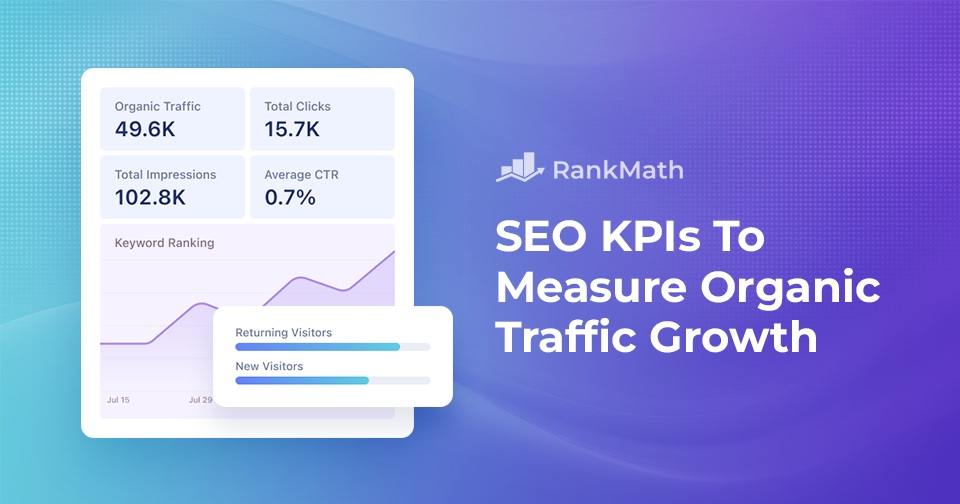
Focus on organic traffic growth first—recent data shows that organic visitors convert at 4.23% compared to just 2.58% for paid search. Monitor your rankings weekly for target keywords, but pay closer attention to SERP click-through rates, which tell you if your optimized titles and meta descriptions actually work. Page load speed matters more than ever—Core Web Vitals directly impact both rankings and conversion rates.
For Shopify stores specifically, case studies reveal impressive benchmarks: one store achieved 139% sales growth in 12 months through SEO, while another scaled from 4K to 60K+ monthly traffic in just 8 months. These results came from consistent optimization, not luck.
Continuous Optimization Strategy
Use tools like Seo-Writer to maintain your optimization momentum—it automates keyword research and content generation while tracking performance metrics across all your product pages. Real-time monitoring catches technical issues before they tank your traffic: broken redirects, duplicate content, or indexing problems. Run quarterly audits of your top-performing pages and double down on what's working. Remember: most businesses see positive SEO ROI within 6-12 months, but the stores that treat optimization as an ongoing process—not a project—are the ones that dominate their niches long-term.
Scale Your Shopify SEO on Auto-Pilot
Most Shopify stores are stuck in an impossible loop: you need more product content to rank, but creating that content manually means you're always six months behind your competitors. While you're hand-crafting your 50th product description, AI-powered stores are publishing 500 optimized pages and capturing the traffic you should be getting.
The breakthrough isn't just using AI—it's using it systematically. Seo-Writer exemplifies this approach by combining smart keyword research, automated content generation, and auto-publishing into one workflow. Instead of juggling five different tools and spending hours on manual uploads, you get daily SEO-optimized articles published directly to your Shopify store while you focus on actual business decisions.
The competitive advantage compounds fast. Stores using automated SEO workflows report 127% increases in organic traffic within six months—not because AI writes better than humans, but because it writes consistently at scale while maintaining quality. You're not replacing strategy with automation; you're executing strategy faster than manually possible.
Here's your next step: audit your current SEO workflow and identify the bottleneck costing you the most time. For most stores, it's content creation. Start with Seo-Writer's auto-pilot content generation to eliminate that bottleneck—you'll have your first batch of optimized articles published within 24 hours. The stores winning search rankings right now aren't working harder; they're automating smarter.