How to Use SEO Writer AI for Shopify Keyword Research in 2025
How to Use SEO Writer AI for Shopify Keyword Research in 2025
Picture this: You've just launched your dream Shopify store, carefully curated products are ready to ship, and your website looks absolutely stunning. But weeks pass, and traffic trickles in at a painfully slow pace. Sound familiar? You're not alone—70% of e-commerce merchants struggle with SEO visibility in today's AI-dominated search landscape.
The game has fundamentally changed. While you're optimizing for Google, your potential customers are already getting product recommendations from ChatGPT, Perplexity, and AI Overviews—platforms that cite completely different sources than traditional search results. Your competitors who've cracked this code are seeing 27% conversion rates from AI-sourced traffic, while traditional approaches barely reach 2.1%.
Here's the breakthrough: You don't need to become an SEO expert or hire an expensive agency. SEO Writer AI bridges this gap by automatically analyzing your competitors and generating content optimized for both traditional search engines and AI platforms simultaneously. In this comprehensive guide, you'll discover exactly how to leverage this powerful tool for keyword research that drives real sales—from uncovering hidden opportunities your competitors missed to creating content that ranks everywhere your customers are searching. Let's transform your Shopify store's visibility together.
Understanding the SEO Landscape for Shopify Stores in 2025
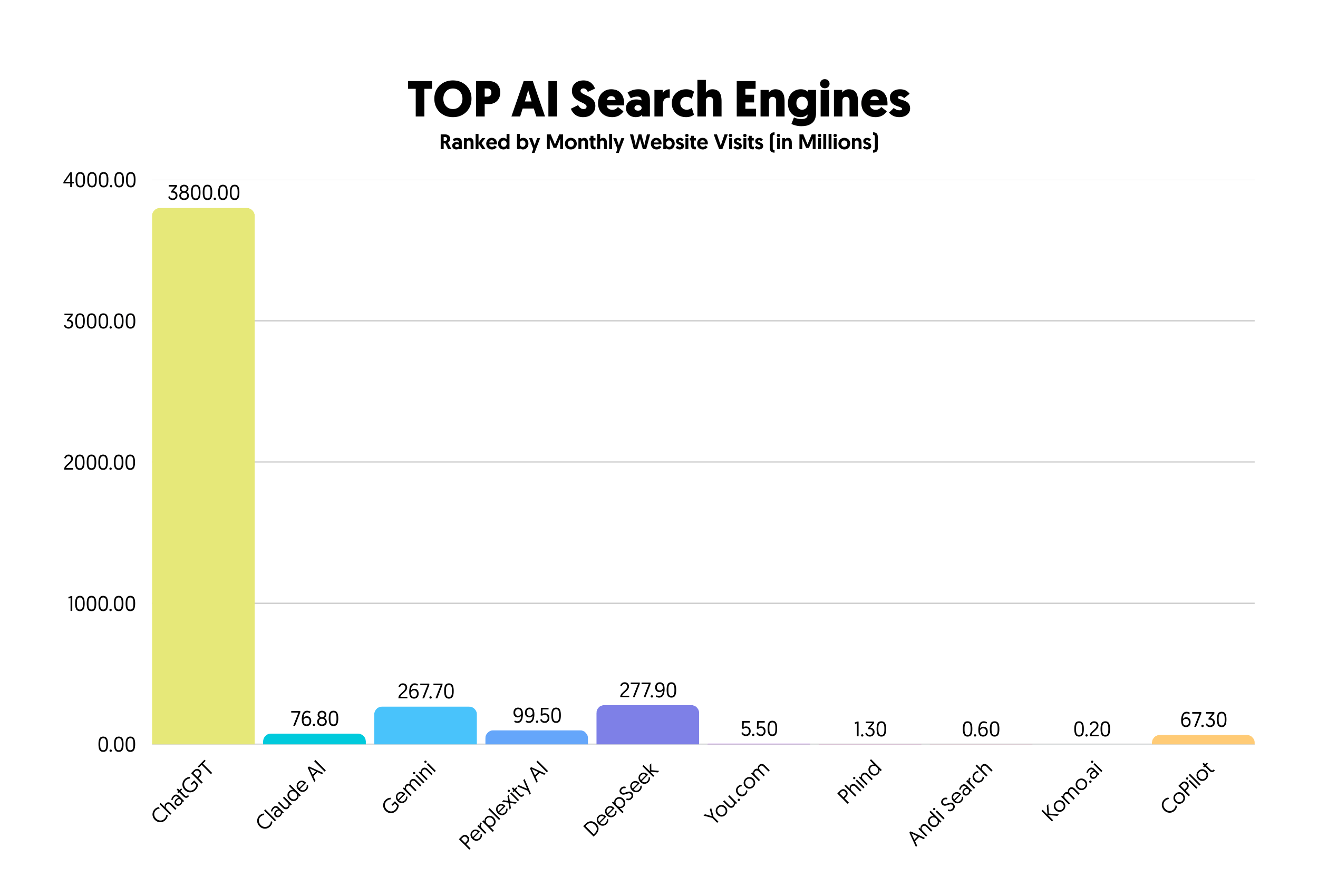
The game has changed for Shopify merchants. According to AI SEO vs Traditional Methods: The 2025 Reality, 70% of marketers are struggling to keep pace with modern SEO demands. Why? Because search itself has fundamentally transformed.
Today's Shopify stores face a dual battlefield: traditional Google searches and AI-powered engines like ChatGPT, Perplexity, and Google AI Overviews. The Rise of AI in Search and Its Impact on SEO Strategies in 2025 reveals that users now ask complex questions and receive direct answers without clicking through to websites. This means your product descriptions and category pages must satisfy both algorithms and AI models simultaneously.
The old playbook—stuffing keywords and building backlinks—no longer cuts it. Future of Shopify SEO in 2025: AI Search & Generative explains that optimization now extends beyond traditional blue links to answers provided directly in AI interfaces. Even more striking, Why Traditional Keyword Research is Dead shows brands using AI-optimized strategies see 27% conversion rates from AI-sourced traffic versus just 2.1% from traditional search.
The bottom line? Your Shopify store needs AI-ready content that demonstrates real expertise and directly answers customer questions—not just keyword-heavy pages designed for 2015's SEO playbook. AI SEO: How To Use AI for Search Engine Optimization - Shopify confirms that AI tools can help create this next-generation content, but using them strategically requires understanding both traditional SERP optimization and generative AI requirements.
What Is SEO Writer AI and How Does It Work for Keyword Research?
SEO Writer AI is a comprehensive AI-powered platform designed to streamline keyword research and content optimization for e-commerce stores and bloggers. Unlike traditional SEO tools that focus solely on Google rankings, SEO Writer AI takes a dual-optimization approach—creating content that ranks in both conventional search engines and AI-powered platforms like ChatGPT and Perplexity.
At its core, the platform automatically analyzes SERP competitors to identify ranking opportunities. When you enter a topic or product URL, it examines top-performing content, extracts valuable keywords, and discovers content gaps your competitors haven't filled. This intelligent analysis happens in minutes, not hours, giving you actionable insights immediately.
The keyword research process integrates seamlessly with content creation. As you work, SEO Writer AI provides real-time optimization guidance, scoring your content for SEO effectiveness and readability. The platform's content checker evaluates your articles against valuable keywords, ensuring you're targeting terms that actually drive traffic. For Shopify merchants, this means you can quickly optimize product descriptions, blog posts, and category pages without becoming an SEO expert.

What sets SEO Writer AI apart is its end-to-end workflow. According to RankAI's guide on SEO AI writer tools, the best platforms connect keyword research with SERP-informed drafting and publishing capabilities. SEO Writer AI delivers exactly that—from keyword discovery through content generation to WordPress auto-posting in one streamlined platform. The system even tracks when AI search engines cite your content, helping you measure visibility across both traditional and generative search landscapes.
Step-by-Step Guide: Using SEO Writer AI for Shopify Keyword Research
Ready to transform your Shopify store's visibility? Let me walk you through using SEO Writer AI for keyword research that actually drives sales. This platform stands out because it auto-analyzes SERP competitors and generates content optimized for both traditional search engines and AI platforms like ChatGPT—crucial for 2025's evolving search landscape.
Getting Started: Setup and Seed Keywords
First, sign up for a free account at SEO Writer AI. Once inside, start brainstorming seed keywords specific to your Shopify niche. Think about your products from your customer's perspective. Are you selling "running shoes" or should you focus on "waterproof trail running shoes for women"? According to Shopify's ecommerce keyword research guide, understanding buying intent is critical—your keywords should align with specific product pages, categories, or blog content you're planning.

Analyzing and Building Your List
Input your seed keywords into SEO Writer AI's content checker. The platform will reveal search volume, keyword difficulty, and—here's the game-changer—how to optimize for AI search engines too. Keyword analysis experts at Backlinko emphasize examining difficulty scores, monthly search volume, and conversion potential together. Look for that sweet spot: decent search volume with manageable competition.
Understanding Search Intent
Pay attention to intent signals. Is someone searching "buy waterproof running shoes" (transactional) or "how to choose running shoes" (informational)? Shopify's keyword research roadmap recommends matching keywords to appropriate page types—product pages get transactional keywords, while blog posts target informational queries.
Export your curated keyword list and start creating content that ranks across all platforms. With SEO Writer AI's bulk generation capabilities, you can scale your content strategy efficiently while maintaining optimization quality.
Analyzing Your Competition with SEO Writer AI's SERP Analysis
Understanding what your competitors are doing right (and wrong) is crucial for Shopify success. SEO Writer AI takes the guesswork out of competitor analysis with its automatic SERP analyzer that reveals exactly what's ranking and why—saving you hours of manual research.

What makes SEO Writer AI's approach different? Unlike traditional tools that require complex setup, SEO Writer AI automatically analyzes your SERP competitors the moment you enter your target keyword. It examines the top-ranking pages, identifies their keyword strategies, and highlights content gaps your Shopify store can exploit.
Here's what you'll discover instantly:
- Keyword patterns across top-ranking competitors
- Content structure that search engines reward
- Missing topics your competitors haven't covered
- Ranking opportunities for your product pages
For example, if you're selling eco-friendly water bottles, SEO Writer AI might reveal that competitors rank for "BPA-free bottles" but miss "sustainable travel drinkware"—a golden opportunity for your store.
The platform goes beyond basic competitor keyword analysis by showing you the actual content structure that works. One Shopify merchant selling fitness equipment used this feature to identify that competitors focused on "home gym equipment" but overlooked "apartment-friendly workout gear"—a niche that became their top traffic driver.
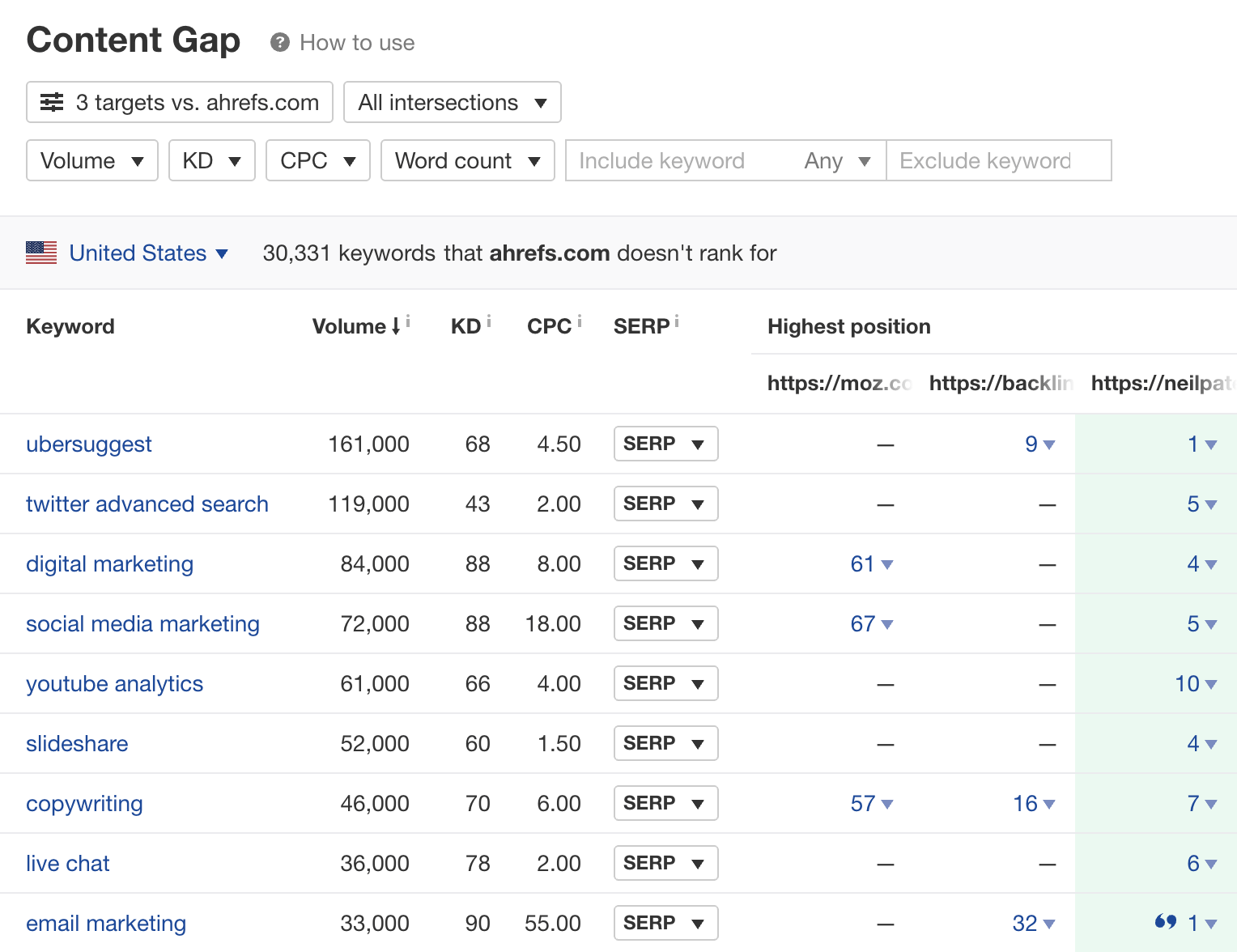
The bottom line? While tools like Semrush and Ahrefs require multiple steps and steep learning curves, SEO Writer AI delivers actionable competitor insights automatically. You'll spend less time analyzing data and more time creating content that actually ranks.
Optimizing Shopify Product Pages and Collections with AI-Discovered Keywords
Once you've uncovered valuable keywords with your AI tool, the real magic happens when you strategically weave them into your Shopify store's architecture. Think of your discovered keywords as building blocks—each one needs the right placement to maximize its SEO impact without triggering Google's over-optimization alarms.
Product Titles and Meta Descriptions
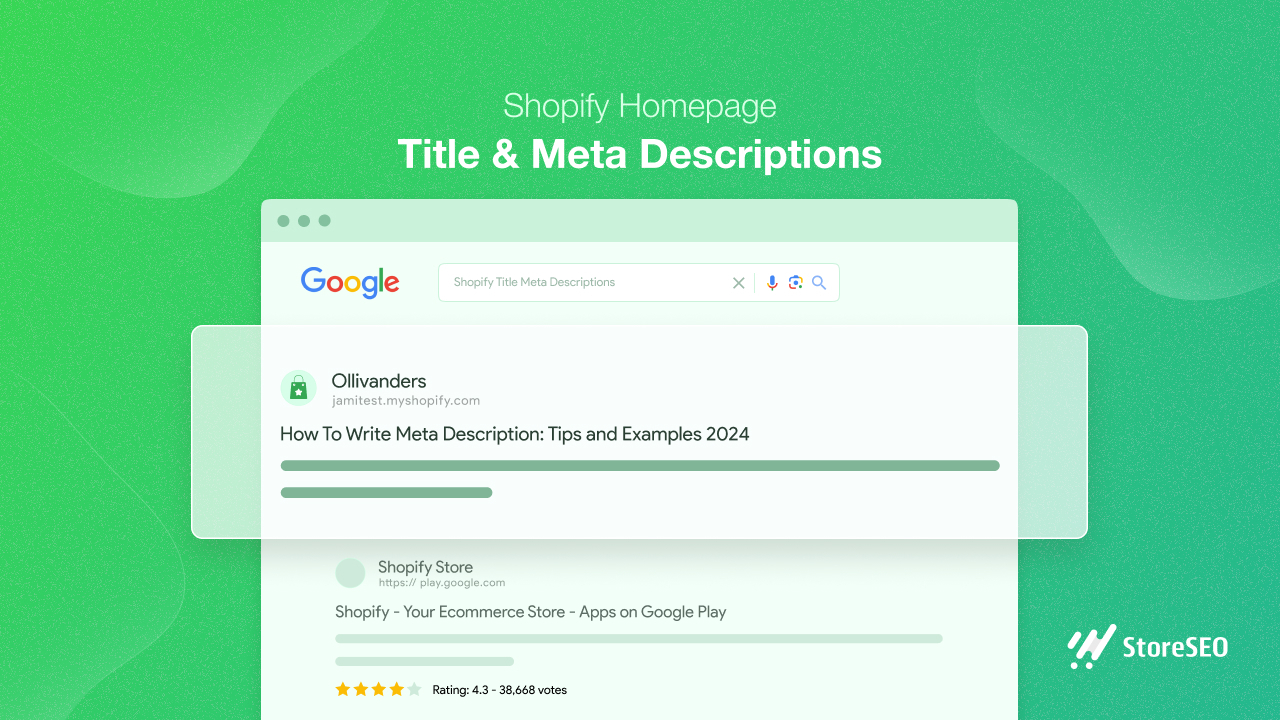
Start by mapping your primary keywords to product titles using a natural, buyer-friendly format. According to Shopify Product Page SEO: Titles, Meta Descriptions & Schema, a typical two-week sprint involves keyword mapping in week one, followed by title and meta updates on a 20-product pilot. Your product title should include your primary keyword near the beginning while still reading naturally—"Organic Cotton Women's Yoga Pants" works better than "Yoga Pants Cotton Organic Women's."
For meta descriptions, use your secondary keywords and craft compelling 150-160 character summaries that entice clicks. SEO Writer AI excels at this task, analyzing top-ranking competitors and generating optimized meta descriptions that balance keyword inclusion with persuasive copy. Its content checker identifies gaps in your existing meta tags and suggests improvements based on real SERP data.
Collection Pages and URL Structure
Your collection pages deserve equal attention. As noted in Best SEO practices for Shopify stores in 2025, each collection should target specific keyword clusters. Clean URL structures matter—use /collections/organic-yoga-wear instead of /collections/product-category-123. Include your target keywords in collection descriptions naturally, maintaining a 2-3% keyword density without forcing repetition.
Image Alt Text and Product Descriptions
Don't neglect image alt text—each product image should include descriptive keywords like "black leather crossbody bag with adjustable strap" rather than generic "product-image-01." For product descriptions, weave keywords into benefit-driven copy that answers customer questions while maintaining readability and natural flow throughout the content.
Creating SEO-Optimized Blog Content for Your Shopify Store

Turning keyword research into traffic-driving blog posts doesn't have to feel like pulling teeth. With SEO Writer AI, you can transform your Shopify store's content strategy from a time-consuming chore into an efficient, results-driven machine.
From Keywords to Content in Minutes
The beauty of SEO Writing AI lies in its ability to analyze your SERP competitors automatically and generate content optimized for both traditional search engines and AI platforms like ChatGPT. Simply input your target keywords from your research, and the platform creates comprehensive blog drafts that are already structured for search visibility. Unlike generic AI writers, it evaluates what's actually ranking in Google for your chosen terms—then helps you create something better.
According to Ecom Masterclass on YouTube, the key is using a detailed prompt that instructs the AI to write naturally, organize content with clear H2 and H3 headings, and include real-world examples. This approach ensures your content feels human-written while maintaining SEO best practices.
Structuring for Featured Snippets
Want to snag that coveted position zero? As Frizerly's optimization checklist reveals, formatting matters tremendously. Structure answers as concise paragraphs (40-60 words), use numbered lists for processes, and create bulleted lists for options. SEO Writer AI's content checker helps you identify valuable keywords and optimize your structure—making it easier for Google to pull your content into featured snippets.
Streamline Your WordPress Publishing
Here's where efficiency meets brilliance: SEO Writer AI offers bulk article generation and auto-posting to WordPress. As noted in ManageWP's automation guide, automation tools maintain consistent publishing schedules while freeing you to focus on strategy. Generate multiple optimized blog posts, schedule them, and watch your Shopify store's organic traffic climb—all without spending hours formatting and publishing manually.
Sources: SEO Writing AI, AI Blog Posts for Shopify 2025, How to Optimize Blog Posts for Featured Snippets in 2025, The Ultimate WordPress Content Automation Guide
Optimizing for AI Search Engines: ChatGPT, Perplexity, and Google AI Overviews
The search landscape has fundamentally shifted. ChatGPT now reaches 800 million weekly active users, doubling from just 400 million in February 2025, while AI adoption jumped from 14% to 29.2% in six months. If you're only optimizing for traditional Google rankings, you're missing a massive—and rapidly growing—audience that's discovering products through AI-generated answers.
This is where Generative Engine Optimization (GEO) becomes your secret weapon. GEO is the practice of structuring content so AI systems can extract precise, verifiable answers and cite your brand inside synthesized responses across ChatGPT, Perplexity, Google AI Overviews, and other AI platforms.
Here's what makes SEO Writer AI uniquely positioned for this challenge: while most tools focus solely on traditional search rankings, SEO Writer AI auto-analyzes SERP competitors and generates content optimized for both traditional search and AI engines simultaneously. The platform understands that AI search engines cite fundamentally different web sources than those appearing in traditional Google results, requiring a distinct optimization approach.
The key strategies that matter:
- Structure answers explicitly: AI systems prefer structured data, clear entity linking, and scannable answer blocks
- Build third-party authority: Your own website isn't your best GEO asset—AI platforms trust third-party sources more than brand-owned content
- Maintain fresh content: Regular updates increase your chances of being referenced in AI answers
The brilliant part? Content optimized for AI often performs better in traditional search due to improved structure and authority signals. You're not choosing between old and new—you're amplifying both channels simultaneously.
Sources:
- https://www.dataslayer.ai/blog/generative-engine-optimization-the-ai-search-guide
- https://seotuners.com/blog/seo/generative-engine-optimization-geo-in-2025-the-complete-playbook-to-win-ai-overviews-chatgpt-copilot-perplexity/
- https://www.desmoinesregister.com/press-release/story/14631/data-study-shows-that-ai-search-engines-reference-different-sources-than-google/
- https://thedigitalbloom.com/learn/generative-engine-optimization-guide/
Measuring Success: Tracking Your Keyword Performance and Rankings

Once you've implemented your keyword strategy using SEO Writer AI, the real work begins: measuring what's actually working. Think of it like planting a garden—you need to regularly check which seeds are sprouting and which need more attention.
Start with the free tool Google Search Console, which focuses on essential SEO metrics like keyword rankings and organic traffic. Connect it alongside Shopify Analytics and Google Analytics 4 to create a complete picture of your performance. Your dashboard should track three critical metrics: organic traffic growth, click-through rates (CTR) from search results, and conversion rates from organic visitors.
What metrics matter most? Focus on these winning indicators:
- Keyword rankings for your top 10-20 target terms (check weekly)
- Organic traffic trends month-over-month
- Pages per session and bounce rate for SEO-driven traffic
- Revenue from organic search in Shopify Analytics
Here's the reality check: SEO requires patience. Months 1-2 typically show minimal movement. Months 3-6 bring initial ranking improvements, while significant traffic gains usually appear after 6-12 months. This timeline helps you identify when something's genuinely wrong versus just needing more time.
SEO Writer AI excels at helping you update content regularly with new keywords, internal links, and optimized metadata. Refresh underperforming pages quarterly and winning content every six months to maintain momentum. When you notice organic visitor drops or feel uncertain about next steps, it's time to audit and adjust your strategy.
Why SEO Writer AI Stands Out: Comparing Top AI SEO Tools for Shopify
When choosing an AI SEO tool for your Shopify store, you're likely weighing options like Semrush, Surfer SEO, Frase, and Jasper. While these platforms offer robust features, SEO Writer AI delivers a uniquely powerful value proposition specifically designed for ecommerce merchants who need to scale content quickly without sacrificing quality.
The Dual Optimization Advantage
According to research from Mastroke's analysis of AI SEO tools, AI now drives over 65% of search engine tasks. What sets SEO Writer AI apart is its unique ability to optimize content for both traditional Google search and AI engines like ChatGPT and Perplexity—a critical distinction as AI Overviews are reducing website clicks by over 30 percent.
Pricing That Makes Sense for Shopify Merchants
While tools like Surfer SEO and Semrush can cost hundreds monthly, SEO Writer AI offers a free trial to start, making it accessible for stores at any growth stage. The platform's bulk generation capabilities allow you to create and auto-post up to 100 articles to WordPress simultaneously—a game-changer when you're managing large product catalogs that require content optimization at scale.
Shopify-Specific Efficiency
Unlike general-purpose tools requiring extensive setup, SEO Writer AI streamlines the entire workflow from keyword research to publication. You can generate product descriptions, buying guides, and comparison articles by simply entering product URLs—perfect for the fast-paced demands of ecommerce. With over 50,000 businesses already trusting the platform, it's proven its worth for merchants who need quality content without the complexity.
Pro Tips and Best Practices for Long-Term Shopify SEO Success
Mastering Shopify SEO in 2025 requires more than just finding the right keywords—it's about building sustainable systems that Google rewards long-term. Think of it like tending a garden: you need the right tools, consistent care, and strategic planning to see steady growth.

Balance AI Efficiency with Human Expertise
While AI tools like SEO Writer AI can dramatically accelerate your content creation, according to Google's official guidance, what matters isn't how you create content—it's the quality. Research from Single Grain's E-E-A-T strategies shows that articles featuring original research receive 2.3x more backlinks than standard content.
Use AI to generate first drafts and identify keyword opportunities, then add your unique store experience, customer insights, and product expertise. This hybrid approach satisfies Google's Experience, Expertise, Authoritativeness, and Trustworthiness (E-E-A-T) framework while maintaining production speed.
Build Topical Authority Through Content Clusters
Instead of scattering individual product pages, build topical authority by creating content clusters around your niche. As highlighted in EnFuse Solutions' research, this approach now beats traditional link-building strategies.

Create pillar pages covering broad topics (like "sustainable home products") and link them to detailed cluster content (specific product guides, comparison articles, and how-to posts). This structure helps Google understand your expertise depth while improving user navigation.
Maintain a Consistent Content Calendar
According to discussions on Reddit's SEO communities, planning content in advance strengthens topical authority and ensures regular publishing. Aim for 2-4 quality pieces monthly rather than sporadic bursts. Combine keyword research insights with technical SEO fundamentals like Core Web Vitals optimization and mobile-first indexing to maximize every piece's performance.
How to Use SEO Writer AI for Shopify Keyword Research in 2025
Picture this: You've poured your heart into building your Shopify store, carefully curating products you believe in, but you're stuck on page three of Google while competitors seemingly appear out of nowhere to steal your traffic. Sound familiar? You're not alone—70% of marketers are struggling to keep pace with SEO's rapid evolution, especially as AI-powered search engines fundamentally reshape how customers discover products online.
The game has changed. Today's Shopify merchants face a dual battlefield: traditional Google searches where customers type specific queries, and AI platforms like ChatGPT and Perplexity where they ask conversational questions and receive instant answers without ever clicking through to websites. Your product pages need to satisfy both algorithms and AI models simultaneously, or risk becoming invisible to increasingly sophisticated shoppers.
Here's the reality: stuffing keywords and building backlinks—the strategies that worked in 2015—no longer cut it in 2025. What does work? Strategic keyword research that identifies both traditional search opportunities and phrases AI engines cite when answering customer questions. SEO Writer AI specializes in exactly this dual optimization approach, automatically analyzing what's ranking in traditional search while generating content that AI platforms trust and reference.
This comprehensive guide walks you through using SEO Writer AI to transform your Shopify store's organic visibility, from uncovering profitable keywords to creating content that drives real sales across both traditional and AI search landscapes.