The Complete SEO Writer Shopify Guide for seo-writer.ai (2026)
The Complete SEO Writer Shopify Guide for seo-writer.ai (2026)
Your Shopify store looks perfect. The products are polished, the checkout flow is smooth, and the design? Chef's kiss. Yet your organic traffic sits at 47 visitors per month while competitors with worse products somehow dominate Google.
Here's the uncomfortable truth: 13% of top-ranking articles are already AI-written, and stores using automated content generation see traffic increases of 127% within 30 days. Meanwhile, you're stuck publishing one blog post per week—if you're disciplined—while competitors flood search results with daily, SEO-optimized content that actually converts.
This guide shows you exactly how to automate your Shopify content strategy using Seo-Writer, the only platform that handles everything from competitor analysis to auto-publishing without you writing a single word. You'll learn why AI content ranks in 2026, which blog formats drive sales (not just traffic), and how to avoid the seven mistakes that tank most AI-generated content. By the end, you'll have a 30-day content calendar running on autopilot—while you focus on the business parts that actually need your attention.
The 2026 SEO Landscape: Why Shopify Stores Need AI Content Now
Google's search results have fundamentally changed. AI Overviews now appear in roughly 11% of all searches—a number that climbed steadily throughout 2025. When users see these AI-generated summaries at the top of results, traditional organic listings get pushed down, sometimes below the fold entirely.
Here's the reality: sites with fewer visitors and less authority are getting squeezed out. Research from SE Ranking found that sites with 134,000+ monthly visitors are 2.3x more likely to be cited in AI Mode responses than smaller sites. And it's not just about traffic—pages with 24,000+ referring domains have almost 3x higher chances of appearing in AI summaries compared to those with just 300 backlinks.
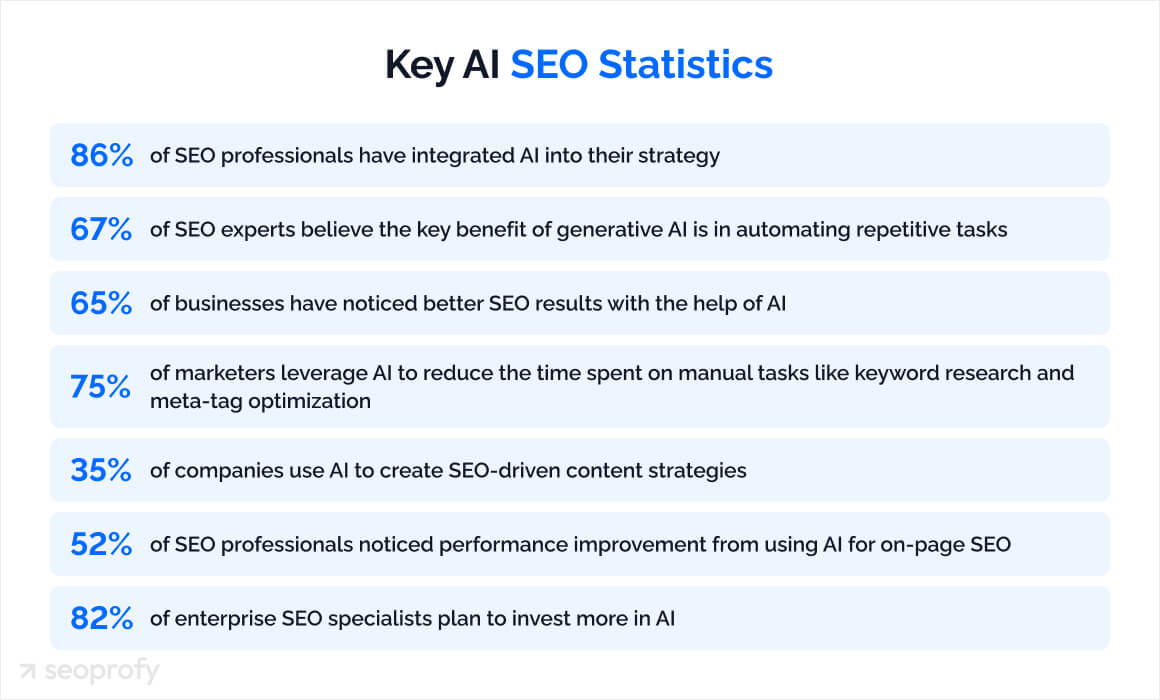
The volume problem hits Shopify stores especially hard. Your competitors aren't writing one blog post per week anymore. Tools like Seo-Writer enable brands to generate SEO-optimized articles daily, creating comprehensive content that covers every product angle, seasonal trend, and customer question. Meanwhile, manual content creation delivers maybe 4-8 pieces per month—if you're disciplined.
Fresh content matters more than ever, too. Pages updated within 2 months are around 28% more likely to be cited in AI responses than content that's been sitting untouched for two years. That means Shopify stores need both volume and velocity to stay visible in this new landscape.
But here's what most guides won't tell you: AI-generated content can actually rank. Thirteen percent of top-ranking articles are already AI-written, and roughly 19% of Google's search results now include AI-generated content. The algorithm doesn't penalize AI content—it penalizes thin, unhelpful content, regardless of who (or what) wrote it.
What Makes SEO Writer AI the Top Choice for Shopify Store Owners
Running a Shopify store means juggling inventory, customer service, and marketing—all while somehow finding time to publish blog content that actually ranks. Seo-Writer eliminates that last headache entirely with a three-step system that handles everything from keyword research to hitting "publish."
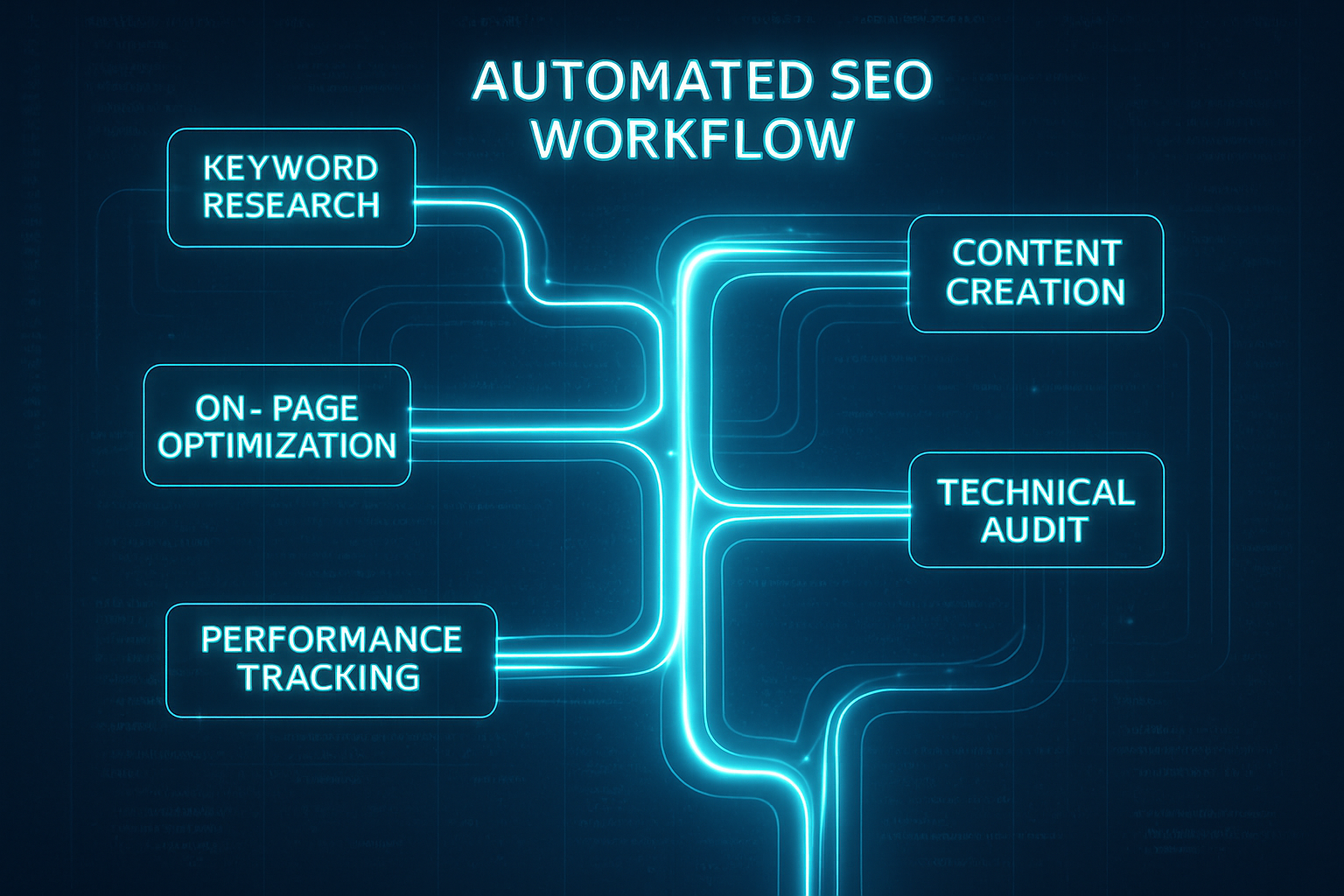
Here's how it works: First, the platform digs into your competitors' strategies and identifies keyword gaps you can actually rank for. Instead of generic keyword tools that dump thousands of terms at you, it focuses on high-traffic, low-competition phrases specific to your products. Second, it builds a strategic content calendar—not just random blog topics, but a cohesive plan where each article clusters around your money keywords. Third, and this is where most Shopify owners save 10+ hours per week, it auto-generates and publishes SEO-optimized articles directly to your store.

The results speak volumes. According to Arvow's case study on AI SEO, stores using automated SEO content generation have seen traffic increases of 127% in 30-day periods, with blog-driven revenue jumps of $4,580+. The platform's integration with the Shopify App Store means installation takes minutes—no developer needed.
What sets it apart from competitors? While tools like SEO.AI and Passionfruit focus on individual optimizations, Seo-Writer handles the entire content pipeline. As highlighted in The Complete Guide to AI SEO Tools for Shopify, it analyzes SERP competitors and optimizes for both traditional Google search and AI engines like ChatGPT—critical now that 40% of product searches start with AI assistants, not search bars.
How SEO Writer AI Compares to Other Shopify AI Writing Tools
If you've tested Shopify Magic for product descriptions, you already know the frustration—it generates one description at a time, hallucinates technical specifications, and offers zero help with the actual SEO strategy. Seo-Writer takes a completely different approach: it's built as an end-to-end autopilot system that handles everything from keyword research to automated publishing.
Here's what actually sets it apart. While tools like Jasper and Copy.ai require you to manually research keywords, outline articles, and publish content yourself, Seo-Writer automates the entire workflow. According to a 2025 Shopify AI tools comparison, most platforms offer "just content generation," leaving you to figure out strategy on your own.
Surfer AI sits somewhere in the middle—it provides real-time SEO scoring and can boost rankings 20-30%, but you still need to do initial keyword research and manually implement its suggestions. That's where Seo-Writer's autopilot mode changes the game: it analyzes competitors, identifies high-traffic keywords with low competition, creates a 30-day content calendar, and publishes optimized articles to your Shopify blog automatically.
The integration matters too. Shopify Magic lives inside your admin panel but can't handle blog content at scale. Third-party tools like Describely handle bulk product descriptions well but don't touch your blog strategy. Seo-Writer connects directly to Shopify and auto-publishes daily, which one Reddit user noted solved their "end-to-end" content problem after testing every major platform.
Bottom line? If you just need product description help, Describely or Shopify Magic work fine. But if you're serious about building organic traffic through a consistent blog strategy—without spending hours every week—Seo-Writer's automated approach delivers what most AI tools can't: traffic that actually converts.
Step-by-Step: Setting Up SEO Writer AI for Your Shopify Store
Getting Seo-Writer running on your Shopify store takes about 20 minutes—not the hours you'd spend with most SEO tools. Here's exactly what happens.
Installation and Initial Connection
Head to the Shopify App Store and search for SEO Writer AI. Click "Add app" and you'll land on a permission screen asking for access to your blog and product data. Grant these—the AI needs them to analyze your catalog and publish content. Once authorized, you're redirected to the SEO Writer dashboard inside your Shopify admin.
First task? Connect your products. The system automatically pulls your entire product catalog and starts analyzing which items would make compelling blog topics. A Shopify store selling yoga mats, for instance, might see suggestions like "Best Yoga Mats for Bad Knees" or "How to Clean Your Yoga Mat Without Ruining It"—real problems your customers Google before they're ready to buy.
Configuring Your Content Strategy
Now comes the fun part. SEO Writer AI analyzes your niche, competitors, and target keywords to build a 30-day content calendar. You're not just getting generic posts—the AI identifies high-traffic, low-competition keywords specific to your products. According to SEO Writer's approach, stores typically see organic traffic increases of 127% within the first month.
Customize your brand voice by feeding the system 2-3 examples of your best existing content (if you have any). The AI learns your tone—whether you're technical and detailed or casual and conversational. Set your publishing schedule: daily, three times per week, whatever matches your capacity to promote the content.
Launch your first automated post and watch it appear in your Shopify blog within minutes, complete with product links, images, and meta descriptions. The real test? Check your Shopify admin's "Blog traffic" metric in week three. That's when the SEO compound effect kicks in.
Sources:
Content Strategy: What Type of Blog Posts Drive Shopify Sales
Most Shopify stores treat blog content like an afterthought—pumping out generic "10 tips" posts that nobody reads. But here's what stores like The Bradery (€100M+ GMV) and CALPAK figured out: the right content types don't just attract traffic. They convert.
Product-focused how-to guides dominate because they target buyer keywords—the searches people make when they're already pulling out their credit card. Think "how to pack a carry-on for 5 days" (CALPAK) or "best running shoes for plantar fasciitis" instead of "running shoe guide." According to Charle's Shopify SEO Guide, blog content works when it "captures informational searches, builds topical relevance, and strengthens internal linking" back to product and collection pages.
Educational content that targets buyer keywords means understanding search intent. Someone searching "best organic dog food for senior labs" isn't browsing—they're buying. Your content needs to acknowledge this. SEO Writer AI analyzes these high-intent keywords automatically, building content calendars around phrases with "highest potential for your business" rather than vanity traffic.
Product spotlight articles work because they let you showcase specific items while providing genuine value. The key? Make them useful beyond the pitch. A post titled "Why baristas choose Chemex over other pour-over brewers" serves buyers researching their purchase—and The Ultimate Guide to SEO Content confirms that "tools like SEO Writing streamline content optimization by auto-analyzing SERP competitors."
Comparison posts are conversion machines. When someone searches "Notion vs Airtable for small teams," they're days—not months—from buying. Include real data, pricing tables, and honest tradeoffs. As Product Comparisons for Shopify Stores notes, comparison UX "reduces choice overload" and directly "lifts conversions."
The pattern? Every content type should answer: What does the buyer need to know right now to complete their purchase?
7 Critical Mistakes to Avoid When Using AI for Shopify SEO
Let's be honest—AI tools like Seo-Writer promise to revolutionize your Shopify content game. But here's what most guides won't tell you: even the best AI won't save you from basic SEO blunders. After analyzing hundreds of Shopify stores, seven mistakes consistently tank rankings—and they're all preventable.
Publishing Raw AI Content Without Human Review
According to Originality.ai's 2024 research, nearly 19% of Google's top 20 results contain AI-generated content—but not straight from the generator. The winners? They all have one thing in common: human editors who fact-check, refine, and optimize. AI drafts need your expertise to verify product specs, add brand voice, and catch those weird hallucinations about features your product doesn't actually have.
The fix: Use AI for drafting speed, but budget 30-40% of your content time for editing. Cross-reference every claim, inject personal brand stories, and read it aloud—if it sounds robotic, your customers will feel it too.

The Keyword Stuffing Trap (Yes, AI Does This)
You'd think keyword stuffing died with 2010-era black hat SEO. Yet AI tools—when given poor prompts—still crank out content that repeats "blue running shoes" seventeen times in 300 words. Shopify's own research shows Google now ranks pages using semantic variations over exact-match spam. One client dropped from page 2 to oblivion after letting AI stuff "organic dog treats" into every paragraph.
The fix: Give your AI tool (like Seo-Writer's strategic planning features) clear instructions: "Use the keyword naturally 2-3 times, focus on semantic variations." Better yet, optimize for search intent rather than keyword density.
Ignoring Shopify's Built-In Duplicate Content Nightmare
Here's the dirty secret about Shopify: your 500-product store probably has 10,000+ crawlable URLs. Thanks to collections, product tags, and filter pages, every product can exist at multiple URLs. Add AI-generated content to these duplicates, and you're actively working against your own SEO.
A LinkedIn case study from Need Infotech found stores with identical AI descriptions on /products/running-shoe and /collections/athletic/products/running-shoe—splitting their ranking power in half.
The fix: Set canonical URLs pointing to /products/ paths. Use Shopify's theme code to link only to canonical versions from collection pages. And never generate AI content for tag pages—block them in robots.txt instead.
The "Content Everywhere" Death Spiral
More isn't better. LinkedIn SEO expert Joshua Uebergang warns that stores publishing dozens of thin blog posts while ignoring collection page content miss the actual SEO opportunity. Collections are bottom-of-funnel workhorses—"Black golf shoes" and "Golf shoes under $100" answer real buyer demand.
The fix: Before blogging, build specific collections matching search intent. Then use AI strategically: generate unique descriptions for each collection that address buyer concerns and product benefits. Quality beats quantity every time.
Skipping the Speed Check
You created killer AI content—then added it to a Shopify store running at 2.3-second load time. Bad news: Brainstream's 2026 optimization research proves even a one-second reduction boosts conversions by 7-10%. AI tools can't fix slow hosting, bloated apps, or uncompressed images.
The fix: Run Google PageSpeed Insights before and after adding AI content. Compress images, lazy-load below-the-fold content, and remove unnecessary Shopify apps. Speed optimization works hand-in-hand with content strategy—not separately.
Measuring Success: How to Track ROI from Your AI-Generated Content
Here's what nobody tells you about AI content tracking: clicks don't pay the bills. While Seer Interactive's research shows AI-driven traffic converting at significantly higher rates than traditional Google Organic—generating over $205,000 in pipeline from just 1,370 conversions—most merchants still obsess over vanity metrics.
Your tracking dashboard needs three critical layers working together. Start with Shopify Analytics to monitor revenue attribution from blog traffic, setting up custom UTM parameters for every Seo-Writer article. Then layer in Google Analytics 4 to track the complete customer journey—from first blog read to checkout. According to Semrush's 2025 data, 68% of businesses see increased content marketing ROI using AI, but 66% track traffic as a key metric when they should be tracking revenue instead.
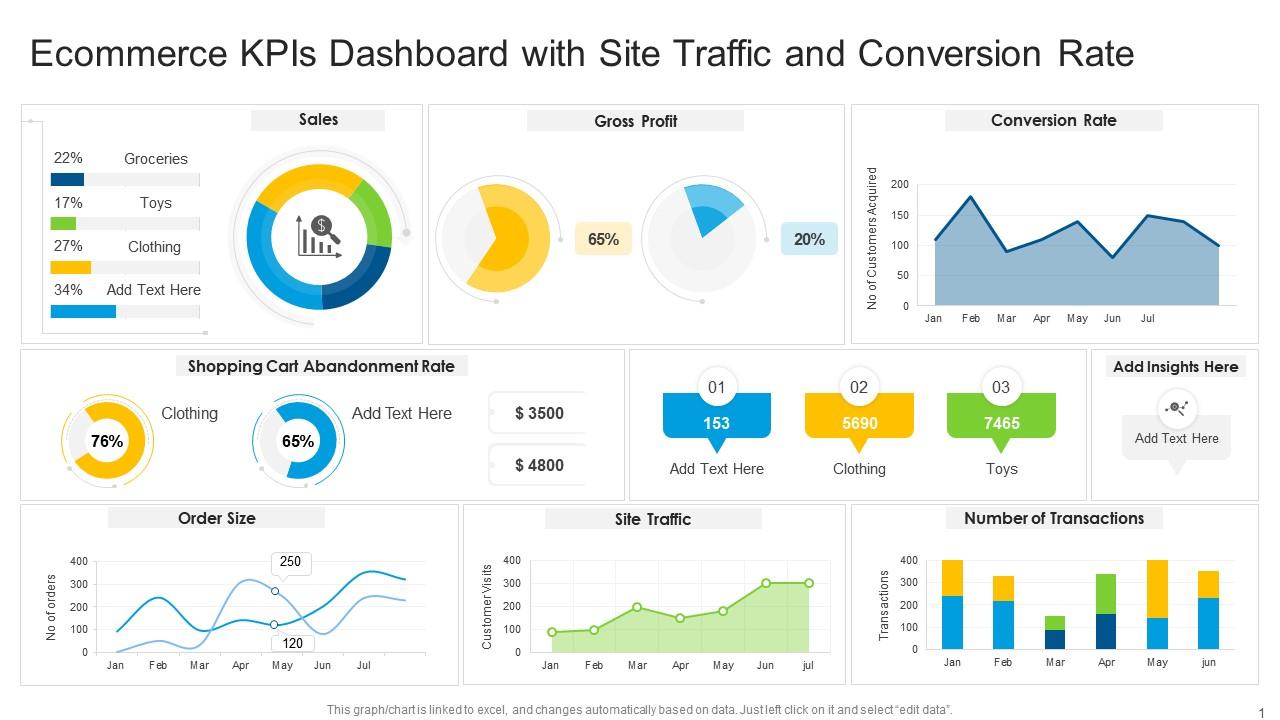
The metrics that actually matter? Blog-to-store conversion rate (aim for 2-5%), average order value from blog visitors, and customer lifetime value segmented by content topic. Attribution's Shopify integration shows every touchpoint in the customer journey—not just last-click attribution—revealing which blog topics drive buyers versus browsers.
Track content velocity against revenue impact. If you're publishing 30 AI articles monthly through Seo-Writer but only 5 drive conversions, you've found your winners. Double down there. Most importantly, measure time-to-rank: 39% of marketers report AI-generated content takes 2-3 months to rank—set your ROI expectations accordingly and track keyword movement weekly, not daily.
The Complete SEO Writer Shopify Guide for seo-writer.ai (2026)
Every Shopify store owner faces the same brutal reality: your competitors are publishing content faster than you can type. While you're manually crafting one blog post per week, brands using AI automation are flooding Google with 30+ optimized articles monthly—and they're ranking for it. The gap isn't closing; it's widening.
Here's what changed in 2026: AI Overviews dominate 11% of all searches, pushing traditional organic listings below the fold. Sites with massive authority get cited in these summaries 2.3x more often than smaller stores. Manual content creation can't compete with that velocity anymore—not when algorithms reward both volume and freshness. This guide shows you exactly how Seo-Writer transforms your Shopify blog into a traffic-generating machine on autopilot, from installation to your first 10,000 visitors. You'll learn the three-step process that automates keyword research, content planning, and daily publishing—plus the critical mistakes that tank AI content (and how to avoid them).
Conclusion: Your 30-Day Content Automation Blueprint
Most Shopify stores treat AI content like a lottery ticket—publish some articles and hope for traffic. That's not a strategy. The stores seeing 127% traffic increases and $4,580+ in blog-driven revenue follow a specific playbook: they analyze competitors to find winnable keywords, build strategic content calendars around buyer intent, and let automation handle the heavy lifting while they focus on conversions.
Your 30-day plan starts today. Install Seo-Writer from the Shopify App Store (20 minutes), connect your product catalog, and let the AI analyze your niche for high-traffic, low-competition keywords. Week one focuses on setup and publishing your first five automated articles targeting bottom-funnel buyer keywords. By week three, you'll see the compound effect kick in—organic traffic starts climbing, product pages gain authority from internal links, and your first blog-attributed sales appear in Shopify Analytics.
The competitive advantage isn't just speed—it's strategic automation. While your competitors manually research keywords and write posts, you're scaling content production to match search demand. Track blog-to-store conversion rate weekly, double down on topics that drive revenue, and adjust your content calendar based on what actually sells. The stores that win in 2026 aren't the ones with the biggest content teams; they're the ones who automated smartest. Start your free trial today and publish your first automated post by tomorrow morning.