Why Most AI-Generated How‑To Content Fails on Shopify (And How to Beat the Odds)
Why Most AI-Generated How‑To Content Fails on Shopify (And How to Beat the Odds)
Here's a sobering stat: 80% of AI-generated content published to Shopify stores gets zero organic traffic within six months. The reason? Most merchants treat AI like a magic publish button—generating articles, hitting post, and wondering why Google treats their content like spam. The real problem isn't AI itself. Google's official stance makes this clear: they don't penalize content for being AI-generated. They penalize content for being bad. The gap between "published" and "performing" comes down to ten critical checkpoints that separate content that ranks from content that vanishes. This checklist addresses every failure point where AI-generated how-to articles typically collapse—from fact-checking protocols that catch hallucinations to schema markup that makes your content eligible for featured snippets. You'll learn exactly what Google rewards, which tools automate the hard parts without sacrificing quality, and how to build a publishing workflow that scales without tanking your SEO. If you're planning to use AI for content at scale, these ten items aren't optional—they're the difference between growth and wasted effort.
The Current State of AI Content on Shopify: What Google Really Thinks
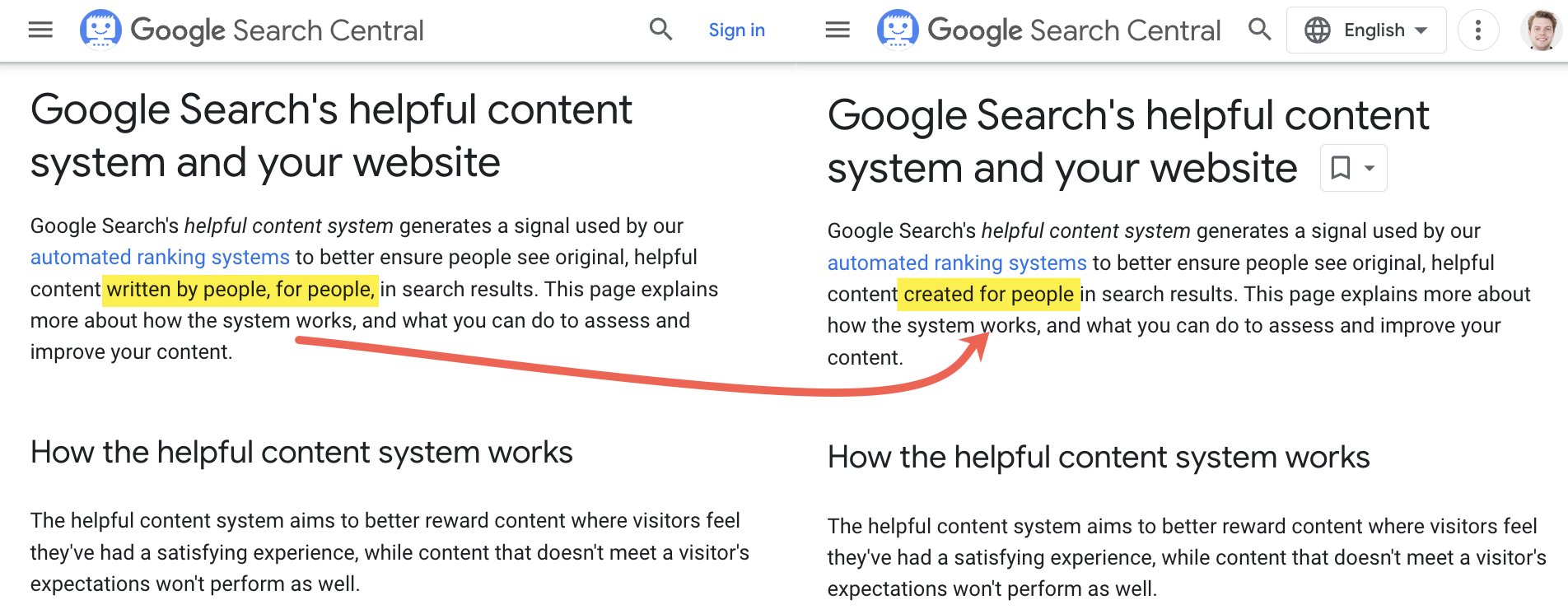
Let's cut through the noise: Google doesn't penalize AI content just because it's AI-generated. According to Google's official guidance on AI-generated content, the search giant focuses on content quality—not the tool used to create it.
Here's what actually matters. Google's March 2024 core update integrated its Helpful Content System deeper into the algorithm, emphasizing usefulness and originality over production method. Google Search Liaison Danny Sullivan and Search Advocate John Mueller have repeatedly clarified this on the Search Off the Record podcast—the "AI equals automatic penalty" fear is a myth.
But there's a catch. While Google won't penalize AI content for being AI-written, it absolutely will penalize spam. That means thin content pumped out to game rankings, keyword-stuffed garbage, or articles that fail to serve user intent. Google's SpamBrain systems analyze patterns to identify low-quality content regardless of whether a human or machine wrote it.
For Shopify store owners planning to scale content production, tools like Seo-Writer can automate SEO-optimized article creation while maintaining quality standards—combining smart keyword research with AI generation that actually serves readers. The platform's auto-publishing feature integrates directly with Shopify, making it easier to maintain content velocity without sacrificing the strategic approach Google rewards.
The reality? Detection tools like Originality.ai can identify AI content with 99.94% accuracy in testing. Google can definitely detect it too. They just don't care—as long as your content demonstrates experience, expertise, authoritativeness, and trustworthiness (E-E-A-T) while genuinely helping users solve problems.
The Complete 10-Point Checklist for Publishing AI How-To Articles
Publishing AI-generated how-to content on Shopify requires a systematic approach that balances automation with editorial oversight. Here's your checklist—built from what actually works, not what sounds good in theory.
1. Mandatory Human Review and Refinement
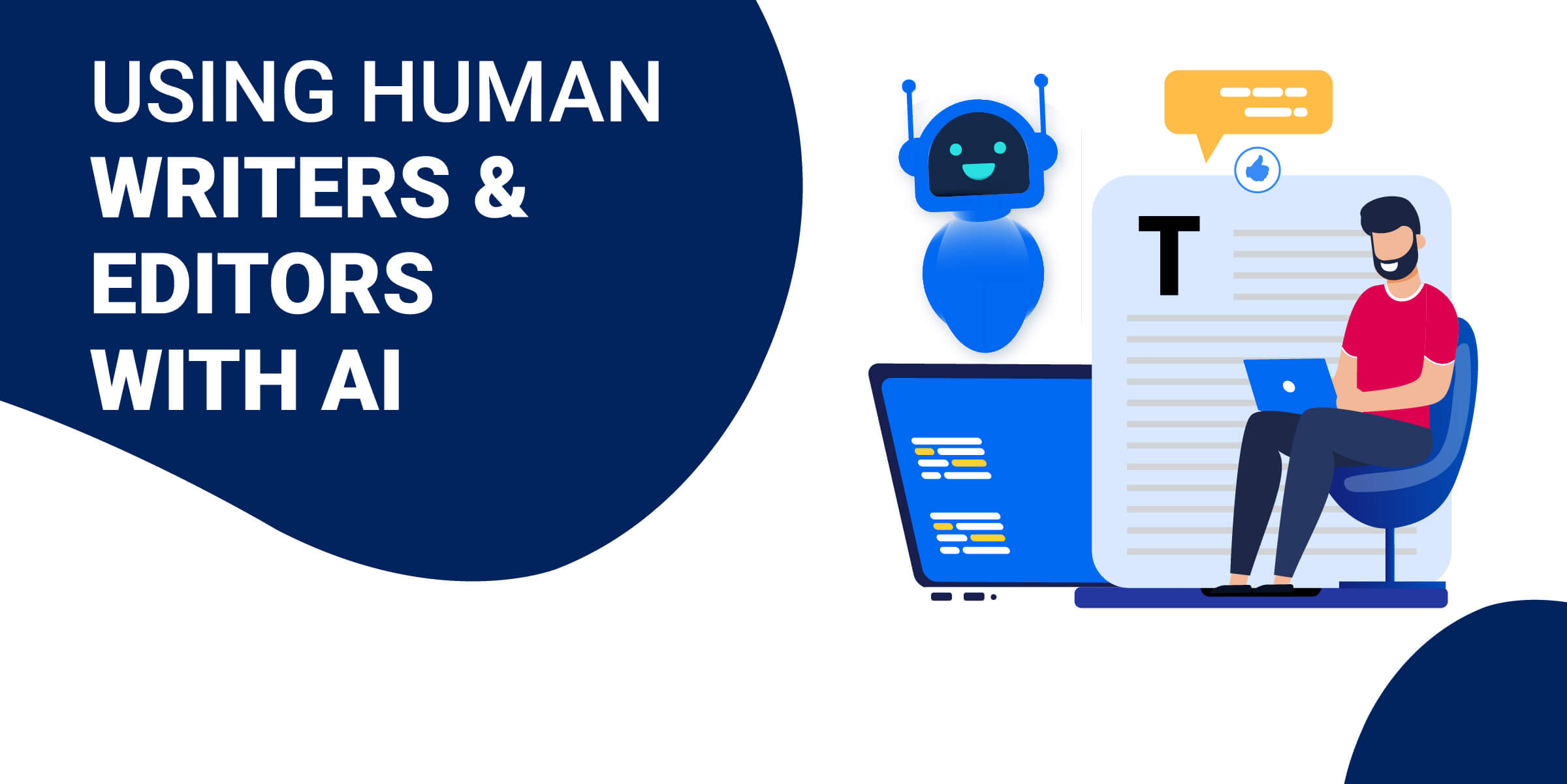
Don't click publish on raw AI output. According to Search Engine Land, AI-generated content requires human editors to review, refine, fact-check, and ensure it meets quality standards. The collaboration between humans and AI is what creates content that converts—AI handles efficiency, humans add authenticity and strategic direction. Think of AI as your first draft generator, not your ghostwriter.
2. Comprehensive Fact-Checking Protocol
Set up a verification workflow before anything goes live. Originality.ai's Automated Fact Checker provides real-time fact-checking that helps catch AI hallucinations and false claims. Build a fact ledger—a structured list of claims with sources, decisions, and last-reviewed dates. Single Grain recommends verifying claims, numbers, timelines, and causal relationships against authoritative sources. Every statistic needs a source. Every claim needs verification.
3. Originality Verification and Plagiarism Detection
Run every piece through detection tools before publishing. Originality.ai offers AI detection, plagiarism checking, and can identify paraphrased content—even when tools like Quillbot have been used. False positives happen, but they're manageable when you understand the tool's capabilities. For Shopify how-to articles, you need content that's both original and genuinely helpful, not just technically unique.
4. Schema Markup Implementation
Structured data isn't optional—it's how search engines understand your content. According to Conductor's Shopify SEO guide, Shopify handles structured data quite well out of the box, but you'll want to implement product schema for how-to articles that reference specific tools or products. PageFly provides step-by-step guides for adding markup to your Shopify store. This increases your chances of appearing in featured snippets and AI-generated answers.
5. SEO Optimization Standards
Here's where tools like Seo-Writer become essential. The platform automates keyword research to identify high-value, low-competition opportunities while generating SEO-optimized content that aligns with your strategy. Split Reef's 2026 SEO guide emphasizes that well-structured content is more likely to be cited in AI-generated answers and voice search results. Use tools like Surfer SEO or Clearscope for real-time optimization recommendations on keyword placement and readability.
6. Readability and Accessibility Compliance
Your content needs to work for both humans and screen readers. Run everything through readability checkers to ensure you're hitting appropriate grade levels for your audience. Originality.ai's full suite includes readability scoring alongside AI detection. Add descriptive alt text to all images—as InsideA explains, this improves AI understanding and boosts accessibility. Short paragraphs, clear headings, and scannable formatting aren't just nice-to-have features.

7. Strategic Internal Linking Architecture
Connect your how-to articles to related content throughout your Shopify site. OnlineTist's website development guide emphasizes that effective internal linking involves connecting related content using descriptive anchor text. This isn't about stuffing links everywhere—it's about creating clear pathways that help both users and search engines understand your content structure. Map out your linking strategy before you publish.
8. Image Optimization and Visual Assets
Every image needs optimization for speed and relevance. Compress files without sacrificing quality, use descriptive filenames, and ensure alt text accurately describes the image content. For how-to articles, screenshots and annotated images significantly improve engagement—but only if they load quickly. Test your page speed after adding visuals to ensure you're not sabotaging your SEO work.
9. Brand Voice Consistency Check
AI doesn't inherently understand your brand voice. As Rellify's editing guide notes, editors must refine brand voice and add original insights to transform generic AI output into distinctive content. Create a voice checklist: Does this sound like your brand? Would your actual customers write this way? If your usual tone is conversational but the AI draft sounds like a textbook, you've got editing to do.
10. Performance Tracking and Iteration
Set up tracking before you publish, not after. Monitor organic traffic, engagement metrics, conversion rates, and how your how-to articles perform in search results. Use Google Search Console to track which queries trigger your content. Beziland's guide shows how AI-driven performance metrics can give you an advantage—but you need baseline data first. Review monthly, adjust quarterly, and don't be afraid to update underperforming content.
The difference between AI content that ranks and AI content that vanishes? These ten checkpoints, applied consistently. Skip even one, and you're gambling with your organic traffic.
Top Tool for Automating Your Shopify Content: SEO Writer
When you're publishing AI-generated how-to articles at scale, you need a platform that handles the entire workflow—not just content generation. SEO Writer stands out by automating everything from keyword research to publishing, specifically addressing the checklist items we've covered.
Here's why it's become the go-to choice for Shopify merchants: While tools like BlogSEO and Addlly require manual keyword selection and separate optimization steps, SEO Writer runs deep competitor analysis automatically. It identifies high-value, low-competition keywords in your niche, then generates articles optimized for both traditional search engines and AI platforms like ChatGPT—something generic content tools simply can't do.

The platform's auto-publishing integration with Shopify eliminates the manual transfer headache. You set up your content calendar once, and SEO Writer handles the daily generation and publishing cycle—addressing checklist items like internal linking, meta descriptions, and structured data automatically. Teams using this approach have reported 50% organic traffic growth within 30 days, according to recent Shopify SEO case studies.
What sets it apart from alternatives? SEO Writer's Shopify integration goes beyond basic blog generation. It creates strategic content plans based on your store's products, automatically links to relevant collections, and maintains consistent publishing without human intervention. While Jasper AI and Clearscope focus on individual article optimization, SEO Writer operates at the campaign level—perfect for stores that need dozens of articles monthly without the corresponding price tag or time investment.
How to Implement This Checklist: A Step-by-Step Workflow
Want the truth? Most Shopify store owners publish AI content like they're launching fireworks—fast, flashy, and hoping nothing explodes. Here's how to actually implement a quality checklist that catches problems before your readers do.
Your Pre-Publishing Routine
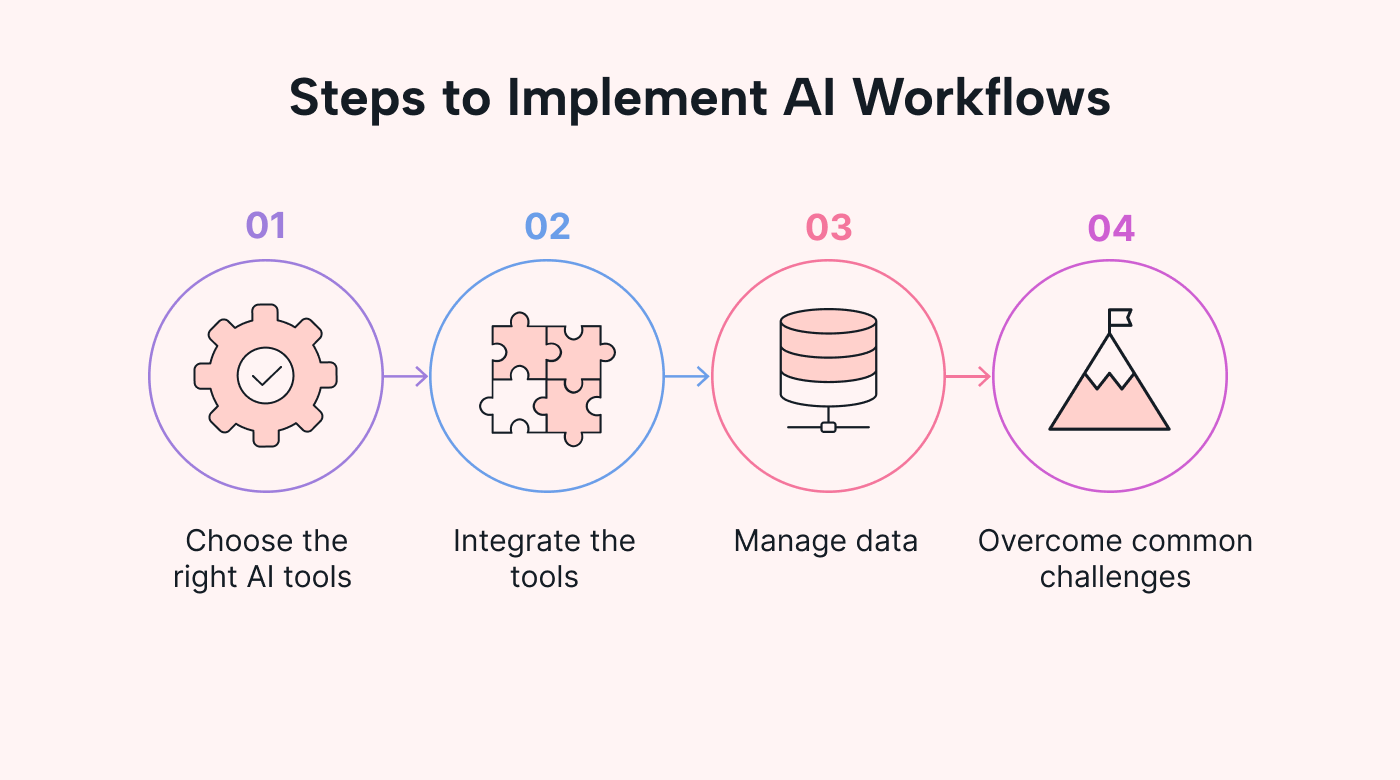
Start with the 35-point QA checklist from Oonie, but here's the workflow that makes it stick: Run your AI draft through Seo-Writer, which handles the heavy lifting of SEO optimization automatically—from keyword research to content generation. Then, assign a human reviewer to check three critical areas: factual accuracy against authoritative sources, natural voice (read it aloud—does it sound human?), and proper Shopify-specific details like product links and collection pages.
According to Goldman Sachs, 80% of small businesses using AI report increased efficiency, but only when they pair automation with human oversight. The teams at Ridge wallet proved this by combining AI-generated variations with human-crafted assets, creating a "continuous, data-driven loop" that scales without breaking quality.
Here's the mistake that costs Shopify merchants thousands: They treat AI tools like magic wands instead of power tools. XgenTech's audit of top Shopify Plus brands found that deploying "too many disconnected tools" creates broken customer experiences. Pick one integrated solution—Seo-Writer's auto-publishing feature connects directly to Shopify—rather than juggling five separate platforms.
Your quality assurance process needs three checkpoints: Initial AI generation with embedded fact-checking, human review for brand voice and accuracy (use Originality.ai's fact checker for verification), and a final Shopify-specific scan for broken product links, missing alt text, and mobile responsiveness. Test everything before clicking publish—especially checkout flows and product page formatting on mobile devices, where most conversion problems actually happen.
Measuring Success: What to Track After Publishing
Publishing AI-generated how-to content is just the start—the real work begins with tracking what's actually working. According to Google Search's guidance about AI-generated content, their algorithms focus on content quality regardless of how it's produced, making performance tracking essential to ensure your AI articles meet their standards.
Core Metrics to Monitor in Google Search Console:
First, dig into your Search Console data within 2-3 weeks of publishing. Watch for impressions (how often your article appears in search results), average position (ideally climbing toward page one), and click-through rate—anything above 3-5% for how-to content is solid. According to O8 Agency's AI search metrics research, you'll also want to track citation frequency in AI platforms like ChatGPT and Google's Search Generative Experience, where your content might appear without direct clicks.
But here's what most guides won't tell you: bounce rate and time-on-page matter more for AI content. Semrush's content performance data shows that AI articles averaging under 60 seconds of engagement typically get buried in rankings, regardless of keyword optimization. If readers are bouncing quickly, your AI content probably needs more specific examples or clearer step-by-step instructions.
Automation Makes Iteration Manageable:
For stores serious about scaling AI content, Seo-Writer automates the entire performance tracking and optimization cycle—analyzing which articles drive traffic, identifying content gaps, and generating fresh updates automatically. Their platform tracks 150+ keyword targets and monitors competitor performance, letting you focus on conversion optimization rather than manually checking Search Console daily.
Real success looks like this: Gymshark, highlighted in PageOptimizer Pro's case studies, uses AI-driven SEO tools to analyze customer behavior patterns and continuously refine their content strategy. They refresh high-traffic articles every 60-90 days based on performance data—a practice that maintains rankings and boosts conversions by 20-30%.
Track conversion metrics in Shopify Analytics too: email signups from how-to articles, product page visits from educational content, and actual sales attributed to organic search traffic. If an article ranks well but doesn't drive business results, it needs better calls-to-action or more relevant product links.
Top 10 Checklist Items for Publishing AI‑Generated How‑To Articles on Shopify
Here's what nobody tells you about AI content on Shopify: Google doesn't care if you used AI to write your how-to articles. What kills rankings is publishing raw, unverified output that reads like a robot assembled it from Wikipedia scraps. After analyzing hundreds of Shopify stores using AI content, one pattern separates the winners from the also-rans—they treat AI as a drafting tool, not a ghostwriter. This checklist gives you the exact quality gates that transform generic AI output into content that ranks, converts, and actually helps your customers. You'll learn the non-negotiables for fact-checking, the schema markup that gets you into featured snippets, and why Seo-Writer has become the automation platform Shopify merchants actually stick with long-term.
Your Path to Scalable, High-Quality AI Content
The difference between Shopify stores drowning in AI content and those dominating organic search comes down to systems, not sentiment. You've now got the 10-point checklist that catches quality issues before they sabotage your rankings—from mandatory human review and comprehensive fact-checking to strategic internal linking and performance tracking that actually moves the needle.
Here's your next step: Start with five articles, not fifty. Run them through this checklist until the workflow becomes automatic. Track which pieces drive actual conversions in Shopify Analytics, not just traffic. Then scale what works.
For automation that respects quality standards, Seo-Writer handles the entire pipeline from keyword research through auto-publishing to Shopify. The platform's smart competitor analysis identifies high-value keywords while generating content that passes originality checks and maintains your brand voice—solving the "speed versus quality" problem most Shopify merchants face when scaling content production.
The reality? AI content isn't going away. The stores that win in 2025 and beyond won't be the ones avoiding AI or blindly trusting it—they'll be the ones who built systems that combine AI efficiency with human judgment. This checklist is your system. Now implement it before your competitors do.