Introduction: The Hidden SEO Goldmine Your Shopify Team Is Missing
Introduction: The Hidden SEO Goldmine Your Shopify Team Is Missing
70% of search traffic comes from long-tail keywords—yet most Shopify stores still chase impossible head terms and wonder why they're not ranking. Here's the real problem: you're playing a game where the rules changed in March 2024, and nobody sent you the memo.
Google's largest algorithm shift in history gutted stores relying on keyword-stuffed product descriptions and thin content. The stores that survived? They understood something crucial: Shopify SEO isn't just traditional SEO with an e-commerce twist. It's a completely different beast with unique technical landmines—duplicate URLs from collections, orphan products buried six clicks deep, and performance issues that kill rankings before you even start.
This guide reveals 11 battle-tested practices specifically for AI-powered teams managing Shopify stores at scale. You'll learn exactly how to fix Shopify's hidden SEO traps, automate content creation that actually converts, and structure your store so Google can't help but rank your products. Because in 2025, competing for visibility across AI-generated summaries, voice searches, and traditional results simultaneously isn't optional—it's survival.
Why Shopify SEO Matters More Than Ever in 2025
The March 2024 Core Update changed everything. Google's largest algorithm shift in history targeted low-quality content and AI-generated fluff—and Shopify stores felt it hard. If you're still following SEO playbooks from 2022, you're already behind.
Here's what actually changed: Google now prioritizes genuinely useful content over SEO-driven content. That means your keyword-stuffed product descriptions and thin blog posts aren't just underperforming—they're actively hurting your rankings. The 2024 updates rolled out four core changes and three spam crackdowns, each one tightening the noose on content that doesn't serve real user needs.

But the real shift isn't just about what Google penalizes—it's about where search is happening. 40% of voice assistant users now search for product details through AI tools like ChatGPT and Google's AI Overviews. Your products need to show up in these conversational results, not just traditional SERPs.
Shopify presents unique challenges that generic SEO strategies miss entirely. Duplicate content from auto-generated tags, collection pages competing with product pages, and technical debt from default settings—these issues kill rankings before you even start. Traditional SEO agencies don't get this because they're not living in your admin panel.
The opportunity? AI-powered content teams who understand both Generative Engine Optimization and Shopify's technical quirks. Tools like Seo-Writer now automate the creation of SEO-optimized blog content that actually ranks—analyzing your products, competitors, and keywords to generate articles that drive qualified traffic directly to your store. Because in 2025, you're not just competing for rankings. You're competing for visibility across AI-generated summaries, voice searches, and traditional results simultaneously.
Best Practice #1-3: Foundation Setup That Actually Moves the Needle
1. Site Architecture: The 3-Click Rule (And Why Most Stores Break It)
Here's what most Shopify guides won't tell you: the "3-click rule" isn't about clicks—it's about crawl depth and link equity distribution. According to Shopify's Internal Linking Guide, internal links act like directional signs for search engines, helping them understand page importance and site structure.
The problem? Many Shopify stores create orphan products that sit 5-6 clicks deep from the homepage. When Charle's 2026 Shopify SEO audit analyzed stores, weak internal linking consistently appeared as a top issue—directly correlating with poor rankings.
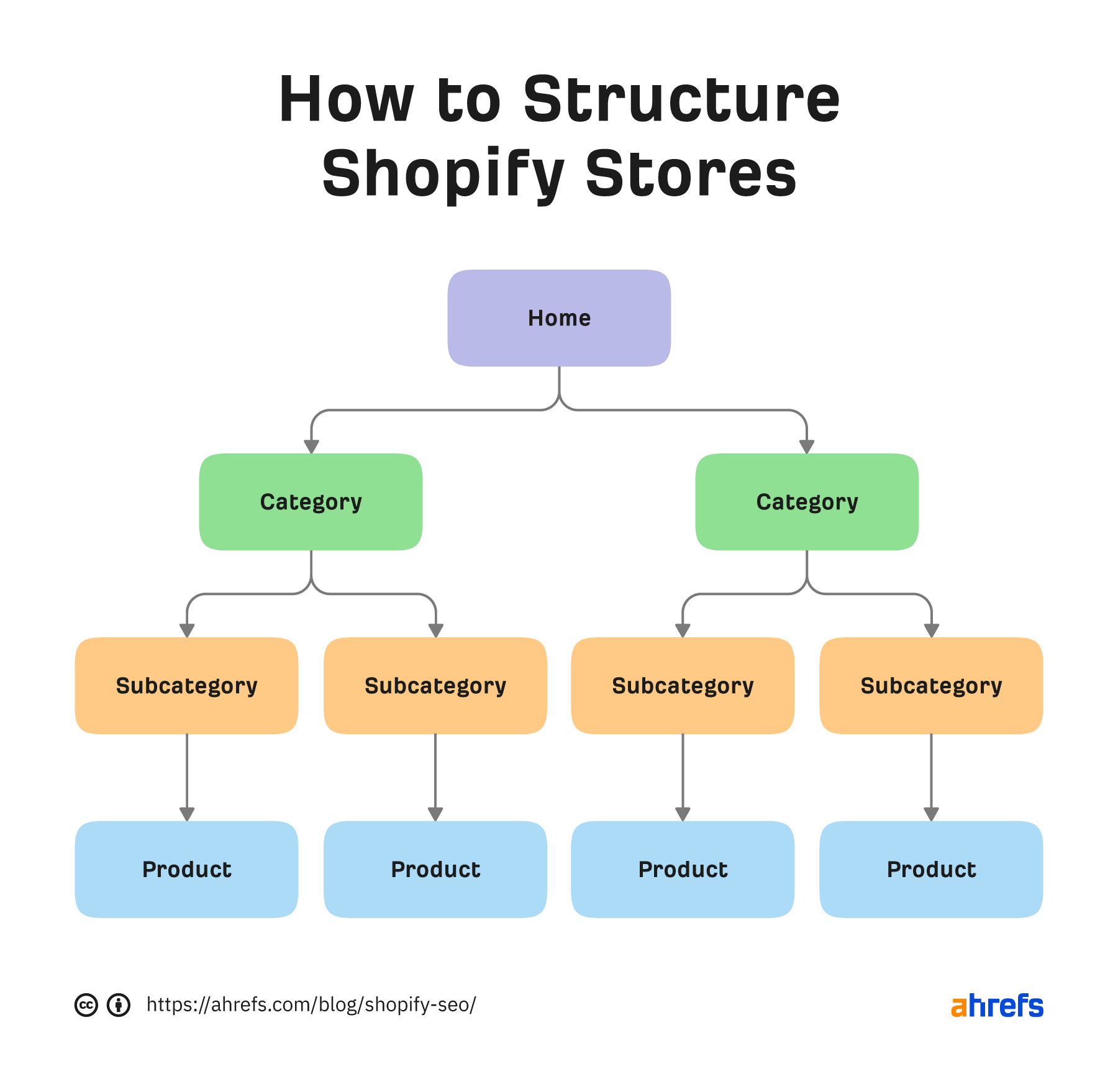
Think of it like water pressure. Your homepage has the highest authority, and internal links are the pipes that distribute that authority to products. Every additional click dilutes that pressure. Best practice: ensure every product is accessible within 3 clicks from the homepage through strategic collection pages and category hierarchies.
For teams managing content at scale, Seo-Writer can help maintain consistent internal linking by analyzing your niche, identifying strategic keyword opportunities, and creating interconnected blog content that strengthens your site architecture—all on autopilot.
2. URL Structure: Shopify's Hidden Duplicate Content Trap
Shopify's default URL structure creates a SEO landmine that catches even experienced merchants. When you add a product to multiple collections, Shopify creates secondary URLs like /collections/winter-gear/products/wool-sweater alongside the canonical /products/wool-sweater.
The fix requires discipline: always use the /products/ URL structure for internal links and product feeds. According to SEOWILL's optimization guide, you must implement canonical tags pointing to the main product URL—and avoid linking to collection-based URLs in navigation.
Real example: When editing product handles in Shopify admin, the platform automatically generates a URL-friendly version. Change "Organic Cotton T-Shirt 2024" to just "organic-cotton-tshirt" before publishing. SEOpilot's research shows that URLs with 3-5 words, using hyphens and including primary keywords, perform best. And if you must change a URL post-launch? Navigate to Settings > URL Redirects to prevent 404 errors.
3. Theme Selection: Performance Data That Actually Matters
Most merchants choose themes based on aesthetics. Smart ones check Shopify's Core Web Vitals data first. The difference is stark: modern OS 2.0 themes like Dawn, Impulse, and Prestige score 85-90%+ pass rates on Google's performance metrics, while older themes like Monaco struggle at just 44.7%.
According to Uptek's 2026 theme statistics, Dawn dominates as the #1 free theme for good reason—it's lightweight, regularly updated, and maintained by Shopify itself. But here's the catch: SheroCommerce's speed benchmarks reveal that nearly half of Shopify stores still fail at least one Core Web Vital, typically due to app bloat on top of an already-heavy theme.
The rule: Start with a lightweight theme (Dawn for most stores, Impulse for high-volume catalogs needing advanced filtering). Then—and this is critical—add apps strategically. Every additional script, chat widget, and recommendation engine compounds performance issues. As CommerceRank's theme comparison tool shows, choose themes with performance scores above 70 for your category, then protect that score ruthlessly.
Best Practice #4-6: Content & Keyword Optimization for AI-Powered Teams
Best Practice #4: Strategic Keyword Research Beyond Basic Tools
Here's what most SEO guides won't tell you: 70% of all search traffic comes from long-tail keywords, yet teams still obsess over high-volume head terms. Modern keyword research requires layering multiple data sources—not just picking keywords from a single tool.
Start by combining traditional tools (Ahrefs, Semrush) with AI-powered platforms that analyze user intent and semantic relationships. ChatGPT and similar AI tools can identify question-based keywords that haven't hit mainstream tools yet—the zero-competition goldmines.
The real opportunity? User-intent mapping. Don't evaluate keywords by search volume alone. According to ResultFirst's 2026 analysis, focusing on search intent, SERP competition, and conversion potential reveals keywords that actually drive revenue. For AI-powered teams, this means feeding intent data into your content pipeline so every article targets commercial keywords, not just informational ones.
Best Practice #5: Collection Page Optimization (The Overlooked Revenue Driver)
Most Shopify stores treat collection pages as a product grid—and leave thousands in monthly revenue on the table. Break The Web's analysis of 100+ collection page optimizations found that stores ranking #1 for competitive category terms all have substantive content on their collection pages.
The problem? Your product page ranks for "organic cotton t-shirt," but the collection page that should rank for the 10,000-searches-per-month category keyword—"sustainable clothing"—has zero text content. Add 300-500 words of category-focused content above or below your product grid, include internal links to related collections, and implement breadcrumb navigation.
For teams managing hundreds of collections, platforms like Seo-Writer can automate this process by analyzing your competitors' collection pages, identifying keyword gaps, and generating optimized category descriptions that get published automatically. The platform handles the analysis, planning, and content creation—you just review and approve.
Best Practice #6: Product-Level SEO with Metadata Automation at Scale
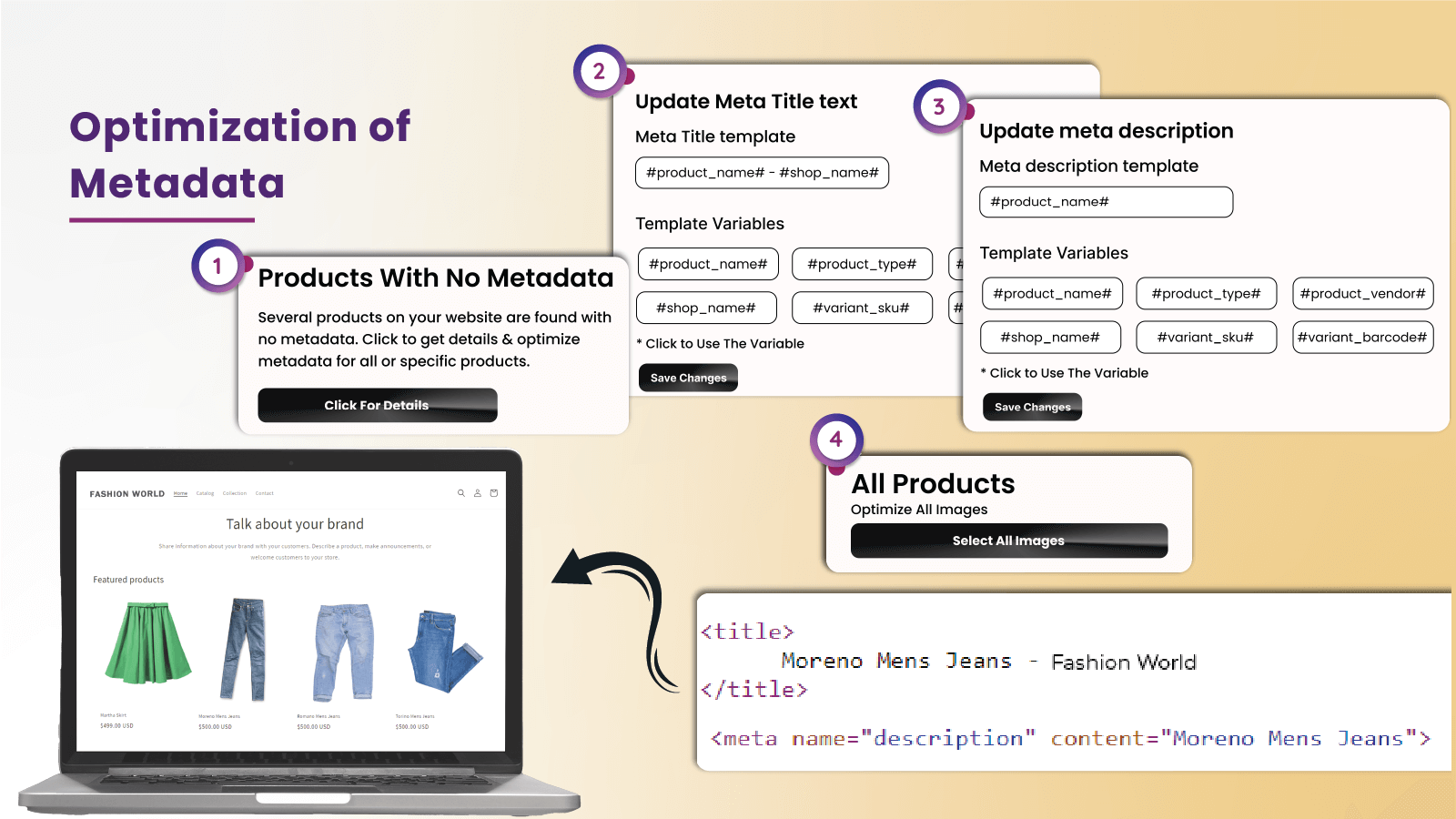
If you're managing 5,000+ products, manually optimizing metadata isn't just tedious—it's impossible to maintain quality. SEOpilot's case studies show that automated tools can pull product details directly from Shopify and fill SEO templates, ensuring every product has unique, optimized meta titles and descriptions.
The key is template-based automation with variable fields. Create templates like: "[Product Name] | [Key Feature] | Free Shipping" for titles and "Shop [Product Type] with [Unique Selling Point]. Available in [Variants]" for descriptions. Modern AI tools analyze your existing top-performing products, identify patterns, and replicate that success across your entire catalog—without generic filler text.
Combine this with schema markup for products, reviews, and pricing. Shopify automatically generates some schema, but AI-powered teams layer additional structured data for FAQs, how-to content, and breadcrumbs to capture featured snippets and Google AI Overview placements.
Best Practice #7-8: Why Seo-Writer Transforms Shopify Content Creation
Most Shopify teams hit the same wall: you know you need consistent blog content for SEO, but writing quality articles every week—or worse, every day—just isn't realistic. That's where automated, strategically-planned content generation changes the game.
Best Practice #7: Automate High-Quality SEO Content Generation
Seo-Writer handles the entire content creation workflow that typically consumes 10-15 hours per article. The platform analyzes your competitors' content strategies, identifies keyword gaps they're missing, and researches market trends in real-time. Instead of manually researching 150+ potential keywords, the system flags high-traffic, low-competition opportunities and generates optimized articles around them.
Here's what makes this approach work: the AI doesn't just spit out generic content. It studies actual competitor performance, understands semantic search patterns, and builds articles optimized for featured snippets. According to Top 12 AI SEO Tools for Shopify Content Creation, stores using AI-powered automation platforms are pushing conversion rates past 2.5%—well above the 1.4% industry average.
Best Practice #8: Strategic Content Calendar Planning
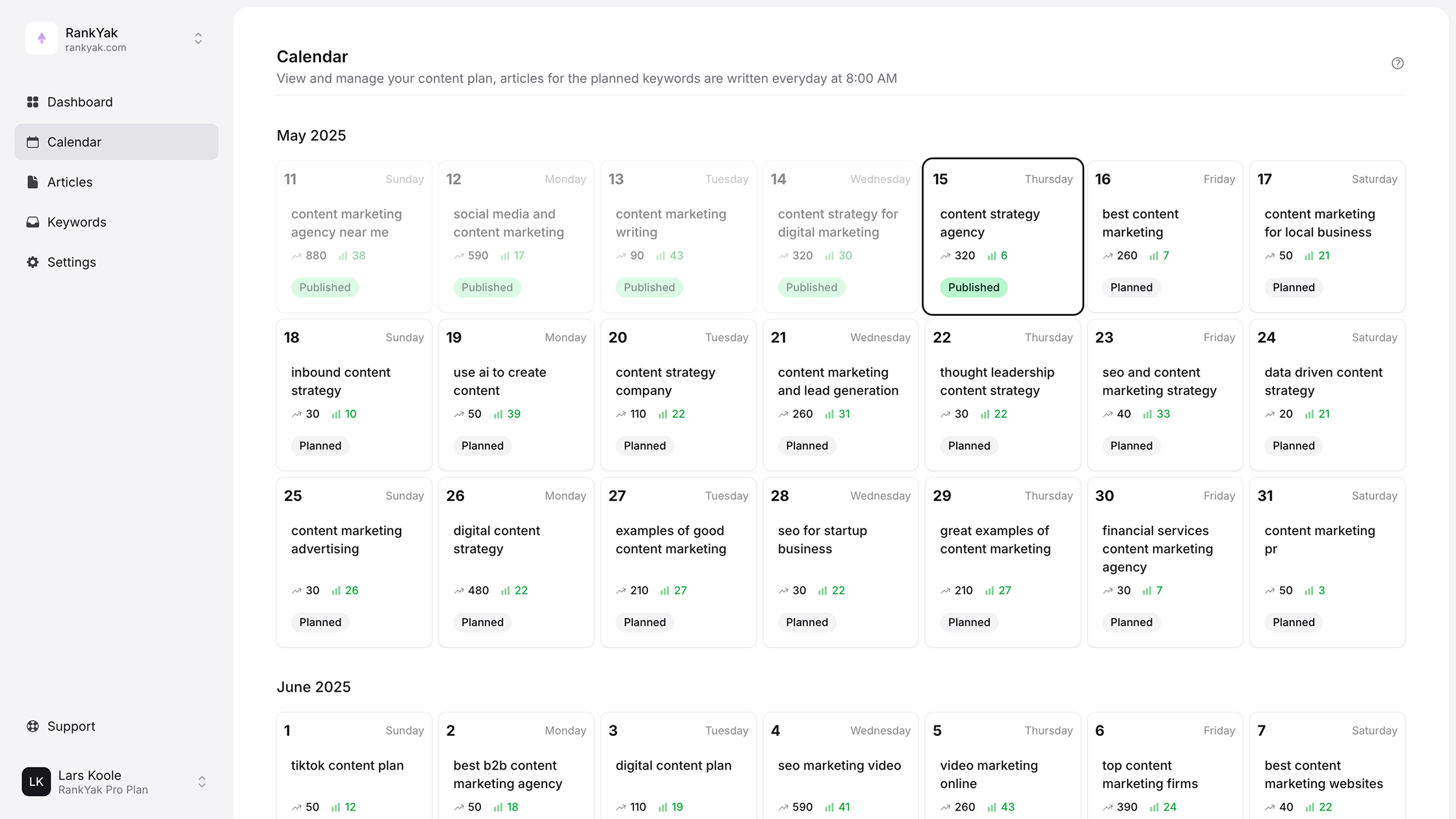
Random blog posts won't move the needle. Seo-Writer creates a strategic 30-day content calendar where each day focuses on a specific key phrase with proven traffic potential. The platform clusters related topics together for stronger topical authority and auto-publishes articles on schedule—even while you sleep.
The real efficiency gain? Teams using automated content workflows report 59% faster creation times and 77% higher output volume. With over 10,000 articles already published through the platform, it's the difference between hoping for organic traffic and engineering it systematically.

Best Practice #9-11: Technical Excellence & Performance Optimization
Best Practice #9: Master Image Optimization with Strategic Alt-Text
Here's what most Shopify guides won't tell you: image optimization isn't just about making files smaller—it's about balancing three competing priorities at once. Teams at Seo-Writer have found that proper image optimization can reduce page weight by 60-70% while actually improving visual quality through smart format choices.

Start with the formats that matter: WebP for product thumbnails at 70-75% quality, JPEG for hero images where compatibility matters, and AVIF when you need maximum compression with quality retention. Tools like TinyIMG automatically handle conversion and serve the right format to supported browsers—pricing starts around $19/month and typically pays for itself in conversion lift.
Alt-text isn't keyword stuffing territory. Keep descriptions under 125 characters and make them genuinely descriptive: "Black leather Chelsea boots with side elastic panels" beats "buy boots online shop now" every time. Shopify includes images in your product XML sitemap automatically, but search engines can't see the images—they read your alt-text. Each product image needs unique alt-text that describes what makes that specific angle or detail relevant.
The biggest mistake? Uploading 3000×3000px images straight from your supplier and letting Shopify's automatic compression handle everything. You're leaving 40-50% faster load times on the table. Pre-optimize with ImageOptim or TinyPNG before upload, then implement lazy loading for off-screen images through your theme code or an app. This combination delivers the dramatic improvements in Core Web Vitals that Google actually rewards in rankings.
Best Practice #10: Build Internal Linking That Distributes Authority
Internal linking is genuinely one of the most underutilized SEO strategies in ecommerce. A single template change linking product pages back to their parent collection creates thousands of authority-passing links instantly. Yet most Shopify stores treat internal linking as an afterthought—if they think about it at all.
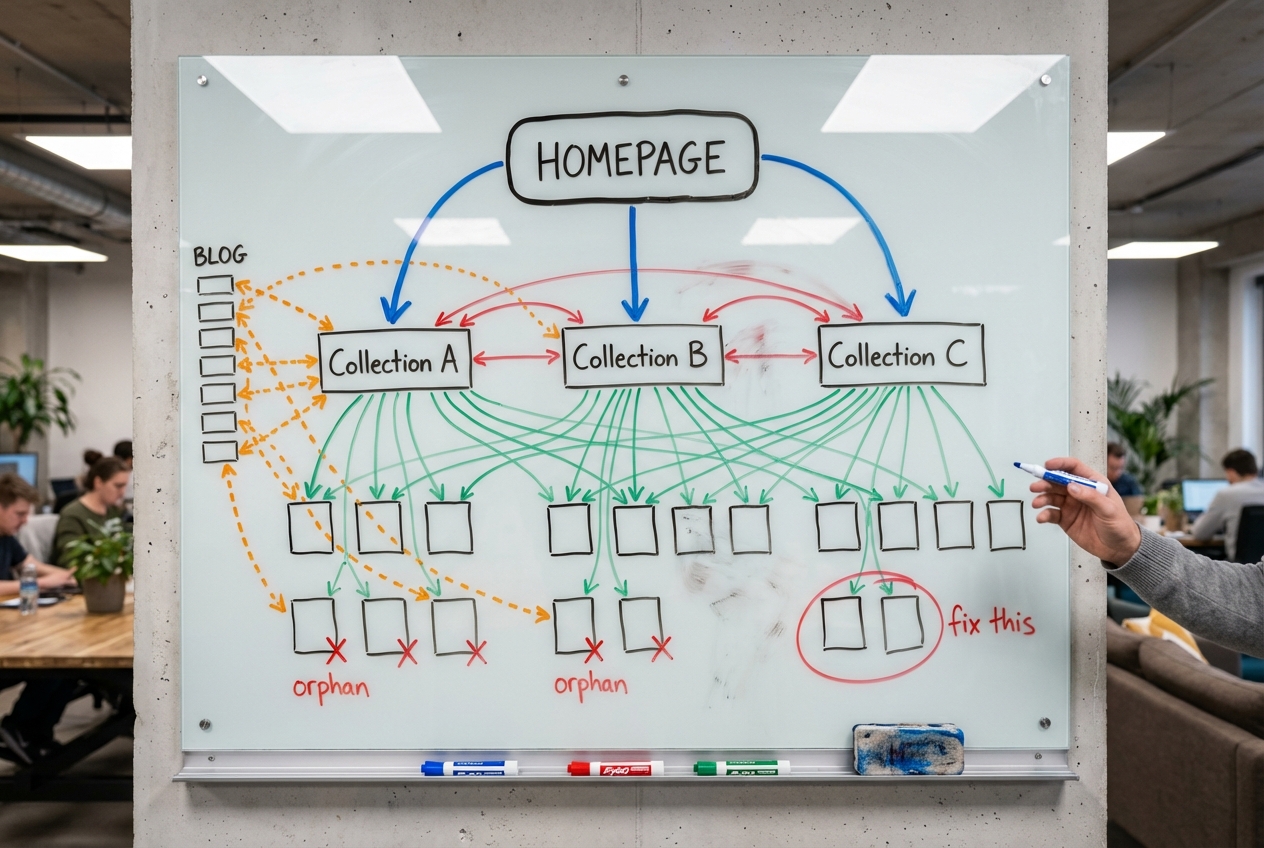
Your homepage carries the most authority. Link from it to your most important collection pages—the ones targeting bottom-of-funnel keywords where purchase intent is highest. Then ensure those collection pages link to specific products with natural anchor text that varies. We've seen stores rank 100+ product pages with minimal additional content just by fixing their internal architecture.
The pattern that works: collection pages should have 1-2 links to related collections, 3-5 links to featured products, and contextual links within description copy. Every blog post needs 1-2 links to relevant collections and 1-2 to specific products. Product pages link back to their parent collection—this alone can create thousands of strategic links with one theme modification. Aim for 2-4 relevant internal links per page for product or category pages.
The mistake that kills rankings: linking to non-canonical URLs. Facets and filters spawn duplicates, and when your collection page links to product?variant=123 instead of the canonical product URL, you're diluting authority across duplicate pages. Audit your collection templates and fix these systematically. Stores that structure internal linking properly often see ranking improvements across hundreds of pages simultaneously—without creating any new content.
Best Practice #11: Leverage Search Console Data for Continuous Wins
Google Search Console isn't just a reporting tool—it's your roadmap to compounding SEO gains. The stores that consistently outperform competitors aren't just looking at pretty graphs; they're extracting specific action items every week and implementing them systematically.
Start with the Performance report. Sort by impressions but filter for positions 11-20. These pages already rank—they just need a push. Add 200-300 words of unique content to the collection description, implement strategic internal links from your blog, and ensure proper schema markup. This targets the fastest wins: pages that can jump to page one with minimal effort.
The Coverage report reveals indexing issues most stores don't know they have. Pages with no internal links, canonical problems from filter URLs, and soft 404s all show up here. Export the list monthly and systematically fix issues. One common problem: collections and blogs linking to non-canonical product variant URLs instead of the main product page. This fragments your authority and confuses search engines about which page should rank.
Query analysis drives content strategy. Export queries with 100+ impressions but below 5% CTR—these signal ranking opportunities where your meta descriptions need work or your content doesn't match intent. Compare this data quarterly to track which collections and products gain traction, then double down by creating blog content that links to your winners. Stores that implement this process see ongoing improvements because they're making data-driven decisions rather than guessing what content to create next.
Implementing These Practices: Your 30-Day Shopify SEO Roadmap
Here's the truth: Most Shopify SEO guides give you a laundry list of tasks with no clear path forward. This roadmap breaks down exactly what to do, when to do it, and how to avoid the pitfalls that derail most teams.

Week 1: Foundation & Audit
Start by running a complete SEO audit using Seo-Writer to analyze your competitors, identify keyword gaps, and map content opportunities. This isn't busywork—teams that skip this step waste months targeting the wrong keywords. Export your site's current keyword rankings, check your sitemap.xml file, and verify robots.txt settings. Common pitfall: Stores often discover duplicate content issues that have been tanking their rankings for months.
Week 2: Technical Setup & Structure
Fix your URL structure, optimize page speed, and implement schema markup. According to Shopify, you'll see early ranking signals within 3 months if your technical foundation is solid. Pro tip: Use tools like BoostCommerce for JavaScript-free product filtering—search engines can actually understand your product pages without rendering complex scripts.
Weeks 3-4: Content Creation & Optimization
This is where Seo-Writer becomes your competitive advantage. Set up automated content production with strategic topic clustering—the platform handles researching market trends, planning your calendar, and generating optimized articles daily. While competitors manually write one blog post per week, you're publishing SEO-optimized content on autopilot.
Measuring Success
Track organic traffic in Google Analytics, monitor keyword rankings weekly, and watch click-through rates in Search Console. Research shows meaningful traffic increases typically appear at the 3-6 month mark—but you should see ranking improvements within 90 days if you're executing consistently.
Sources:
Real Results: Case Studies from AI-Powered Shopify Teams
When teams combine Shopify's platform with strategic SEO, the numbers speak for themselves. Rumsey's Chocolates achieved Google's #1 position for "Handmade Chocolates" in under 12 months—without a massive link-building budget. That's the kind of outcome that makes you rethink what's actually possible with organic traffic.
But here's what most guides won't tell you: these results didn't come from following generic Shopify SEO checklists.
From 145 to 986 Daily Clicks: The Traffic Multiplication Formula

One Shopify store went from 145 to 986 daily clicks in just three months. The shift? They stopped chasing impossible keywords. Instead of targeting "buy furniture online" with thousands of competitors, they focused on lower-volume, transactional phrases like "mid-century walnut credenza Brooklyn"—searches from people literally ready to buy.
The conversion rate from this targeted traffic? Higher than their paid ads. Buyer-intent keywords don't just bring clicks—they bring customers with credit cards already out.
The 139% Sales Growth Blueprint
When Seo-Writer analyzed successful Shopify stores, a pattern emerged: stores that treated blog content as a sales channel, not just an SEO checkbox, consistently outperformed. One store achieved 139% sales growth year-over-year by publishing targeted blog posts that ranked for "how to choose" and "best for" queries—the exact phrases people search before making purchases.
Their secret wasn't writing more content. They published strategic content: buyer's guides that answered real questions, comparison posts targeting purchase-stage keywords, and product-focused articles that solved specific problems. Each piece fed directly into their product pages, creating a natural conversion path from Google to checkout.
700% Organic Traffic Growth: The Structure That Delivered

WebMeridian documented a 700% traffic increase for a men's apparel store by solving Shopify's biggest SEO weakness: shallow site architecture. The platform's native limitations make it hard to build the deep, multi-level category structures that Google loves. They customized Shopify to support proper subcategories—think "Men's Clothing > T-Shirts > Organic Cotton Tees"—which Google could properly index.
The result? Their long-tail keywords started ranking on page one within weeks. No backlink campaign needed—just proper structure that let Google understand what each page was actually about.
The pattern across all three cases? Technical optimization that fixed Shopify's limitations, laser-focused keyword strategy that targeted buyer-ready searches, and content that served actual customer needs rather than just gaming algorithms. That's the formula that turns modest traffic into revenue-generating organic channels—no magic required.
Conclusion: Your Next Move for Shopify SEO Domination
Here's what separates winning Shopify stores from the rest: they treat SEO as a system, not a checklist. The 11 practices we've covered—from fixing site architecture to automating content creation—work because they address Shopify's actual limitations, not generic SEO theory.
The real insight? AI-powered content teams using Seo-Writer aren't just working faster—they're executing strategies that manual teams can't sustain. When your competitors publish one blog post per week, you're publishing optimized content daily with automated competitor analysis, keyword research, and strategic planning built in. That's how stores go from 145 to 986 daily clicks in three months.
Your next step: Pick one foundational practice (site architecture or URL structure) and one content practice (automated blog generation through Seo-Writer). Fix the foundation first—because even perfect content can't overcome technical debt. Then let AI handle the content production while you focus on conversion optimization and product development.
The stores dominating organic search in 2025 aren't just optimizing better. They're leveraging AI to execute at a scale that was impossible two years ago. The question isn't whether to adopt these practices—it's how quickly you can implement them before your competitors do.