Why Your Shopify Store Is Invisible to 93% of Potential Customers
Why Your Shopify Store Is Invisible to 93% of Potential Customers
Here's the uncomfortable truth: while you're tweaking product descriptions and running ad campaigns, 93% of potential customers are searching for answers to questions your competitors are already answering. They're typing "how long does shipping take for skincare" or "can I return opened supplements" into Google—and your store isn't showing up. Not because your products aren't great, but because you haven't built the one thing search engines now reward most aggressively: a comprehensive FAQ hub. Since Google's March 2024 update eliminated 45% of low-quality content, stores with properly structured Q&A content saw organic traffic jump from 2-3% to over 23%. And with AI Overviews now appearing in 57% of all searches, the stores dominating those answer boxes are capturing customers you don't even know you're losing. This guide walks you through building an AI-powered FAQ hub that turns invisible search traffic into consistent revenue—without hiring expensive agencies or burning out your content team.
Why FAQ Content Is the Secret Weapon for Shopify Organic Growth in 2025
Google's March 2024 core update changed everything—and most Shopify stores missed the memo. According to Google's official guidance, that update eliminated 45% of low-quality content from search results. Here's the kicker: Q&A content that directly answers searcher questions survived and thrived.
The numbers don't lie. One ecommerce case study documented FAQ content jumping from 2-3% of organic traffic to over 23% after implementing comprehensive Q&A pages post-update. That's not incremental growth—that's a complete traffic source transformation.
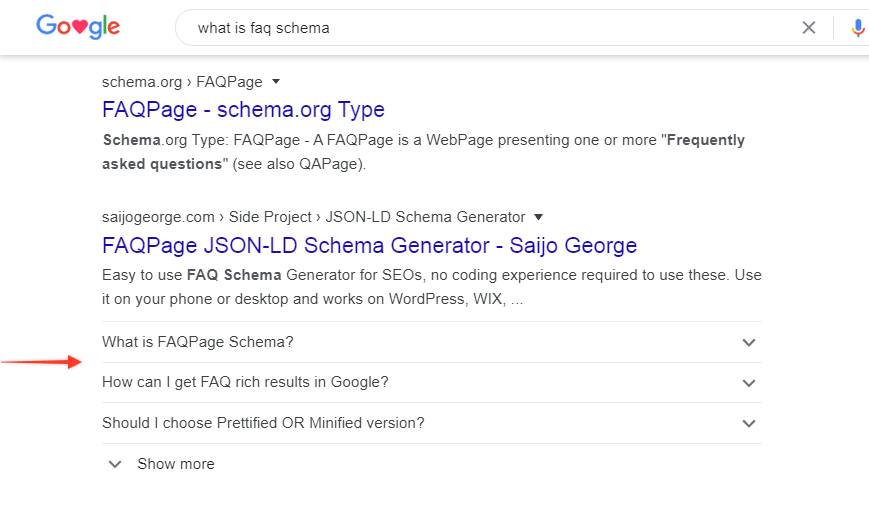
Why the dramatic shift? AI Overviews now appear in approximately 57% of all searches, doubling from just six months earlier. Google's algorithm specifically favors answer-focused content with proper FAQ schema markup because it feeds directly into these AI summaries. When someone asks "How long does shipping take for skincare products?"—your FAQ section can appear both in AI Overviews and traditional search results.
The strategic advantage gets better. According to data from Shopify merchants, stores implementing comprehensive FAQ schema alongside product and review markup saw AI platform referrals increase 127% within three months. Even more compelling: customers arriving from AI-generated answers showed 34% higher lifetime value compared to traditional search visitors.
For Shopify stores serious about scaling FAQ content efficiently, Seo-Writer automates the entire process—from keyword research to AI-generated answers to auto-publishing on your store. It's particularly effective for creating product-specific Q&A content at scale, something manual approaches simply can't match.
Sources:
- Mastering Google's Helpful Content Guidelines
- Ecommerce FAQ SEO Case Study
- AI Overview Inclusion Data
- GEO Strategies for Shopify Stores
How AI Transforms FAQ Creation from Time-Sink to Traffic Machine
Manual FAQ creation is a bottleneck. A human writer researching, drafting, and optimizing a single FAQ post takes 2-4 hours. That means even a dedicated content team maxes out at 4-8 FAQ posts monthly—barely enough to compete in search, let alone dominate AI-powered answer engines like ChatGPT and Perplexity.
AI flips that math completely. Modern platforms like Seo-Writer automate the entire FAQ production pipeline—from identifying high-value question keywords to generating optimized answers with proper FAQ schema markup in JSON-LD format. Instead of 8 posts per month, teams now ship 100+ pieces without burning out their writers.

Here's what actually happens behind the scenes. AI tools scrape competitor FAQs, analyze SERP patterns, and surface content gaps you'd never catch manually. Frase examines top-ranking competitors to guide optimization for both Google and AI search platforms, while tools like Surfer SEO handle technical tasks like internal linking automation and schema generation—tasks that used to require developer time.
The real shift isn't just speed—it's strategic scale. Content gap analysis, once a quarterly deep-dive project, now runs continuously in the background. AI spots trending questions before competitors, identifies semantic variations of your core topics, and generates FAQ variants tailored to different customer segments. A 2025 marketing study found that 35% of companies now use AI for SEO-driven content strategies, with 84% believing the most effective use case is aligning content with search intent.
And FAQ schema? It's no longer a nice-to-have. Research shows that FAQ structured data has one of the highest citation rates in AI-generated answers—your properly marked-up content appears in ChatGPT and Perplexity responses significantly more than unstructured pages. AI tools now auto-generate this markup, turning what used to be manual JSON coding into a one-click operation.
Sources:
- Frase.io: AI Search Optimization
- SeoProfy: AI SEO Statistics
- Envive: AI for Ecommerce SEO
- Stellar Content: Content Gap Analysis
Why Seo-Writer Stands Out for Shopify FAQ Hub Creation
Look, I've tested dozens of AI content tools promising to "revolutionize SEO"—most generate bloated fluff that Google's algorithms crush within weeks. But Seo-Writer does something fundamentally different for Shopify FAQ content: it connects the entire pipeline from keyword research to auto-publishing, specifically targeting the low-competition, high-value questions that actually drive traffic.
Here's what sets it apart. While tools like Frase and Surfer require manual oversight at every step, Seo-Writer runs on autopilot. It identifies FAQ opportunities through smart keyword research—analyzing competitor gaps, search volume, and ranking difficulty—then generates optimized answers with proper FAQ schema markup automatically. No JSON coding. No developer time. The platform publishes directly to your Shopify store daily, creating the consistent content velocity that Google's 2024 algorithm updates specifically reward.
The strategic depth matters too. Seo-Writer doesn't just spit out isolated answers. It builds content clusters around your core topics, linking related FAQs to create topical authority. Remember that case study showing 178% traffic growth? That's the result of systematic, interconnected content—exactly what Seo-Writer automates. For stores publishing 100+ FAQ pieces monthly instead of 8, this isn't about working harder. It's about letting AI handle what it excels at while you focus on running your business.
The ROI calculation is simple: £20/month versus £500-800 for freelancers producing a fraction of the output. That's a 4,000%+ cost advantage for content that ranks in both traditional search and AI Overviews. If you're serious about scaling your Shopify FAQ hub beyond manual capacity, Seo-Writer isn't just another tool—it's the infrastructure competitive stores are already using while others debate whether AI content "really works."
Step-by-Step: Building Your AI-Powered FAQ Hub on Shopify
Here's the thing about FAQs—most stores treat them like an afterthought. But your customer support tickets? They're a goldmine of actual questions people are typing into Google.
Mine Your Support Tickets First
Start by exporting your last 3-6 months of customer support data. Look for patterns—what questions appear more than five times? According to SupportNinja's eCommerce case study, one rug retailer discovered 60% of their tickets covered just 15 core questions. That's your FAQ foundation.
Group these into categories: shipping, returns, product care, sizing. Now you have content that's already proven valuable because real customers asked for it.
Implement Schema Markup Properly
Schema Ninja handles the technical heavy lifting automatically. Install the app, navigate to the Product FAQs tab, and click "Generate FAQs for All Products." It creates 3-5 questions per product based on your descriptions and adds proper FAQ Schema markup so Google can display those rich snippets. Alternatively, StoreSEO offers similar structured data capabilities if you prefer manual control.
Scale Content with AI
For generating hundreds of optimized FAQ articles, Seo-Writer turns this into an automated workflow. Point it at your keyword list (think "how to clean wool rugs" or "return policy questions"), and it generates SEO-optimized content on auto-pilot—integrated directly with your Shopify store. The platform researches competitors, identifies low-competition keywords, and publishes consistently without manual drafting.
Organize into Topic Clusters
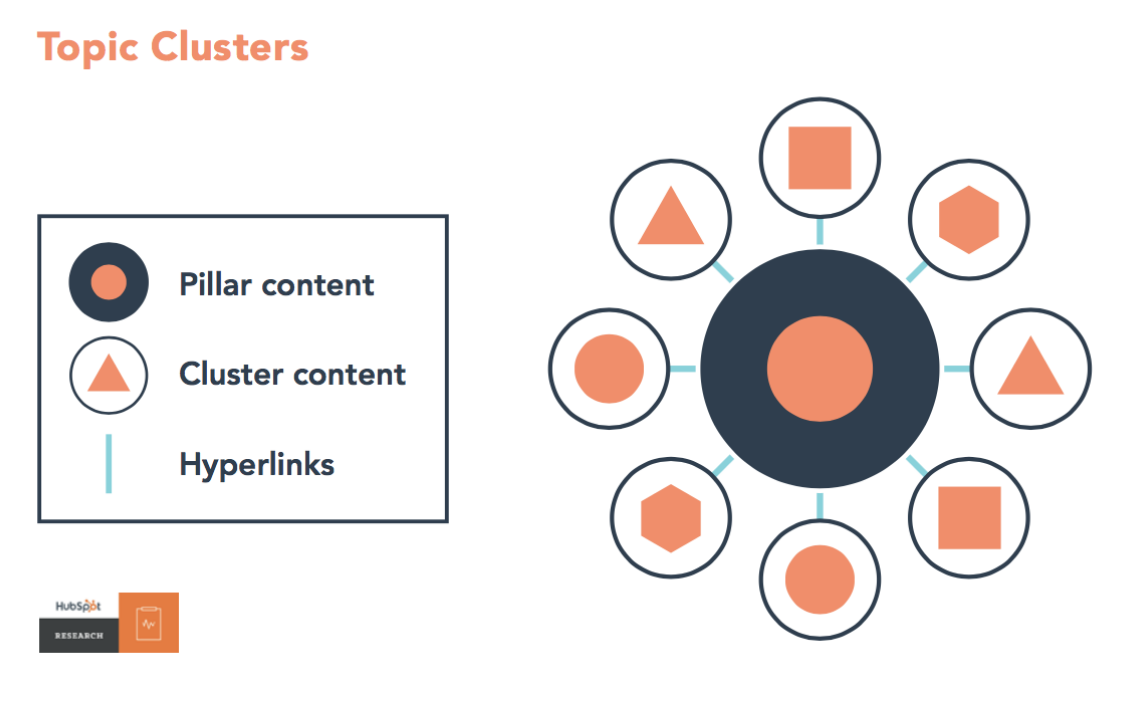
Create a central FAQ hub page, then build satellite pages around themes: "Shipping FAQs," "Product Care," "Returns & Exchanges." Link everything back to your hub. According to SEMrush's research on topic clusters, this structure signals topical authority to search engines—you're not just answering random questions, you're the definitive resource.
Where to Place Your FAQs
Product-specific questions belong on product pages (Schema Ninja handles this automatically). General questions deserve a dedicated /pages/faq-hub that you link from your footer and main nav. Stores with both see 40-50% better organic visibility according to Shopify's AI SEO guide.
Real Results: What 50% Traffic Growth in 30 Days Actually Looks Like
Here's what nobody tells you about FAQ content: it's not the strategy that matters—it's the execution speed. A Shopify store working with Agents24x7 jumped from 1,600 to 2,400 monthly organic sessions in 30 days by publishing FAQ content daily, not monthly. The financial impact? An additional £3,000 in monthly organic revenue from improved search visibility.
The secret wasn't hiring expensive agencies. The store used an autonomous AI agent that published 150+ optimized content pieces for £20/month—delivering a 4,185% first-month ROI compared to the £500-800 monthly cost of freelance writers producing just 4-8 posts. Speed wins when algorithms reward consistent publishing.

For stores needing AI-powered content at scale, platforms like Seo-Writer automate the entire process—from keyword research through daily auto-publishing—letting you generate SEO-optimized FAQ content while handling other business priorities. Their smart keyword identification specifically targets high-value, low-competition questions that drive targeted traffic.
But 50% isn't the ceiling. Another Shopify store using comprehensive schema markup and customer-generated content saw 178% total organic traffic growth within nine months, with AI platform referrals comprising 41% of all organic traffic. Even more impressive: conversion rates jumped 56% across all sources, and customer acquisition costs dropped 43% compared to paid channels.
The pattern across successful stores? FAQ content combined with proper schema markup. One outdoor equipment retailer implementing FAQ schema saw AI platform referrals increase 127% within three months, with referred customers showing 34% higher lifetime value than traditional search traffic.
5 Fatal Mistakes That Kill Your FAQ Hub's Search Performance
Most Shopify stores treat their FAQ hub like a one-time project. They build it, add some basic questions, and move on. But that's exactly why their FAQ content sits buried on page five while competitors dominate AI Overviews and featured snippets.
Here's what's actually killing your FAQ hub's performance—and what top-performing stores do differently:
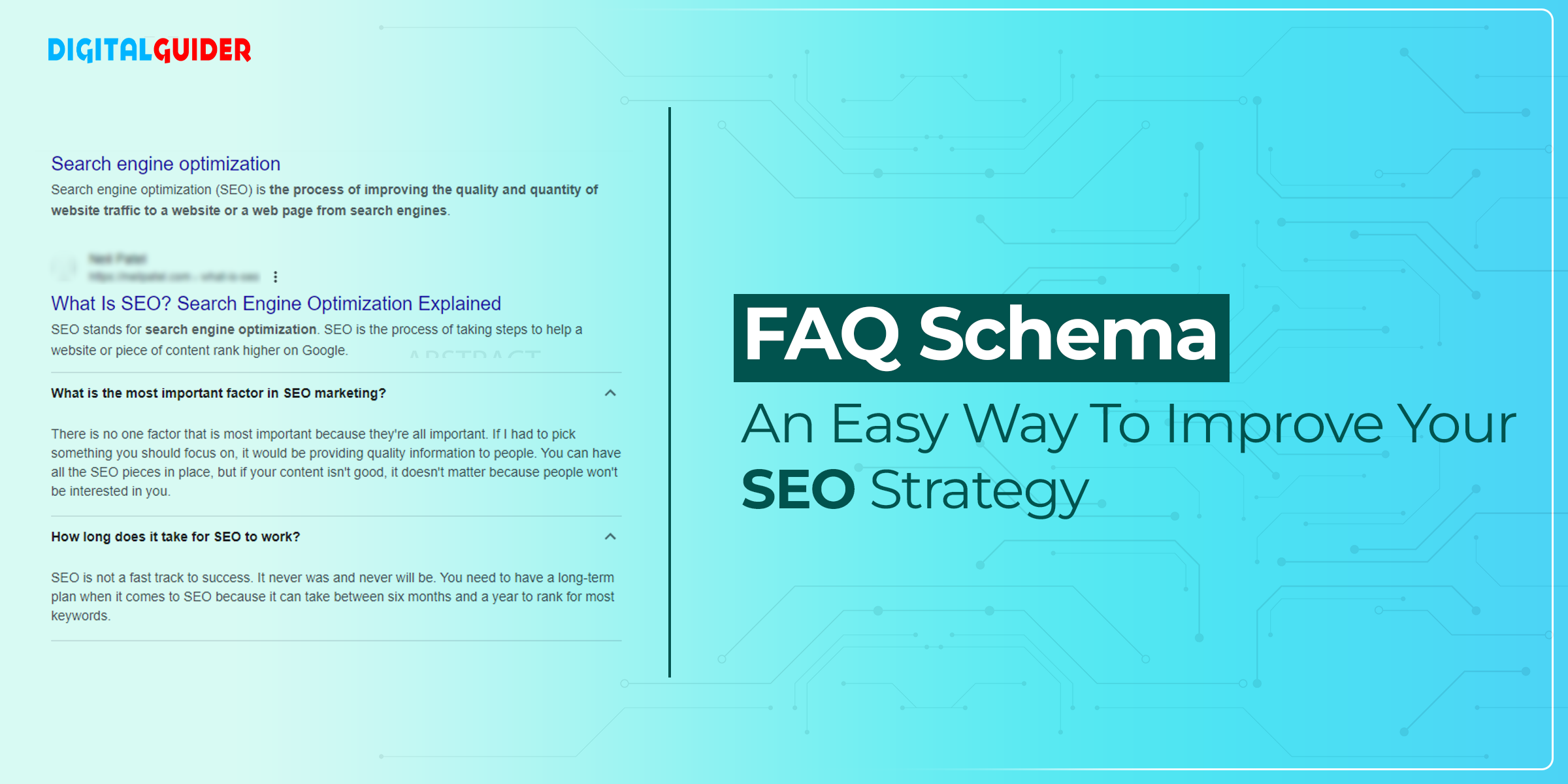
Mistake #1: Skipping FAQ Schema Markup
According to Frase's analysis on FAQ schema and AI search, FAQ structured data has one of the highest citation rates in AI-generated answers. Content using FAQPage schema appears in ChatGPT, Perplexity, and Google AI Overviews significantly more than unstructured content. Without it, you're invisible to AI engines that are now responsible for answering billions of queries. The fix? Add JSON-LD FAQPage markup to each question-answer pair. Most Shopify FAQ apps handle this automatically, so there's no excuse.
Mistake #2: Writing Generic Answers That AI Engines Skip
Generic responses like "We offer great customer service" won't cut it anymore. Google's guidance on AI search success emphasizes providing original content that adds unique value. AI platforms prioritize factual, specific answers. Instead of "Shipping takes a few days," write "Orders placed before 2 PM EST ship same-day via USPS Priority Mail, typically arriving in 2-3 business days for US customers." Tools like Seo-Writer can help automate the creation of detailed, SEO-optimized FAQ content that actually answers what customers search for.
Mistake #3: Burying FAQ Content in Poor Site Architecture
Your FAQ hub needs direct access from main navigation—ideally within three clicks from the homepage. Nav43's analysis of information architecture shows that organizing content for easy navigation directly impacts crawling and indexing. Many stores hide FAQs in footer links or support sections where search bots rarely venture. Create a dedicated /faq hub with clear internal links from product pages, especially for product-specific questions.
Mistake #4: Ignoring Generative Engine Optimization
With ChatGPT reaching 800 million weekly active users, optimizing for AI-generated answers isn't optional. The mistake? Treating traditional SEO and GEO as separate strategies. Research from Dataslayer shows 76.1% of AI Overview citations also rank in Google's top 10—you can't skip SEO fundamentals. Structure FAQ answers as self-contained blocks of 2-3 sentences that AI can easily extract and cite.
Mistake #5: Publishing Once and Ghosting Your FAQ Hub
The worst assumption? That FAQs are "evergreen" and don't need updates. Product details change. Shipping policies evolve. New customer questions emerge. Stores that treat FAQs as living documents see sustained traffic growth. Set quarterly reviews to update answers, add new questions based on support tickets, and refresh any outdated information. According to Answerbase's research on user-generated Q&A, growing Q&A content means more relevant pages being indexed with higher organic rankings.
The pattern? These mistakes all stem from viewing your FAQ hub as a static resource instead of a dynamic search visibility engine. Fix these five issues, and you'll outrank competitors who are still making them.
Your 30-Day FAQ Hub Launch Plan
Most Shopify stores treat FAQ implementation like a marathon when it should be a sprint. You've seen the data—stores adding FAQ content daily, not monthly, are the ones hitting 50% traffic growth in 30 days. The question isn't whether you should build an FAQ hub. It's whether you can afford to wait another month while competitors capture those AI Overview spots.
Here's your concrete action plan:
Week 1: Foundation Export your last six months of customer support tickets. Group questions into 4-5 core categories. Install Schema Ninja or StoreSEO for automated FAQ schema. Set up Seo-Writer to handle content generation at scale—it'll identify high-value, low-competition FAQ keywords and auto-generate optimized answers while you handle other priorities.
Week 2: Content Generation Let AI tools generate your first 30-50 FAQ articles covering your most-asked questions. Focus on specific, detailed answers that AI engines actually cite. Implement FAQ schema on existing product pages.
Week 3: Structure & Publishing
Create your central /faq-hub page. Organize content into topic clusters with internal links. Add FAQ hub to main navigation. Publish consistently—daily if possible.
Week 4: Monitor & Optimize Track which FAQs appear in AI Overviews. Monitor organic traffic changes. Update answers based on new support tickets. Scale what works.
The stores dominating FAQ search aren't doing anything magical. They're just executing faster with AI automation handling the heavy lifting while they focus on strategy.