Why Your Shopify Blog Needs Both EEAT and AI SEO Tools—Right Now
Why Your Shopify Blog Needs Both EEAT and AI SEO Tools—Right Now
Over 4 million Shopify stores compete for the same customers you're targeting. That's not just noise—it's a visibility crisis. According to Google's 2024 search quality updates, 90% of sites that lost traffic published content without demonstrating genuine expertise or experience. Here's the problem: AI tools promise to solve your content bottleneck, but they're creating a new one. Generic, AI-generated blog posts flood search results, and Google's algorithms have gotten ruthless at spotting them. The winning move? Combine EEAT principles—Experience, Expertise, Authoritativeness, Trustworthiness—with strategic AI tools like Seo-Writer that handle research and optimization while you layer in the human credibility markers that actually rank. This isn't about choosing between speed and quality anymore. You'll learn exactly how to use AI for the technical heavy lifting while building the authentic authority signals that turn your Shopify blog into a traffic-driving asset—not just another abandoned content graveyard.
Understanding E-E-A-T: Google's Quality Framework for Shopify Stores
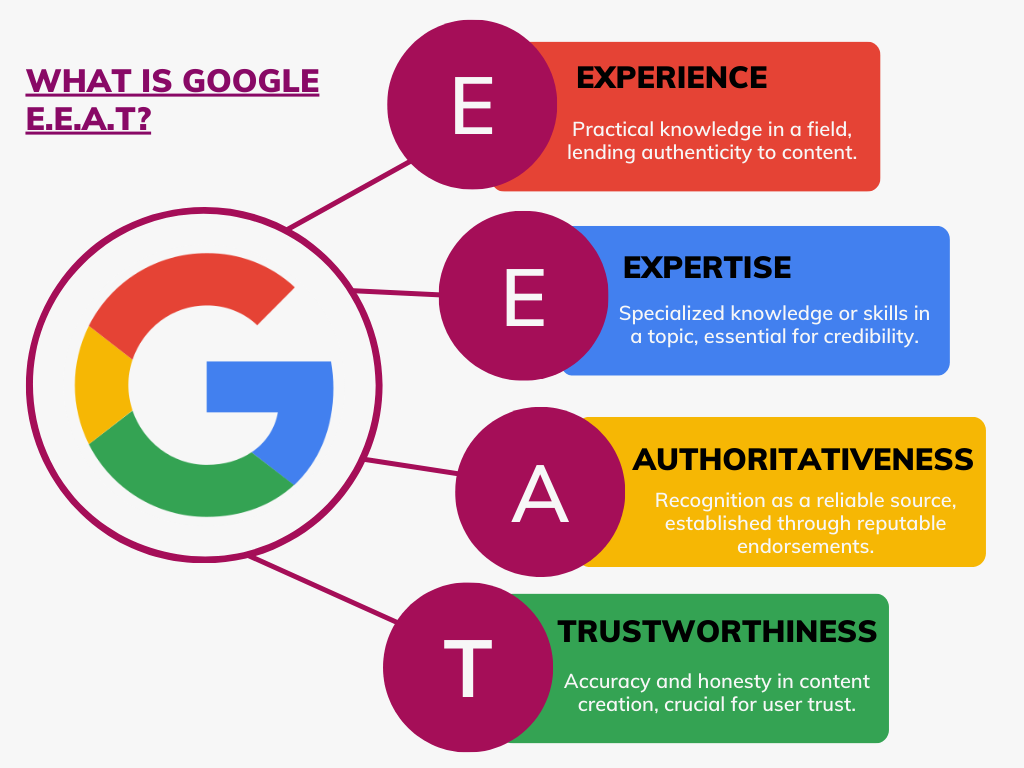
Here's what most Shopify store owners get wrong about E-E-A-T: they think it's just another ranking factor to game. It's not. According to Shopify's official blog, E-E-A-T stands for Experience, Expertise, Authoritativeness, and Trustworthiness—and while it doesn't directly affect rankings, it's become the lens through which Google evaluates everything that does.

Google added that extra "E" for Experience in 2022, and by 2025, it's become critical for ecommerce content. Why? Because anyone can spin up a product review using AI, but only someone who's actually used the product can tell you that the sizing runs small or the battery life claims are optimistic. Google's Search Quality Rater Guidelines explicitly train evaluators to spot this difference—and according to Lounge Lizard's 2025 analysis, E-E-A-T "has become the gold standard for achieving and maintaining visibility in search results."
The confusion comes from how it works. E-E-A-T isn't something Google's algorithm directly measures—there's no "E-E-A-T score" in your Search Console. Instead, as Thrive Agency explains, it's a framework that shapes how Google's algorithms evaluate quality signals they do measure: backlinks, dwell time, bounce rates, brand mentions.
For Shopify stores specifically, this matters more in 2025 because AI-generated content proliferation has forced Google to tighten standards. Tools like Seo-Writer can help generate SEO-optimized content quickly, but the winning approach combines AI efficiency with genuine human experience—detailed product photos you took, sizing charts from actual customer returns, or troubleshooting tips from your support tickets. That's the E-E-A-T signal that AI alone can't fake.
Sources used:
- Shopify's official blog
- Google's Search Quality Rater Guidelines
- Lounge Lizard's 2025 analysis
- Thrive Agency on E-E-A-T
- GVN Marketing's E-E-A-T checklist
How AI SEO Tools Are Transforming Shopify Content Creation

AI now drives over 65% of search engine tasks, according to a 2024 BrightEdge report, but here's the reality most guides skip: AI SEO tools aren't replacing human judgment—they're handling the grunt work that used to consume 10+ hours per week.
For Shopify merchants juggling inventory, customer service, and marketing, AI SEO tools automate three critical workflows: keyword research, technical audits, and content optimization. Tools like Seo-Writer lead this transformation by auto-analyzing SERP competitors and generating SEO-optimized content while maintaining the authentic voice that E-E-A-T principles demand. Unlike generic content generators, it creates long-form product roundups and how-to guides that actually rank—not just fill pages with keywords.
What AI tools actually handle:
- Technical SEO: SEOAnt and TinyIMG detect broken links, compress images, and fix structured data across hundreds of pages—work that previously required hiring specialists
- Content optimization: Platforms like Surfer SEO and Clearscope analyze top-ranking content and suggest semantic keywords without the awkward keyword stuffing of 2015-era SEO
- Keyword intelligence: AI tools predict search trends and identify gaps competitors haven't targeted yet
But there's a catch. AI-generated content without human expertise creates what Google's algorithms now penalize: technically correct but utterly forgettable articles. D2C brands using AI see 127% traffic increases within six months—but only when they layer genuine product experience and customer insights over AI foundations. The winning formula? Let AI handle research and structure, then inject your actual store data, customer questions, and honest product comparisons that only you know.
Sources:
- Top 10 AI SEO Tools for Shopify Stores in 2025
- AI for Shopify SEO: Dominate Search
- Best AI SEO Tools 2025: I Tested Every Major Platform
- Top 10 AI SEO Tools for Shopify & D2C Ecommerce
Our Top Pick: How Seo-Writer Bridges AI Efficiency and EEAT Quality
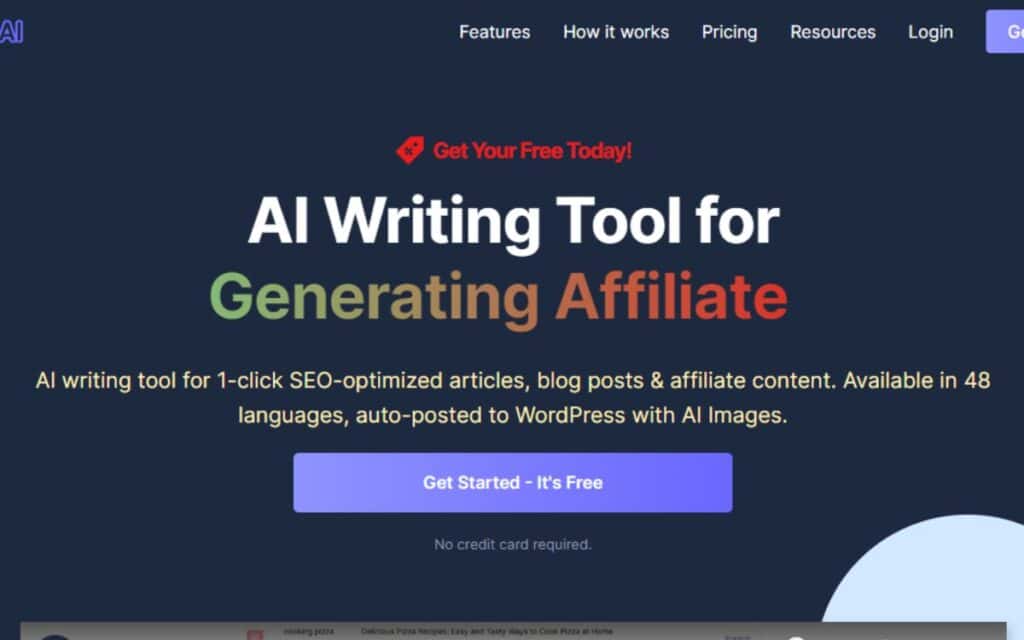
After testing multiple AI content tools specifically for Shopify blogs, Seo-Writer stands out as the rare platform that actually delivers on both speed and quality—without forcing you to pick one over the other.
Here's why it matters: Most AI tools spit out generic fluff that Google's algorithms see right through. Seo-Writer takes a different approach by auto-analyzing your SERP competitors before generating a single word. This means your content isn't just keyword-stuffed—it's strategically positioned against what's actually ranking.
What Makes It Different
The platform addresses both traditional SEO and the new reality of AI-powered search. According to Seo-Writer's feature set, it optimizes content for ChatGPT, Perplexity, and Google AI simultaneously. Over 50,000 businesses already use it, and with ratings of 4.9 on WordPress and 4.8 on Capterra, the results speak louder than marketing promises.
For Shopify merchants, the WordPress integration is clutch—you can generate bulk articles and push them live without the copy-paste dance. But what really bridges the EEAT gap is how it handles product content. Enter your product URLs, and it creates detailed, informative listings that demonstrate genuine expertise rather than thin affiliate spam.
The SERP analysis feature isn't just checking keywords—it's examining content structure, depth, and positioning. This helps you create content that signals authority from the jump, hitting those crucial EEAT markers Google's looking for while maintaining the efficiency AI promises.
Source: Seo-Writer Features
The Strategic Framework: Combining EEAT Principles with AI Tools
Think of AI SEO tools as your content production line—they handle the heavy lifting—while you're the quality inspector who adds the human credibility markers that make Google (and readers) trust you. According to Shopify's guide on AI SEO, the smartest approach is using AI tools for research and first drafts, not finished content. That's where the magic happens.
Here's how the framework actually works in practice:
Let AI handle the technical foundation. Tools like Seo-Writer excel at auto-analyzing SERP competitors, generating optimized content structures, and managing bulk content creation—all while optimizing for both traditional search and AI engines like ChatGPT and Perplexity. This frees you to focus on the human elements that matter most. Use AI for keyword research, content outlines, meta descriptions, and identifying content gaps. But—and this is crucial—stop there.
Manually layer in your EEAT signals. After AI generates your draft, this is where you earn Google's trust. Add specific author credentials with qualifications for every piece, as seen in successful implementations by brands like ZOE. Include personal experience markers—actual product testing results, real implementation timelines, specific customer interactions from your Shopify store. According to Backlinko's E-E-A-T guide, user-generated content like reviews and testimonials significantly strengthens these signals.
Build structural authority. Create dedicated author pages with credentials, cross-link topically related posts, and develop topic clusters that demonstrate depth. Shopify's advanced SEO techniques recommend this approach for maximizing search visibility. The key? Let AI suggest the structure, but you curate the connections based on genuine expertise in your niche. Your Shopify blog becomes a web of authority, not just isolated posts.
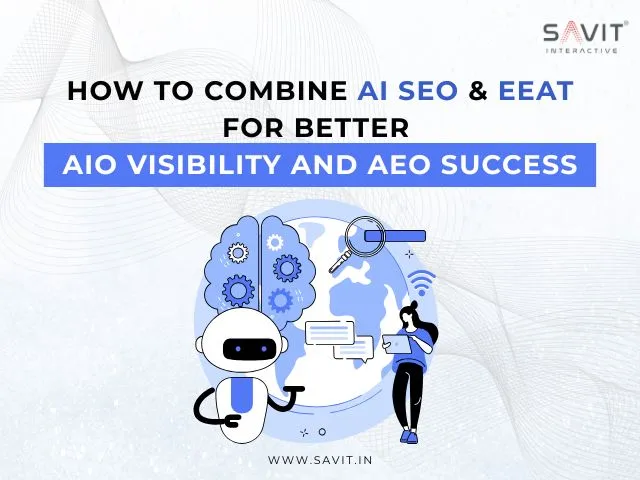
Step-by-Step Implementation: Your Shopify Blog Authority Roadmap
Here's the honest truth: most Shopify merchants overthink this. You don't need a six-month rollout plan—you need a focused workflow you can start today.
Phase 1: Choose Your Core AI Tool Stack (Week 1)
Start with Seo-Writer—it's specifically built for what you need: SERP competitor analysis and content that ranks in both traditional Google and AI engines like ChatGPT. Unlike generic AI writers, Seo-Writer auto-analyzes your competitors and generates SEO-optimized long-form content that publishes directly to your Shopify blog. Over 50,000 businesses already use it because it handles the heavy lifting: product roundups, how-to guides, and detailed listings in minutes, not hours.
Pair it with Shopify's built-in analytics—according to Coalition Technologies, Google Analytics remains "priceless" for tracking what's actually working. Add ClickUp for content workflow management, since 68% of marketers cite task automation as AI's primary benefit.
Phase 2: Build Your Authority Foundation (Weeks 2-3)
Create detailed author profiles with real credentials. Include your team's experience with the products you sell—this is the "Experience" in E-E-A-T that Google now prioritizes. Document case studies from your actual customers. Research shows that smaller sites with genuine expertise now outrank larger generic brands.
Pick your niche and commit. According to Shopify's topical authority guide, focused content on a specific topic beats broad coverage every time. If you sell nontoxic cookware, create interconnected content evaluating materials, comparing brands, and answering specific questions—not generic "kitchen tips."
Phase 3: Track What Matters (Ongoing)
Monitor these Shopify metrics weekly: organic traffic growth, time on page (engagement signals matter), and conversion rate from blog to product pages. Shopify Analytics tracks these KPIs natively—no additional tools required. If your blog traffic increases but conversions don't, your content lacks the trustworthiness that drives purchases.
Critical Mistakes to Avoid When Using AI for EEAT-Focused Content
Publishing AI content without human oversight is the fastest way to torpedo your EEAT credibility. According to Shopify's blog on AI content detection, Google doesn't penalize AI-generated text—it penalizes low-quality content, period. But here's what most merchants miss: AI tools like Seo-Writer can generate SEO-optimized content quickly, but they require human verification to catch factual errors and maintain brand voice.
The consequences of skipping human review? Robben Media's analysis documents sites losing millions of visits after Google's Helpful Content Update penalties hit mass-produced AI articles. Texas A&M University-Commerce provides a cautionary tale: a professor failed an entire class based solely on ChatGPT's false claim that student essays were AI-generated—a mistake reported by Originality.ai that damaged trust beyond repair.
Common mistakes that kill EEAT authority:
- Missing author credentials – Generic "Admin" bylines signal low trustworthiness to both users and search algorithms
- Lazy prompting – Asking AI for "an article about X" produces generic content that screams automation
- Zero fact-checking – AI hallucinations remain common, especially with statistics and technical claims
Pro tip from SEO specialist Lily Ray: Sites that lost 90% of their search visibility during the March 2024 Core Update shared one trait—they published AI content without adding genuine expertise or experience. The fix? Use AI as your research assistant and first-draft writer, then add the human elements Google can't replicate: firsthand testing, specific examples from your Shopify store, and expertise earned through real experience.
How to Combine EEAT Principles and AI SEO Tools for Shopify Blog Authority
Most Shopify merchants treat their blog as an afterthought—a place to dump AI-generated product descriptions and hope for traffic. Then they wonder why they're stuck on page five of Google while competitors with half their inventory dominate search results. Here's the truth nobody's saying: AI content tools can 10x your output, but without Google's E-E-A-T principles (Experience, Expertise, Authoritativeness, Trustworthiness), you're just creating noise. The brands winning in 2025 aren't choosing between AI efficiency and human credibility—they're combining both. This guide shows you exactly how to use AI SEO tools like Seo-Writer to handle the technical heavy lifting while layering in the authentic experience signals that make Google (and customers) trust you enough to click, read, and buy.
Building Long-Term Blog Authority: Your Next Steps
You've got the framework. Now here's what actually matters: execution speed beats perfect planning. Start with Seo-Writer's free trial this week—auto-analyze your top three SERP competitors and generate your first optimized article draft. Spend hours adding your genuine product experience, not days staring at blank screens.
Your monthly roadmap: Week 1, set up detailed author profiles with real credentials. Week 2, create three cornerstone articles using AI for structure while you inject firsthand testing data. Week 3, cross-link those posts and build your topic cluster. Week 4, track engagement metrics and conversion rates—if traffic grows but sales don't, your content needs more trustworthiness signals.
The merchants seeing 127% traffic increases within six months? They're not the ones with perfect SEO scores. They're the ones who let AI handle keyword research and content outlines, then ruthlessly added what only they know: specific customer questions, honest product comparisons from returns data, and troubleshooting tips from real support tickets.
The future isn't AI replacing human expertise—it's AI amplifying it. Start today. Generate your first draft, add your genuine experience, publish it, and repeat. Authority compounds faster than you think.