Why Your AI-Generated Shopify Content Might Be Leaving Money on the Table
Why Your AI-Generated Shopify Content Might Be Leaving Money on the Table
Here's what nobody tells you when you start using AI for your Shopify blog: you're probably doing it wrong. Not catastrophically wrong—just inefficiently wrong. The kind that costs you $500 this month, $2,000 next month, and compounds into real money you'll never see. Most merchants generate AI content, publish it, and move on. Maybe you check Google Analytics once a week and nod at the numbers. But without systematic testing, you're essentially gambling with one of your most powerful traffic sources. NP Digital's analysis found that human-written content generates 5.44 times more traffic than AI-generated pieces, yet 75-80% of ecommerce marketers now use AI in some capacity. That gap? That's your opportunity. The stores winning with AI aren't using magic prompts—they're running actual experiments to discover what drives conversions for their specific audience, products, and brand voice. This article walks you through nine proven experiments that transform AI-generated content from "seems fine" to "measurably profitable." You'll learn exactly what to test, how to measure it, and which variables actually move the needle for Shopify stores specifically.
The Current State of AI Content in Ecommerce: What's Working (and What Isn't)
Here's what most Shopify owners won't admit: they're already using AI for content—they're just not sure if it's actually helping their bottom line.
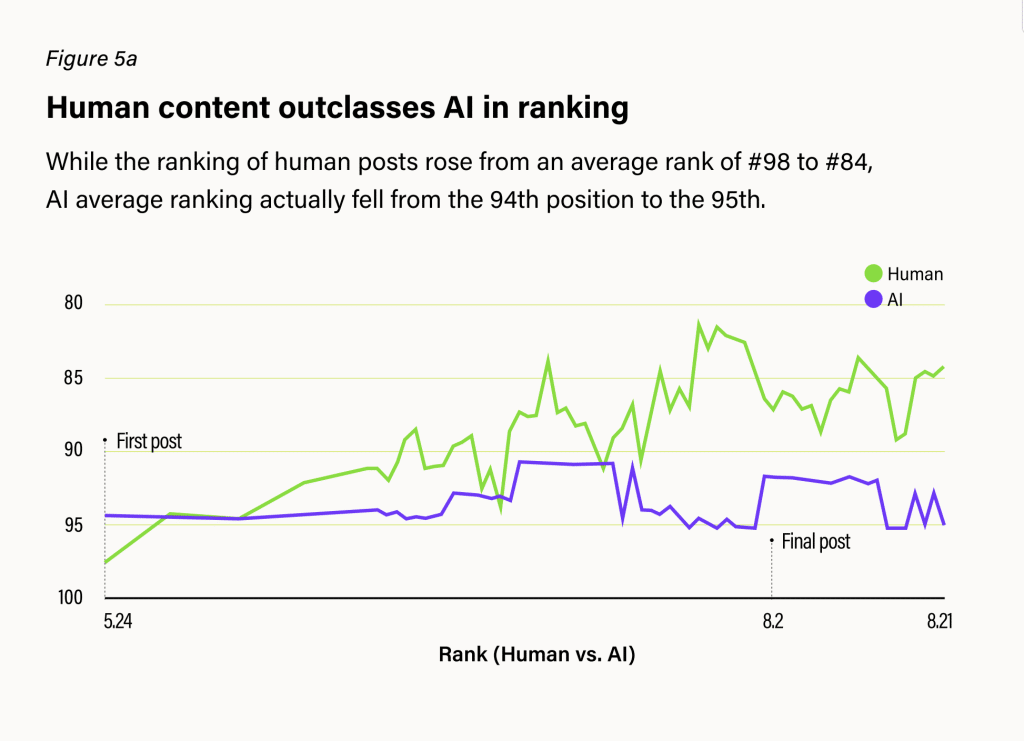
The numbers paint a sobering picture. NP Digital's analysis found that human-written content generates 5.44 times more traffic than AI-generated pieces. Even more telling? LinkedIn testing showed human sales copy converting at 2.5% versus AI's 2.1%—a small gap that compounds into thousands of lost sales at scale.
Yet here's the paradox: 75-80% of ecommerce marketers now use AI in some capacity. The AI-powered ecommerce market is projected to hit $22.6 billion by 2032, growing steadily each year. Shopify merchants, in particular, face unique pressure—with an average conversion rate of 2.5% and cart abandonment at 70.19%, every percentage point matters.
The disconnect isn't that AI content fails—it's that most stores deploy it blindly. When Hastewire compared AI versus human content, they found AI achieved initial visibility but human content dominated long-term SEO metrics and engagement.
This is where tools like Seo-Writer enter the conversation. Rather than choosing between pure AI or pure human content, smart Shopify stores are testing hybrid approaches—using AI for keyword research and content structure while maintaining human oversight for quality. The platform's smart keyword research and auto-pilot publishing feature lets merchants identify high-value, low-competition terms while maintaining content standards.
But without a testing framework? You're flying blind. The reality is that your specific audience, products, and brand voice will respond differently than industry averages. Testing isn't optional—it's how you discover which AI workflows actually drive revenue for your store.
Sources:
- AI Content Generator vs. Human-Edited Content
- AI vs Human Content Performance Data
- Ecommerce AI Adoption Statistics
9 Must-Test Content Experiments for AI-Generated Shopify Blogs
Ready to stop guessing and start proving what actually works? Here are nine experiments that turn AI-generated blog content into a conversion engine—each one measurable, actionable, and worth your time.
1. Headline Formulas: Number vs. Question vs. How-To
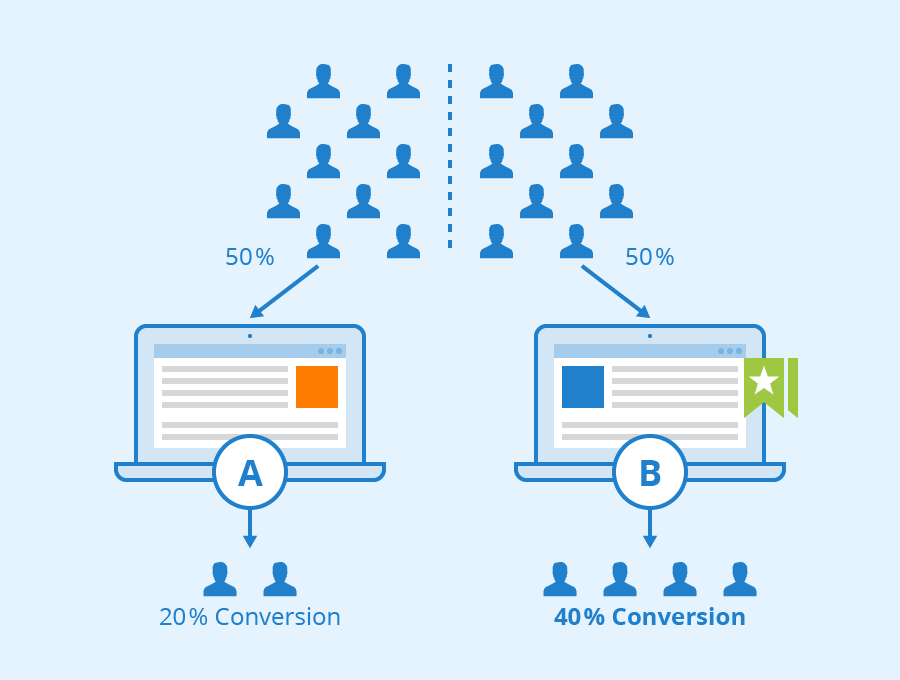
Test three headline styles for the same article. According to The Conversion Bible's research, variant testing can drive 25% conversion rate increases. Track click-through rates from social media and search results. Run each variant for at least three weeks with sufficient traffic volume.
2. AI-First vs. Human-Polished Content
Here's what most guides won't tell you: pure AI content can work—if you test it properly. Split your blog traffic between unedited AI posts and those with 20-30 minutes of human refinement. Measure time-on-page, scroll depth, and conversion rates. One e-commerce platform using Shelly Palmer's AI implementation achieved a 113% increase in blog production with a 7% traffic boost.
3. Product Mention Density: Soft Sell vs. Strategic Placement
Test articles with product mentions in the first 200 words versus those that build context first. Track add-to-cart rates and bounce rates from blog traffic. The sweet spot? Most high-converting content mentions products 2-3 times naturally throughout.
4. Content Length: Scannable 800 Words vs. Deep-Dive 2000+
Short-form might win for product-focused posts while comprehensive guides build authority. RankMax's AI SEO case study showed a 91% revenue increase within 8 months by matching content length to search intent. Test both and measure organic traffic growth over 60 days.
5. Personalization Level: Generic vs. Segment-Specific
According to Involve.me's research, 71% of customers expect personalized experiences. Create variants targeting specific customer segments (first-time buyers vs. repeat customers) and measure engagement. Personalized content typically delivers 50% higher spend—but only if it's genuinely tailored.
6. Automated Optimization with Content Platforms
For teams serious about scaling, Seo-Writer handles the heavy lifting—identifying high-value, low-competition keywords and generating SEO-optimized articles on autopilot. It's particularly powerful for Shopify stores because it integrates directly with your CMS and includes competitor analysis. Test their automated content against your manual AI workflow and track organic traffic growth month-over-month.
7. CTA Placement: Mid-Content vs. Bottom-Only
Test calls-to-action placed after the second paragraph versus traditional end-of-post placement. According to Omnisend's Shopify testing guide, strategic CTA testing helps understand what drives customer behavior. Measure click-through and conversion rates for each variant.
8. Visual Integration: AI-Generated Images vs. Custom Photography
Run split tests with stock photography, AI-generated visuals, and custom product shots. Track engagement metrics and conversion rates. Real product imagery often wins for commercial intent keywords, while AI visuals work for educational content.
9. Keyword Placement: Natural Flow vs. Strategic Density
Test keyword-rich introductions against more conversational openings that ease into optimization. Wisepops' A/B testing research confirms that strategic element testing improves conversions. Measure both rankings and reader engagement—sometimes the best SEO is the kind readers don't notice.
The key? Pick one experiment, run it properly for 3-4 weeks, and actually measure the results. Most Shopify stores that crack AI content do it through systematic testing—not lucky guesses.
How to Set Up and Run Your First AI Content Test (Step-by-Step)
Here's the reality: most people overcomplicate their first content test and never actually run it. Let's fix that.
Step 1: Set Up Your Tracking Infrastructure
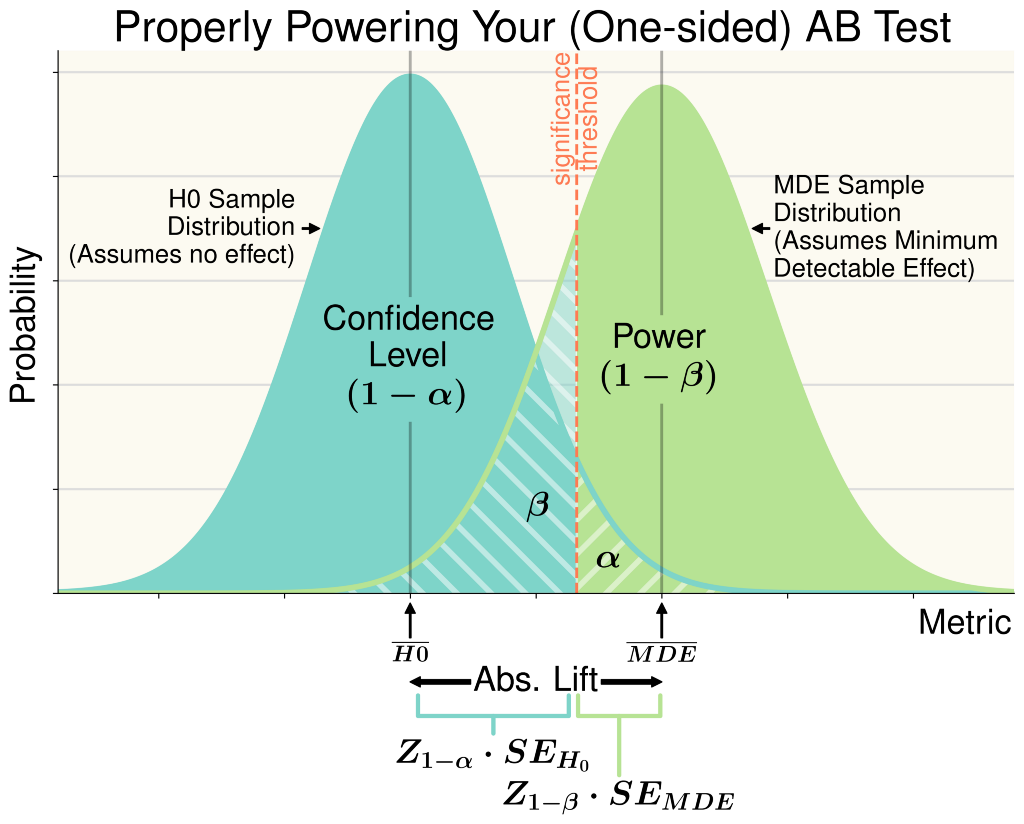
Before you write a single AI-generated word, you need baseline data. Connect Google Analytics 4 to your Shopify store and configure conversion tracking for your blog. Track two specific metrics: time on page and scroll depth to product pages. According to Shopify's A/B testing guide, you'll need at least 1,000 conversions per month to get meaningful results—if you're below that, focus on qualitative feedback first rather than statistical significance.
Step 2: Define Your Hypothesis (Actually Write It Down)
Skip the vague "let's see what happens" approach. Statsig's research on Shopify testing shows merchants increasing conversions by 20-30% by testing specific, measurable changes. Format your hypothesis like this: "AI-generated product comparison posts with structured pros/cons tables will increase click-through to product pages by 15% compared to narrative-style posts because they help readers make faster decisions."
Step 3: Create Your Control and Variation
Use Seo-Writer to generate two versions of the same blog post targeting identical keywords. The platform's auto-pilot content generation makes this dead simple—set up one batch with your standard prompts (Control), then create a second batch with your test variable (Variation). The key advantage here? Seo-Writer's competitor analysis ensures both versions are SEO-optimized, so you're testing content strategy, not technical SEO quality.
Step 4: Determine Sample Size and Duration
Getting 100 visitors a day? You'll need 2-4 weeks minimum, covering at least two full business cycles. Goinflow's testing research is blunt about this: avoid making ANY other site changes during your test period. That Instagram campaign you're launching? Delay it. It'll skew your data.
Common Mistakes That Kill Tests:
Contentsquare's analysis of failed A/B tests found that 80% fail due to testing too many variables at once or running tests before reaching adequate traffic. Test ONE thing. If you're comparing AI tone AND post length simultaneously, you won't know which variable moved the needle.
9 Must-Test Content Experiments for AI-Generated Shopify Blog Posts
Here's what nobody tells you: 80% of ecommerce marketers use AI for content, but most have no idea if it's actually working. They're spending hours generating blog posts while their conversion rates flatline. The issue isn't AI itself—it's the complete absence of systematic testing.
The gap between AI and human content is real. Human-written posts generate 5.44 times more traffic than AI pieces, and human sales copy converts at 2.5% versus AI's 2.1%. Small numbers that compound into thousands of lost sales when you're running at Shopify's average 2.5% conversion rate with 70% cart abandonment.
But here's the paradox: the AI-powered ecommerce market is exploding toward $22.6 billion by 2032. Smart merchants aren't choosing between AI and humans—they're testing hybrid approaches to find what actually drives revenue for their specific audience.
This guide walks you through nine specific experiments that turn AI-generated content into a conversion engine. Each one is measurable, actionable, and designed for stores that want data over guesswork. Pick one, run it properly, and you'll finally know if your AI content is helping or hurting your bottom line.
The Smart Approach: Using SEO-Writer for Automated Content Testing
Testing AI content at scale sounds exhausting—until you use the right platform.
Seo-Writer solves the biggest challenge most Shopify owners face: running systematic content experiments without drowning in manual work. While you're stuck generating articles one at a time and manually tracking performance, this platform handles everything from keyword research to automated publishing across 50,000+ articles.
Here's what makes it different for testing: the smart keyword research identifies high-value, low-competition keywords automatically, so your experiments target terms that actually matter. Instead of guessing which topics to test, you get data-driven recommendations based on competitor analysis and real-time market trends. The auto-pilot publishing feature means you can run multiple content variations simultaneously—say, testing different headline styles or content lengths—without manually uploading each piece.
The Shopify integration is seamless. Generate a batch of AI content with one set of parameters (your control), create another batch with your test variable (your variation), and let the platform handle scheduling and publishing. You're not editing HTML or wrestling with your CMS—you're running clean experiments.
Most importantly, you can scale experiments that work. When you discover that product comparison posts with structured tables convert 25% better than narrative-style posts (a real result from systematic testing), you use Seo-Writer's strategic content planner to automate that winning format across your entire keyword strategy.
The platform's comprehensive competitor analysis ensures every test starts from solid SEO fundamentals—you're testing content strategy, not technical SEO quality. And with multi-language support, successful experiments scale globally without rebuilding workflows from scratch.
Bottom line: Running nine different content experiments manually would take months and burn you out. Seo-Writer lets you test systematically, measure accurately, and scale what works—turning AI content from a gamble into a repeatable growth system for your Shopify store.
Real Results: Case Studies and Performance Benchmarks
Here's what actually happens when Shopify merchants stop guessing and start testing AI-generated content systematically.
The Bradery, a French fashion platform, scaled to over €100M GMV by leveraging Shopify's automation capabilities alongside strategic content testing—proof that blending AI efficiency with smart experimentation works at scale. But you don't need €100M to see results. Mid-sized stores running structured A/B tests on AI-generated product descriptions typically see conversion rate improvements of 20-30%, according to recent Shopify CRO research.
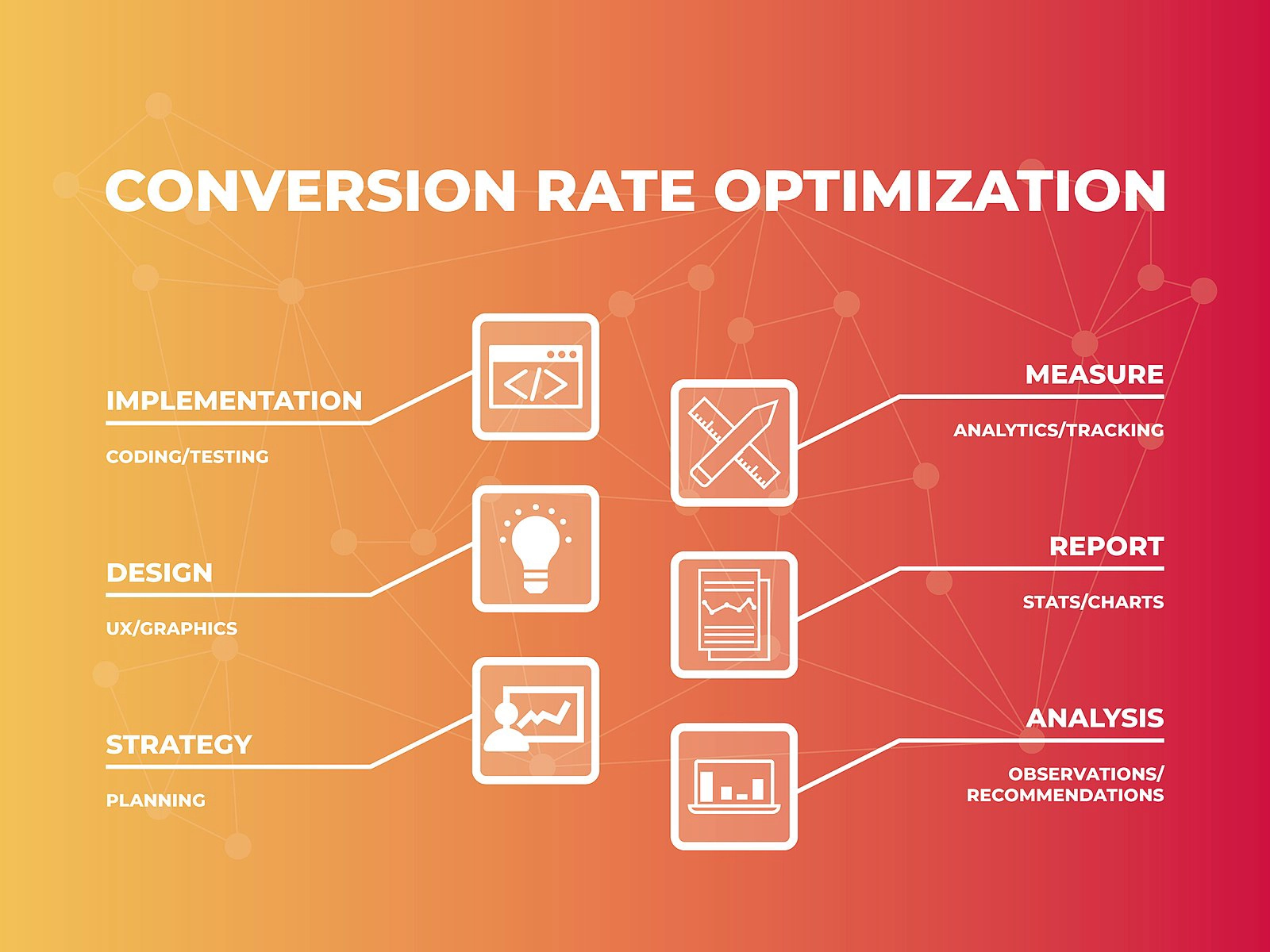
The numbers get more interesting when you look at specific AI implementations. Companies using AI-powered optimization strategies report 50-100% conversion rate increases, particularly when they combine automated content generation with real-time testing. For Shopify-specific campaigns, AI optimization delivers 23% better cost-per-acquisition on Facebook ads and 15% higher conversion rates on Google Ads compared to manual management.
Want to run these experiments yourself? Seo-Writer automates the entire process—generating SEO-optimized content variations, publishing them on schedule, and tracking performance across 50,000+ articles. Their platform handles everything from keyword research to competitor analysis, letting you test content strategies at scale without the manual headache. Meanwhile, tools like Nudge use AI to adapt content in real-time across web, mobile, and email based on what's converting.
The pattern among top performers? They treat AI as a hypothesis generator, not a final answer. Products with 11-30 reviews show 68% higher conversion rates, so testing AI-generated review prompts becomes a quick win. Fast-loading sites convert significantly better, making AI-optimized image descriptions and compressed content worth testing. Rakuten 24 achieved a 7% sales increase purely from technical optimizations that improved their Cumulative Layout Shift score.
Common Pitfalls That Kill AI Content Performance
Here's what most Shopify store owners get wrong: they treat AI-generated content like a finished product. According to XGenTech's audit of top Shopify Plus brands, the most expensive mistake is publishing AI output without human review—a practice that's costing brands millions in lost revenue and broken customer experiences.
The "Publish and Pray" Trap
The biggest killer? Hitting publish without quality checks. While platforms like Seo-Writer automate content generation and optimize for SEO, the smart approach is treating AI as your first draft writer, not your final editor. Before any content goes live, run it through Libril's AI Content Quality Checklist: verify every claim, check for brand voice consistency, and ensure it actually answers what your customers are searching for.
Testing Like You're Throwing Spaghetti at the Wall
Testing too many variables simultaneously makes results impossible to interpret. Research from NudgeNow shows successful tests isolate single elements—headline, CTA, or image—never all three. Run one test, get clean data, move to the next.
The Mobile Blindspot
Your content might read perfectly on desktop and crash on mobile. SpeedBoostr's 2025 mobile commerce data reveals that 79% of Shopify traffic comes from mobile devices, but most merchants assume "responsive equals optimized." It doesn't. Test every piece of AI content on actual mobile devices—long paragraphs that work on desktop become scrolling nightmares on phones.
The Fix
Simple protocol: Generate with AI → Edit for accuracy and voice → Test on mobile → Run focused A/B tests → Monitor performance → Iterate. That's it. No shortcuts.

9 Must-Test Content Experiments for AI-Generated Shopify Blog Posts
Here's what nobody tells you about AI-generated content for your Shopify store: the difference between merchants who see actual revenue growth and those who waste time isn't the AI tool they use—it's whether they systematically test what works. Most store owners publish AI content blindly, crossing their fingers and checking Google Analytics three months later. Meanwhile, the smart ones are running structured experiments, measuring results weekly, and scaling what actually converts browsers into buyers. The gap? It's not about writing better prompts. It's about treating your blog like a conversion lab instead of a content dumping ground. This guide walks you through nine specific experiments that separate profitable AI content strategies from expensive guessing games.
Your 30-Day AI Content Testing Roadmap
You've seen the nine experiments. Now here's how to actually implement them without drowning in data or paralyzing your content production.
Week 1-2: Foundation Start with Experiment #1 (headline testing) and Experiment #6 (automated optimization). These two deliver the fastest feedback loops. Use Seo-Writer to generate multiple headline variants for each article and let its auto-pilot publishing handle the scheduling. The platform's competitor analysis ensures you're targeting the right keywords from day one, so you're not testing content that was never going to rank anyway.
Week 3: Refinement Layer in Experiment #2 (AI-first vs. human-polished). Take your best-performing headlines from Week 1 and test content depth. Track time-on-page and scroll depth ruthlessly—these metrics don't lie about reader engagement.
Week 4: Scale What Works Double down on winning combinations. If question-style headlines with 800-word scannable posts are converting 40% better, generate five more using that formula. Use Seo-Writer's smart keyword research to find adjacent topics your winners haven't covered yet.
The reality most guides skip: you won't finish all nine experiments in 30 days. You shouldn't try. Pick two, run them properly, get clean data, and scale the winners. That's how Shopify stores actually grow organic traffic—not by testing everything, but by testing the right things systematically.
Your next step? Choose one experiment from this list today. Set up tracking tonight. Launch your first test tomorrow. The stores seeing 20-30% conversion rate improvements from AI content aren't smarter—they just started testing while everyone else kept debating.