Why Most SEO Teams Are Drowning in AI Content (And How to Fix It)
Why Most SEO Teams Are Drowning in AI Content (And How to Fix It)
Here's the uncomfortable truth: 86% of SEO teams are using AI tools, but most are just creating content noise. They're publishing faster than ever while their rankings slide backward. According to Ahrefs, 74.2% of newly created pages now contain AI-generated content—yet domains crossing 50 articles per month see performance crashes within 90 days. The problem isn't the technology. It's that teams treat AI like a magic button instead of a tool requiring systematic processes. Seo-Writer automates everything from competitor analysis to auto-publishing across WordPress, Shopify, and Webflow, but even the best platform can't fix broken workflows. This guide breaks down eight battle-tested practices that separate teams scaling intelligently from those drowning in generic content. You'll learn exactly how to balance automation with quality control, set up feedback loops that actually improve output, and avoid the ranking killers that tank most AI content strategies within three months.
The Current State of AI SEO: Why Best Practices Matter More Than Ever
Here's what most SEO teams won't admit: They're using AI tools—but without a real strategy. According to Semrush's 2025 research, 86% of SEOs have already integrated AI into their workflows, yet many are simply churning out content without structured processes or quality guardrails. That gap between adoption and strategy is where most AI SEO efforts fail.
The landscape in 2026 looks fundamentally different than two years ago. Google's AI Overviews now reach 2 billion monthly users, and when these summaries appear, only 8% of searchers click through to traditional results. Teams at companies ranging from startups to enterprise brands are racing to adapt—but speed without structure leads to predictable failures.
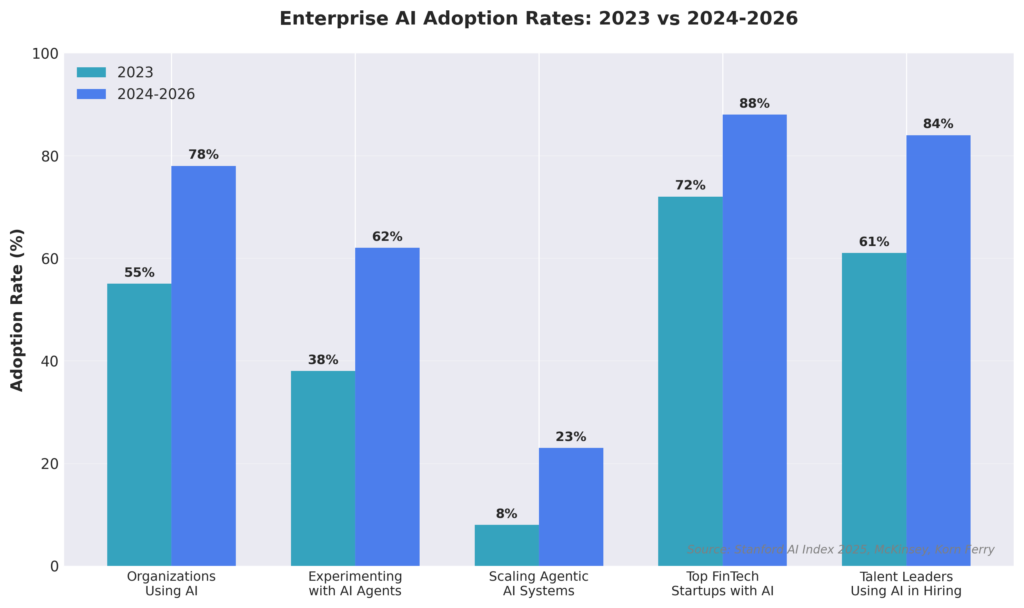
The most common failure points? Data quality issues dominate: duplicate records inflating metrics, inconsistent formatting across platforms, and outdated attribution data breaking the connection between content and conversions. Then there's the content itself—generic AI output that reads like every other article in the SERP, with no unique perspective or genuine expertise.
Platforms like Seo-Writer address these challenges by automating the complete workflow—from competitor analysis and keyword research to content generation and auto-publishing across WordPress, Shopify, and Webflow. But the technology alone isn't enough. According to Larridin's 2026 enterprise guide, organizations face an "accountability gap" where AI tools are deployed but no one owns the strategy, governance, or quality checks.
The difference between using AI and using it strategically comes down to three things: structured processes that maintain quality at scale, human oversight that adds genuine expertise and brand voice, and measurement systems that track performance across both traditional search and AI-powered surfaces like ChatGPT and Perplexity. Teams that nail this balance aren't just keeping up—they're dominating their niches while competitors drown in generic content.
Sources used:
- 26 AI SEO Statistics for 2026 + Insights They Reveal - Semrush
- AI Adoption: The Complete Enterprise Guide 2026
- Top 7 Data Challenges in Generative AI and Solutions for 2025
Best Practices 1-3: Foundation Setup for Seo-Writer.ai Teams
1. Master Keyword Research Before Hitting "Automate"
Here's what most guides won't tell you: AI accelerates your strategy, but it won't create one for you. Arvow's case study that generated $10,000/month in three months started with manual keyword analysis before automation. The difference? Understanding positioning and search intent that AI can't discern on its own.
Teams rushing into automation without this foundation consistently hit the same wall. Traditional keyword research fails in AI search because AI queries average 23 words versus 3-4 for traditional search—yet sites ranked #1 on Google only appear in 25% of AI answers. The solution isn't more volume; it's strategic intent mapping.
Start with automated keyword research tools to cluster thousands of terms, then manually prioritize by revenue potential and brand positioning. Seo-Writer automates this workflow by analyzing competitor gaps and identifying high-traffic, low-competition keywords specific to your niche—but you still need to understand why certain clusters align with your business goals.
2. Build Content Calendars That Scale Without Breaking
Publishing 50+ AI-generated pages per month triggers ranking volatility within 60-90 days—domains that crossed this threshold saw performance crashes. The teams that avoid this trap use structured content calendars with built-in throttling.
Jasper's Content Calendar Agent helps enterprise teams coordinate campaigns across channels, but the real breakthrough comes from calendar optimization. StoryChief's AI generates calendars based on seasonal trends and audience behavior patterns, automatically spacing publication to avoid Google's spam filters.
Your calendar should answer three questions: What's the maximum sustainable publishing cadence for your domain age and authority? Which content clusters deserve sequential publishing to build topical authority? When should you pause new content to update existing pages? Seo-Writer solves this by planning strategic schedules where each day focuses on high-potential keyphrases, with smart auto-publishing across WordPress, Shopify, and Webflow.
3. Establish Quality Gates Before Content Goes Live
74.2% of newly created pages contained AI-generated content according to Ahrefs' analysis—yet most teams still lack systematic quality control. The pattern is predictable: initial rankings, short-term wins, then steep drops within 90 days.
Teams maintaining performance use multi-layer review systems. ProEdit's AI content checklist catches factual errors, awkward phrasing, and compliance issues—problems automated scans miss entirely. But the best approach combines automated detection with human validation on high-stakes content.
Your quality process needs specific checkpoints: Does every claim link to source material? Are competitor mentions accurate and fair? Do AI-generated examples actually make sense in context? One team implementing structured review processes saw content accuracy jump 20% and user satisfaction rise 15%—because they caught errors before publication, not after traffic dropped.
8 Seo Writer.ai Best Practices for seo-writer.ai Teams
Most teams using AI for SEO are doing it wrong—publishing hundreds of articles without strategy, then wondering why traffic plateaus or drops. Here's the uncomfortable truth: 86% of SEO professionals now use AI tools, but the ones actually seeing sustained results? They're following specific best practices that separate signal from noise. This guide breaks down the eight essential practices that successful teams use with platforms like Seo-Writer to generate consistent organic traffic growth—without triggering Google's spam filters or creating content that converts zero visitors. You'll learn the exact workflows, quality gates, and measurement systems that turn AI content from a liability into your competitive advantage.
Best Practices 4-6: Content Optimization and Human Oversight
Here's what most SEO teams get wrong about AI content: they either let it run completely wild or trust it blindly. Teams crushing it with AI-generated SEO have figured out the sweet spot between automation and human judgment.
Build a Real Editorial Review Process
RankScience found that AI-assisted content with human oversight reduces bounce rates by up to 73% compared to purely automated output. That's not a small difference—that's the gap between content that converts and content that tanks your metrics.
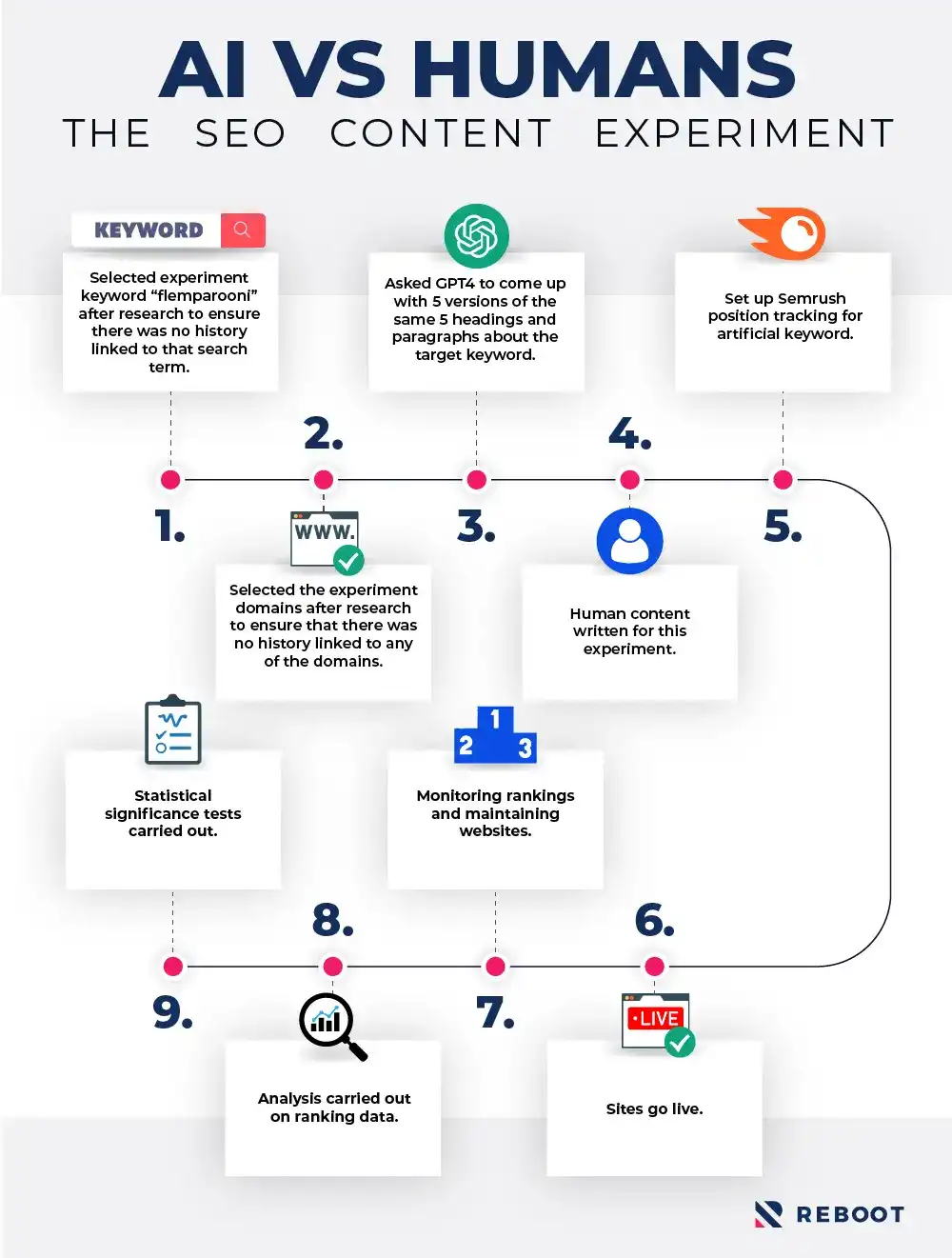
Your review process needs three checkpoints: fact verification against source material, brand voice alignment, and E-E-A-T signal strength. Semrush's 2024 study showed AI content can rank nearly as well as human content when quality matches—but only when humans guide the process. Without editorial oversight, you're essentially rolling dice with your domain authority.
Train AI on Your Actual Brand Voice
Generic AI content gets spotted immediately. Sprout Social research shows 86% of consumers expect distinctive brand voices, yet most AI defaults to that same corporate middle ground. The fix? Feed your AI tool actual examples of your best-performing content.
Seo-Writer handles this through customizable content calendars that maintain consistent voice while scaling production. You upload your style guide, feed it examples, then create reusable templates. According to Google's E-E-A-T framework, your brand needs clear signals of credibility—expert bios, authoritative backlinks, structured data—not just polished AI prose.
Avoid the Classic AI SEO Traps
Keyword stuffing and duplicate content aren't just bad practice with AI—they're ranking killers. Microsoft recently confirmed that when language models encounter duplicate pages, they cluster them and randomly pick one to surface. Your carefully optimized page? Might get ignored for an outdated version.
The mistakes teams make: letting AI insert keywords without context, publishing syndicated content without canonical tags, and creating regional pages that aren't meaningfully different. Google's Search guidance is clear—their SpamBrain systems detect patterns in spam content "however it is produced."
Instead, audit your AI output weekly for brand voice compliance and keyword density. Run duplicate content checks before publishing. The winning teams? They're using AI to handle 80% of the heavy lifting while reserving human creativity for the 20% that defines their brand position.
Sources:
- Google Search's guidance about AI-generated content
- AI Content vs Human Content: What Actually Wins in 2025?
- AI-Assisted SEO Content Agency With Expert Human Editing
- How Google's E-E-A-T Framework Impacts Brand Visibility in AI
- Humanizing AI Marketing: The Art of Balancing Automation
- Duplicate content can kill your AI SEO visibility
Best Practices 7-8: Performance Tracking and Continuous Improvement
Setting up analytics without a plan is like buying a treadmill and using it as a coat rack. Teams working with Seo-Writer need to track specific metrics that actually matter—not just vanity numbers that look impressive in reports.
Track Metrics That Tell the Real Story
Start with the fundamentals: organic traffic growth, keyword rankings, and click-through rates from search results. But here's what most teams miss—track AI visibility metrics, which measure how often AI tools like ChatGPT and Perplexity cite your content. According to Semrush's AI Visibility Toolkit, brands appearing in AI-generated responses see 30-40% higher engagement than those relying solely on traditional SERP visibility.
For Seo-Writer outputs specifically, monitor dwell time and bounce rates by content source. If AI-generated articles consistently show 15-second bounce rates while human-edited pieces keep readers engaged for three minutes, you've found your quality gap. Track conversion rates and lead generation from AI content separately—business goals matter more than word counts.

Build Feedback Loops That Actually Improve Output
The difference between teams that scale with AI and those that drown in mediocre content? Continuous feedback loops. Start by reviewing every tenth article manually—check brand voice consistency, factual accuracy, and whether it actually answers the target query better than competitors.
Create a simple rating system: flag content as "publish as-is," "needs minor edits," or "requires human rewrite." Feed this data back into your Seo-Writer prompts and templates. Companies using structured feedback systems report 25% improvement in content quality within 90 days.
Set up automated alerts for performance anomalies. If an AI-generated article targeting [email marketing tips] drops from position 4 to 11, investigate immediately. According to CapstonAI's 2025 analysis, sub-page engagement metrics reveal exactly which sections lose readers—fix those specific paragraphs rather than rewriting everything.
The real power move? Run monthly content audits comparing your AI-generated pieces against top-ranking competitors, then update your content briefs with what's working. Teams that treat AI content as a first draft needing real-world refinement—rather than a finished product—consistently outperform those chasing pure automation.
Implementation Guide: Rolling Out These Best Practices in Your Team
Look, most implementation guides fail because they treat rollout like a checklist instead of a behavior change. Your team doesn't need another "strategic initiative"—they need a framework that actually sticks.
The First-Week Reality Check
Start by auditing what's already happening. According to AI & LLM Use Policy: Development and Implementation, 74% of companies can't show tangible ROI from AI investments because they skip the discovery phase. Spend three days documenting who's using AI tools (spoiler: they already are), which ones, and for what. This isn't surveillance—it's understanding reality before you try to change it.
Week one should also establish your AI team structure. Vellum AI's transformation playbook recommends a central AI team plus distributed domain leads—one person owns standards, others own delivery in their departments. Without this, you'll get endless Slack threads about "who approves this" six weeks from now.

Weeks 2-3: Build Your Minimum Viable Process
Here's where teams make the biggest mistake: trying to implement everything at once. Sanity's 30-day guide is blunt about this—pick one expensive chore and eliminate it first. Maybe it's meta descriptions. Maybe it's product variant copy. Calculate the hours saved, show the math, then move to the next process.
For content teams specifically, Seo-Writer handles this progression well by starting with keyword research automation, then moving to content generation, then auto-publishing. Each phase builds on the last instead of overwhelming your workflow. Your writers should see this as gaining a research assistant, not fighting for their jobs.
Week three is when you establish your quality gates. LinkedIn's case study data shows AI content still needs human oversight to perform. Create a simple checklist: brand voice check, fact verification, EEAT compliance. If it passes, publish. If not, iterate. Don't create a 47-step approval process that kills velocity.
Week 4: Measure What Actually Matters
Stop tracking vanity metrics like "articles published." Track what Worklytics recommends: adoption rates per department, productivity improvements, and quality scores. Set up a simple dashboard showing hours saved, content velocity, and search performance trends.
The teams getting this right run weekly 15-minute reviews—not monthly PowerPoints. Petronella's enterprise training programs emphasize continuous improvement over one-time training dumps. Your content quality should be improving week-over-week, not plateauing after the initial excitement wears off.
Common pitfall? Forgetting to celebrate wins. When organic traffic jumps 23% or you ship twice the content in half the time, make noise about it. That's how adoption spreads organically instead of through mandates nobody follows.
8 Seo Writer.ai Best Practices for seo-writer.ai Teams
Most SEO teams using AI content tools hit the same wall: they publish 50+ articles per month, see initial ranking bumps, then watch their traffic crash within 90 days. The pattern is so predictable that Google's SpamBrain algorithms now detect it automatically. Yet a small group of teams using platforms like Seo-Writer are avoiding this trap entirely—publishing at scale while maintaining ranking stability and driving consistent conversions. The difference isn't the tool. It's the system they've built around it. Here's exactly what those high-performing teams are doing differently, broken down into eight specific practices you can implement starting today.
From Chaos to Systematic Growth: Your Next Steps
The eight best practices aren't isolated tactics—they're a complete system where each component reinforces the others. Strategic keyword research prevents your automation from optimizing for the wrong targets. Quality gates catch issues before they tank your domain authority. Performance tracking reveals which content clusters actually drive revenue, not just vanity metrics. Teams treating these as a checklist miss the point entirely.
Here's your specific next step: Start with Best Practice #1. Spend this week auditing your current keyword strategy before you automate another word. Map your existing content to revenue outcomes. Identify the 20% of topics driving 80% of conversions. Then use Seo-Writer to scale what's already working—not to guess at what might. The platform handles competitor analysis, keyword research, and automated content generation across WordPress, Shopify, and Webflow, but only after you've defined the strategic foundation.
The teams winning with AI content aren't publishing more—they're publishing smarter. They're using automation to handle the 80% of work that doesn't require creative judgment, while reserving human expertise for the 20% that defines their brand position. That balance isn't optional anymore. It's how you compete when everyone has access to the same AI tools. Start building your system today, and your 90-day traffic chart will tell a very different story than your competitors'.