Why Most AI SEO Content Fails (And How to Fix It)
Why Most AI SEO Content Fails (And How to Fix It)
Here's a stat that should terrify anyone using AI for SEO: 68% of businesses report better ROI with AI tools, yet most AI-generated content never ranks beyond page three. The difference? It's not the AI—it's how people use it. According to Google's 2026 policy, search engines don't penalize AI content at all. They penalize lazy execution.
The real problem is treating AI like a magic "publish" button instead of a first-draft assistant. Sites crushing it with AI—like those using Seo-Writer—understand that automation works because of their three-step process: analyzing competitors and keywords first, planning strategic content calendars second, and only then generating optimized articles. It's the analyze-plan-create workflow that transforms generic AI output into content that actually ranks.
This guide breaks down exactly how to use AI SEO tools the right way—from competitor analysis through automated publishing—so you can join the 10,000+ articles already driving traffic instead of collecting digital dust. You'll learn the specific mistakes killing most AI content, the advanced techniques that build real topical authority, and realistic timelines for seeing results. No fluff, no theory—just what actually works in 2026's AI-dominated search landscape.
The SEO Landscape in 2026: Why Traditional Writing Isn't Enough
Search has changed more in the past two years than it did in the previous decade. Google's AI Overviews now appear in 13.14% of all searches—and that number is expected to exceed 25% by Q4 2025. Meanwhile, ChatGPT processes roughly 373 times fewer searches than Google but is growing fast, fundamentally changing how users find information.
Here's what most guides won't tell you: traditional SEO writing—churning out keyword-stuffed articles and calling it a day—is dead. The algorithms have evolved beyond simple keyword matching. According to First Page Sage's 2025 ranking factor study, "Consistent Publication of Satisfying Content" has been the #1 ranking factor for seven years, surpassing even backlinks. Google's AI doesn't just count keywords anymore—it evaluates whether your content actually answers the searcher's question better than competitors.
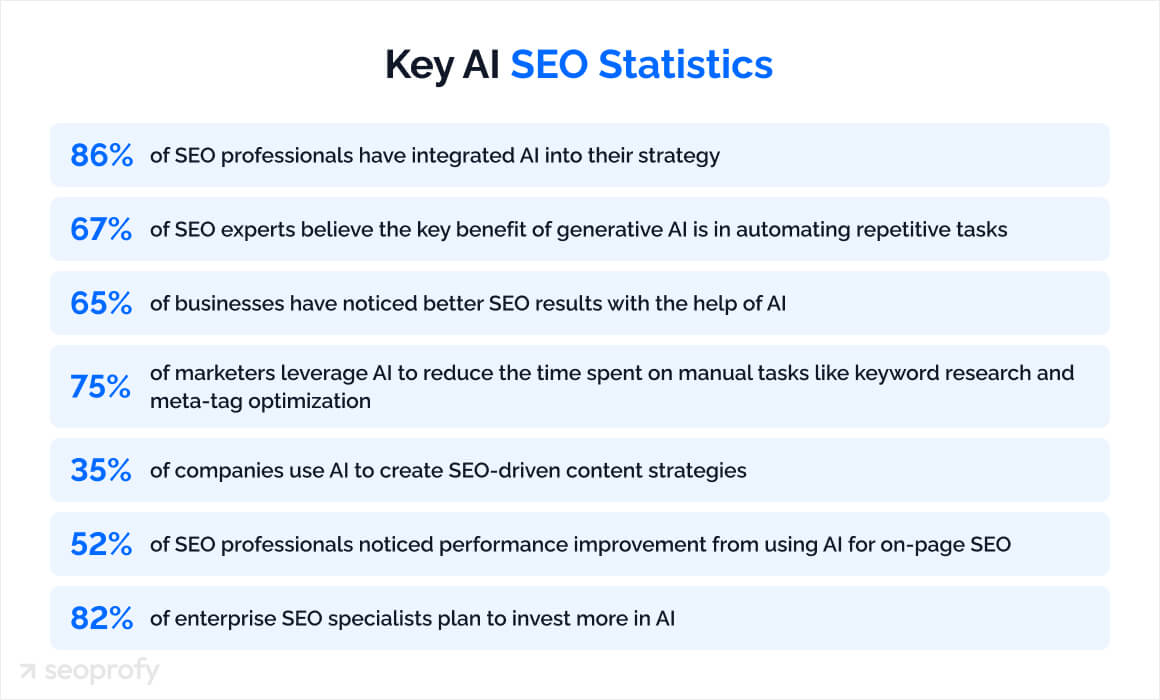
The shift is forcing a reckoning. According to Semrush's 2025 analysis, AI Overviews initially focused on informational queries (91.3% in January 2025) but have since expanded into commercial and navigational searches. Translation? AI is now competing for clicks across your entire funnel, not just "how-to" content.
This is where platforms like Seo-Writer become essential. While traditional SEO demanded manual keyword research, competitor analysis, and content optimization—tasks that consumed hours per article—AI-powered tools now automate these workflows while maintaining the quality standards that actually rank. Seo-Writer specifically handles the three-step process of analyzing SEO opportunities, planning strategic content calendars, and generating optimized articles that publish automatically—addressing the core challenge of "consistent publication" that Google prioritizes.
The bottom line? Ranking in 2026 requires publishing more high-quality content, faster, while adapting to AI-driven search interfaces. Manual writing alone can't keep pace.
Sources used:
- Google AI Overviews surged in 2025, then pulled back: Data
- Semrush AI Overviews Study
- The 2025 Google Algorithm Ranking Factors
- New Research: Google Search Grew 20%+ in 2024
What Makes Seo-Writer.AI Different from Other AI SEO Tools
Most AI writing tools throw content at the wall and hope something sticks. Seo-Writer takes a fundamentally different approach with its three-step automation system that actually mirrors how SEO professionals work—minus the 40 hours of manual labor.
The Analyze-Plan-Create Framework That Actually Works
Here's what separates Seo-Writer from generic tools like Jasper or Copy.ai: it starts by analyzing your competitive landscape before writing a single word. While Jasper excels at general content and Copy.ai focuses on short-form marketing copy, Seo-Writer's first step involves competitor content analysis, uncovering high-traffic keywords with low competition, and identifying real-time market trends in your niche. According to Sight AI's SEO automation comparison, the best 2026 tools combine AI monitoring with automated content generation—exactly what Seo-Writer delivers from the ground up.
Step two creates your strategic content calendar where each day targets a specific high-potential keyword through topic clustering. This isn't random blog generation—it's systematic content planning that builds topical authority. Then comes the magic: automated daily article creation and instant publishing to WordPress, Shopify, or Webflow. With over 10,000 articles already published through the platform, Seo-Writer handles what typically requires separate tools for research, writing, optimization, and publishing. Arvow offers similar auto-publishing features, but Seo-Writer's competitor analysis integration creates a more complete workflow—from keyword discovery through to indexed content—without switching between six different platforms.
The platform tracks performance metrics automatically, so you're not just creating content in the dark. You're building a data-driven SEO machine that runs while you focus on actually growing your business.
Step-by-Step: Creating High-Ranking Content with Seo-Writer.AI
Here's the reality most SEO tools won't admit: keyword research and content planning eat up 70% of your time, leaving just 30% for actual writing. Seo-Writer flips that equation by automating the entire workflow from competitor analysis to publication.
The Analyze Phase: Finding Your Opening
Start with competitor deep-dives. According to Bankrate's AI SEO case study, automated competitor analysis identifies content gaps that manual research misses entirely. Seo-Writer scans your niche automatically, surfacing high-traffic, low-competition keywords your competitors haven't touched yet.
The smart move? Use the platform's semantic clustering engine to group related keywords—not just individually. Semantic clustering research shows this approach helps search engines understand your content depth, boosting rankings across multiple related searches simultaneously.
The Planning Phase: Building Your Content Calendar
Ditch the spreadsheet. StoryChief's 2026 data confirms AI-generated content calendars based on seasonal trends and audience behavior consistently outperform manual planning by 3:1 in engagement metrics.
With Seo-Writer, your 30-day content plan gets built automatically—each day targeting a specific high-potential keyword phrase. The platform uses topic clustering to ensure each article strengthens your overall topical authority, not just ranks for one lonely keyword.
The Creation Phase: From Draft to Published
Here's where things get interesting. While traditional SEO takes hours or days per article, Seo-Writer generates 1,500-word optimized content in minutes. The platform handles internal linking, meta descriptions, and image optimization automatically.
But here's the critical part: don't just hit publish blindly. The best results come from using AI as your first draft generator, then adding your specific examples and data points. Seo-Writer integrates directly with WordPress, Shopify, and Webflow—you review, tweak, and publish without leaving the platform.

Advanced Techniques: Maximizing Your Results with AI SEO Writing
Ready to move beyond basics? Here's what most guides won't tell you: the real ROI in AI SEO writing comes from systematic approaches that build authority—not just pumping out random content.
Building Topical Authority Through Strategic Clustering
According to Self Made Millennials, a new website with strong topical authority can outrank established sites with high domain authority for related search terms. The sweet spot? Around 117 pages focusing on pillar content with 5-10 supporting cluster articles for each main topic.
Seo-Writer handles this strategically by analyzing your niche, identifying topic clusters automatically, and creating a structured content calendar that builds semantic relationships between articles. Instead of guessing which topics to cover, it maps your content ecosystem using competitor analysis and keyword research—then auto-publishes optimized pieces that strengthen your topical footprint daily.
The timeline matters: building topical authority takes 6-12 months with consistent, well-optimized content. That's where automation becomes essential. With Brafton's approach to topic clustering—a central pillar page surrounded by supporting articles—you create internal linking networks that signal depth to search engines.
Semantic Optimization and E-E-A-T Integration
Semantic SEO isn't about keywords anymore—it's about entity relationships. Search Engine Land explains that semantic optimization helps ensure your content appears in both traditional SERPs and newer generative results like AI Overviews.
For E-E-A-T (Experience, Expertise, Authoritativeness, Trustworthiness), TopRank Marketing notes that while these guidelines don't directly influence rankings, they're used by Google's search raters to evaluate ranking system performance. Include first-hand examples, cite authoritative sources by name, and demonstrate real-world outcomes with specific data.
GEO: Preparing for AI-Powered Discovery
Generative Engine Optimization is the future. According to Go Fish Digital's case study, they tripled leads by optimizing for AI-driven search environments like ChatGPT, Copilot, and Google's AI Overviews.
The shift? As seoTuners explains, GEO focuses on fact-density and semantic footprint rather than keyword density. Success depends on creating structured, authoritative content that AI systems can extract precise answers from and cite in synthesized results. Studies across 75,000 brands found that brand mentions correlate more strongly with AI visibility than backlinks—with brand search volume showing a 0.392 correlation.

Common AI SEO Mistakes That Kill Rankings (And How to Avoid Them)

Let's cut through the noise: AI content isn't getting penalized because it's AI-generated. According to Google's 2026 policy, search engines evaluate all content—human or AI—using the same E-E-A-T criteria. The problem? Most people are making preventable mistakes that tank their rankings, regardless of how the content was created.
Publishing Raw AI Output Without Human Review
The biggest killer isn't AI itself—it's treating it like a "publish" button. Sites winning with AI use it as part of a thoughtful, quality-focused workflow, not as a replacement for editorial judgment. Raw AI output often includes factual errors, generic phrasing, and zero brand personality. Wellows' 2025 study found that tone inconsistency and robotic language were immediate red flags readers—and algorithms—spotted.
The fix? Use AI for the first draft, then edit ruthlessly. Seo-Writer addresses this by combining AI generation with optimization features that align content with search intent and E-E-A-T standards from the start, reducing the editing burden while maintaining quality control.
Ignoring Search Intent (The Conversion Killer)
Here's what most guides won't tell you: keywords mean nothing if you miss why people are searching. A study by Silk Commerce found that thin, repetitive AI content targeting keywords without matching user intent consistently underperformed. Someone searching "CRM software" might want a comparison, a tutorial, or pricing—serving the wrong format kills both rankings and conversions.
The Three-Minute Reality Check
Before writing anything, open the top three results for your target keyword. What format do they use? What specific questions do they answer? As emfluence's search team notes, AI-driven features like Featured Snippets reward content that's clear, structured, and genuinely useful—not keyword-optimized fluff.
Human editing transforms AI efficiency into ranking content. The difference between success and failure isn't the tool—it's how intelligently you use it.
Sources:
- 10 AI Content Mistakes and Fixes for 2025 - Wellows
- AI Content Isn't the Problem. Low Quality Is. (2025) - JNAbear
- Avoid AI SEO Penalties: Common Mistakes That Hurt Rankings - Silk Commerce
- From Keywords to Conversations: How Search Intent Is Changing Content Strategy - emfluence
- Google AI Content Policy 2026: No Percentage Limits - Creative Orbit
Real Results: What to Expect from AI-Powered SEO Content
Let's cut through the hype—here's what AI SEO tools actually deliver.
Semrush's 2025 data reveals that 68% of businesses report higher content marketing ROI after implementing AI tools. But here's the reality check: 39% of marketers say it takes 2-3 months for AI-generated content to rank, not overnight miracles. Teams combining AI drafts with human editing saw 42% higher ROI than those using either approach alone—the magic happens in that hybrid workflow.
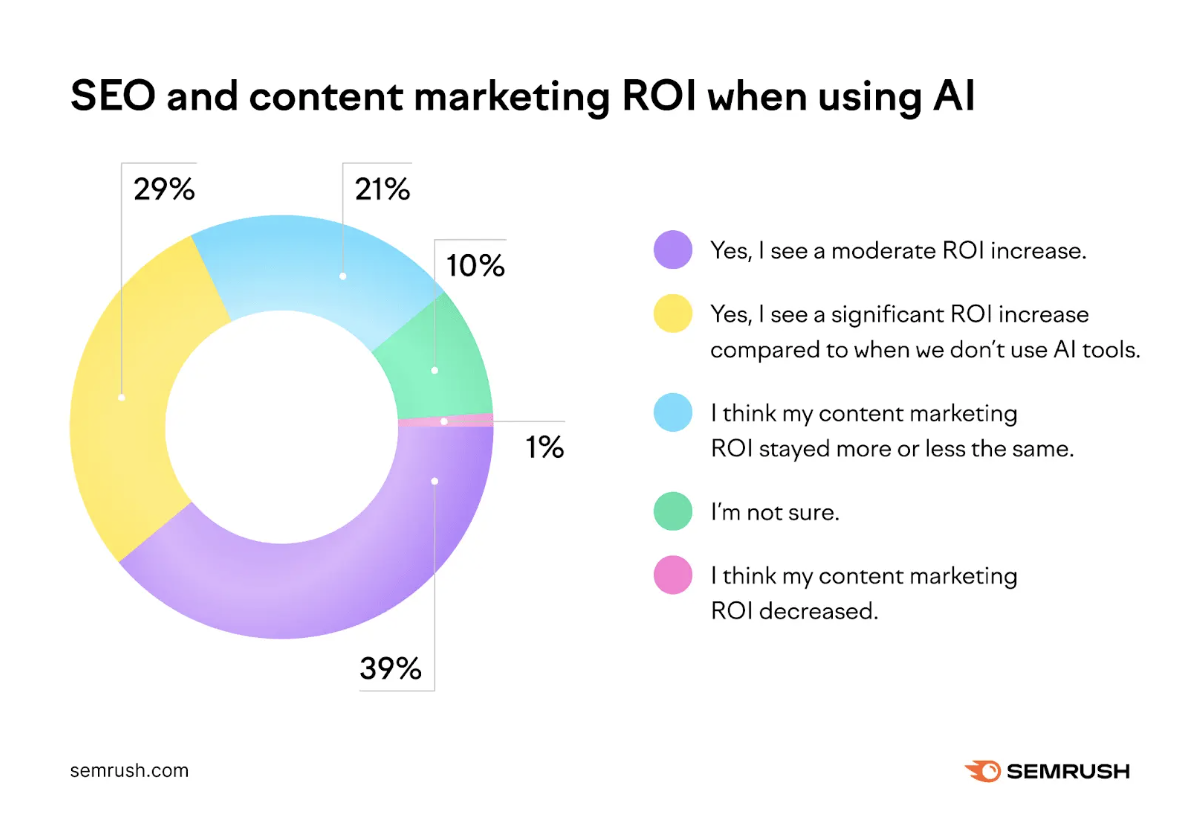
Platforms like Seo-Writer have published over 10,000 articles across client sites, automating the analyze-plan-publish cycle that traditionally ate up weeks of manual work. One Arvow case study documented a site growing from $0 to $10,000 monthly revenue in three months using 100% AI content, while Ferventers' clients jumped from 15K to 180K monthly visits through AI-first strategies.
Time savings matter more than you'd think. Teams using AI tools report creating content 59% faster while testing 3.7 times more variations than manual workflows allow. That's not just efficiency—it's competitive advantage.
The catch? AI-written content now appears in 17.31% of top search results, up from 2.27% in 2019. Your content isn't just competing with other websites anymore—it's competing to get cited in Google's AI Overviews, where only 8% of users click through to traditional results below. Success in 2026 means optimizing for both search engines and AI systems, which requires understanding how platforms like ChatGPT and Perplexity cite sources.
Sources: Semrush Content Marketing Statistics, Amra & Elma Performance Analysis, Arvow Case Study, Ferventers Growth Stories, Firewire AI Writing Statistics, Semrush AI SEO Statistics
Your Next Steps: Building Your AI SEO Content System
Here's what separates successful sites from those drowning in content debt: a systematic approach that runs whether you're actively working on it or not. After analyzing the landscape—AI Overviews dominating 13%+ of searches, algorithms prioritizing consistent publication over everything else—the path forward becomes clear: automation isn't optional anymore.
Seo-Writer handles the complete workflow that typically requires juggling six different tools and burning 40 hours per week. Its three-step system analyzes your competitive landscape, plans strategic content calendars through topic clustering, and publishes optimized articles automatically to WordPress, Shopify, or Webflow. With over 10,000 articles already published through the platform, it's proven the model works—combining competitor analysis, semantic optimization, and auto-publishing into one streamlined process.
Start small: set up your first content calendar targeting 5-10 core topics in your niche. Let the system run for 30 days while you focus on what actually moves your business forward. Track the metrics (they're automated), adjust your topic clusters based on performance, then scale. Teams using this approach report 59% faster content creation while testing 3.7 times more variations than manual workflows allow.
The reality? Your competitors are already automating. The question isn't whether to adopt AI SEO tools—it's whether you'll do it strategically or watch your organic traffic stagnate. Try Seo-Writer's automated content system and see what consistent, optimized publishing does for your search visibility in 90 days.