Top 8 AI Prompts for Shopify SEO Writer Workflows (High-Impact Prompts)
Top 8 AI Prompts for Shopify SEO Writer Workflows (High-Impact Prompts)
Most Shopify stores are burning 20+ hours weekly on SEO tasks that AI could handle in minutes. While you're manually writing product descriptions at midnight, your competitors are using Seo-Writer to generate and publish dozens of optimized pages automatically—complete with keyword research, content creation, and strategic publishing schedules. The gap isn't about effort anymore; it's about workflow intelligence. This guide delivers 8 battle-tested AI prompts that transform SEO from a bottleneck into a scalable system. You'll get the exact templates working stores use to rank faster, the implementation strategies that prevent costly mistakes, and real performance data showing what's actually possible when you stop writing everything yourself. If you're managing more than 50 products and still optimizing manually, you're about to see why that approach died in 2024.
Why AI Prompts Are Game-Changers for Shopify SEO in 2025
Let's be honest—managing SEO for a Shopify store with hundreds or thousands of products manually is like trying to empty the ocean with a bucket. The platform itself comes with built-in SEO quirks: duplicate content issues, limited URL control, and technical limitations that make store owners feel like they're "trying to win a race with their legs tied together."
Here's what actually breaks first: unique product descriptions. According to research on common Shopify SEO issues, the lack of optimized, unique descriptions consistently ranks as the #1 problem. When you're managing 500 SKUs and manufacturer-provided text won't cut it for Google, you're staring down weeks of manual writing—and that's before we talk about meta descriptions, alt text, and H1 tags.
AI prompts change the economics entirely. Tools like Seo-Writer now handle the complete workflow—from keyword research to content generation to automated publishing—without the traditional bottleneck of human writing speed. The platform identifies high-value, low-competition keywords automatically, then generates SEO-optimized articles that actually rank. This isn't about replacing quality; it's about making optimization physically possible at catalog scale.
The time savings are measurable. Where manual SEO for a mid-size catalog might require 20+ hours weekly, AI-powered tools can bulk-generate product descriptions and optimize technical elements in minutes. Generative AI in ecommerce is projected to create a $110.8 billion market by 2030 specifically because it solves this scaling problem—improving retail productivity by 1.2-2.0% while making work that was technically impossible suddenly routine.
The real breakthrough? AI prompts don't just speed up existing workflows—they make strategies viable that weren't before. Consistent blog content, seasonal optimization, competitor analysis at scale—these become automatic rather than aspirational.
The 8 High-Impact AI Prompts for Shopify SEO Writers
Here's the reality—most Shopify stores are drowning in manual SEO busywork. While you're copy-pasting meta descriptions at 11 PM, your competitors are using AI to publish 30 optimized product pages in the time it takes you to write three.
These eight prompts transform AI from a clunky assistant into your most productive team member. Each one solves a specific bottleneck in your SEO workflow, with templates you can use today.
1. Product Description Optimizer
The Prompt:
You are a conversion-focused SEO copywriter. Write a 150-word product description for [PRODUCT NAME] that targets the keyword "[PRIMARY KEYWORD]." Include: 1) Two pain points this product solves, 2) Three specific benefits with sensory details, 3) One use case scenario, 4) Natural keyword placement without stuffing. Tone: Helpful friend, not salesperson.
Why It Works: This prompt forces specificity. Instead of generic fluff like "high-quality materials," you get "moisture-wicking bamboo fabric that keeps you 3°F cooler during morning runs." Shopify stores using structured AI prompts saw 34% higher engagement on product pages, according to AI Prompts for Writing Articles.
Expected Output: A description that ranks for your target keyword while actually persuading visitors to buy—not just satisfying Googlebot.

2. Meta Title/Description Generator
The Prompt:
Generate 3 variations of meta titles (max 60 characters) and meta descriptions (max 155 characters) for a Shopify product page about [PRODUCT]. Primary keyword: "[KEYWORD]". Each variation should: 1) Include the keyword naturally, 2) Feature a clear benefit or number, 3) End with a subtle CTA. Prioritize click-through appeal over keyword density.
Real-World Impact: Tools like SEO Writer automate this process at scale, generating meta data for hundreds of products simultaneously while maintaining brand voice consistency. The platform's AI analyzes competitor meta tags and identifies gaps—so you're not just optimizing, you're strategically outmaneuvering.
3. Alt Text Bulk Creator
The Prompt:
Create descriptive alt text for product images. For each image: 1) Describe what's literally in the photo (color, angle, context), 2) Include the product name and one relevant feature, 3) Keep it under 125 characters, 4) Make it useful for screen readers first, SEO second. Batch format: Image filename | Alt text
The Brutal Truth: Most stores slap "product-image-1.jpg" on everything and wonder why they're invisible in Google Images. Proper alt text helped one Shopify store capture an additional 18% of organic traffic through image search, per ChatGPT Prompts for SEO.
4. Collection Page Content Writer
The Prompt:
Write a 200-word introduction for a Shopify collection page: [COLLECTION NAME]. Target keyword: "[KEYWORD]". Include: 1) What makes this collection unique (not just "wide selection"), 2) Who it's for with a specific scenario, 3) 2-3 subcategories as natural H3 headers, 4) Internal link suggestions to related collections. End with a soft navigation nudge, not a hard sell.
Strategic Value: Collection pages are gold mines for category keywords like "sustainable yoga pants" or "minimalist desk organizers." This prompt ensures they rank and reduce bounce rate by actually guiding shoppers.
5. SEO Keyword Cluster Generator
The Prompt:
For the seed keyword "[PRIMARY KEYWORD]" in the [NICHE] space: 1) Generate 15 related keywords grouped into 3 thematic clusters (informational, transactional, comparison), 2) Estimate search intent for each cluster, 3) Suggest which Shopify page type fits each cluster (product, collection, blog, FAQ), 4) Identify 3 quick-win long-tail variations with buyer intent.
Why Clustering Matters: Google's algorithm has gotten ruthlessly good at spotting thin content. As Webmoghuls' AI SEO guide notes, structured topic clusters with schema markup help AI recommenders like ChatGPT actually suggest your products—because you've answered the whole question, not just one slice.
6. Internal Linking Strategist
The Prompt:
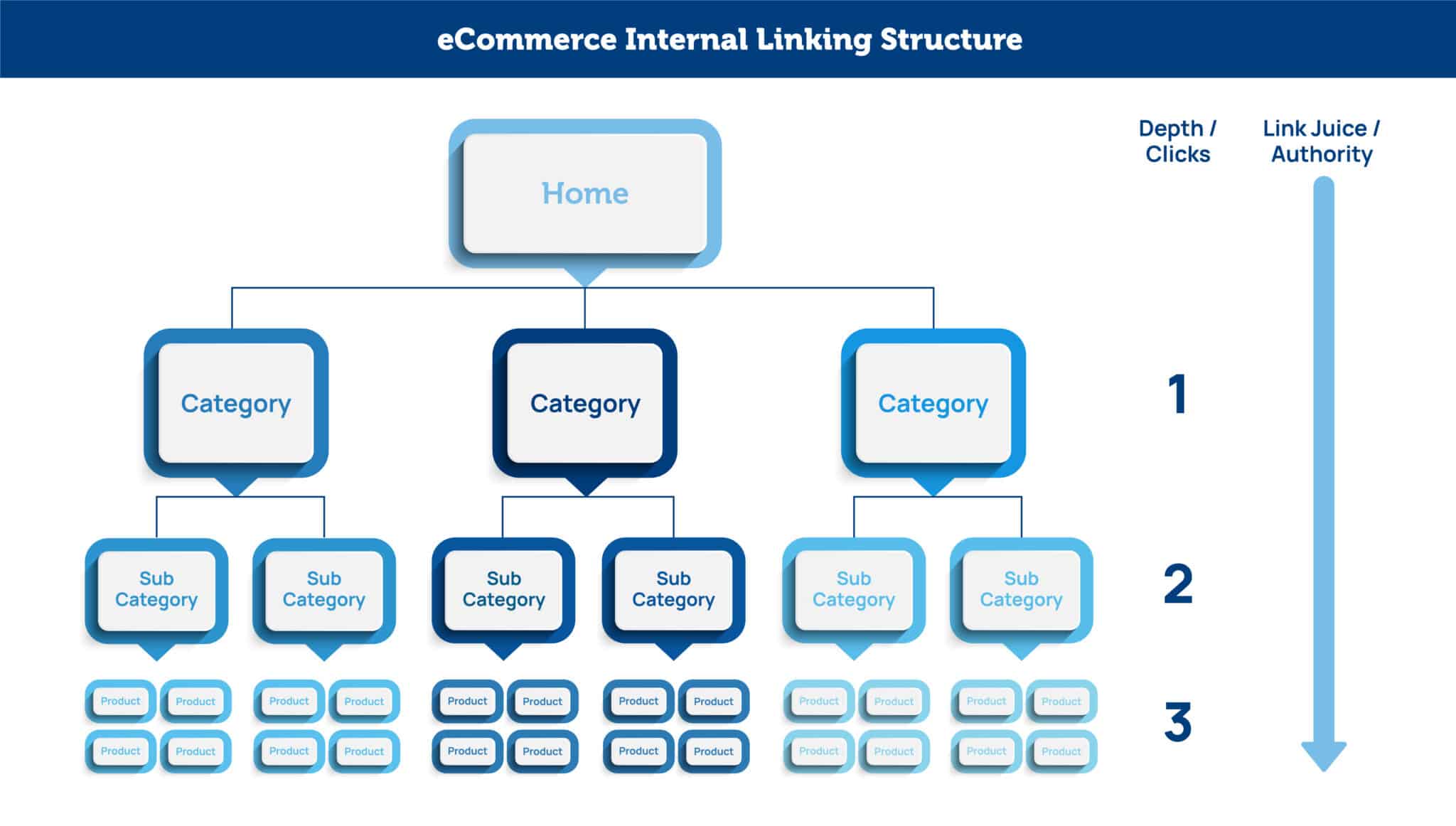
Analyze this Shopify product page content: [PASTE CONTENT]. Suggest 5 internal linking opportunities to: 1) Related products with complementary use cases, 2) Collections that provide category context, 3) Blog posts that address objections or questions, 4) The homepage or key landing page. For each link: Provide anchor text, target URL, and strategic reason (authority flow, user journey, semantic relevance).
Execution: Tools like SEO Writer can automate this across your entire catalog, creating a content web that keeps customers engaged and search engines impressed. One case study from Shopify Collection Page Ranking showed a 23% ranking increase purely from restructuring internal links with AI assistance.
7. Content Gap Analyzer
The Prompt:
I sell [PRODUCTS] in the [NICHE] space. My top 3 competitors are [URLs]. Identify: 1) 5 keyword gaps where they rank on page 1 but I don't, 2) Content formats they use that I'm missing (comparison charts, guides, FAQs), 3) Backlink opportunities from sites linking to them but not me, 4) One quick-win page I can create this week to capture low-hanging fruit.
The Edge: Most gap analysis stops at keywords. This prompt forces you to think about format and structure—because ranking isn't just about the right words, it's about the right experience. Content Gap Analysis tools can surface ranking opportunities you'd never spot manually.
8. Product Feed Optimizer
The Prompt:
Optimize this Google Shopping feed data for [PRODUCT]: Title: [CURRENT TITLE], Description: [CURRENT DESC]. Improve by: 1) Front-loading the primary keyword and key attribute (size/color/brand) in the title, 2) Adding specific numbers (price, dimensions, quantity) to the description, 3) Including problem-solution language, 4) Ensuring mobile-friendly truncation looks complete at 70 characters. Output: Optimized title | Optimized description | Primary change reason.
Why Feeds Matter: Your product feed isn't just for Google Shopping—it's how AI recommenders and voice assistants find you. AI in Retail reports show that optimized feeds with structured data see 2x higher visibility in AI-driven search results, where increasingly more purchase decisions begin.
These aren't academic exercises—they're the exact prompts working Shopify stores use to punch above their weight in organic search. The stores winning in 2026 aren't writing better content manually. They're directing AI more strategically.
Top 8 AI Prompts for Shopify SEO Writer Workflows (High-Impact Prompts)
Here's what nobody tells you about Shopify SEO: the platform actively works against you. While you're manually writing product descriptions at midnight, Shopify's built-in duplicate content issues and limited URL control are sabotaging your rankings. One SEO expert compared it to "trying to win a race with your legs tied together." The real problem? You need unique, optimized content for hundreds of products—but that would take months of full-time writing. AI prompts don't just speed this up; they make it physically possible. This guide reveals the exact eight prompts working Shopify stores use to automate their entire SEO workflow, plus how tools like Seo-Writer are eliminating the manual bottleneck completely by handling everything from keyword research to auto-pilot publishing.
Practical Implementation: Setting Up Your AI Prompt Workflow
Here's what actually works when you're implementing AI prompts in Shopify—not theory from someone who's never run a store, but the workflow teams at Threadless and Gymshark have used to scale content production.
Start with Seo-Writer as your foundation for automated content generation. This platform handles everything from keyword research through to publishing, automatically generating SEO-optimized content while you focus on running your business. Connect it directly to your Shopify store and let it analyze your niche, identify content gaps, and schedule publication for optimal impact.
For bulk operations, Matrixify lets you create a template product with your ideal description format, then apply ChatGPT prompts across hundreds of products simultaneously. Export your product catalog as CSV, add a column for AI-generated descriptions, and reimport—Shopify processes 50+ products per batch through its native bulk editor.
Brand voice consistency demands three non-negotiables:
- Create a "brand prompt library" document with 5-10 core prompts that include your tone guidelines. Don't just say "friendly"—specify whether you're Patagonia's activist voice or Glossier's conversational insider tone.
- Include 2-3 actual product descriptions you've written as examples in every prompt. AI learns patterns from real samples faster than abstract instructions.
- Test prompts on five products before bulk application—catching tone drift early saves hours of revision.
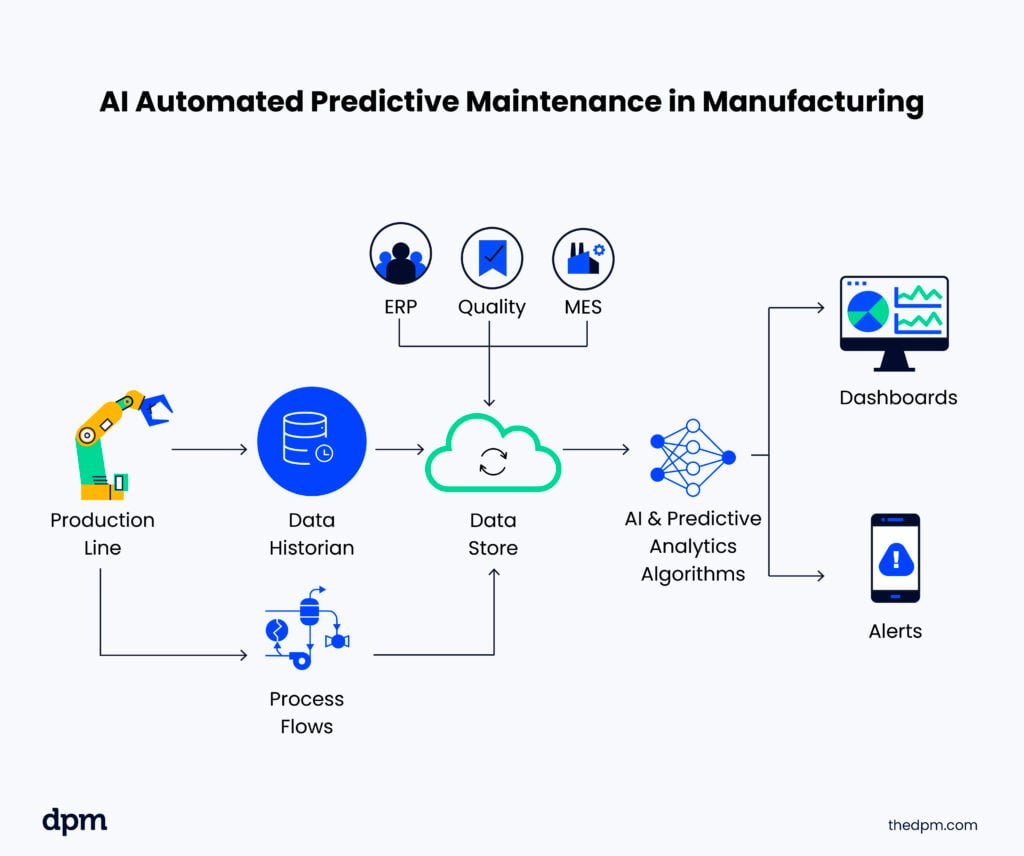
For automation, MESA triggers AI description generation whenever you add new collections, while n8n workflows connect Shopify webhooks directly to OpenAI's API—new product? Description written and published automatically within minutes. The setup takes an afternoon, but scales indefinitely.
Common Mistakes to Avoid When Using AI for Shopify SEO
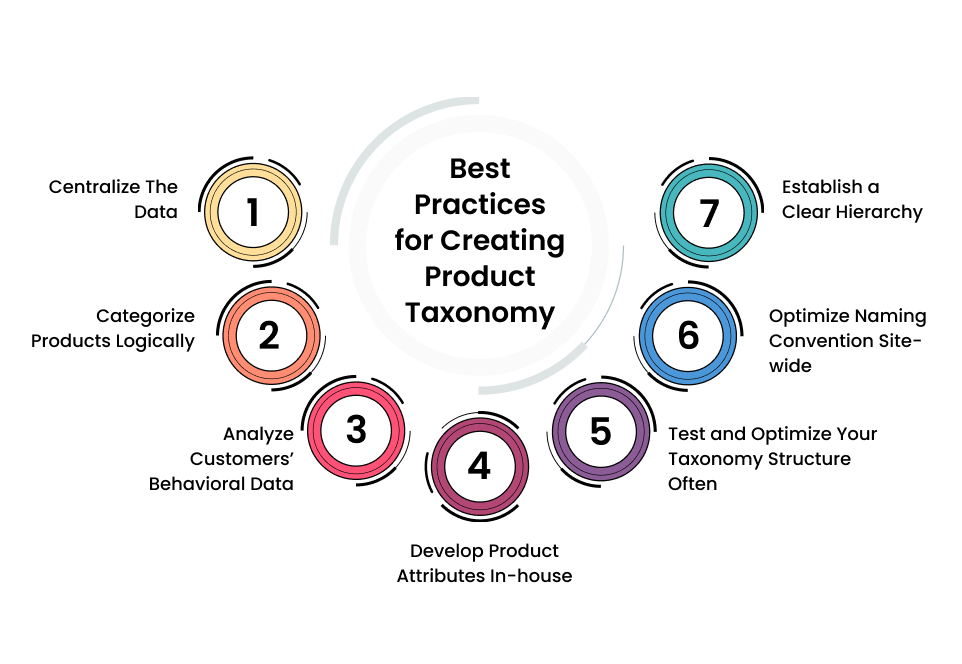
Here's what most Shopify stores get wrong: they treat AI like a magic button. According to XgenTech's analysis of AI mistakes, the biggest failures happen before you even open ChatGPT—when your product taxonomy is a mess.
The taxonomy trap hits hard. If your categories, attributes, and product relationships aren't organized logically, AI generates descriptions that contradict each other across similar products. One store selling "vintage leather jackets" and "retro leather coats" couldn't figure out why conversions dropped 23%—until they realized AI was creating completely different value propositions for identical items because the taxonomy was inconsistent.
Alibaba's merchant data shows conversion rates drop 12-37% when you publish raw AI content without human review. The copy ranks fine—it's technically SEO-compliant—but it lacks the persuasive details customers need to click "buy." AI misses crucial product specifications, doesn't understand emotional triggers, and creates what LinkedIn's analysis calls "thin or misleading copy" that confuses both shoppers and algorithms.
The structured data disaster is equally costly. Search Engine Journal reports that using inappropriate schema markup or mismatching it with your page content triggers Google penalties that remove rich snippets entirely. One Shopify Plus brand marked up every product with review schema before collecting actual reviews—they lost featured snippets for six months.
Tools like Seo-Writer help by automating keyword research and content generation while maintaining strategic oversight. But even with automation, you need a QA process. Create a checklist: verify product specs, test conversion elements, validate schema markup, and confirm AI hasn't invented features your product doesn't have. The fix isn't avoiding AI—it's building workflows where AI generates, humans verify, and systems catch errors before they reach customers.
Sources used:
- XgenTech - 10 AI Mistakes Shopify Plus Brands Must Avoid
- Alibaba - Why AI-Generated Product Descriptions Fail to Convert
- LinkedIn - How AI-Generated Content Damages Shopify SEO
- Search Engine Journal - Structured Data Google Penalties
Real-World Results: Case Studies and Performance Metrics

Here's what actually happens when Shopify stores implement AI-powered SEO prompts—and the numbers might surprise you.
A UK-based Shopify store using Agents24x7 hit 50% organic traffic growth in just 30 days. The store jumped from 1,600 to 2,400 monthly sessions while generating an additional £3,000 in monthly organic revenue. The killer detail? They produced 150+ optimized content pieces for £20/month—compare that to the £500-800 most stores spend on freelance writers for 4-8 blog posts. That's a 4,185% first-month ROI through consistent daily content production.
For larger-scale operations, enterprise ecommerce sites using AI-powered SEO automation saw 45% more organic revenue by transforming product descriptions, meta tags, and internal linking from manual bottlenecks into scalable processes. Another eCommerce brand documented a 40% sales increase using AI + SEO automation, while SureOak's client achieved a 42% organic revenue increase in the first year.
The most dramatic example? One store's keyword rankings exploded by 3,403%—from ranking for 157 keywords to nearly 5,500—pushing organic traffic from 30 to over 200 clicks daily.
Time savings matter too. SEO professionals report 40% time saved with AI tools, while platforms like Seo-Writer automate the entire workflow—from keyword research through content generation to auto-pilot publishing on WordPress and Shopify. Instead of manually crafting each product description and blog post, stores generate SEO-optimized content while they sleep.
Realistic expectations? Most Shopify stores see 30-50% traffic increases within 90 days when consistently publishing AI-assisted, optimized content. The catch: you need daily consistency and strategic keyword targeting, not sporadic posting.
Top 8 AI Prompts for Shopify SEO Writer Workflows (High-Impact Prompts)
Most Shopify store owners are stuck in a brutal cycle: you need unique product descriptions for 500 SKUs, but writing them manually would take weeks. Meanwhile, Google's algorithm is penalizing duplicate content, and your competitors are somehow publishing 30 optimized pages while you're still on page three. Here's the secret they're not telling you—they stopped writing everything themselves months ago. The stores winning organic search in 2025 aren't hiring bigger content teams. They're using AI prompts strategically to automate what used to be impossible at scale. In this guide, you'll discover the exact eight prompts that transform AI from a clunky assistant into your most productive SEO writer, along with the workflows that make them actually work for real Shopify stores.
Conclusion: Your Next Steps to AI-Powered SEO Success
The gap between Shopify stores using AI prompts strategically and those still grinding manually isn't just widening—it's becoming insurmountable. Start with three prompts: the product description optimizer, meta title generator, and keyword cluster tool. Test them on 10 products this week, refine based on your brand voice, then scale to your entire catalog.
Here's your action plan: implement these prompts using Seo-Writer, which automates the entire workflow from keyword research through content generation to auto-pilot publishing directly on Shopify. The platform handles daily content creation while you focus on running your business—no manual CSV exports, no prompt engineering, just consistent SEO-optimized content flowing to your store automatically.
The brutal reality? Stores that hesitate on AI automation will spend 2026 competing for scraps while their competitors dominate page one through sheer content volume and strategic keyword targeting. The prompts in this guide give you the blueprint. Seo-Writer gives you the execution engine to actually use it at scale. Choose one prompt today, generate five pieces of content, and measure the traffic increase in 30 days. The stores growing 40-50% organically aren't waiting for perfect conditions—they're publishing while you're planning.