The Complete SEO Writing Tools Guide for seo-writer.ai (2026)
The Complete SEO Writing Tools Guide for seo-writer.ai (2026)
93% of searches in Google's AI Mode result in zero clicks. Read that again—you could rank on page one and still get no traffic.
This isn't a prediction. According to Semrush's 2025 study tracking 2 billion monthly users, your perfectly optimized content might never get visited even when it ranks well. The explosion of AI Overviews in ChatGPT, Perplexity, and Google itself has fundamentally changed what "winning at SEO" actually means.
Here's the disconnect: 56% of marketers already use generative AI for content creation, yet most are still stuck in 2023 workflows—manually researching keywords, writing drafts in Google Docs, copy-pasting into WordPress, then crossing fingers for traffic. That approach worked when Google was the only game in town. In 2026, you're competing across multiple AI search engines that cite sources differently, rank factors that traditional SEO tools don't measure, and audiences who expect instant, authoritative answers.
This guide breaks down exactly which SEO writing tools actually work in this new landscape—from automated content engines like Seo-Writer that handle everything from competitor analysis to auto-publishing, to specialized optimizers like Surfer SEO and comprehensive suites like Semrush. You'll learn what separates exceptional tools from mediocre ones, how to avoid the critical mistakes that tank AI-generated content (36.5% of marketers have accidentally published hallucinated information), and advanced strategies for scaling quality content while maintaining the human expertise that Google's E-E-A-T guidelines demand.
Why SEO Writing Tools Matter More Than Ever in 2026
Here's what most SEO guides won't tell you: by 2026, the game has fundamentally changed. According to Semrush's 2025 AI search study, Google AI Overviews now reach 2 billion monthly users and appear in over 200 countries. But here's the kicker—93% of searches in Google AI Mode result in zero clicks, meaning your perfectly optimized content might never get visited even if it ranks well.
This shift has made AI-powered SEO tools essential rather than optional. DemandSage's research reveals that 56% of marketers already use generative AI for SEO, and 72% of marketing roles—including 69% of SEO specialists—will be impacted by AI automation. Content teams at companies like Shopify and Stripe are using AI tools to cut production time in half while scaling output without sacrificing quality.
The competitive advantage now belongs to teams leveraging intelligent automation. Platforms like Seo-Writer handle the entire workflow—from analyzing competitor gaps and researching high-potential keywords to generating optimized content and auto-publishing across multiple channels. This consolidation matters because manual SEO workflows simply can't keep pace with algorithm updates happening monthly.
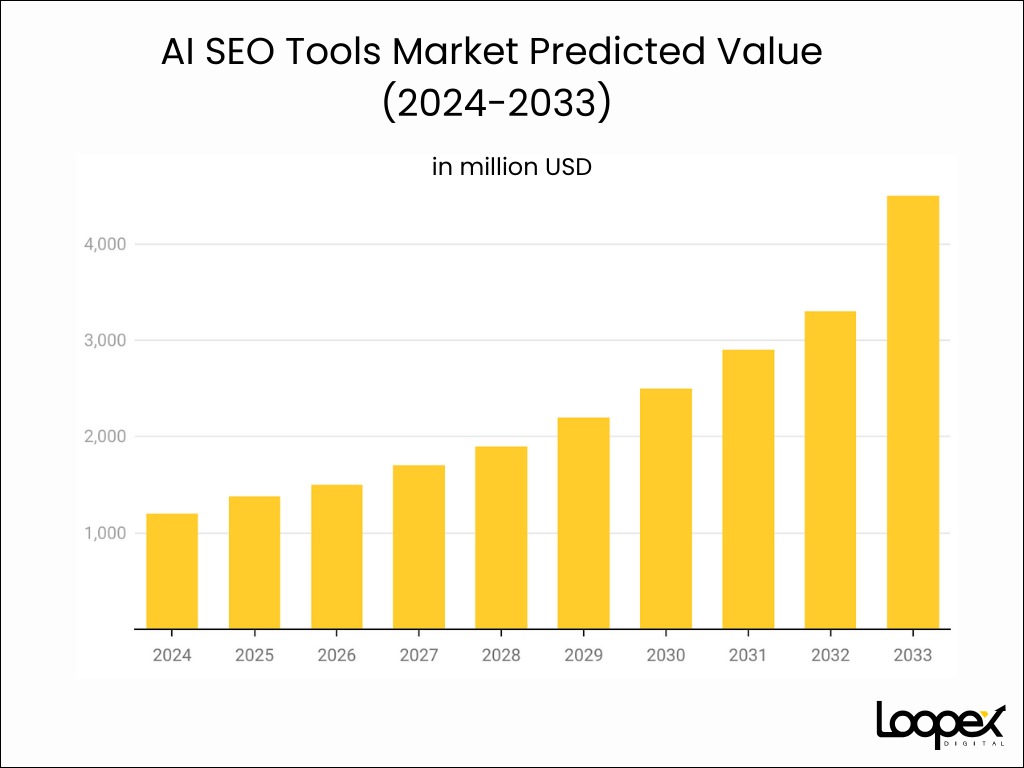
The reality check: AI doesn't make traditional SEO irrelevant—it amplifies what works. According to Surfer SEO's analysis, pages with structured, fact-dense content still get cited in AI Overviews more frequently. But creating that level of quality at scale requires AI assistance. Teams either adapt their workflows now or spend increasingly more time for diminishing returns.
Sources:
What Makes a Great SEO Writing Tool in 2026
The gap between a truly exceptional SEO writing tool and a mediocre one? It comes down to how many stages of the content pipeline it actually covers—and whether it can think strategically, not just generate words.
Here's what separates the contenders from the pretenders in 2026:
Beyond Basic Generation: End-to-End Coverage
The best tools don't just spit out content—they handle research, strategy, writing, optimization, publishing, and monitoring. Frase, for instance, is one of the few platforms covering all six stages of the SEO content pipeline, from initial SERP analysis through AI visibility tracking across ChatGPT, Perplexity, and Google AI Overviews.
That matters because Seo-Writer and similar platforms have proven that automation through publishing—not just up to it—is where real efficiency lives. The smartest tools in this space now auto-publish across multiple platforms while maintaining SEO integrity.
Intelligence That Actually Understands Intent
Modern SEO writing tools use Natural Language Processing (NLP) to decode what top-performing pages are doing right. Surfer SEO's NLP engine analyzes topic coverage gaps and keyword placement patterns in real time, giving you an objective content score that removes the guesswork.
The difference? Tools like NeuronWriter extract information from top-ranking pages and use that data to optimize your content—not just match keyword density.
Workflow Automation That Scales
Elite platforms consolidate keyword clustering, SERP analysis, and content management into one environment. According to research on AI-powered tools, agencies managing 50-100% more clients are doing it by automating low-value tasks like data entry and routine reporting—freeing teams to focus on strategy.
And here's the kicker: the best tools now support 50+ languages. Platforms like SEObot make international SEO accessible by generating multilingual content that maintains both quality and search intent across markets.
The brutal truth? If your SEO writing tool can't automate competitor analysis, predict content performance, and optimize for both traditional search and AI-generated answers, you're working harder than you need to.

Sources:
- Frase - Best AI SEO Agents in 2026
- MarketBetter - Best Content Optimization Tools
- ALM Corp - AI Tools for Digital Agencies 2026
- SEObot - Best AI SEO Agents in 2025
The Complete SEO Writing Tools Guide for seo-writer.ai (2026)
Here's what 72% of marketing teams won't admit: they're drowning in manual SEO workflows while AI-powered competitors publish quality content at 10x their speed. By 2026, Google AI Overviews reach 2 billion users monthly, yet 93% of those searches result in zero clicks—meaning traditional SEO strategies are hemorrhaging effectiveness. The gap between teams scaling traffic and those treading water? Intelligent automation that handles everything from competitor analysis to auto-publishing.
This guide breaks down the best SEO writing tools for 2026, with special focus on platforms that don't just help you write—they strategically plan, optimize, and publish content while you sleep. You'll discover which tools actually deserve your budget, how to implement them for maximum ROI, and the critical mistakes that tank rankings even with premium software. Whether you're managing an agency or building an in-house content team, the playbook has fundamentally changed. Let's examine exactly how.
Our Top Pick: Why Seo-Writer.ai Leads the Pack
After evaluating the entire landscape of AI-powered SEO tools in 2026, Seo-Writer stands out as the clear leader for one simple reason: it's the only platform that genuinely runs on autopilot without sacrificing quality.
Most SEO tools stop at content optimization or keyword research, leaving you to manually bridge the gap between strategy and execution. Seo-Writer eliminates that friction entirely with its three-step automated workflow. Step one: the platform analyzes SEO opportunities through comprehensive competitor analysis, keyword research targeting high-traffic/low-competition phrases, and real-time market trend monitoring. Step two: it plans your content calendar strategically, organizing topics into clusters that signal topical authority to Google while tracking performance metrics. Step three: it generates human-like, SEO-optimized articles and auto-publishes them across multiple platforms—WordPress, Shopify, Ghost, or custom integrations—without requiring you to log into your CMS.
The competitive advantages compound quickly. Supporting over 150 languages means international SEO becomes accessible overnight. The platform consolidates keyword analysis, SERP analysis, and content management into one environment, eliminating the scattered workflow of juggling Semrush for keywords, Surfer for optimization, and separate publishing tools. Teams at companies similar to Stripe and Shopify use this consolidation approach to maintain brand voice while scaling output 10x.
What truly separates Seo-Writer from alternatives like Jasper or Frase? End-to-end automation that works while you focus on strategy. Competitor platforms require constant human intervention—creating briefs, managing publishing schedules, inserting internal links manually. Seo-Writer handles all of it, turning your content operation from a labor-intensive grind into a systematic growth engine. For agencies managing 50+ clients or businesses serious about programmatic SEO, it's not just the best option—it's the only one built for genuine scale without quality compromise.
The Best SEO Writing Tools Compared: seo-writer.ai vs. the Competition
Looking at SEO writing tools in 2026, the landscape has split into two camps: platforms that help you write better, and platforms that write for you. Seo-Writer leads the automation-first category with its three-step analyze-plan-publish workflow that handles everything from competitor analysis to auto-publishing across multiple platforms—no CMS login required.
The traditional content optimizers: Surfer SEO ($99/month Essential plan) and Frase specialize in on-page optimization with real-time content scoring. Surfer's strength is detailed SERP analysis and keyword clustering, while Frase offers an AI add-on and NLP optimization. But here's the catch—both require you to manage briefs, publishing, and internal linking yourself.
The all-in-one marketing suite: Semrush ($139.95/month) bundles its SEO Writing Assistant with backlink analysis, technical audits, and competitor research. The scoring in Semrush's optimizer is "genuinely helpful and meaningfully calibrated" according to industry veterans, though its content optimization capabilities lag behind Surfer's specialized approach. Many agencies actually use both tools—Semrush for strategy and keyword research, Surfer for actual content optimization.
The AI writing assistants: Jasper AI ($39/month) prioritizes brand voice consistency and integrates with Surfer for SEO, but lacks native keyword research. It's built for ease of use over optimization depth. Frase starts at just $14.99/month and excels at SEO, making it a budget-friendly middle ground.
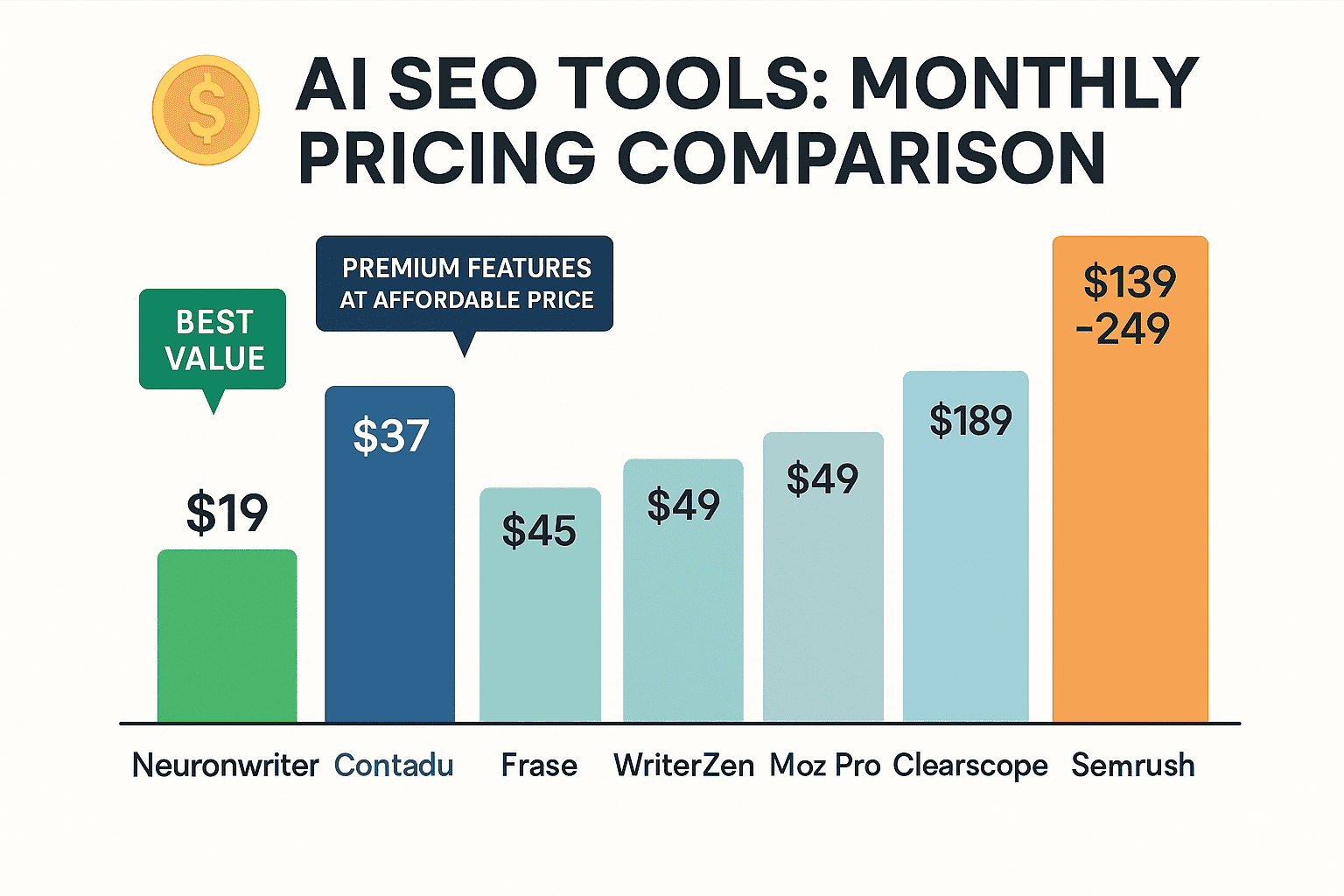
The verdict? If you need a programmatic content engine that identifies gaps, writes SEO-ready posts, inserts internal links, and auto-publishes, Seo-Writer eliminates the manual workflow entirely. Choose Surfer if you're hands-on with content and want granular optimization control. Pick Semrush when you need comprehensive marketing tools beyond just content. Go with Jasper for brand voice consistency, or Frase for budget-conscious SEO optimization.
How to Actually Use SEO Writing Tools for Maximum Results
Here's something most SEO guides won't tell you: the difference between mediocre and exceptional results isn't the tool—it's the workflow. According to Search Atlas, 84% of marketers now rely on AI tools to align content with search intent, but the teams seeing real traffic growth follow a systematic approach that turns AI into a strategic asset rather than just a fast typing machine.
The Three-Phase Implementation Framework
Phase 1: Strategic Setup (15 minutes)
Start by feeding your AI tool specific context, not just a keyword. Seo-Writer demonstrates this perfectly—its three-step process begins with analyzing your niche through competitor research, market trends, and keyword discovery. You're looking for what Media Junction calls "high impressions/low CTR opportunities"—keywords where you're already ranking but underperforming.
Phase 2: Brief Creation & Intelligent Generation
Generate a content brief that includes search intent (informational vs. commercial), competitor gaps, and your unique positioning. Tools like Frase analyze top-ranking pages to build data-driven outlines automatically. When generating drafts, the most effective approach combines AI speed with human oversight—what SEO Outsourcing's research describes as "technology's precision with human creative flair."
Phase 3: Optimization & Performance Tracking
Before publishing, run your draft through SEO recommendations: check keyword placement, semantic variations, and internal linking opportunities. Post-publication, track impressions, CTR, and ranking positions—then feed this data back into your AI for content refreshes. As one B2B marketer at Content for AI puts it: "You're using AI to research smarter, build better topic clusters, and refresh older content so it keeps earning traffic."
The automation sweet spot? Let AI handle research, outlining, and first drafts—you focus on adding specific examples, brand voice, and strategic positioning that turns generic content into something worth linking to.
Critical Mistakes to Avoid When Using AI SEO Tools
AI writing tools won't kill your rankings—but sloppy execution absolutely will. According to NP Digital's 2026 research, 36.5% of marketers have accidentally published hallucinated or incorrect AI content to their live sites. Even more concerning? 23% of marketers feel comfortable using AI output without human review, despite widespread awareness of these risks.
Here's what's actually tanking rankings in 2026—and how to avoid it.
Publishing Raw AI Output Is a Fast Track to Nowhere
Google doesn't penalize AI content. It penalizes bad content. The difference comes down to one thing: human oversight. Google's official guidance has been clear since 2023—they care about quality and user value, not how you created it. Yet TailRide learned this the hard way, publishing 22,000 pages of AI-generated content and getting completely deindexed. That's not a penalty for using AI. That's consequences for flooding the web with generic, valueless pages.
The fix? Edit ruthlessly. Platforms like Seo-Writer help by automating the foundation—competitor analysis, keyword research, and strategic content planning—but you still need human judgment to add genuine expertise and original insights that AI simply cannot fabricate.
Treating AI Like an Expert (When It Literally Can't Be One)
AI doesn't have credentials. It can't cite first-hand experience. It lacks accountability. And in 2026, Google's E-E-A-T requirements have tightened significantly. The first "E"—Experience—is something AI fundamentally cannot demonstrate. When you publish AI content without adding your own expertise, documented experience, or verifiable sources, you're competing with one hand tied behind your back.
Here's what actually works: Use AI for research and drafts, then layer in specific examples from your work, client case studies, or industry observations. Dool Agency notes that AI-generated content must be "fact-checked, reviewed by credible experts, and provide genuine value beyond" the generic output. That means real author bios, proper citations, and content that only someone with actual experience could write.
Skipping Fact-Checking in an Era of Rampant AI Hallucinations
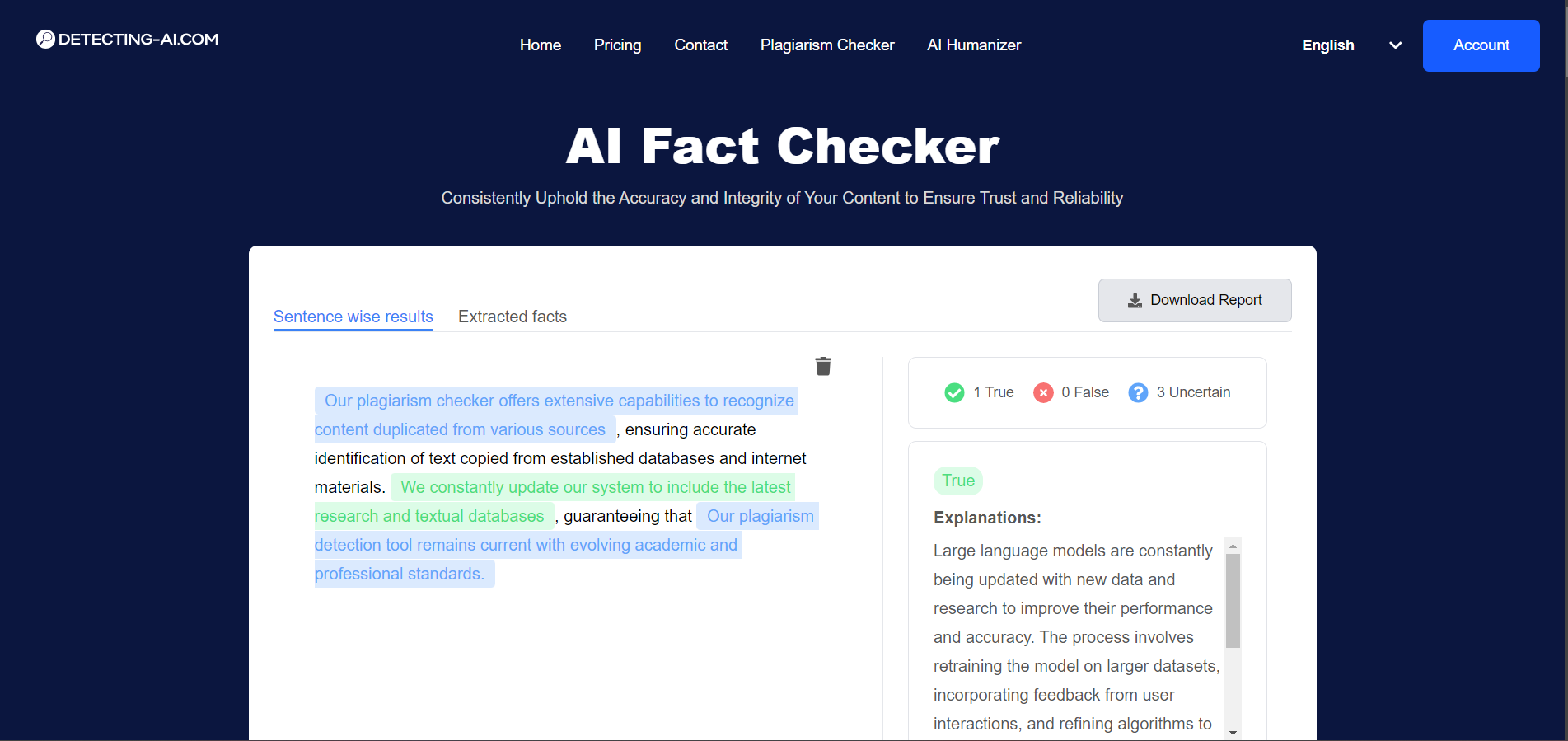
Current AI models hallucinate at alarming rates. Suprmind's 2026 research found that even the best models hallucinate 0.7% of the time on basic tasks—but that jumps to 18.7% on legal questions and 15.6% on medical queries. Worse, The New York Times reported that newer "reasoning" systems are actually producing more errors, not fewer.
An SEO experimenter proved just how dangerous this is by publishing a fabricated story about a non-existent March 2026 Google Core Update—and it ranked in both traditional search and AI Overviews. Every statistic, every claim, every "fact" needs verification against authoritative sources like Reuters, Statista, or niche-specific authorities. No exceptions.
The Bottom Line
Tools like Seo-Writer streamline the heavy lifting—analyzing competitors, discovering keywords, and generating content calendars across 150+ languages. But automation only works when paired with editorial control. According to 321 Web Marketing, the most successful teams "pair AI-assisted drafting with human-led SEO strategy and editorial control." That's not optional anymore. That's table stakes.
Advanced Tips: Getting More from Your SEO Writing Tools
Here's what most SEO guides won't tell you: the tools themselves aren't the competitive edge—it's how you stack them together.
Build Content Hubs with Topic Clustering
Stop treating your content like isolated blog posts. According to Search Engine Land's 2025 analysis, organizing content into topic clusters dramatically improves both rankings and user experience. The framework is straightforward: create one comprehensive pillar page, then surround it with 8-12 cluster posts that link back to it. Siteimprove's content strategy research shows this hub-and-spoke structure signals topical authority to Google far better than keyword stuffing ever could.

Optimize for AI Search Engines Now
Traditional SEO rankings mean nothing if ChatGPT and Perplexity cite your competitors instead. LLMrefs' 2026 GEO guide reveals that AI systems prioritize structured content with clear definitions, numbered lists, and direct answers. Test your visibility: search for your exact page titles on ChatGPT and Perplexity—if they don't cite you, your content structure needs work. Semrush's AI optimization research confirms that regularly updating content and using proper schema markup significantly increases AI citation rates.
Strategic Tool Stacking for Real Workflows
Connor Gillivan's B2B SEO toolkit nails the approach: use Semrush or Ahrefs for strategy and keyword discovery, then switch to Seo-Writer for execution. Seo-Writer consolidates competitor analysis, keyword research, and automated content creation into one platform—eliminating the manual handoff between discovery and production that kills momentum. The platform's three-step workflow (analyze opportunities, plan content clusters, auto-publish) turns scattered tools into a cohesive system.
Scale Without Sacrificing Quality
ClickRank's enterprise scaling guide introduces "Value-Based Scaling"—identify which content formats drive actual ROI, then automate production of those specific types. Train AI on your best human-written content first. At Stripe and Shopify, teams use this approach to maintain brand voice while publishing 10x more content.
Conclusion: Your Next Move with SEO Writing Tools
Here's the reality: SEO writing tools haven't just evolved—they've fundamentally changed what's possible for content teams in 2026. The difference between scaling your organic traffic and watching competitors pull ahead comes down to whether you're still treating AI as a novelty or as the foundation of your content engine.
The winning approach? Use tools like Seo-Writer to automate the heavy lifting—competitor analysis, keyword discovery, content generation, and publishing—while you focus on adding the expertise and insights that AI simply cannot replicate. The platform's three-step workflow eliminates the manual handoff between strategy and execution that kills momentum for most teams.
Your concrete next step: Audit your current workflow. Calculate how many hours you spend on keyword research, content briefs, and publishing logistics each week. Then test Seo-Writer to see how much of that time you can reclaim. The teams seeing 10x content output aren't working harder—they're letting automation handle the predictable parts while they focus on strategy and differentiation.
Stop overthinking it. Start automating it.