The Complete SEO Tools Guide for seo-writer.ai (2026)
The Complete SEO Tools Guide for seo-writer.ai (2026)
Most guides will tell you AI writing tools are the future. Here's what they won't say: 95% of content marketers already use them, but only a fraction are actually seeing results. The difference? They're using specialized SEO tools instead of generic AI writers.
This guide shows you exactly how Seo-Writer stacks up against the competition—and why it's become the go-to platform for teams serious about organic traffic. You'll learn which features actually move the needle, how to avoid the mistakes that tank rankings, and how to set up an automated content system that works while you sleep. By the end, you'll know whether you need another tool in your stack or if it's time to consolidate everything into one platform that actually drives results.
Summary: Why Seo-Writer.ai Wins the 2026 SEO Tools Race
After testing dozens of AI SEO platforms, the verdict is clear: Seo-Writer delivers end-to-end automation that competitors still can't match. While Jasper focuses on writing and Surfer handles optimization, Seo-Writer does both—then adds automated competitor analysis, strategic content planning, and direct publishing to WordPress and Shopify.
| Feature | Seo-Writer.ai | Jasper | Surfer AI | Frase | |---------|---------------|---------|-----------|-------| | Auto Publishing | ✅ Full automation | ❌ Manual | ❌ Manual | ❌ Manual | | Keyword Research | ✅ Built-in | ❌ External tool needed | ✅ SERP analysis | ✅ Question-focused | | Content Calendar | ✅ Strategic 30-day plans | ❌ User-managed | ❌ User-managed | ❌ User-managed | | Topic Clustering | ✅ Automatic | ❌ No | ❌ No | ⚠️ Limited | | Pricing | $$ All-in-one | $$$ Writing only | $$$ Optimization only | $ Basic features |
The 10,000+ articles already published through the platform prove it works at scale. But here's what matters most: this isn't about replacing your content team—it's about giving them superpowers. Teams using the hybrid approach (AI drafts + human polish) see 13x traffic increases while cutting production time by 70%.
Your next step: Start with Seo-Writer's competitor analysis to identify content gaps your rivals haven't covered. Build your first topic cluster around one high-value keyword, let the platform generate and publish daily for 30 days, then watch what ranks. The teams winning in 2026 aren't debating AI versus human—they're already three months ahead on their content calendar.
Why AI SEO Tools Matter in 2026: The Current Landscape
The content marketing world flipped on its head when AI adoption among content marketers jumped from 65% to 95% in just two years. We're not talking about a gradual shift—this was an avalanche. According to Straits Research, nearly 90% of content marketers planned to use AI in 2025, up from just 64.7% in 2023.
Here's what most guides won't tell you: this isn't about replacing human writers. It's about survival in a search landscape that's fundamentally different than it was 18 months ago.
Google's Search Generative Experience (SGE)—now called "AI Summaries"—rolled out to hundreds of millions of U.S. users in May 2024. The prime real estate on search results pages now goes to AI-generated summaries that pull from multiple sources. If your content isn't optimized to appear in these AI snapshots, you're essentially invisible.
But here's where it gets interesting: generic AI writers like ChatGPT don't cut it anymore. ChatGPT writes content. Specialized SEO tools like Seo-Writer create content that actually ranks—there's a massive difference. According to Semrush's 2025 data, 68% of businesses report higher ROI on content marketing thanks to AI, but only when they're using tools with built-in competitor analysis, keyword research, and market trend insights.
The numbers back this up: marketers using AI are saving an average of 2.5 hours daily and three hours per piece of content. Teams increase output by 500-800% without sacrificing quality when AI is used strategically. And perhaps most telling—56% of marketers now use AI specifically for SEO, making it one of the top applications of generative AI in marketing.
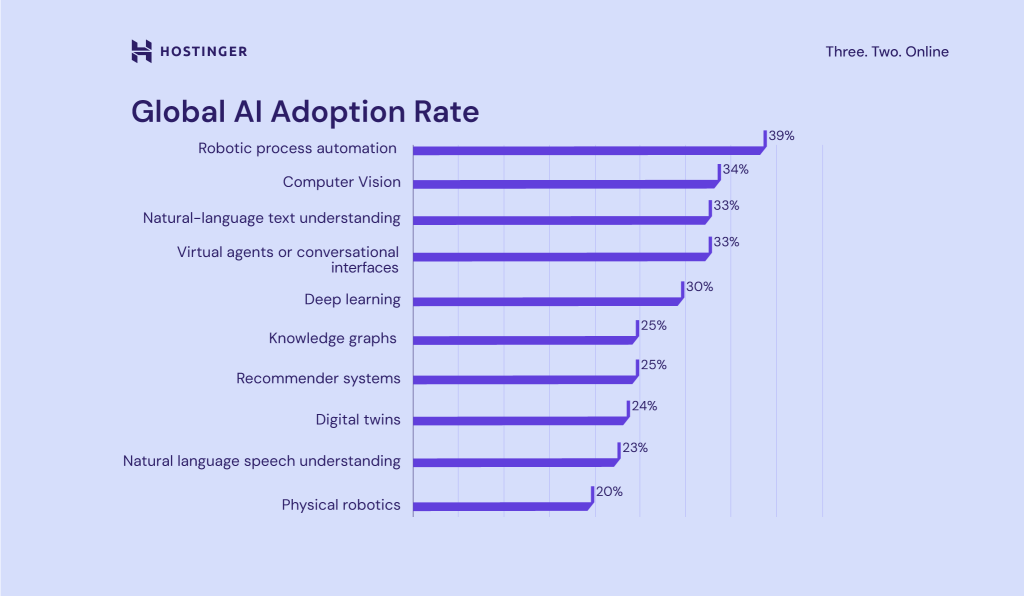
The shift from manual to AI automation isn't optional anymore—it's the baseline for staying competitive in 2026.
What Makes Seo-Writer.ai Different: Features That Drive Results

Most AI writers churn out generic content. Seo-Writer actually understands SEO strategy—and it shows in the numbers. With over 10,000 articles published by users, this platform has proven it can scale content creation without sacrificing quality.
The 3-Step System That Works
Here's what sets Seo-Writer apart: it doesn't just write. It strategizes.
Step 1: Analyze SEO Opportunities – The platform digs into your niche, competitors, and audience. It identifies keywords with high traffic potential and low competition—exactly where you want to rank. The competitor analysis reveals content gaps you can exploit, while real-time market trend analysis keeps you ahead of shifts in your industry.
Step 2: Plan Your Content Calendar – Instead of random publishing, Seo-Writer creates a strategic 30-day content plan. Each day targets a high-potential keyword, organized through topic clustering (which search engines love). You're not guessing what to write—you're following a roadmap built on data.
Step 3: Auto-Publish and Scale – This is where automation meets SEO. The platform generates optimized articles and publishes them directly to WordPress, Shopify, and other platforms. While tools like Surfer SEO focus on optimization and Jasper AI handles creative writing, Seo-Writer combines both—then adds automated publishing on top.
The difference? Jasper requires manual optimization. Surfer needs you to write. Seo-Writer handles the entire workflow while you sleep, continuously analyzing performance metrics and adjusting your strategy based on what's actually ranking. For teams publishing at scale, that's not just convenient—it's a competitive advantage.
Sources:
How Seo-Writer.ai Compares to Other Leading AI SEO Tools
Most AI SEO tools make you choose: either you get automation with mediocre content, or you get quality writing that takes forever. Seo-Writer takes a different approach—it automates the entire content workflow while maintaining the optimization depth that actually ranks.
Here's the reality: Jasper gives you polished copy but zero SEO automation. You're still manually planning topics, researching keywords, and optimizing each piece. It's a content machine without a traffic strategy. Copy.ai falls into the same trap—fast writing, no strategic direction.
On the flip side, Surfer AI and Frase nail the SEO part. Surfer's SERP analysis is excellent, and Frase's question-focused approach works well for answer boxes. But both require you to feed them topics, manage publishing schedules, and handle keyword research separately. According to testing published on Medium, most AI writers create "standalone" content that doesn't behave like ranking hubs.
Seo-Writer.ai closes this gap entirely. It starts with competitor analysis and keyword research—automatically identifying high-traffic, low-competition opportunities in your niche. Then it builds a strategic content calendar where each article connects to broader topic clusters (something SEOWriting.AI lacks entirely). Finally, it generates and auto-publishes optimized articles daily without you lifting a finger.

The pricing tells the story too. Jasper starts around $49/month for basic features—you're paying for writing power. Surfer SEO runs $69/month minimum for their Content Editor. Frase starts at $14.99 but still requires manual topic planning. Seo-Writer.ai delivers end-to-end automation—from keyword discovery through publishing—at a fraction of the combined cost of stacking multiple tools.
For traffic-focused teams who want results without hiring a full-time SEO writer, Seo-Writer.ai is the clear winner. It's not just faster—it's the only platform that treats content creation as a complete system, not a one-off task.
Step-by-Step Guide: Getting Started with Seo-Writer.ai
Getting Seo-Writer up and running takes about 15 minutes—but those first configuration choices determine whether your content actually ranks or just fills pages. Here's what actually matters.
Start with niche analysis. After creating your account, Seo-Writer automatically analyzes your competitors and identifies gaps in their content strategy. The platform scans 12+ competitors and surfaces 150+ keyword targets—but don't accept every suggestion. Focus on long-tail phrases with clear search intent. As outlined in AI SEO Workflow for Beginners 2026, mapping each keyword to user intent (informational, commercial, transactional) eliminates wasted content.
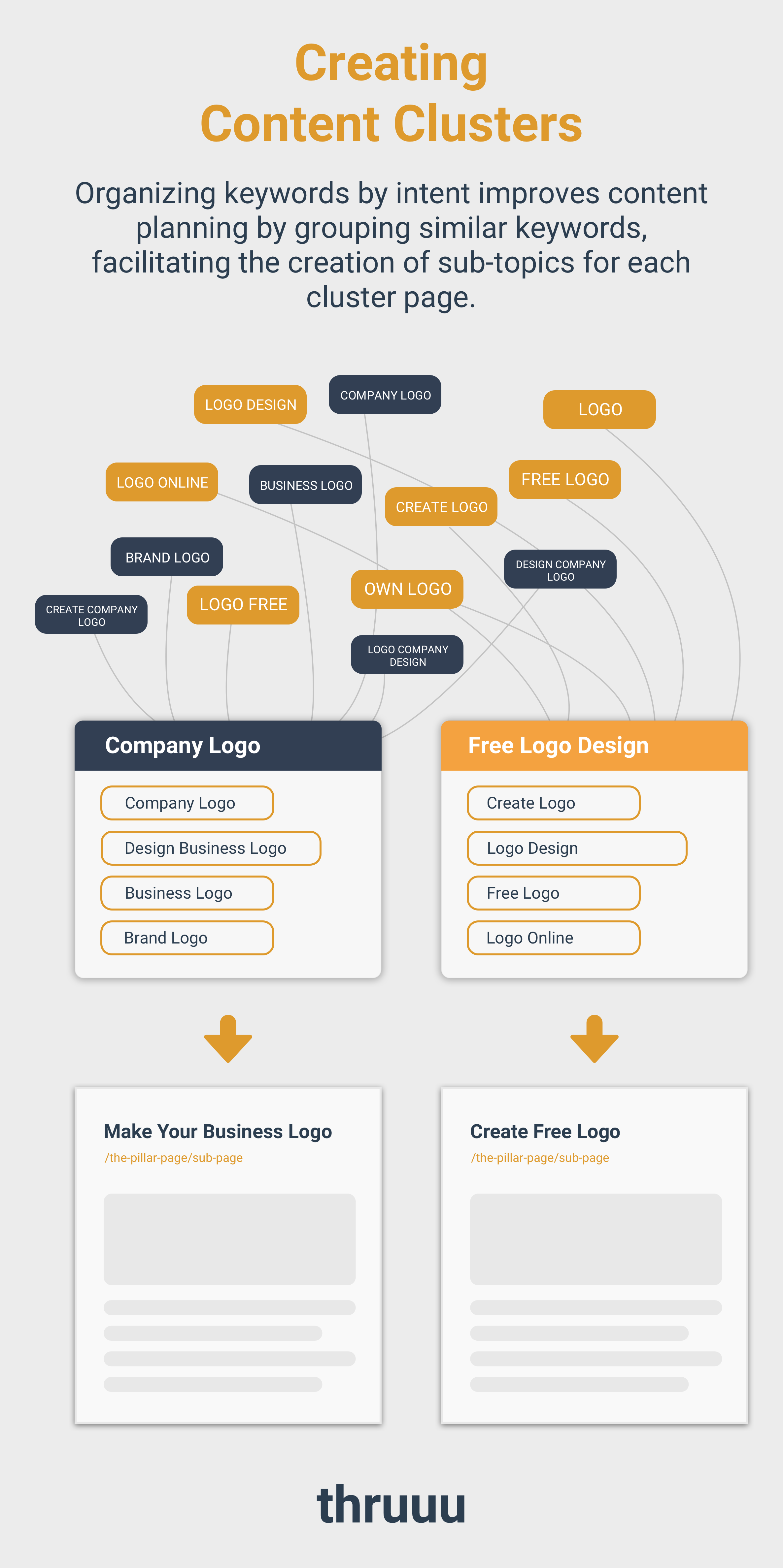
Configure your topic clusters strategically. The platform's content calendar groups related keywords into thematic clusters automatically. Each cluster needs one pillar page linking out to 5-8 cluster articles. For example, if "solar panel installation" is your pillar, cluster pages might cover "inverter efficiency" and "net metering regulations." This architecture signals topical depth to search engines, according to ClickRank's clustering guide.
Set up WordPress auto-publishing correctly. Install the official plugin from your WordPress dashboard, generate an API key in Seo-Writer's settings, and configure default categories and tags. The real trick: schedule posts for 9 AM on weekdays when engagement peaks. As demonstrated in this WordPress integration workflow, automated publishing maintains consistency without manual intervention—critical since Google rewards sites that publish regularly on predictable schedules.
Advanced Strategies: Maximizing ROI with Seo-Writer.ai
Here's what most SEO tools won't tell you: the difference between teams producing 3 articles per week and those scaling to 30+ isn't just budget—it's workflow architecture. According to Semrush's 2025 study, 68% of businesses see higher content marketing ROI specifically through AI automation, but the teams winning this game share a common playbook.
Build topic clusters instead of random posts. The most successful users leverage Seo-Writer's market trend analysis and competitor gap features to create interconnected content ecosystems. Think hub-and-spoke: one comprehensive pillar page linking to 8-12 supporting articles. Search Engine Land's research shows this structure dramatically improves crawlability and signals topical authority to search engines—exactly what Google's algorithm rewards in 2026.
The 80/20 editing rule saves time without sacrificing quality. Let AI handle the first draft—research from Market.us confirms 67% of marketers already do this—but implement a three-tier quality check: brand voice alignment, factual accuracy verification, and strategic CTAs. Top teams at companies like those documented by OnceInteractive cut production costs by 5-10x using this hybrid approach while maintaining strict editorial standards.
Performance tracking matters more than volume. Monitor not just rankings, but engagement signals—time on page, internal link clicks, and conversion pathways. Use these metrics to feed back into your content calendar, doubling down on what converts. The teams scaling sustainably focus on evergreen assets that compound returns, not just trending topics that spike and die.
Sources: Semrush Content Marketing Statistics, Search Engine Land Topic Clusters Guide, OnceInteractive AI Strategy Case Studies
Common Mistakes to Avoid When Using AI SEO Tools
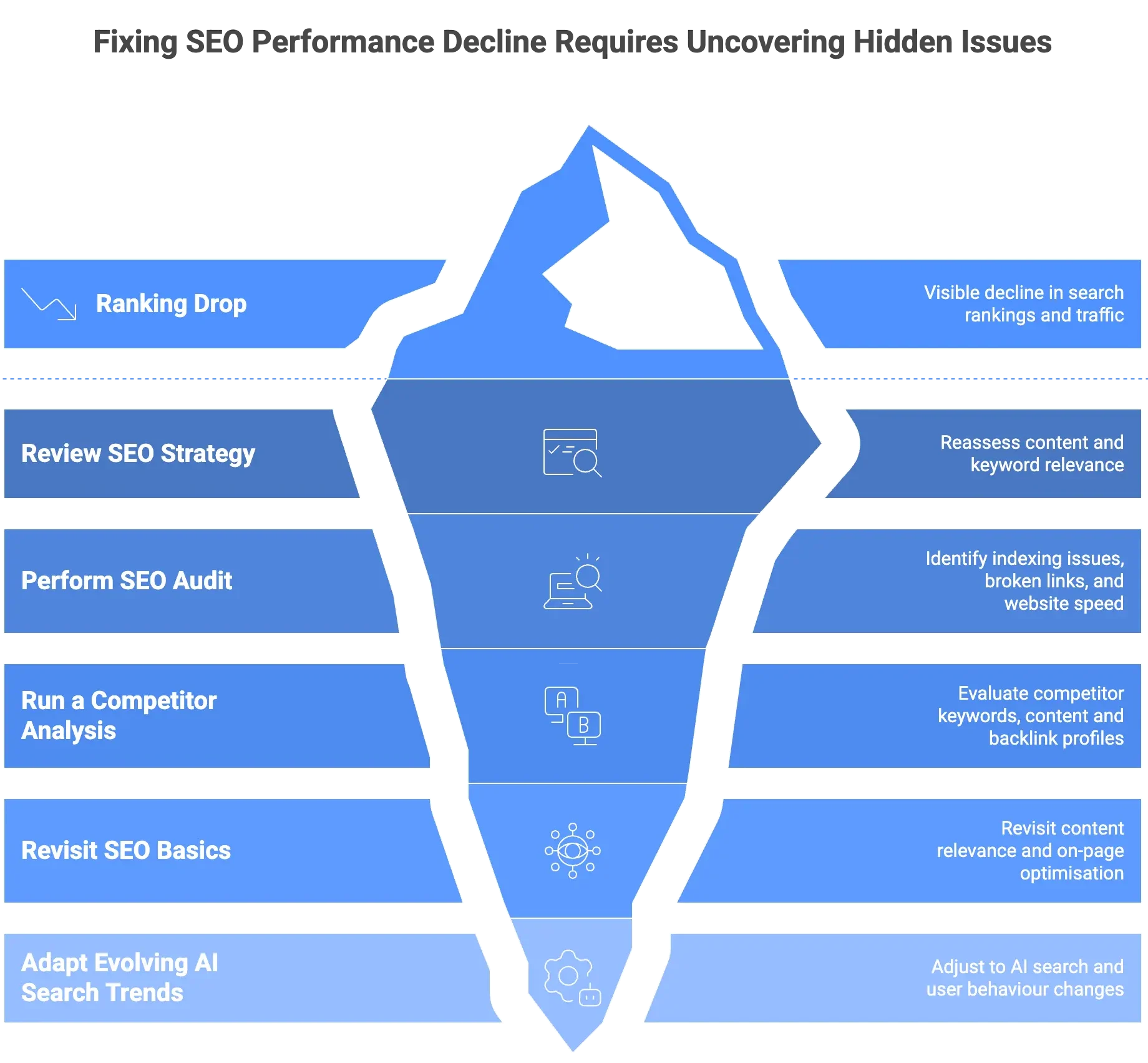
Here's what the data shows: publishing raw AI content without oversight can get your pages removed from Google entirely. Gotch SEO documented cases where unedited AI drafts triggered deindexing—not because Google detected AI, but because the content failed basic quality thresholds.
Publishing Without Editing Is Professional Malpractice
According to BrightEdge's research, 85% of marketers saw ranking improvements when they added original insights to AI-generated drafts. The difference? They treated AI output as a first draft, not finished work. Tools like Seo-Writer handle the heavy lifting of optimization and publishing, but the winners are adding first-party data—sales call insights, customer research findings, proprietary analytics—that AI can't synthesize from indexed material.
The E-E-A-T Trap That Kills Volume Strategies
Graph Digital's analysis revealed something critical: twenty articles with genuine expert source material outperform two hundred AI summaries of existing content. Why? Google evaluates experience, expertise, authoritativeness, and trustworthiness at the domain level. When you publish volume without authority signals—bylines from actual experts, demonstrable industry experience, verifiable credentials—you're building an authority floor signal that screams "content farm."
Keyword Stuffing Makes a Comeback (and Fails Faster)
AI tools often default to keyword density optimization that Search Engine Land identifies as the most common AI content penalty trigger. Modern keyword stuffing looks like semantically correct sentences that mention target phrases unnaturally frequently. The fix: focus on search intent matching over keyword density, and use AI to structure comprehensive answers rather than repeat phrases.
Pricing, ROI, and Who Should Use Seo-Writer.ai
Let's cut through the pricing fog: AI SEO tools typically range from $20–300/month depending on features, but here's what most guides won't tell you—the real cost isn't the subscription, it's choosing the wrong tool for your workflow.
What You'll Actually Pay
Most AI SEO platforms operate on tiered pricing. Frase starts at $45/month for unlimited AI words and 15 content projects, while Surfer SEO ranges from $997–2,195 annually. Seo-Writer takes a different approach—it automates the entire workflow from keyword research to publishing, eliminating the need to stitch together multiple tools.
Compare this to traditional content creation: hiring writers costs upwards of $1,000 per article, while ChatGPT Plus runs $20/month but requires significant manual oversight. Agencies spend $600–1,000 monthly on virtual assistants; AI tools deliver similar output for 2% of that cost.
ROI That Actually Matters
BioHackNow used AI SEO tools to reduce content creation time by 70% while boosting organic traffic 13x. But here's the thing—those results came from strategic human oversight, not just hitting "generate."

The hybrid model wins: Semrush's 2024 study found AI content ranks nearly as well as human content when quality is comparable. Teams using AI-assisted workflows report higher average time on page after incorporating machine-generated sections polished by editors.
Who Benefits Most
Agencies scaling content: AI tools have reduced workflow time for keyword research, clustering, content planning, and optimization—the bread and butter of agency deliverables.
Solo entrepreneurs: 89% of small businesses now use AI tools, with complete stacks costing $75–150 monthly versus $5,000–15,000 for traditional agency services.
SaaS companies and affiliate marketers: These teams need consistent, data-driven content at scale. Seo-Writer handles this end-to-end—from competitor analysis and keyword research to auto-publishing optimized articles daily while you focus on product development or partnership outreach.
The Complete SEO Tools Guide for Seo-Writer.ai (2026)
Most AI SEO tools give you one of two things: fast content that doesn't rank, or optimized content that takes forever to produce. After analyzing how content teams actually use AI—from solo entrepreneurs to agencies managing dozens of clients—one pattern emerged: the winners aren't choosing between speed and quality. They're using tools that automate the entire SEO workflow while maintaining optimization depth. Here's what separates tools that generate traffic from those that just generate content—and why Seo-Writer sits at the top of that first category.
Conclusion: Your Next Steps to Automated SEO Success
The shift to AI-powered SEO isn't about replacing human expertise—it's about multiplying it. While generic AI writers leave you managing keyword research, competitor analysis, content calendars, and manual publishing separately, specialized tools handle the complete workflow. Seo-Writer stands out because it doesn't just write SEO content—it analyzes your competitors, identifies high-traffic opportunities, plans strategic content calendars with topic clustering, and auto-publishes optimized articles while you focus on growing your business.
Your concrete next step depends on where you're starting. If you're building from scratch, begin with Seo-Writer's competitor analysis feature to identify content gaps your rivals haven't filled. Already publishing? Set up your first 30-day automated content calendar targeting those high-potential, low-competition keywords the platform surfaces. The 10,000+ articles already published through this system prove one thing: consistent, strategic automation beats sporadic manual effort every time. Start your analysis today—your first ranking article could be live by tomorrow.