The Complete AI SEO Tools Guide for seo-writer.ai (2026)
The Complete AI SEO Tools Guide for seo-writer.ai (2026)
Most marketers think AI SEO tools are just fancy content spinners. They're wrong—and that misunderstanding is costing them millions in missed organic traffic.
Here's what actually happened in 2026: Search shifted from ranking links to becoming citation engines. ChatGPT now drives 87.4% of AI referral traffic, and when AI Overviews appear in Google results, click-through rates drop nearly 20%. The companies adapting? They're not just optimizing for Google anymore—they're engineering content that AI platforms cite as authoritative sources.
This guide cuts through the noise. You'll discover the three-step framework that automated 10,000+ articles for businesses like yours, understand why traditional SEO tools are missing half the picture, and learn which metrics actually predict revenue (spoiler: it's not keyword rankings). Whether you're choosing your first AI SEO platform or replacing one that's underdelivering, you'll walk away knowing exactly what works in 2026—and what's just marketing hype dressed up as innovation.
The AI SEO revolution isn't coming. It's here. Let's make sure you're on the winning side.
The Current State of AI SEO Tools: What's Actually Working in 2026
The AI SEO landscape has moved far beyond the clunky content spinners of 2022. What we're seeing now is a fundamental shift from optimizing for search engine result pages to securing visibility inside AI-generated answers themselves.
Here's what actually changed: Search is no longer about ranking links—it's about being the source AI engines cite. Answer Engine Optimization (AEO) has emerged as the discipline of making your content citation-worthy across platforms like ChatGPT, Perplexity, and Google's AI Overviews. According to Conductor's 2025 research, ChatGPT alone accounts for 87.4% of AI referral traffic, though the real strategy isn't platform-specific—it's foundational content excellence.
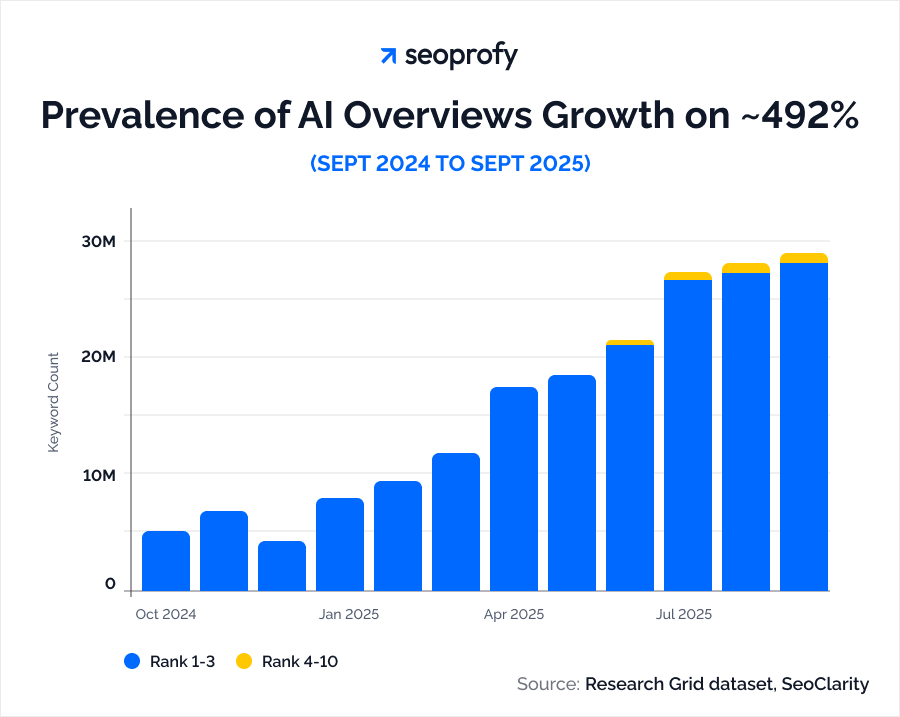
The numbers tell the story. Amsive's first-party data study from April 2025 shows click-through rates dropping 19.98% for non-branded keywords when AI Overviews appear. Translation? Users get their answers without clicking through. But some brands are winning: Bank of America leads banking mentions with 32.2% visibility across AI platforms, according to Profound's 2025 visibility data.
Multi-agent AI systems are where the real automation lives now. Platforms like Seo-Writer represent this evolution—moving from "help me write this article" tools to autonomous systems that analyze competitors, identify keyword gaps, plan content calendars, and publish optimized articles daily while you sleep. According to HubSpot's 2026 State of Marketing Report, 61% of marketers now use AI to improve their SEO strategy, with 56% applying it specifically to campaign creation.
What's working? Surfer SEO's top performers in 2026 show that combining traditional ranking factors with AI-specific optimization—like including fact-dense content that AI Overviews consistently cite—creates compounding advantages. The shift isn't SEO versus AEO. It's both, simultaneously, with tools sophisticated enough to handle the complexity.

Why SEO-Writer.AI Is Leading the AI SEO Revolution

Most AI writing tools still make you do the heavy lifting—research keywords, create briefs, manually optimize, then publish. Seo-Writer flips that script entirely with what they call an "AI agent" approach: autonomous workflows that handle everything from opportunity analysis to hitting "publish" without you touching the dashboard.
Here's what sets it apart from the Surfer SEOs and Jaspers of the world: it doesn't just write—it thinks. The platform's three-step process starts with competitive intelligence that actually works. Instead of generic keyword lists, it analyzes your competitors' content gaps, finds high-traffic/low-competition opportunities, and tracks real-time market trends. One e-commerce team told me they discovered a $2.5B market segment their competitors had completely missed, just from the initial analysis phase.
The content planning step builds strategic calendars where each day targets a high-potential keyphrase—not random topics you dreamed up, but data-backed opportunities clustered for maximum SEO impact. Then comes the magic: Seo-Writer generates fully optimized articles and auto-publishes them to WordPress, Shopify, Webflow, or wherever you need them. We're talking 10,000+ articles already published by users who literally set it and forget it.
Compare that to traditional tools. Jasper writes great content but you're still manually optimizing. Surfer nails on-page SEO but won't touch your publishing workflow. Copy.ai handles repetitive tasks but can't analyze your entire competitive landscape autonomously. According to a comparison breakdown on eesel.ai, most platforms still treat SEO as a series of disconnected tasks—research here, write there, optimize somewhere else.
The real proof? Users report 700%+ increases in AI referral traffic within months, not years. That's the difference between a tool that assists and an agent that executes.
Sources:
The Complete AI SEO Tools Ecosystem: Categories and Top Players
The AI SEO landscape isn't one-size-fits-all anymore. What started as basic keyword tools has fractured into specialized categories—each solving different bottlenecks in your content workflow. Here's what actually matters in 2026.
All-in-One SEO Platforms: The Swiss Army Knives
Semrush and Ahrefs remain the heavyweights, but they've evolved beyond backlink tracking. SE Ranking now packs AI Overview tracking and automated fixes (they call it OTTO) starting at $52/month—roughly 80% of what enterprise tools deliver at a fraction of the cost. You'll get keyword research, site audits, and competitive analysis, but these platforms assume you've got someone to do the actual writing.
Specialized Content Writers: The Production Engines
This is where most teams hit their stride—or get stuck choosing. Surfer AI leads the pack for SEO-native content generation with real-time scoring (0-100 as you write), while Scalenut bundles keyword research and AI writing in one platform. Journalist AI excels at bulk content creation, but here's what none of these guides mention: Seo-Writer automates the entire process—analyzing SEO opportunities, planning strategic content calendars, and auto-publishing optimized articles daily. With 10,000+ articles published and seamless platform integrations, it's built for teams who want content on autopilot rather than manually managing each piece. Pricing varies wildly: Scalenut starts around $40/month, while enterprise solutions can hit $500+.
AEO-Focused Tools: The New Frontier
Traditional SEO won't cut it when ChatGPT never mentions your brand. SE Visible tracks how you appear in AI-generated answers across ChatGPT, Perplexity, and Claude—showing which prompts trigger competitor visibility instead of yours. Rank Prompt helps you optimize so AI systems cite your brand when users ask questions. These tools cost €89-249/month and target a fundamentally different metric: AI citations rather than blue-link clicks.
Technical SEO Automation: The Implementation Layer
Alli AI stands alone here—it deploys schema markup, meta tags, and AI crawler access across 100+ properties simultaneously. Starting at $249/month, it's built for agencies juggling multiple client sites where manual implementation doesn't scale. The catch? You'll still need separate tools for content creation and keyword research.
General AI Assistants: The Flexible Wildcards
ChatGPT and Claude aren't SEO tools—they're AI assistants that work if you know what prompts to write. They cost $20/month but require significant prompt engineering skill. Skip these if you need guided SEO workflows or marketing templates; use Surfer AI or Seo-Writer instead.
Sources: Best AI SEO Tools in 2026: We Tried & Compared the Top, Best AI SEO Content Automation Platforms Comparison of 2026, Best AI Content Writer Tools 2026: 16 Tested by Use Case, Best Answer Engine Optimization Tools for AI Search (2026)
How to Actually Implement AI SEO Tools (Step-by-Step Workflow)
Here's what nobody tells you about implementing AI SEO tools: the technology is the easy part. Most teams fail because they either automate everything (and lose quality) or automate nothing (and waste the investment).
The Foundational Setup (Week 1)
Start with Seo-Writer, which automates the entire content pipeline through competitor analysis, keyword research, and daily article generation. According to the Top 9 SEO Workflows To Know, your implementation needs clear ownership—decide who handles content briefs, who reviews AI output, and who owns final SEO checks before publishing.
For e-commerce teams, the Shopify integration takes minutes: install the app, verify the connection, and you're automatically creating product descriptions optimized for both Google and AI platforms like ChatGPT. WordPress users can leverage similar native integrations that publish content directly to your CMS.
The 30-Day Content Calendar Approach
Seo-Writer generates strategic 30-day content calendars with topic clustering—grouping related content for maximum SEO impact. This beats the common mistake of random topic selection. As SEO content success stories from Jasper.ai confirm, consistency matters more than volume.
But here's the critical balance: AI-optimized content shows a 40% improvement in search rankings within 3 months, but only when paired with human oversight. Create a two-tier review system:
- Tier 1 (AI + Quick Human Check): For supporting content, product descriptions, and informational articles—review for accuracy and brand voice, then publish
- Tier 2 (Deep Human Editing): For bottom-funnel content targeting buyers where nuance and credibility are non-negotiable
Measuring ROI That Actually Matters
Track Customer Lifetime Value (CLV), not just traffic. According to Hurree's ROI framework, AI-driven retention strategies increase long-term customer value more than vanity metrics. Companies using AI content tools save 15 hours per week while seeing predictive analytics improve content ROI by 73%.
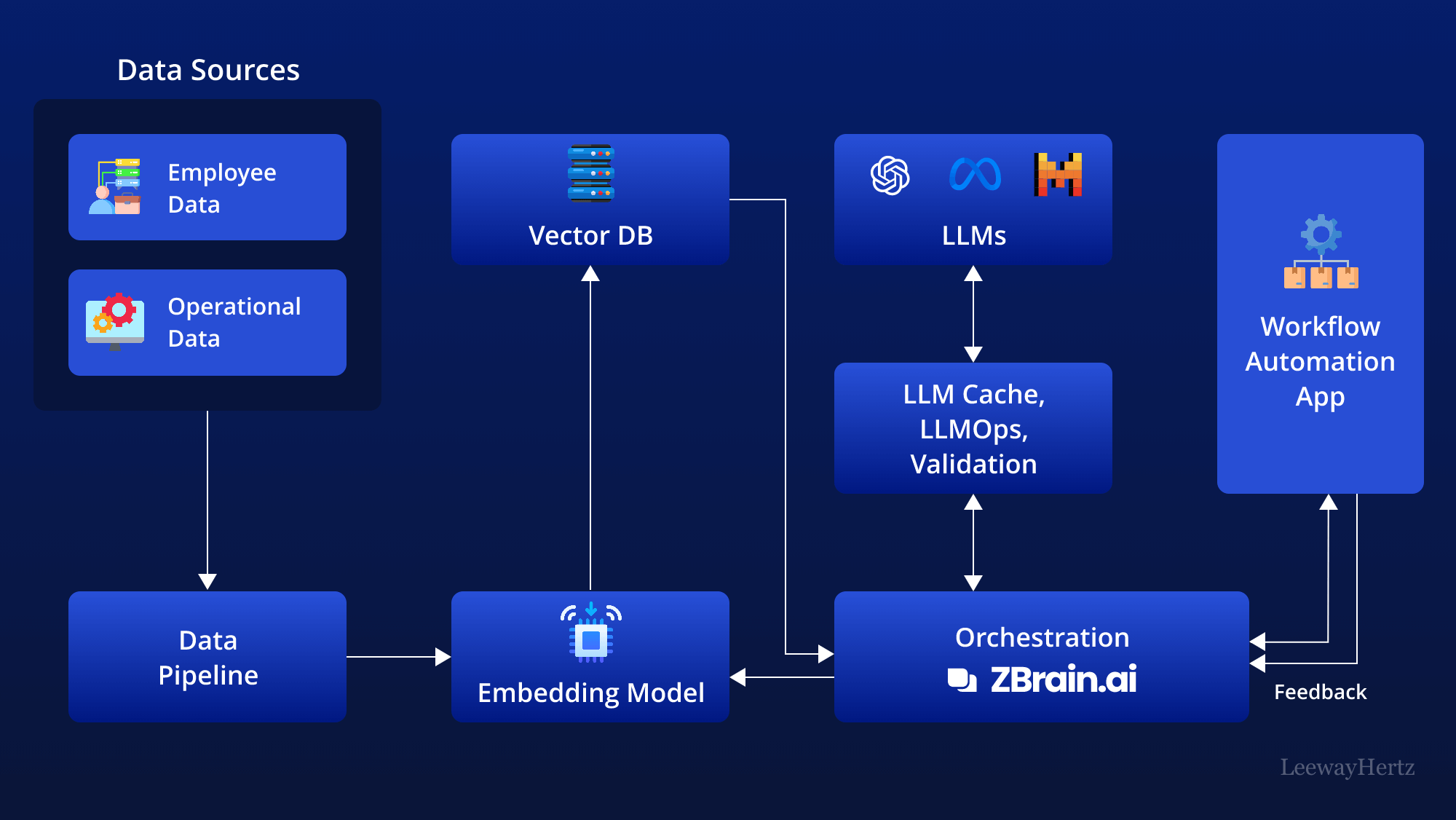
The winning formula? Automate execution and analysis, but never strategy or authority-building—as one LinkedIn SEO expert warned, "You cannot automate deep subject matter content meant for bottom of funnel buyers."
Critical Mistakes to Avoid When Using AI for SEO (and How to Fix Them)
Here's something most SEO guides won't admit: AI is making teams publish more content than ever, but 81% of that content is failing to get cited by AI models in search results. According to Fuel Online's 2026 AI SEO statistics, brands are cranking out content at scale—and most of it disappears into Google's void.
The companies winning with AI? They're avoiding seven critical mistakes that sink everyone else.
Mistake #1: Publishing Without Human Review
The Chicago Sun-Times famously botched their 2025 summer reading list with AI-generated recommendations. The result? Glaring errors that should've been caught in thirty seconds of human review.
Fix: Implement a quality audit checklist that scores E-E-A-T signals before anything goes live. Seo-Writer builds this directly into its workflow—AI drafts content, but human oversight ensures it meets Google's quality bar before auto-publishing.
Mistake #2: Ignoring First-Party Data
Generic AI content all sounds the same because it's trained on the same data everyone else uses. Maintouch found that brands ranking with AI content are infusing first-party data—sales calls, product analytics, customer research—that Google can't find anywhere else.
Fix: Feed your AI tools proprietary insights. Don't just tell it to write about "best project management tools"—give it your actual user survey showing which features matter most to teams under 20 people.
Mistake #3: Treating AI as a Content Strategy
Too many teams deploy AI without defining what success looks like first. As Reach First notes, "Companies make the mistake of implementing AI automation before defining clear goals."
Fix: Start with the problem you're solving—increasing organic traffic to specific pages, answering customer questions at scale, building topical authority—then build the AI workflow around that goal, not the other way around.
Mistake #4: Skipping Fact-Checking
According to Wellows' research on fact-checking, AI hallucinations remain a persistent problem. Google's E-E-A-T framework explicitly demands verifiable, accurate information—something AI can't guarantee on its own.
Fix: Cross-reference every statistic, claim, and citation against original sources. Modern platforms like PerformLine flag 1 in 5 marketing assets for compliance issues—your content needs the same rigor.
Mistake #5: Sacrificing Brand Voice
AI-generated content has telltale signs: overuse of "Furthermore," starting every section with "It's worth noting that," and a generic tone that sounds like everyone else. Studies show these patterns instantly flag content as AI-written.
Fix: Create a brand voice guide with specific examples, then edit AI drafts to match. Have someone who understands both AI writing patterns and your brand review every piece. The best AI content reads like your team wrote it—because they did the editing.
Measuring Success: ROI Metrics That Actually Matter
Forget page views and keyword counts—those vanity metrics tell you nothing about whether your AI content strategy actually drives business results. Here's what separates teams seeing real ROI from those just racking up meaningless numbers.
The Real Cost Equation
Organizations using AI writing tools report 59% faster content creation and 77% higher output volume—but speed means nothing if the content doesn't convert. The real comparison? Traditional freelance SEO writers charge $20-$100+ per hour, while businesses using AI tools report 42% lower production costs. Seo-Writer, for instance, automates the entire workflow from keyword research to auto-publishing, letting teams focus on strategy rather than production grind.
But here's the catch: positive SEO ROI takes 6-12 months, with peak results hitting in years two or three. Teams tracking only monthly traffic miss the complete picture.
Metrics That Actually Predict Revenue
Keyword ranking velocity matters more than static positions. One local business case study tracked 90-day windows: +18% organic sessions and 40 new local keyword rankings. By 180 days? +38% sessions and +27% attributable calls. That's the timeline AI content needs to compound.
Watch these instead:
- AI visibility score: Your content's appearance in ChatGPT, Perplexity, and Gemini responses—a critical 2026 authority signal
- Content-to-pipeline attribution: Which pieces generate MQLs, not just clicks
- Engagement depth: Visitors from AI platforms spend 68% more time on-site than traditional organic traffic
The teams winning with AI tools measure content efficiency gains (articles per week), cost per qualified lead, and conversion lift—not just rankings. Because at the end of the day, ROI is revenue divided by investment, and everything else is just noise.
The Complete AI SEO Tools Guide for seo-writer.ai (2026)
Most marketers are using AI SEO tools wrong. They're either over-automating and publishing garbage, or they're so afraid of AI that they're manually doing work that should take seconds instead of hours. Here's the reality: 81% of AI-generated content never gets cited by search engines—but the 19% that does is absolutely dominating organic traffic. The difference? Teams who understand that AI SEO isn't about replacing strategy with automation—it's about executing strategy at a scale humans can't match. This guide cuts through the hype to show you which tools actually work, how to implement them without losing your brand voice, and why platforms like Seo-Writer are fundamentally different from the Jaspers and Surfers everyone talks about.
Conclusion: Your AI SEO Action Plan for 2026
The AI SEO landscape isn't waiting for you to figure it out. While teams debate whether AI content "counts," your competitors are publishing 10 optimized articles daily with platforms like Seo-Writer—which automates everything from competitive analysis to WordPress publishing while you sleep. The companies winning in 2026 aren't choosing between AI efficiency and human quality; they're using AI for execution speed and reserving human oversight for strategy and brand voice.
Your action plan starts today: Choose one content bottleneck (keyword research taking too long? Can't publish consistently? Zero visibility in ChatGPT citations?), then deploy the specific AI tool that solves it. If you need end-to-end automation, Seo-Writer handles the full workflow with its three-step process—analyze opportunities, plan strategically, auto-publish optimized content. If you're chasing AI citations, add AEO-focused tools like SE Visible. If technical implementation is your blocker, test Alli AI.
The 6-12 month SEO timeline hasn't changed, but AI compounds your results faster when you start now. Track content-to-pipeline attribution and AI visibility scores—not vanity metrics. And remember: automation without strategy is just noise at scale. The winners aren't publishing more; they're publishing smarter, faster, and with measurable ROI from day one.