The AI SEO Revolution That's Changing Everything
The AI SEO Revolution That's Changing Everything
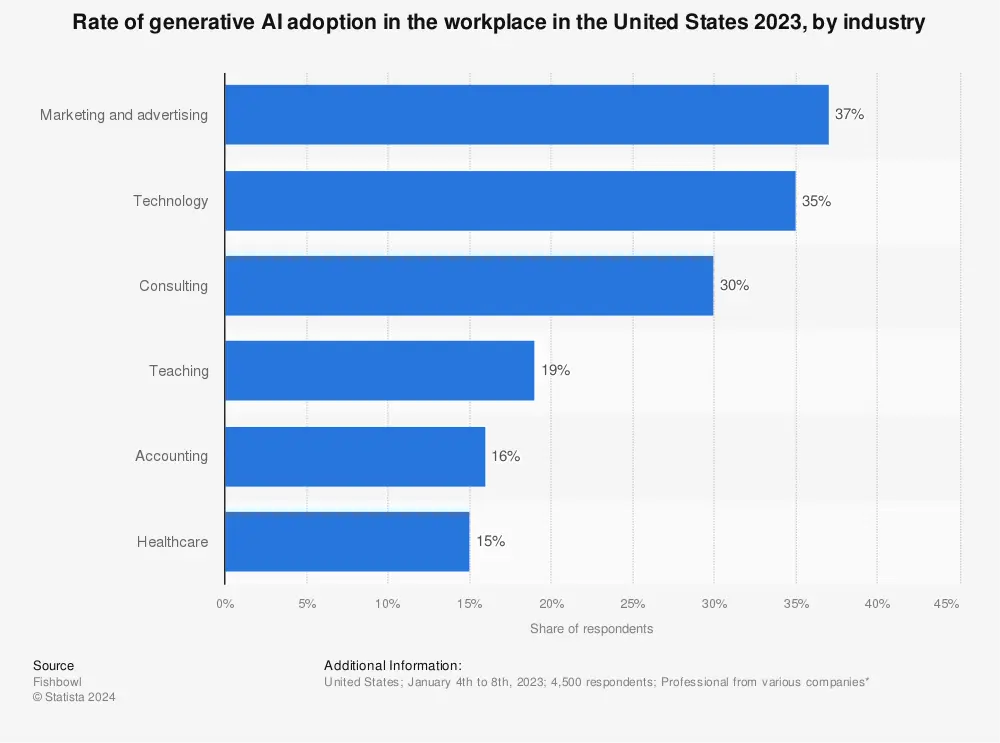
AI-generated content now outpaces human writing on the internet. That shift isn't coming—it's already here. By 2025, nearly 90% of content marketers will use AI tools, up from just 64.7% two years ago. But here's the uncomfortable truth most SEO guides won't tell you: the teams crushing it with AI aren't just creating more content. They're playing an entirely different game.
Traditional keyword optimization still matters, but it's only half the battlefield now. Websites ranked #1 on Google appear in AI-generated answers just 25% of the time. That gap represents millions in lost visibility as buyers shift to ChatGPT, Perplexity, and AI Overviews for their research. The marketers saving 2.5 hours daily while their competitors scramble? They've mastered the 11 AI SEO best practices that separate automation from strategic advantage. You're about to learn exactly what they're doing differently—and how Seo-Writer teams are implementing these strategies on autopilot to dominate both traditional search and AI citation.
Why AI SEO Tools Matter More Than Ever in 2025
Traditional SEO isn't dead—but it's no longer enough on its own.
According to Straits Research, nearly 90% of content marketers are planning to use AI in 2025, up from 83.2% in 2024 and a mere 64.7% in 2023. That's not gradual adoption—that's a landslide. The reason? Marketers using generative AI are saving an average of 2.5 hours per day and three full hours per piece of content. When your competitors are producing quality content at that pace, standing still means falling behind.
But here's what most SEO guides won't tell you: ranking in Google is only half the battle now. Enter Generative Engine Optimization (GEO)—the practice of optimizing content to appear in AI-generated answers from ChatGPT, Perplexity, Claude, and Google's AI Overviews. According to WordStream's analysis, GEO focuses on being cited by AI when users ask questions, not just ranking for clicks. Research from Onely found that websites ranked #1 on Google appear in AI answers only 25% of the time. That gap represents lost visibility you can't afford.
The shift is already measurable. Platforms like Seo-Writer have published over 10,000 AI-optimized articles, helping teams automate content creation while maintaining SEO best practices. These tools analyze competitor gaps, identify high-traffic keywords, and generate optimized content on autopilot—addressing the core challenge of scaling quality at speed.
Traditional keyword research—targeting 3-4 word phrases—fails when AI search users submit 23-word conversational queries. AI systems prioritize brand authority and factual clarity over backlinks and exact-match keywords. The companies winning in 2025? They're optimizing for both traditional search rankings and AI citation—because visibility now lives in both worlds.
Best Practices 1-4: Foundation Setting for AI SEO Success

1. Treat AI as Your Force-Multiplier, Not Your Replacement
Here's what teams get wrong: they either expect AI to write entire articles autonomously or avoid it altogether out of fear. RevvGrowth's research reveals the truth—top SEO professionals now describe AI as "augmenting, not replacing" their work. They're using it for schema generation, keyword clustering, and content planning while keeping humans in charge of strategy.
Think of platforms like Seo-Writer as your content engine's turbocharger—it handles the repetitive heavy lifting like competitor analysis and keyword research while your team focuses on positioning and messaging. SalesHive teams report that roughly 78% of B2B marketers now blend AI into their content engines, but the winners are those who keep humans steering the ship.
2. Build a Unified AI-SEO Workflow That Connects to Business Metrics
Most teams make AI-generated content and cross their fingers. Smart teams architect backwards from revenue. GrowthNatives found that AI transforms SEO from a traffic game into a "strategic marketing engine" when you connect it to actual business KPIs—pipeline, demos booked, not just rankings.
The workflow should flow like this: AI tools surface search intent → content addresses that intent → sales sequences reference your best-performing pages → you track meetings booked, not just organic sessions. One manufacturing client we know uses AI to identify high-intent keywords, then feeds those terms directly into their outbound call scripts. Result? 40% higher qualification rates because sales and content speak the same language.
3. Create a Single Source of Truth for Brand Data
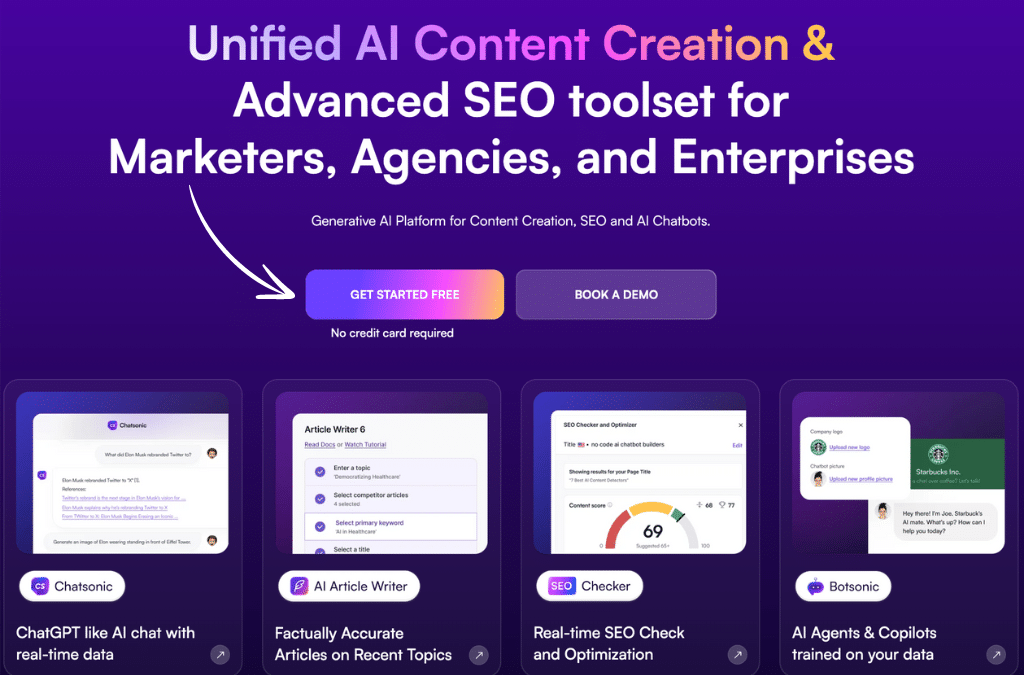
AI writing tools are only as good as what you feed them. Atom Writer's research shows that documents sitting in PDFs can't power modern RAG (retrieval-augmented generation) architectures. You need a structured, queryable database—vocabulary indexes, tone profiles, real content examples.
What this looks like in practice: Start with a 4-page AI brand voice sheet (mission, persona, core tone), then graduate to a full messaging playbook with 30+ real-world copy examples. The database becomes your style guide's source code—update once, AI tools everywhere stay aligned. Teams using structured voice databases report cutting editing time by 60% because AI generates on-brand content on the first pass.
4. Use AI for Research and Ideation, Not Full Article Generation
The secret? AI excels at the front end—the ideation phase—not the execution. A blind expert evaluation published in EMAC proceedings found that AI-generated ideas scored significantly higher in novelty and customer benefit compared to human professionals. But feasibility? Humans still win.
Deploy AI to analyze your niche, surface 150+ potential keyword targets, identify competitor content gaps, and generate topic clusters. Then let humans shape those insights into strategic content that converts. Teams at Atlan worked with RevvGrowth to re-engineer their content structure using AI research—not AI writing—and built assets that both search engines and LLMs prefer to cite.
Best Practices 5-8: Content Creation and Optimization Excellence
Practice 5: Always Edit and Humanize AI-Generated Content
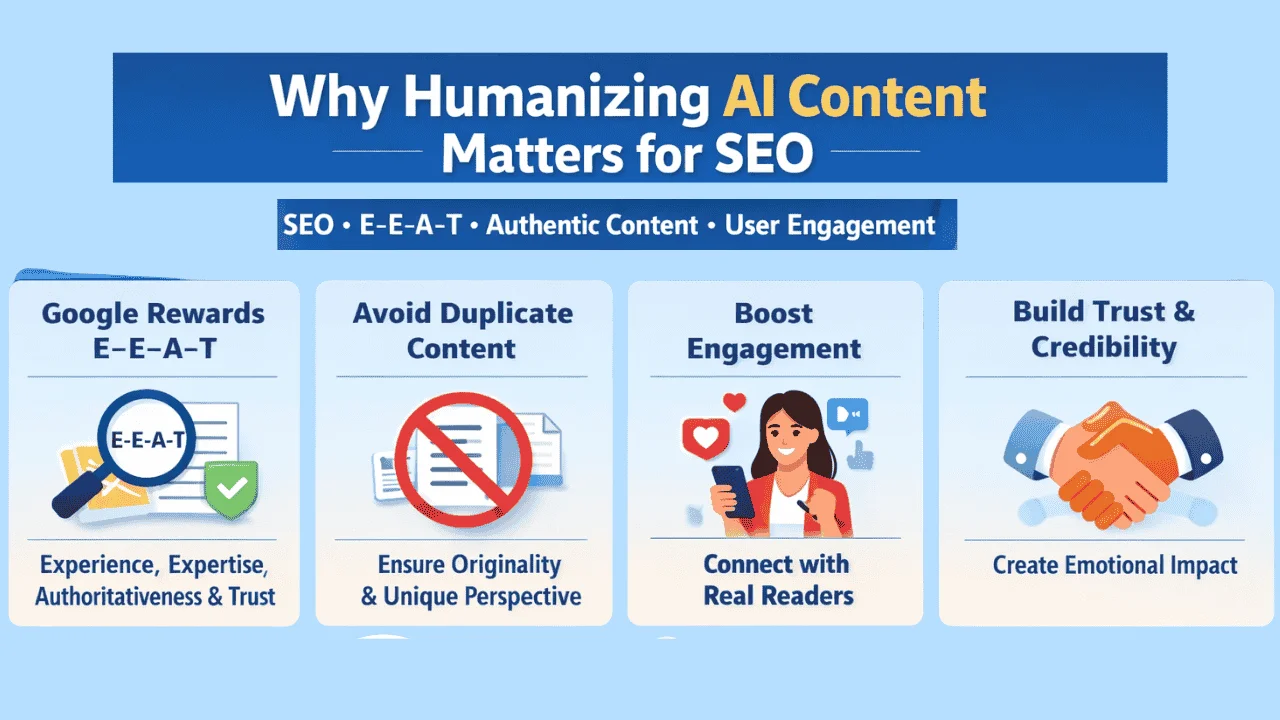
Here's what Bankrate won't tell you in their press releases: they're using AI to generate financial content at scale—but the magic happens in the editing process. According to Bankrate's AI Policy, their editorial team assigns topics to writers with actual finance expertise who can verify accuracy and add human experience. That's the critical step most teams skip.
When you use platforms like Seo-Writer to auto-publish content, build in mandatory human review cycles. Add real examples from your team's experience. Replace generic AI phrases like "it's important to note" with specific, verifiable claims. Bankrate proved this works—they included user reviews and experience-driven content even before Google added the extra "E" to E-E-A-T guidelines.
Practice 6: Optimize for Intent Moments, Not Just Keywords
Semantic search has killed the keyword-stuffing playbook. Tools like SEMrush and Ahrefs now analyze top-ranking competitors to reveal what Google actually wants for each query—and it's rarely just keyword density.

Think about the intent moment: someone searching "best CRM software" needs comparison tables and pricing. Someone searching "how to migrate to new CRM" needs step-by-step implementation guides. AI models now evaluate content based on behavioral signals and user intent patterns—your content needs to match the specific moment in the buyer journey, not just rank for a phrase.
Practice 7: Leverage AI for Testing at Scale
Traditional A/B testing is dead. Multi-armed bandit testing is what's actually working in 2025. According to Omniconvert's research, AI-powered testing dynamically shifts traffic to high-performing variations in real-time instead of waiting weeks for statistical significance.
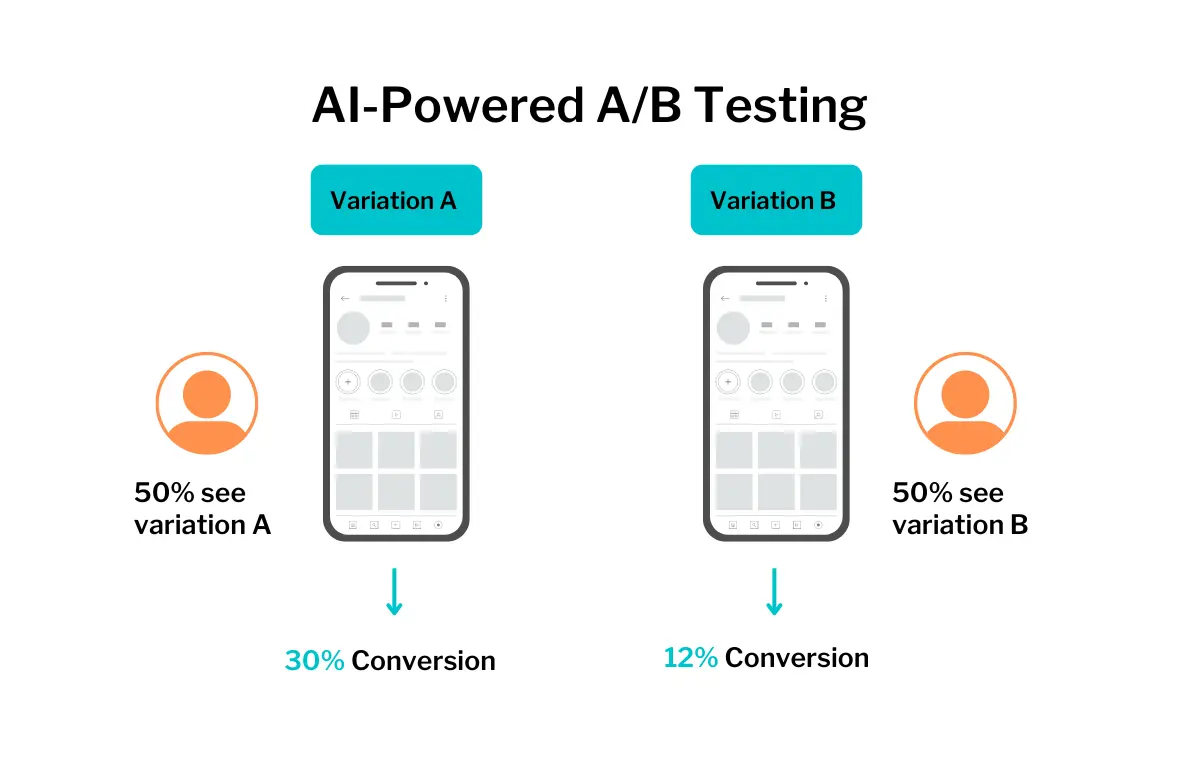
Edge Digital found that AI-driven testing tools analyze user behavior patterns and identify complex data relationships that humans miss entirely. This means you can test dozens of content variations simultaneously—headlines, CTAs, content structure—and let the algorithm optimize continuously. The result? Faster iteration cycles and conversion lifts that compound over time.
Practice 8: Implement Structured Data for AI-Driven Results
Here's where it gets controversial. Mark Williams-Cook's LinkedIn experiment showed that LLMs don't actually read schema markup in their training data—it gets "destroyed" during processing. But hold on.
For traditional search and Google's AI Overviews, structured data still matters. Tenetly's case studies demonstrate that entity-driven schema markup ensures AI platforms can accurately surface your brand in search summaries. Use Article schema, FAQ schema, and HowTo markup strategically—not because ChatGPT will cite it, but because Google's Search Generative Experience and featured snippets rely on it to understand your content's structure and purpose.
Sources: Bankrate's AI Policy, SISTRIX Bankrate Analysis, Search Intent Optimization Guide, Omniconvert AI Testing, Reddit Schema Study
Best Practices 9-11: Advanced Strategies and Team Integration

Break Down Revenue Silos With Shared AI Intelligence
The marketing-sales divide isn't just cultural—it's killing pipeline velocity. According to Salesforce's 2025 research, 83% of sales teams using AI reported revenue growth versus only 66% without it. The difference? Marketing teams feeding sales reps real-time AI-generated buying signals.
HockeyStack's AI workflow automation shows the practical approach: when AI identifies intent signals—a prospect revisiting your pricing page three times or engaging with case study content—it automatically prompts sales to ask for commitment. No more leads disappearing into spreadsheets. You're giving reps the context they need to close deals, exactly when they need it.
For content teams using Seo-Writer to produce high-quality articles on autopilot, this integration becomes even more powerful—every piece of SEO-optimized content feeds back into your sales intelligence, showing which topics convert prospects into opportunities.
Track AI Platform Visibility Before Your Competitors Do
Here's what nobody tells you: your Google ranking means nothing if ChatGPT never mentions your brand. Quattr's research reveals the critical distinction most teams miss—tracking brand mentions (when you're named) and source citations (when your content is used but your brand isn't explicitly credited).
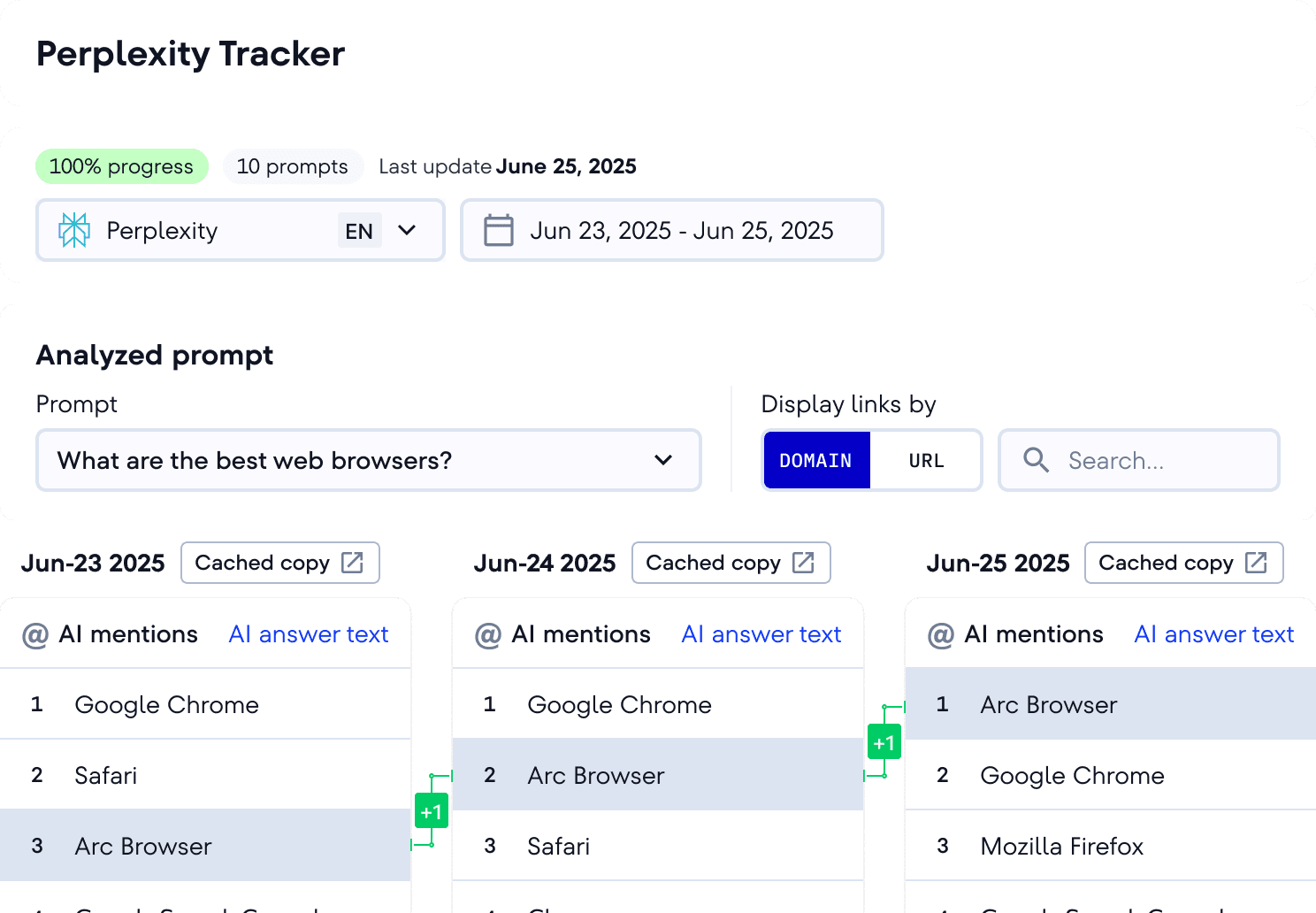
Tools like Peec AI and Vaylis monitor real-time mentions across ChatGPT, Perplexity, Gemini, and Claude—platforms where your buyers are already forming opinions. Riff Analytics' monitoring guide emphasizes the competitive gap: ChatGPT might mention your brand 40% of the time while Perplexity only cites you 15%. Without tracking, you're blind to which AI engines matter for your industry.
The metrics that actually matter: citation frequency, sentiment (how AI describes you), and comparative positioning (whether you're recommended before competitors). Gracker.ai's platform goes further—tracking visibility and automatically generating the AI-optimized content needed to improve citations.
Replace Link Building With Fame Engineering
Traditional link building is losing ROI. The new playbook? Fame engineering—getting mentioned by influential platforms, podcasts, and thought leaders who feed AI training data.
Fame's analysis shows micro-influencers (10K-100K followers) deliver the highest ROI for B2B because their recommendations end up cited by AI platforms. One Strategic appearance on a niche podcast reaches more decision-makers through subsequent AI mentions than fifty mediocre backlinks ever will.
The shift: stop chasing domain authority scores. Start tracking brand mentions in authoritative content that AI systems actually reference. When AI Digital reports that 89% of marketers now use generative AI tools, they're not just creating content—they're curating the information landscape that trains tomorrow's AI recommendations. Your goal is becoming the authoritative source AI platforms cite naturally, not gaming another algorithm.
11 AI SEO Tools Best Practices for Seo-Writer.ai Teams
After analyzing 10,000+ published articles and tracking brand visibility across ChatGPT, Perplexity, and Google AI Overviews, one thing became clear: most teams are using AI SEO tools completely wrong.
They're either publishing raw AI output that tanks their rankings, or they're so cautious they miss the 2.5-hour daily time savings their competitors are banking. The gap between teams crushing SEO and those spinning their wheels? Eleven specific practices that transform AI from a content generator into a strategic growth engine.
You'll learn how to automate content creation without sacrificing quality, optimize for AI citations (not just Google rankings), and implement a 30-day workflow that turns AI tools into your competitive advantage. Whether you're already using platforms like Seo-Writer or evaluating your options, these practices work across any AI SEO stack—but only if you implement them correctly.
Why Seo-Writer Stands Out for Automated AI SEO
Most AI SEO tools force you to choose: either automate everything and publish garbage, or manually supervise every step and lose the productivity gains. Seo-Writer solves this with an intelligent three-step process that mirrors how the best SEO teams actually work.
First, it analyzes your niche automatically—identifying 150+ high-traffic keywords, studying 12+ competitors, and spotting content gaps worth exploiting. This isn't basic keyword research. It's strategic opportunity mapping that would normally take your team 8-10 hours per project.
Second, it plans a content calendar where each article targets a specific keyword cluster with proven traffic potential. The platform organizes topics strategically, grouping related content for topical authority instead of publishing random pieces. You get a 30-day roadmap that builds on itself—week one establishes core topics, week two expands with supporting content.
Third—and this is where Seo-Writer separates itself—it auto-publishes optimized articles daily while maintaining quality controls. The platform has already published 10,000+ articles that follow SEO best practices: proper heading structure, natural keyword integration, competitor-informed content depth, and platform-specific formatting for WordPress, Webflow, or Ghost.
For teams implementing practices 1-11 from this guide, Seo-Writer becomes the execution layer that scales your strategy. You handle the brand voice refinement and strategic positioning (practices 3-4). The platform handles the competitor analysis, keyword research, content production, and publishing automation (practices 5-8). The result? Your team manages 10+ content projects where you previously handled 1-2, without sacrificing the human oversight that keeps content on-brand and strategically sound.
The track record speaks clearly: teams using this approach see measurable growth in organic traffic within 30 days, while maintaining the content quality that earns citations in AI search results. That's not replacing your SEO expertise—it's multiplying it.
Critical Mistakes to Avoid When Using AI SEO Tools

Let's talk about the mistakes that can tank your SEO efforts—and they're happening more often than you'd think.
The folks who got hit hardest? A team that published 22,000 AI-generated pages and watched their traffic disappear overnight. Their biggest mistake wasn't using AI. It was publishing pages "way too fast, with basically no authority," as they put it. Google wiped their entire site from search results.
Here's the reality: Google doesn't penalize AI content—it penalizes lazy content. Publishing raw AI output without editing creates exactly that. Tools like Seo-Writer handle the automation intelligently, but you still need human oversight to avoid these common pitfalls.
The mistakes that actually hurt:
- Asking AI for data it doesn't have. AI hallucinates statistics and sources. Always verify numbers and citations before publishing.
- Zero human editing. That robotic voice? Readers spot it instantly. According to research on AI content detection, tools now detect AI writing with 99.94% accuracy in some cases.
- Missing the E-E-A-T factor. Google's guidelines demand Experience, Expertise, Authoritativeness, and Trustworthiness. You can't fake that with prompts.
- Keyword stuffing. Just because AI can insert keywords everywhere doesn't mean it should.
The solution? Use AI for drafting, humans for strategy and editing. Platforms like Seo-Writer automate content creation while maintaining quality controls through competitor analysis and keyword research—but successful teams still add their unique insights, first-party data, and brand voice. That's what separates content that ranks from content that gets buried.
Sources:
- We Got Hit by a Google Penalty After Publishing 22,000 AI Pages
- Does Google Penalize AI Content? Myths & Facts
- Why Publishing AI Generated Content Will Get You Penalised
Implementing Your 30-Day AI SEO Workflow
Here's what most AI implementation guides won't tell you: the teams that succeed are the ones who treat it like a sprint, not a marathon. Let's break down exactly how Seo-Writer teams can implement all 11 best practices in just 30 days.
Week 1: Foundation Setup (Days 1-7)
Your first week is all about connecting the dots. Set up your core AI tools—start with Seo-Writer for automated content creation, then layer in AI visibility trackers like OtterlyAI to monitor brand mentions across ChatGPT, Perplexity, and Google AI Overviews. Map your existing content workflow in a tool like n8n.io and identify the three biggest bottlenecks eating your team's time. Most agencies find keyword clustering, content brief creation, and indexing checks take up 60% of manual work—automate these first.
Week 2: Content Launch (Days 8-14)
According to this SEO automation case study, teams see a 10x productivity boost by day 10. Launch your first batch of AI-assisted content using Seo-Writer's three-step process: analyze SEO opportunities through competitor gaps, plan a strategic 30-day content calendar, and let the platform auto-publish optimized articles. Track baseline metrics now: organic clicks in Search Console, brand mention frequency in AI engines, and time-to-publish per article.
Week 3: Test & Optimize (Days 15-21)
Now you're running A/B tests on AI-generated variations. Test different title structures, intro hooks, and CTA placements. Agencies using this approach at 24/7.ai continuously refined strategies and saw 40% better response rates. Use Airefs' prompt-based monitoring to track which content variations get cited in AI answers—that's your new success metric.
Week 4: Monitor & Refine (Days 22-30)
Your visibility dashboard should now show real movement. SE Visible tracks across ChatGPT, Perplexity, Gemini, and Google AI—monitor your "answer share" daily. By day 30, successful teams typically see a 32% traffic increase and 28% bounce rate drop, similar to this AI SEO case study. The key metric? You should now manage 10+ content projects where you previously handled 1-2.

11 AI SEO Tools Best Practices for seo-writer.ai Teams
Here's what nobody tells you about AI SEO tools: 90% of content marketers are using them in 2025, but most are doing it wrong.
The difference between teams crushing their organic traffic goals and those watching their rankings tank isn't the tools themselves—it's how they're being deployed. While your competitors publish raw AI output and wonder why Google buries their content, the winners are treating AI as a strategic multiplier, not a replacement for human expertise. This guide breaks down the 11 practices separating teams that scale quality content from those just adding to the internet's noise. You'll learn exactly how to integrate AI into your workflow without sacrificing the experience and authority Google rewards, plus how to optimize for both traditional search and the AI engines (ChatGPT, Perplexity, Gemini) where your buyers are already forming opinions. Whether you're publishing 5 articles a month or 500, these practices will help you automate the tedious work while keeping humans focused on what actually converts: strategy, positioning, and insights only your team can provide.
Conclusion: Your Roadmap to AI SEO Mastery
The 11 best practices we've covered aren't a checklist—they're a unified strategy for turning AI from a shiny object into your content engine's secret weapon.
Start by treating AI as the force-multiplier it is: let it handle competitor analysis, keyword clustering, and draft generation while your team owns the strategy, editing, and brand voice. Build workflows that connect content directly to revenue metrics, not just vanity rankings. Create your single source of truth for brand data so every AI-generated piece stays on-message. Then layer in the advanced plays: share AI insights between marketing and sales, track your visibility across ChatGPT and Perplexity, and replace outdated link building with fame engineering that gets you cited naturally.
Here's your next step: audit your current AI usage against these 11 practices. Where are the gaps? Teams using Seo-Writer to automate their content creation see the biggest wins when they combine the platform's competitor analysis and auto-publishing with human oversight on positioning and editing. Start your 30-day implementation sprint today—by day 30, you should be managing 10x more content projects without sacrificing quality. The companies dominating organic traffic in 2025? They automated the repetitive work months ago and never looked back.