Introduction: Why Most SEO Teams Are Leaving Traffic on the Table
Introduction: Why Most SEO Teams Are Leaving Traffic on the Table
Here's a stat that should wake you up: 96.55% of pages get zero traffic from Google. Zero. While your competitors scramble to publish more content, they're likely just adding to that pile of invisible pages. The truth? Publishing frequency isn't the problem—it's how you're approaching the entire workflow.
AI-powered SEO tools are changing the game, but only for teams willing to adopt proven best practices. The difference between sites generating 130K monthly visits and those stuck at zero isn't budget or team size—it's systematic execution of core fundamentals. In this guide, you'll learn 11 battle-tested best practices that separate successful SEO teams from those spinning their wheels. We'll cover everything from strategic keyword research and content automation to technical excellence and performance tracking. More importantly, you'll see how platforms like Seo-Writer automate these practices, helping teams publish high-quality, SEO-optimized content consistently while maintaining the strategic oversight that Google rewards.
Ready to stop leaving traffic on the table? Let's dive in.
Why AI-Powered SEO Tools Matter Right Now
The SEO landscape isn't just evolving—it's being completely rewritten. According to Semrush's 2024 research, 67% of small businesses already use AI for content marketing or SEO, and here's the kicker: 68% report a higher ROI on their content efforts thanks to AI integration. This isn't a future trend. It's happening now.
But here's what most guides won't tell you: traditional SEO approaches are actively failing. Google's recent algorithm updates have fundamentally changed the game. As detailed in Shifthappens Marketing's analysis, the Helpful Content Update reduced unhelpful content in search results by 40%, specifically targeting content written for search engines instead of people. Sites that relied on thin content, misleading dates, and keyword-stuffed pages saw rankings plummet.
The gap between winners and losers? AI-powered strategy. Platforms like Seo-Writer bridge this divide by automating the three critical components Google now demands: analyzing competitor strategies and keyword opportunities, planning strategic content calendars targeting high-potential topics, and generating SEO-optimized articles that actually help readers—not just rank.
According to Influencer Marketing Hub's research, 82% of businesses using AI tools rate their content marketing as "very effective." The pattern is clear: teams using AI aren't just working faster—they're producing the depth, expertise, and consistent quality that Google's learning systems reward. Meanwhile, manual approaches struggle to match this pace and precision.
The reality? Google's algorithm isn't rule-based anymore. It's a learning system that understands context, semantics, and genuine value. AI tools don't just help you create content faster—they help you create content that actually meets the new standard.

Best Practice #1-3: Strategic Foundation (Analysis, Planning & Keyword Research)
Here's what most SEO guides won't tell you: the teams getting real results—like the ones seeing 717% traffic growth year-over-year—aren't just creating more content. They're building their strategy on three non-negotiable foundations.
Best Practice #1: Run Competitive Analysis That Actually Reveals Opportunities

Stop looking at what your competitors write about. Start analyzing how they structure their content dominance. Tools like Seo-Writer automate this process by identifying specific content gaps and keyword opportunities your competitors haven't touched—the hidden plays that delivered one B2B site 10,737% traffic growth in just three months.
Real competitive analysis means scraping full competitor content, not just metadata. Look at their internal linking patterns, topic coverage depth, and—most importantly—where they're not showing up. One automated workflow I reviewed compared six pages simultaneously (one target page plus five competitors) and surfaced structural gaps manual analysis would have missed.
Best Practice #2: Implement Topic Clustering, Not Random Publishing
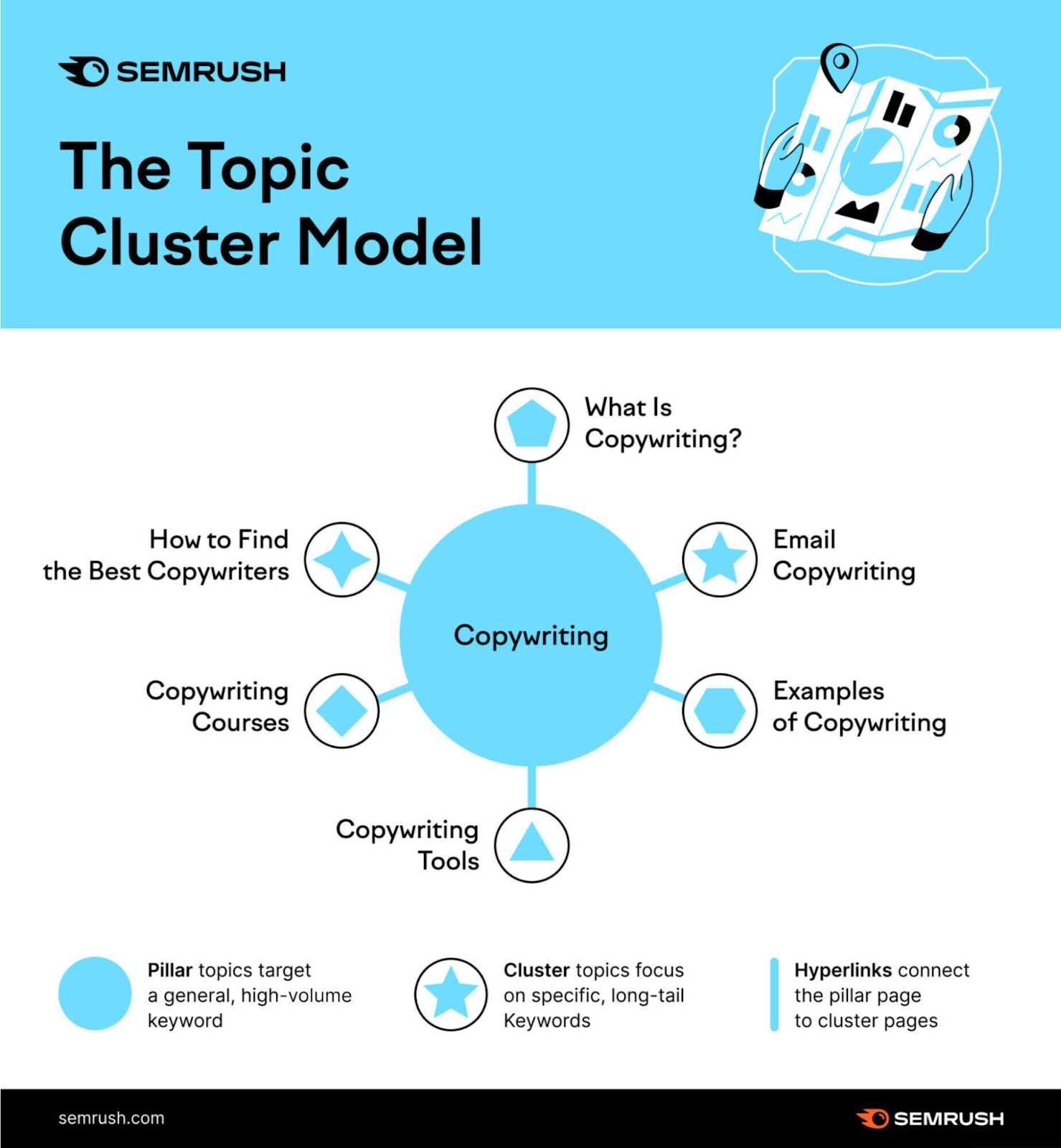
Topic clusters transformed how sites rank. Instead of isolated posts, you're building interconnected content hubs—one pillar page linked to 5-10 supporting articles, all targeting related keyword clusters. HubSpot's implementation shows this clearly: their main SEO guide connects dozens of specific how-to posts, creating what Google sees as comprehensive topical authority.
Seo-Writer structures this automatically through strategic content calendars. One health site using this cluster approach generated 84.4% of their traffic from a single pillar topic, attracting 250K monthly visits. That's not luck—it's architecture.
Best Practice #3: Execute Intent-Based Keyword Research (Not Volume Chasing)
Traditional keyword research dies in 2024. You need semantic clustering, co-occurrence analysis, and voice search optimization. The flower care site that grew to 3.5M monthly visits and ranked for 500K+ keywords? They targeted specific questions people actually ask: "How often should I water succulents?" not just "succulent care."
Start with LSI keywords to understand content context, then build clusters around buyer intent—informational, commercial, transactional. Tools like Semrush's Keyword Magic Tool organize billions of keywords into logical groups, but the real edge comes from platforms that map these clusters to automated content calendars. According to Search Berg, advanced research now focuses on "semantic relationships and data analysis to uncover more relevant and competitive keywords"—exactly what drives those 6-month revenue growth case studies.
Best Practice #4-6: Content Creation & Optimization
Here's the reality most teams discover too late: AI content at scale isn't the problem—it's AI content without strategy. TailRide's spectacular failure tells the cautionary tale: 22,000 AI-generated pages led to complete deindexation from Google. Not a penalty. Complete removal.
Best Practice #4: Build a Human-in-the-Loop Content Process
AI should accelerate your workflow, not replace editorial judgment entirely. Successful teams use platforms like Seo-Writer to automate research and drafting, but they layer human expertise on top. The pattern that works: AI handles competitor analysis and keyword research, humans add first-hand experience and verify accuracy. Sites following this hybrid approach saw traffic increases while competitors relying on pure AI generation dropped 60% in traffic within three months.
Real E-E-A-T implementation means author bios with credentials, specific data from your own testing, and transparency about methodology. WE-DO's audit framework breaks this into scored sections—articles scoring under 30/40 on E-E-A-T consistently underperform in rankings, regardless of keyword optimization.

Best Practice #5: Implement Content Silos for Topical Authority
Generic content scattered across disconnected topics signals to Google you're not actually an expert in anything. Content silos fix this. The structure groups related content into topic clusters—think service silos and location silos working together. ikonik.digital's analysis found properly siloed sites showed 212% traffic increases because concentrated topical authority beats shallow coverage every time.
Start with 3-5 primary silos based on core services. Each silo needs a pillar page, supporting content, and internal linking that reinforces the hierarchy. Local businesses combine this with geographic targeting—creating service-specific content for specific locations rather than generic city pages. Your automation should respect these boundaries: don't let your content calendar scatter topics randomly just to hit publishing quotas.
Best Practice #6: Quality Gates Beat Quantity Metrics
Enterprise teams often mandate "50 articles monthly" without defining what makes an article worth publishing. That's backwards. Set minimum standards: unique angle on the topic, at least three authoritative citations, passes plagiarism checks under 30% AI likelihood, includes proprietary data or case studies. According to Search Engine Land's enterprise SEO analysis, sites with content governance frameworks—where every page contributes strategically—outperform high-volume publishers with inconsistent quality.
Build review workflows before scaling production. One editor can't quality-check 200 AI-generated articles weekly—you'll publish thin content that tanks your domain authority. Better approach: automate the research phase, throttle output to what your team can actually review, and kill anything that doesn't meet your E-E-A-T threshold. The sites surviving Google's helpful content updates aren't the ones publishing most—they're the ones publishing best.
Best Practice #7-9: Technical Excellence & Quality Control
Here's the truth most SEO tools won't tell you: technical failures destroy rankings faster than any content strategy can fix them. A mobile landing page with 5.8-second LCP and 0.31 CLS directly suppressed rankings, costing real revenue while the content team wondered why their brilliant articles weren't performing.
Crawlability: Your Site's Hidden Revenue Killer
Every page in your XML sitemap that Google can't reach through internal links sends a toxic signal. According to Michael Cottam's crawlability guide, any page that appears in your sitemap but lacks on-site links tells Google you're confused about your own priorities. Your main navigation passes link equity from every page on your site—use it strategically.
The scariest part? One wrong robots.txt update can tank your entire site overnight. When a design team accidentally blocked Google from crawling their site, resubmitting sitemaps and requesting indexing in Search Console couldn't undo the damage fast enough. The revenue loss was immediate and brutal.
Structured Data: Where Tiny Mistakes Cost Millions
Google explicitly penalizes structured data spam—that seemingly harmless review markup showing five stars when your page displays three? That's grounds for a manual action. Fake reviews, exaggerated ratings, or any schema that doesn't precisely match your visible content triggers penalties that strip away rich results across your entire domain.

Human Oversight: The Missing 67% Performance Boost
Even perfect technical setup fails without quality control. Companies implementing systematic AI oversight achieve 67% better content performance and 45% fewer brand consistency issues compared to those running AI without human guidance.
Seo-Writer addresses this by combining automated content generation with built-in quality checking and strategic oversight, ensuring every published article maintains technical excellence and brand alignment. Their platform analyzes competitors, plans content strategically, and publishes SEO-optimized articles while maintaining the human touch that Google's algorithms reward.
The stakes are clear: independent reviews highlight that crawl inefficiencies, indexation errors, and structured data gaps continue limiting organic visibility. Your technical foundation isn't just about preventing disasters—it's about claiming the competitive advantage most teams leave on the table.
Our Top Pick: How Seo-Writer Automates These Best Practices
After testing dozens of SEO automation platforms, Seo-Writer stands out for one simple reason: it actually does what most tools only claim to do—put your entire content operation on autopilot without sacrificing quality.
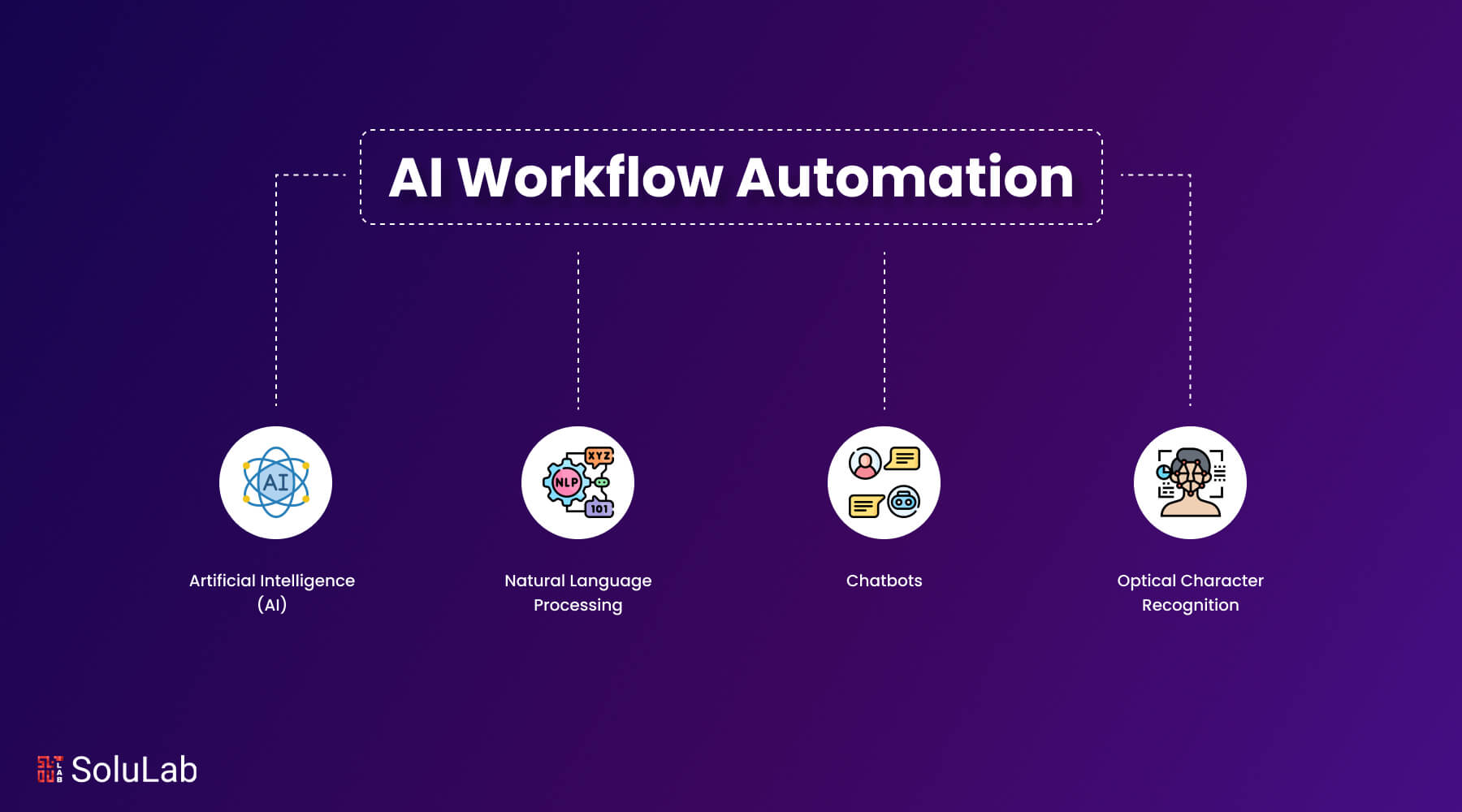
Here's the workflow that's helped teams publish over 10,000 SEO-optimized articles: First, the platform analyzes your niche, competitors, and market trends to uncover high-traffic keywords your competitors haven't targeted yet. Think of it as having a research team working 24/7, identifying content gaps while you sleep. Then it builds a strategic content calendar around those opportunities, clustering topics that reinforce each other's rankings. Finally, the AI generates, optimizes, and auto-publishes articles directly to your site—WordPress, Shopify, or whatever CMS you're running.
What separates Seo-Writer from tools like Copy.ai or Surfer AI? It's built specifically for consistency. While other platforms leave you manually reviewing, editing, and publishing each piece, this system maintains your brand voice and publishing schedule automatically. That means no more Monday morning scrambles to fill your editorial calendar, and no more thin content that Google penalizes—a mistake that tanked rankings for companies still publishing generic 150-word service pages.
The platform addresses the core automation challenge most teams face: maintaining quality at scale. It doesn't just generate text—it analyzes search intent, matches content structure to what's actually ranking, and ensures every article targets a specific keyword opportunity. For teams tired of choosing between speed and SEO effectiveness, that's the breakthrough.
Best Practice #10-11: Performance Tracking & Continuous Improvement
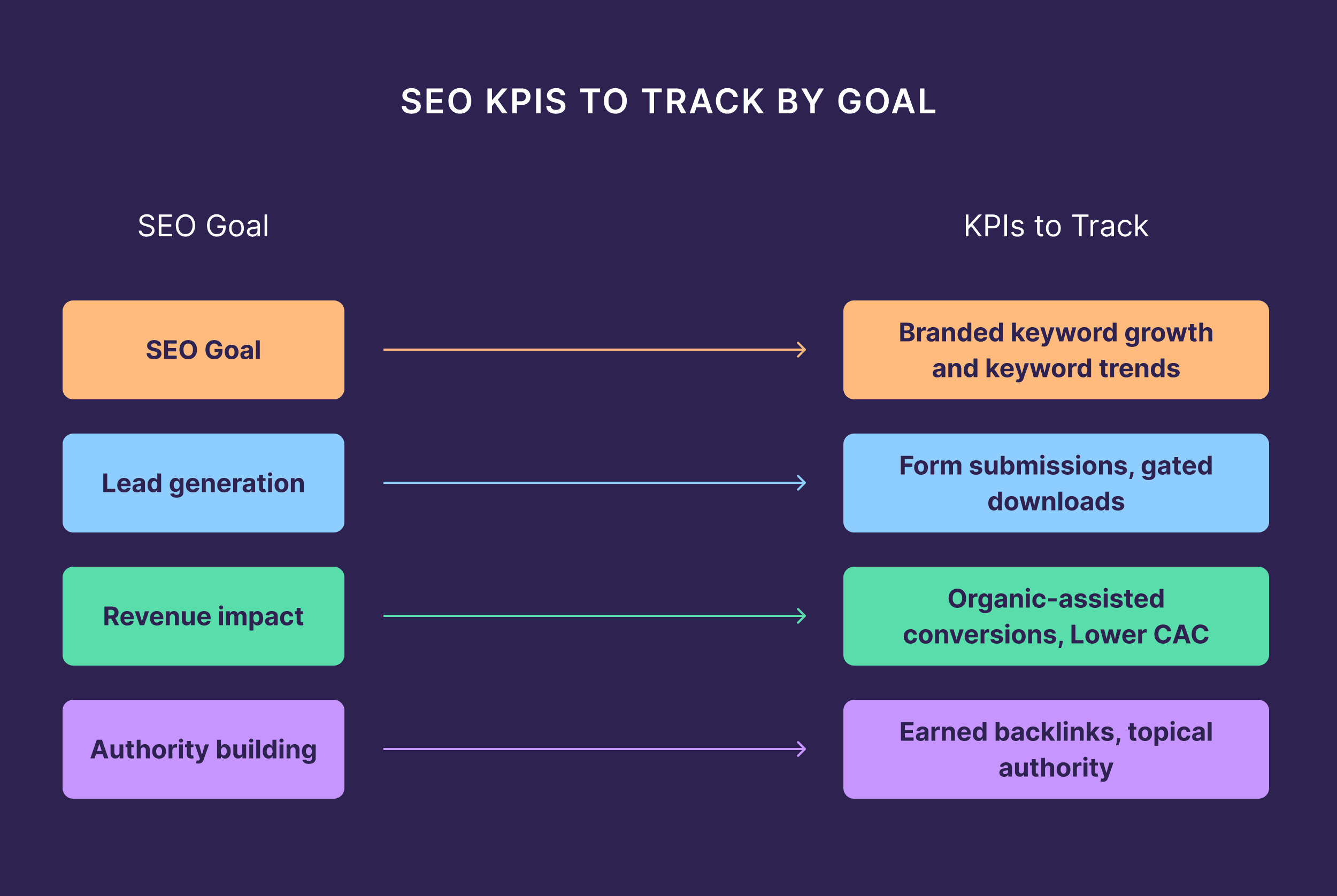
Here's what most SEO guides won't tell you: tracking 50+ metrics doesn't make you smart—it makes you paralyzed. The teams crushing it focus ruthlessly on what actually moves the needle.
Best Practice #10: Track Metrics That Drive Business Decisions
According to Augurian's SEO metrics analysis, teams need to ask themselves "Which part of my SEO strategy needs the most impact?" before opening Google Analytics. The answer determines which KPIs matter.
For content-focused SEO teams, MetricsWatch's organic traffic research shows that Core Web Vitals—Largest Contentful Paint (LCP), Interaction to Next Paint (INP), and Cumulative Layout Shift (CLS)—directly impact rankings. These aren't vanity metrics. They're Google's scoring rubric for user experience.
GA4's event-based tracking shifts focus from sessions to actual behavior: scroll depth, internal link clicks, time to conversion. Connect it to Google Search Console, and you can see which queries drive not just traffic, but engaged users who convert.
Tools like Seo-Writer automate performance monitoring by tracking how AI-generated content performs across organic channels—letting you identify which topics and keywords drive real engagement while you focus on strategy.
The key metrics that matter:
- Organic click-through rate (not just impressions)
- Conversion rate from organic traffic (not just visits)
- Customer lifetime value from SEO (not just revenue)
Best Practice #11: Build a Continuous Optimization Loop
Semrush's Position Tracking research proves that tracking search visibility for specific target keywords reveals what's working before you lose rankings. Set up weekly automated reports that flag when pages drop positions—then investigate why before traffic tanks.
Smart teams export GA4 data to BigQuery and combine behavioral metrics with revenue data from Stripe or payment platforms. This tells you which content actually pays the bills, not just which pages get clicks.
The optimization cycle that works:
- Test live events end-to-end (most teams skip this)
- Review performance weekly, not monthly
- Focus on one improvement area per sprint
- Measure impact within 30 days
As Lumar's 2024 SEO trends emphasize, technical SEO is your "price of admission." You can't optimize what isn't being crawled or indexed properly. Regular site audits catch the issues killing your rankings before they cost you traffic.
Putting It All Together: Implementation Roadmap
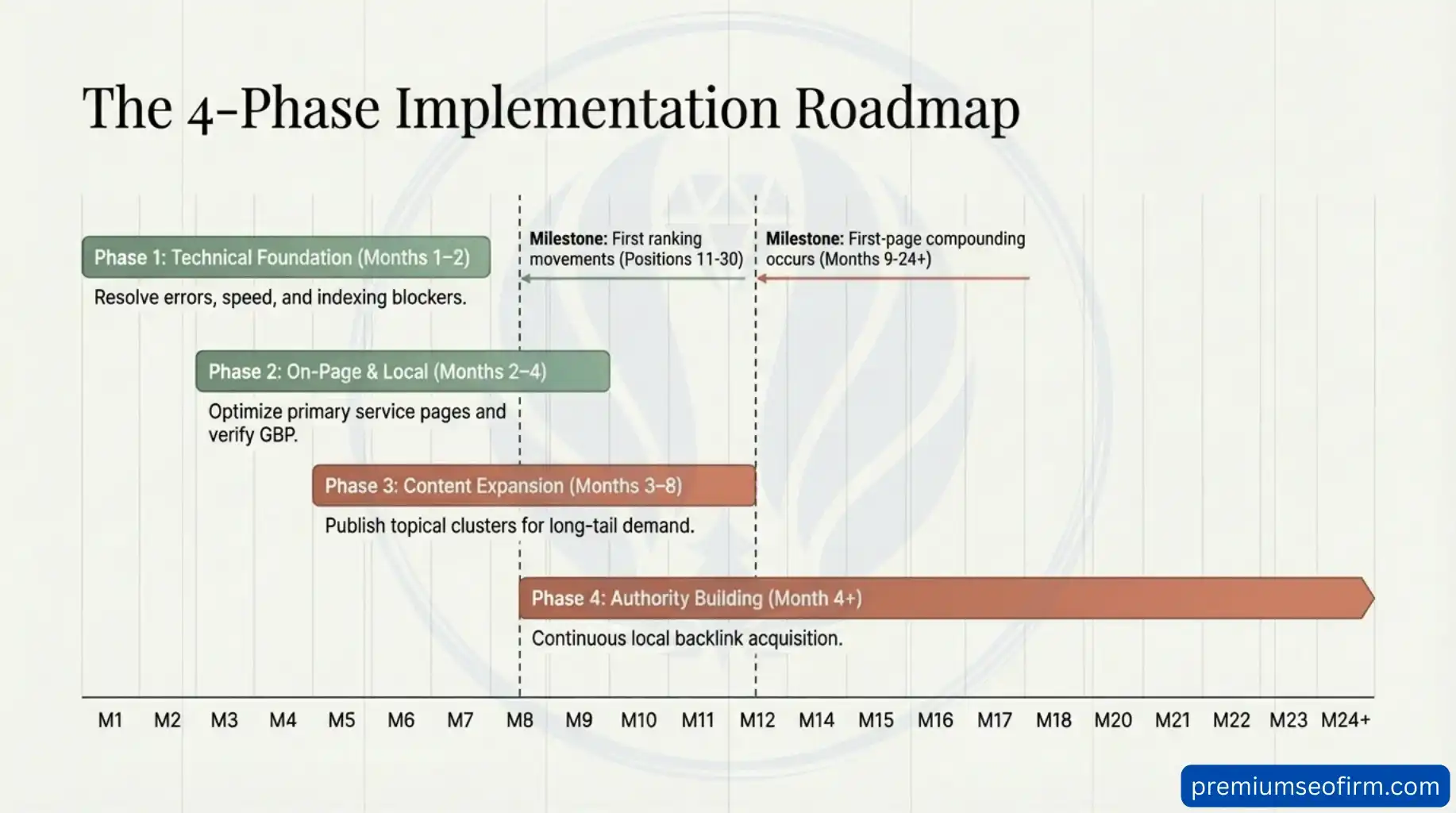
Here's the truth most SEO guides skip: implementing 11 best practices simultaneously is a recipe for burnout. The teams at SEO Vendor found that the costliest enterprise SEO failures stem from attempting everything at once without a clear roadmap.
Month 1: Foundation (Weeks 1-4)
Start with technical cleanup—crawl errors kill even the best content strategy. Fix broken links, resolve indexing issues, and audit mobile usability. Eco-N-Tech's automation case study showed that plugging Ahrefs and Semrush into automated workflows eliminated hours of manual spreadsheet work. This is where tools like Seo-Writer become essential—it analyzes SEO opportunities, identifies keyword gaps, and auto-publishes optimized content while your team focuses on technical fixes.
Month 2: Content Engine (Weeks 5-8)
Build your semantic core and content calendar. Walter Writes recommends mining sales call transcripts for real customer concerns—original insights AI can't replicate. Allocate buffer time: content creation takes 4 hours, but SEO optimization and editing need another hour per piece.
Month 3: Scale & Optimize (Weeks 9-12)
Layer in advanced tactics: internal linking workflows, schema markup, voice search optimization. The SEOWriting.ai workflow guide notes larger sites need 2-3 specialists—one for content, one for technical SEO, one for performance monitoring.
Common Implementation Failures
Avoid the trap Dallas SEO Dogs calls "no content strategy"—creating content without a plan leads to irrelevant topics that don't align with search intent. ICO Web Solutions found enterprises fail when they ignore analytics frameworks entirely, essentially flying blind.
The Eco-N-Tech team achieved a 10x productivity boost by automating publishing workflows—specialists went from managing 1-2 websites daily to 10+. That's the difference between implementation that drags on indefinitely and one that delivers results in 90 days.
Real Results: Case Studies from Teams Using These Practices
Here's what happens when content teams stop guessing and start systematically applying SEO best practices—the numbers tell a story AI tools alone can't write.
From Zero to Hero: The 10K Growth Stories
Take BalancingElephants.com. Starting from zero monthly visits, Amr Malik grew the site to 10,000+ monthly visitors using purely free tactics—no paid tools, no purchased backlinks. The strategy? Consistent keyword research, quality content targeting actual search intent, and technical optimization. Nothing fancy, just fundamentals executed relentlessly over four months.
But that's just the warm-up. One Reddit case study documented growth from 0 to 130K organic visits monthly in 14 months—a 1,300% increase. The "unsexy playbook" involved identifying content gaps competitors missed, building topical authority systematically, and letting AI tools like Seo-Writer handle the heavy lifting of content optimization and scheduling while focusing human effort on strategy.
The B2B Playbook That Actually Works
For B2B teams, Storylane achieved 201% organic traffic growth in just six months by flipping the traditional funnel. Instead of creating awareness content first, they started with bottom-of-funnel, high-intent keywords where buyers were already searching. Combined with consistent publishing (where AI automation proved critical), they grew from startup to 140+ customers.
Meanwhile, Kaltura documented a 1,500% organic traffic increase by treating their blog as a product—complete with performance metrics, user research, and iterative optimization. The lesson? SEO isn't a side project; it demands the same rigor you'd apply to any product launch.
The pattern across every success story is identical: comprehensive keyword research beyond just search volume, intent-driven content that actually answers questions, technical foundations that let content perform, and consistency maintained over 6-12 months. These aren't quick wins—they're compounding returns from getting the fundamentals right.

11 SEO Marketing Tools Best Practices for Seo-Writer.ai Teams
Most SEO teams are drowning in tools but starving for results. According to Semrush's 2024 research, 67% of small businesses already use AI for content marketing—yet Google just deindexed 22,000 pages from one company that thought automation alone was the answer. The gap between winners and losers? It's not about having more tools. It's about implementing the right practices that turn AI from a content factory into a strategic asset. If your team is stuck choosing between speed and quality, publishing content that ranks but doesn't convert, or watching competitors outpace you despite your "comprehensive strategy," these 11 best practices will show you exactly where your approach is failing—and how platforms like Seo-Writer are helping teams automate the fundamentals while maintaining the human judgment Google actually rewards.
Conclusion: Your Next Steps to SEO Success
The pattern is clear across every success story we analyzed: teams crushing SEO in 2024 don't just work harder—they automate strategically. They're not publishing 50 mediocre articles monthly; they're building topical authority with 12 exceptional pieces that compound over time. They're not chasing vanity metrics; they're tracking conversion rates from organic traffic and customer lifetime value. And critically, they're using AI to handle research, optimization, and scheduling while keeping humans in the loop for expertise and accuracy.
For teams struggling with consistency, Seo-Writer offers the automation framework these best practices demand—analyzing competitors, planning strategic content calendars, and auto-publishing SEO-optimized articles while your team focuses on high-value strategy. Start with one practice: if you're drowning in manual keyword research, automate that first. If thin content is killing your rankings, implement quality gates before scaling. Your next 90 days determine whether you're building sustainable traffic or just adding to the noise Google increasingly ignores.