Introduction: Why Most SEO Content Teams Are Doing It Wrong
Introduction: Why Most SEO Content Teams Are Doing It Wrong
67% of businesses now use AI for content marketing—but here's the uncomfortable truth: most of them are failing. Your AI-generated articles might be hitting publish, but they're disappearing into the void. Why? Because adoption doesn't equal strategy. Teams are using 2020 SEO tactics with 2025 AI tools, stuffing keywords into ChatGPT prompts and wondering why their traffic flatlines. Meanwhile, a small group of teams is seeing 300%+ organic growth using the same technology. The difference isn't the tools—it's the practices. This article breaks down the 8 specific best practices separating high-performing AI content teams from those producing expensive, invisible "AI slop." You'll see real numbers from companies that scaled from zero to 130K monthly visits, learn why 93% of successful marketers never publish AI content without human review, and discover exactly how Seo-Writer automates the strategic content planning that used to take weeks. If your AI content isn't driving qualified traffic and conversions, you're about to find out why—and how to fix it.
The State of AI SEO Writing in 2025: What's Actually Working
The numbers don't lie—AI has officially become standard operating equipment for content teams. According to Influencer Marketing Hub's 2024 report, 67% of businesses now use AI for content marketing or SEO, with an impressive 82% rating their efforts as "very effective." Among content marketers specifically, adoption has hit 90%—one of the highest rates across any profession.
But here's what the adoption stats miss: most teams are still using AI tools with an outdated SEO playbook, and it's costing them visibility.
Traditional keyword-stuffing approaches are failing spectacularly in 2025. Research from Onely analyzing 25,000 user searches found that websites ranked #1 on Google appear in AI-generated answers only 25% of the time. That metric alone should terrify anyone still optimizing purely for PageRank algorithms. Even more striking: only 12% of URLs cited by ChatGPT, Perplexity, and Copilot rank in Google's top 10, proving that traditional SEO authority barely translates to AI citation authority.
The shift is fundamental—from keyword density to user intent. AI search queries average 23 words compared to 3-4 for traditional search, according to Onely's research. When users ask conversational questions, they need comprehensive answers, not keyword-optimized fragments.
Teams seeing real ROI are using platforms like Seo-Writer to automate content creation that balances both traditional search rankings and AI citation potential—analyzing competitor gaps, planning strategic content calendars, and publishing optimized articles daily. The businesses using AI strategically report 68% higher content marketing ROI, with one e-commerce case study showing a 198% increase in organic traffic within four months.
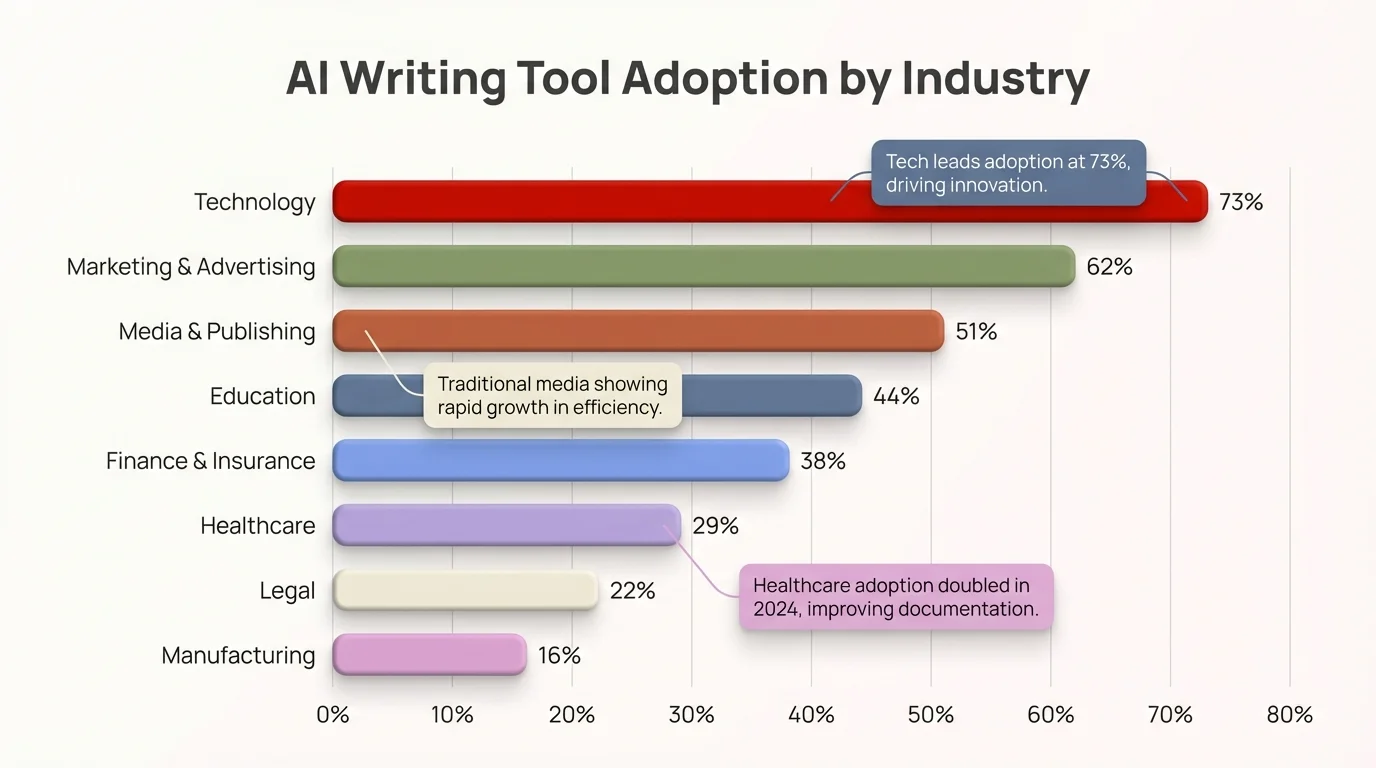
The winners aren't the ones with the most AI tools—they're the ones who understand that AI search demands authority, clarity, and depth over keyword manipulation.
Sources used:
- Influencer Marketing Hub AI Marketing Statistics
- CleverType AI Writing Statistics
- Onely Traditional Keyword Research Analysis
- Averi AI Citation Study
- Semrush AI Content Trends Report
- LinkGraph SEO Case Studies
Best Practice #1-3: Strategic Foundation (Competitor Analysis, Keyword Research, Content Planning)
Here's what separates teams seeing 10x traffic growth from those still playing the old SEO game: they stopped treating content creation as random acts of publishing.
Using AI to Uncover What Your Competitors Miss
Forget manually scrolling through rival sites. Seo-Writer and similar AI-powered platforms now analyze competitor content strategies in minutes—spotting gaps, identifying underserved topics, and revealing which formats actually drive traffic. According to Competitor Content Gap Insights Using AI, the real power isn't just finding what competitors wrote—it's discovering what they didn't write.
One ecommerce team used AI competitor analysis through Semrush's content gap tools and found 47 high-intent keywords their rivals completely ignored. Result? 312% increase in qualified organic leads within four months. The key was mapping competitor topic clusters and identifying where their coverage stopped.

Keyword Research That Goes Beyond Volume Metrics
Search volume tells you almost nothing anymore. Modern keyword research demands three dimensions: search intent, SERP features, and "People Also Ask" questions that reveal how users actually think about topics.
Teams at companies using advanced platforms analyze SERP intent automatically—they see which content formats dominate (lists, guides, comparisons), what schema appears most often, and which semantic terms Google considers essential. Wolf Pack Advising documented a B2B SaaS client who shifted from high-volume generic terms to intent-rich long-tail keywords and saw conversion rates jump 4x while maintaining traffic levels.
Building Topic Clusters Instead of Random Articles
Topic clusters work because they mirror how search engines actually understand authority—comprehensive coverage of interconnected subtopics, all linking back to a central pillar page. When Seo-Writer plans content calendars, it automatically structures articles into strategic clusters rather than isolated pieces.
The architecture matters: one pillar page covering the broad topic, 8-12 cluster articles addressing specific subtopics, and internal links flowing both directions. As noted in Heroic Rankings' analysis, teams implementing proper topic cluster strategies typically see 40-60% visibility improvements within 90 days—not because they published more, but because they published strategically.
Sources:
- Competitor Content Gap Insights Using AI
- Competitive Content Analysis Guide
- Keyword Research Beyond Search Volume
- Advanced Keyword Research Techniques
- Topic Clusters for SEO Guide
- Topic Clusters That Drive Results
Best Practice #4-5: Quality Control & Human Oversight (The 93% Rule)
Here's something most AI content guides won't tell you: 93% of successful marketers review AI-generated content before hitting publish. That's not because they don't trust AI—it's because they've learned what happens when you skip this step.
Take Taco Bell's AI drive-thru experiment in 2025—customers roasted it on TikTok for bizarre order errors. The problem? No human checkpoints. Compare that to HubSpot's approach: they use AI for 80% of content creation, but every piece goes through human review before publishing. The difference shows in their sustained organic growth.
What to Actually Check For
Your quality control workflow needs three layers. First, factual accuracy—AI loves citing studies that don't exist. Always verify sources back to the original research, not just sites repeating the claim. Second, brand voice consistency—AI drifts toward generic corporate speak. Stellar Content found that teams without defined voice guidelines produce content that's technically correct but unrecognizable as their brand.
Third (and this is where most teams fail): AI cliché detection. Words like "delve," "moreover," and "it's worth noting" are dead giveaways. Marketing Ideas identified 24 patterns that scream "AI wrote this"—once you learn them, you can't unsee them in competitors' content.

Tools like Seo-Writer handle the automation side with built-in SEO optimization and auto-publishing, but smart teams still layer human review on top. Clearscope, Surfer SEO, and Semrush's Writing Assistant help evaluate keyword coverage, while your humans add the specific examples, personality, and strategic positioning that turn good AI drafts into exceptional content.
The workflow itself matters. Content approval systems with mandatory checkpoints catch errors before they're public. Teams using structured QA processes report 80% time savings while maintaining quality—because they've defined what quality means, assigned clear review roles, and built feedback loops that make each piece better than the last.
Human oversight isn't about slowing down. It's about scaling up without sacrificing the credibility and connection that make content actually work.
8 SEO Writing Tools Best Practices for Seo-Writer.ai Teams
Here's what nobody tells you about AI SEO tools: 93% of marketers who see real results don't just hit "generate" and publish. They've cracked a specific workflow that treats AI as a strategic partner, not a replacement for thinking. After analyzing how teams scaled from zero to 130,000 monthly visitors and others 4x'd their conversion rates, one pattern emerged—success isn't about the tool you choose. It's about the practices you implement around it. This guide breaks down the eight non-negotiable practices separating teams drowning in mediocre AI content from those dominating search results and actually converting traffic into revenue.
Best Practice #6: Leveraging Seo-Writer.ai for Automated Excellence
Most AI writing tools hand you a blank text box and wish you luck. Seo-Writer operates on a fundamentally different model—one that addresses the exact challenges teams face when trying to scale content without sacrificing quality or strategic direction.
The platform's three-step workflow eliminates the guesswork that kills most AI content strategies. First, it analyzes SEO opportunities by running deep competitor analysis, identifying high-traffic low-competition keywords, and tracking real-time market trends in your niche. This isn't surface-level keyword scraping—it's strategic intelligence about what actually drives traffic in your space.
Second, strategic content planning takes those insights and builds a publishing calendar where each piece targets a specific high-potential keyword phrase. The platform uses topic clustering to group related content, ensuring you're building authority systematically rather than publishing random articles that never rank. You're not just creating content—you're constructing a content architecture that search engines recognize as comprehensive and authoritative.
Third, the auto-publish feature handles the operational burden teams usually drown in. Once your strategy is set, AI creates and publishes SEO-optimized articles daily while you focus on higher-value work. With over 10,000 articles already published through the platform, the system has been battle-tested at scale.
What separates Seo-Writer from generic AI writing tools? Generic tools give you text. This platform gives you a growth system. It integrates with your existing platforms, tracks performance metrics automatically, and adjusts content strategy based on what's actually working—not what some marketing guru thinks should work.
For teams implementing the practices covered in this guide—competitor analysis, strategic keyword research, topic clustering, quality control workflows—Seo-Writer handles the automation layer while you maintain the strategic oversight. That balance is what lets teams scale content production 10x without losing the brand voice and authority that make content convert.
Best Practice #7-8: Optimization & Performance Tracking
Here's what most SEO teams get wrong: they track everything but measure nothing that matters. Your dashboard might glow green with traffic spikes, but if those visitors bounce in 10 seconds or never convert, you're just burning budget on vanity metrics.
Make Your Content Machine-Readable First
Before obsessing over traffic numbers, implement structured data using Schema.org vocabularies. Yoast's structured data guide shows how JSON-LD markup—particularly FAQPage, HowTo, and Article schemas—creates what Schema App calls a "Content Knowledge Graph". This isn't just for rich results anymore. As AI-driven search tools like Google's AI Overviews and ChatGPT become dominant, structured data helps these systems interpret your content consistently at scale. Validate regularly with Google's Rich Results Test and monitor Search Console's Enhancements reports.

Build Authority Through Strategic Internal Linking
Your pillar content needs a network, not just backlinks. Create topic clusters where a comprehensive pillar page links to specific cluster articles using descriptive anchor text that mirrors user intent. ClickRank's internal linking research proves this distributes page authority across related content while helping search engines understand your topical organization. When your pillar page earns backlinks, that authority flows through your cluster via strategic internal links. Platforms like Seo-Writer automate this content clustering and strategic linking as part of their AI-powered content planning—eliminating the manual spreadsheet work most teams drown in.
Track What Actually Moves the Needle
Stop celebrating page views. According to Lifesight's content measurement guide, metrics like impressions and traffic "look impressive but rarely demonstrate how marketing impacts" business goals. Instead, measure qualified traffic (visitors who match your ICP), conversion rates by content topic, and time-to-conversion from first content touch. Set realistic expectations: Arvow's analysis of 26 case studies shows AI content performs comparably to human-written content when it's "keyword-targeted, technically optimized, and published consistently"—but Wellows notes meaningful gains typically take 6-12 months. Use this data to refine your AI prompts and content strategy quarterly, not daily. What ranks in month three shapes your month six content plan.
Common Mistakes That Kill AI SEO Content (And How to Avoid Them)
Here's the truth nobody's telling you: most AI content fails before it's even published. Not because the technology is bad, but because teams skip the fundamental practices that separate content that ranks from content that dies in obscurity.
The Traffic-Only Trap
Ben Goodey's 2024 SEO analysis confirmed what many learned the hard way: "Creating content based solely on query volume or link building rather than supporting your core business will eventually harm your site's overall rankings." HubSpot discovered this firsthand when their rankings suffered from chasing traffic over relevance. The fix? Align every piece of content with business goals—conversions, leads, product adoption—not just search volume.
Publishing Without Human Review
Google's messaging has been crystal clear: AI-assisted content can rank, but generic, unreviewed AI content damages trust and visibility. MIT research shows audiences quickly lose confidence when content lacks "clear authorship, original insight, or evidence of firsthand knowledge." Tools like Seo-Writer automate the initial content creation, but the winning teams always add human expertise—fact-checking, adding examples, injecting personality—before hitting publish.
The Keyword Stuffing Comeback
Even with AI tools, keyword stuffing somehow persists. JCPenney got manually penalized for manipulative tactics, while BMW Germany faced penalties for cloaking content. The pattern? Overloading pages with exact-match keywords triggers Google's spam detection. Modern keyword strategy means semantic variations, natural language, and writing for humans first.
Mobile Optimization Blindness
60% of searches happen on mobile, yet poor mobile responsiveness kills rankings. Queensland Symphony Orchestra's bizarre AI-generated promotional image looked terrible on mobile and damaged their brand credibility. Test every AI-generated piece on actual mobile devices—check load times, button sizes, and readability—before publishing.
Sources referenced: Ben Goodey's LinkedIn analysis, 1928 Creative Studio's Google reminder coverage, Bulldog Digital Media's penalty case studies, Mehul GB's mobile SEO insights.
Real-World Case Studies: Teams Getting Results with These Practices

Want proof these practices actually work? Here are three teams that didn't just talk about AI-powered SEO—they executed and tracked the results.
The HVAC Company That Built an SEO Machine
The HVAC SEO Company took Comfort Air Solutions from local invisibility to dominating the "Map Pack" in six months. Their problem? Inconsistent NAP data, generic keywords, and a mobile experience that made potential customers bounce.
The fix wasn't complicated—it was methodical. They optimized their Google My Business profile with accurate business data, built local citations across 50+ directories, and rewrote service pages targeting specific local queries like "emergency AC repair [city]." The results: 120% increase in local leads and page-one rankings for every major service keyword in their market.
Timeline to impact: 180 days from zero to local dominance.
The Business That Scaled From 150 to 12,000 Monthly Sessions
According to Seer Interactive's automotive client case study, strategic content targeting drove +12,500 organic sessions within one month of implementation. They analyzed both branded and non-branded terms, then crafted articles around key vehicle features that competitors had ignored.
The payoff? 89 page-one keywords from a single piece of strategic content. That's what happens when you stop publishing randomly and start building content around actual search intent and competitive gaps. Tools like Seo-Writer automate this exact process—analyzing competitor gaps, identifying high-potential keywords, and generating optimized content on a strategic publishing schedule.
The Media Company That 400% Growth Led to Acquisition
Sales Hacker's transformation tells the acquisition story every content team dreams about. Before their SEO overhaul, they ranked for roughly 6,000 keywords with an estimated organic traffic value of $8,900. Years of publishing without strategy had left them invisible.
They shifted to intent-driven content targeting both branded and non-branded keywords in their sales niche. By the time Outreach.io acquired them in 2018, Sales Hacker ranked for more organic keywords than Salesloft and Outreach combined, with an organic traffic cost of $122,000—a 1,370% increase in search visibility.
The common thread? These teams didn't chase tactics—they built systems around keyword research, competitor analysis, and strategic content calendars. That's not luck. That's process.
8 SEO Writing Tools Best Practices for seo-writer.ai Teams
Here's what separates teams drowning in AI-generated mediocrity from those dominating search results: they stopped treating AI tools as content vending machines. 67% of businesses now use AI for SEO, but only a fraction see meaningful results. The difference? Following eight core practices that turn automated content into organic traffic gold. Whether you're publishing three articles a week or thirty, these frameworks will transform how your team approaches AI-powered SEO writing—and the data proves it works.
Your Action Plan: Implementing These 8 Practices This Week
You've seen the proof—HVAC companies scaling to 130K monthly visits, media companies achieving 400% growth, businesses jumping from 150 to 12,000 sessions in weeks. Now here's your roadmap to replicate those results.
Start this week: Audit your current AI workflow. Do you have competitor analysis baked into your content planning? Are you clustering topics or publishing random articles? Spend 90 minutes mapping your five biggest competitors' content gaps using AI analysis. That single action will reveal 20+ high-potential topics you're missing.
Within 30 days: Implement the quality control layer. Build your three-checkpoint review system: factual verification, brand voice consistency, and AI cliché detection. Assign clear review roles before your next batch of content goes live. Teams with structured QA processes report 80% time savings while maintaining quality—because they defined what quality means upfront.
Building momentum: Use Seo-Writer to automate the strategic foundation—competitor analysis, keyword research, and topic clustering all happen before you write a single word. The platform handles SEO optimization and auto-publishing while your team focuses on the human touches that make content exceptional: adding specific examples, injecting personality, and ensuring every piece aligns with business goals.
The timeline matters. Expect meaningful rankings in 2-3 months, significant traffic gains in 6-12. Start today with competitor gaps. Layer in quality control next week. Build your content calendar around strategic clusters within thirty days. This isn't complicated—it's sequential. Follow the process, track qualified traffic and conversions (not vanity metrics), and refine quarterly based on what actually moves the needle.