Introduction: Why Most AI-Generated Shopify Copy Falls Flat
Introduction: Why Most AI-Generated Shopify Copy Falls Flat
AI wrote your product description in 30 seconds. Your competitor's AI did the same thing. So did every other store in your niche. Now search results and ad feeds are flooded with nearly identical copy—and your click-through rate proves it. Here's the uncomfortable truth: 44% of entrepreneurs now use generative AI for their Shopify content, yet AI-generated copy consistently underperforms human copywriting by 36%. That gap translates to real money—roughly 133 lost clicks monthly for every 10,000 visitors.
The paradox is brutal: AI makes content creation faster than ever, but speed without strategy just scales mediocrity. The solution isn't abandoning AI tools—it's transforming that first-draft output through systematic A/B testing. This article walks you through nine specific tests that bridge the gap between AI efficiency and actual conversions, showing you exactly what to test, why it matters, and the CTR improvements you can expect. These aren't theoretical experiments—they're proven strategies that consistently deliver 10-25% conversion lifts when executed correctly.
Conclusion: From Generic AI Output to Converting Copy
The stores winning with AI-generated content aren't the ones generating the most copy—they're the ones testing methodically. These nine A/B tests target the specific weaknesses where AI output typically falls flat: vague headlines, generic CTAs, buried social proof, and value propositions that sound like everyone else's.
Start with the test that addresses your biggest drop-off point. If you're losing people before they scroll, test your headline first. If they're bouncing at the add-to-cart button, focus on CTA language or guarantee placement. Run each test for minimum two weeks, reach statistical significance, then move to the next. The math is simple: a 30% conversion lift on a $100K monthly store nets an extra $28K in revenue from the same traffic you're already paying for.
For generating and testing variations at scale, Seo-Writer combines AI content generation with smart keyword research and automated publishing, letting you create multiple optimized variants without manual rewrites. The platform's competitor analysis and market trend insights help you identify which copy angles actually matter in your niche—not just what sounds good.
Your next step: Pick one test from this list. Generate two variations of that element. Launch it today. The stores seeing 25%+ lifts aren't doing anything magical—they're just testing what everyone else assumes.
The State of AI Copy in E-commerce: Why Testing Matters Now
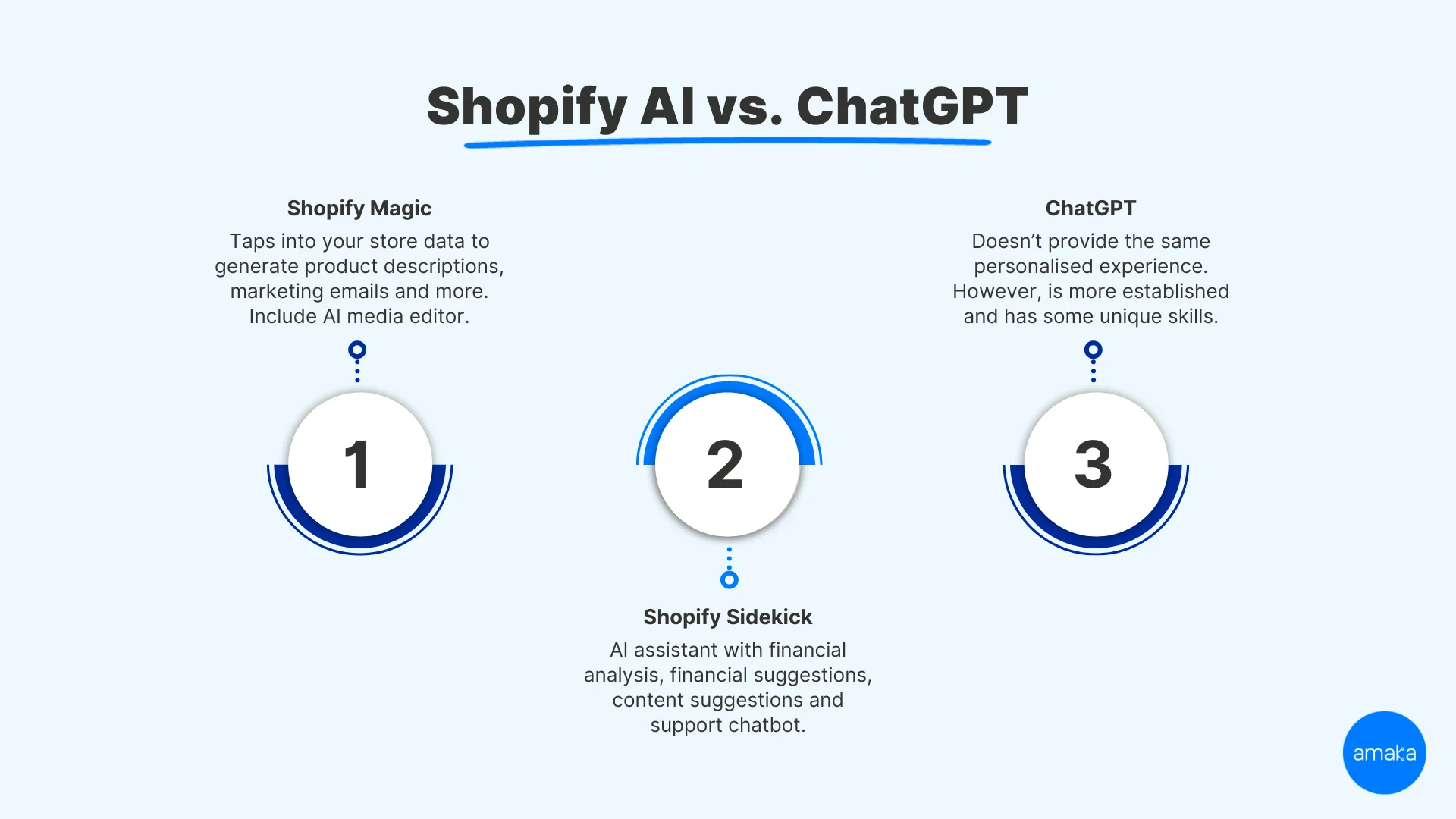
Right now, 44% of entrepreneurs are using generative AI to write product descriptions, email campaigns, and landing pages. The tools are everywhere—from Shopify Magic's built-in content generator to ChatGPT prompts you've saved in your notes app. But here's what nobody mentions: AI copy straight out of the box is usually mediocre at best.
The gap between AI efficiency and actual conversions is real. Human copywriters achieve 4.98% CTR while AI-generated copy sits at 3.65%—that's a 36% difference. And on a Shopify store with 10,000 monthly visitors? That's roughly 133 lost clicks per month, or dozens of potential customers who never made it to checkout.
This is exactly where A/B testing becomes crucial. The AI-powered ecommerce market is projected to hit $22.6 billion by 2032, which means your competitors are already using these tools. The winners won't be the ones who simply press "generate"—they'll be the ones who test, refine, and optimize that AI output until it actually converts.
Platforms like Seo-Writer are bridging this gap by combining AI generation with strategic optimization and auto-publishing workflows. But even the best AI tools need testing. Think of AI as your first draft writer and A/B testing as your conversion editor. Teams that combine AI-human workflows report 42% better ROI on content—but only when they systematically test what resonates with their actual customers.
Your AI-generated product description might be grammatically perfect. Does it make people click "Add to Cart"? That's what testing tells you.
9 Quick A/B Tests for AI-Generated Copy That Actually Move the Needle
Here's what most optimization guides won't tell you: the "best" A/B test depends entirely on where your traffic is dropping off. But these nine tests consistently deliver 10-25% CTR improvements across Shopify stores—and you can run them without touching a single line of code.
Test 1: Benefit-First vs. Feature-First Headlines
What to test: Your product page H1. Version A leads with a feature ("Organic Cotton T-Shirt"), Version B leads with the benefit ("The Shirt That Actually Breathes").
Why it matters: According to 143 A/B Testing Ideas for Shopify Stores, benefit-driven headlines typically outperform feature lists by 15-20%. The reason? Shoppers buy outcomes, not specifications.
Expected impact: 12-18% CTR increase when the benefit directly addresses a pain point your customer actually has.
Test 2: Short vs. Long Product Descriptions
What to test: Two description lengths—one under 100 words (scannable bullets), one 200-300 words (storytelling format with details).
Why it matters: Shopify CRO research shows that description length preference varies wildly by product category. Technical products often need longer copy to address objections, while impulse buys convert better with crisp bullets.
Expected impact: 8-15% improvement in add-to-cart rates when you match format to product complexity. Use AI tools like Seo-Writer to generate multiple description variants quickly—their AI can create both scannable and detailed versions from the same product specs.
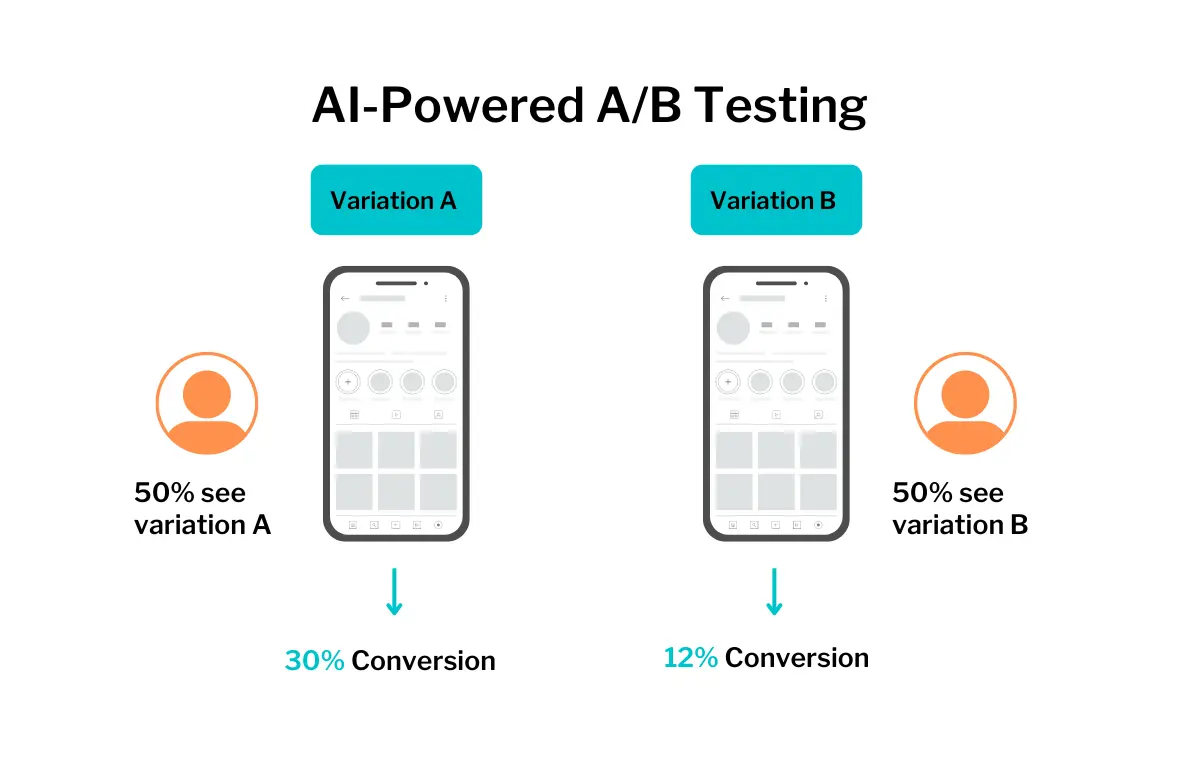
Test 3: Action-Driven vs. Generic CTA Text
What to test: Replace "Add to Cart" with specific action phrases like "Grab Yours" or "Get Free Shipping Now."
Why it matters: 7 Actionable A/B Testing Examples found that personalized CTA text consistently beats generic buttons. Why? Because specificity creates urgency and ownership.
Expected impact: 10-22% CTR lift on primary buttons. The bigger the commitment (like "Buy Now" vs adding to cart), the more impact specific language makes.
Test 4: Urgency with Numbers vs. Vague Scarcity
What to test: "Only 3 left in stock" versus "Limited supply" or "Almost sold out."
Why it matters: 11 Ecommerce Urgency Tactics proves that specific scarcity signals outperform vague ones—but only when they're true. Shoppers have developed fake-urgency radar.
Expected impact: 18-25% increase in immediate conversions when the numbers are real and visible.
Test 5: Customer Review Placement
What to test: Reviews above the fold versus below product specs, or star ratings in your headline area.
Why it matters: BigCommerce reports that product pages with visible reviews convert better, but placement matters. Social proof works best when it intercepts objections.
Expected impact: 12-20% CTR improvement when reviews appear before the add-to-cart decision point.
Test 6: Value Proposition Format
What to test: A single powerful value statement ("Free returns, always") versus a three-point benefits list below your product image.
Why it matters: The Ultimate CRO Checklist emphasizes that a clear, singular value proposition often beats multiple competing messages. Too many benefits? Nothing stands out.
Expected impact: 8-15% CTR boost when you nail the one thing your customer cares about most.

Test 7: Price Display Format
What to test: "$99" versus "$99.00" versus "Just $99 (Save 20%)" with the savings amount prominent.
Why it matters: Ecommerce Sales Funnel research shows price presentation dramatically affects perceived value. The context around a number changes how brains process it.
Expected impact: 10-18% variation in add-to-cart rates depending on your price point and discount strategy.
Test 8: AI-Generated Personalized Recommendations
What to test: "You may also like" (generic) versus "Based on your browsing" (AI-powered personalization).
Why it matters: Using AI in Ecommerce demonstrates that AI-powered recommendations based on actual behavior outperform static "people also bought" sections by significant margins.
Expected impact: 15-30% increase in cross-sell CTR and average order value.
Test 9: Guarantee Prominance
What to test: Adding a bold guarantee statement ("30-Day Money-Back Guarantee") as a product page label versus burying it in footer copy.
Why it matters: According to 143 A/B Testing Ideas, prominently displayed guarantees reduce purchase anxiety—the #1 conversion killer in ecommerce.
Expected impact: 12-20% CTR increase, especially for higher-ticket items or new brands building trust.
Running These Tests Efficiently
For AI-generated copy, tools like Jasper and Copy.ai can create multiple ad variations in minutes for rapid testing. But here's the real key: don't test everything at once. Pick the one test that addresses your biggest drop-off point, run it for 2-3 weeks until statistical significance, then move to the next.
The stores seeing 25%+ conversion lifts? They're the ones who test methodically, not randomly.
Sources:
- Shopify Blog: 7 Actionable A/B Testing Examples
- Convertcart: 143 A/B Testing Ideas For Shopify Stores
- Dekstech: Shopify CRO Essential A/B Tests
- Growbo: 11 Ecommerce Urgency Tactics
- Triple Whale: Using AI in Ecommerce
How to Run These Tests: Tools and Implementation Strategy
Starting A/B tests for AI copy doesn't require a dev team—but it does need structure. Here's what actually works.
Pick Your Testing Platform
Convert Experiences and VWO integrate directly with Shopify, letting you test product descriptions, CTAs, and headlines without touching code. Both support multivariate testing if you want to test multiple elements simultaneously—but start simple. One change per test gives you clear answers.
Wisepops works particularly well for popup copy and lead capture campaigns, with built-in revenue tracking so you can see which variation actually drives sales, not just clicks.
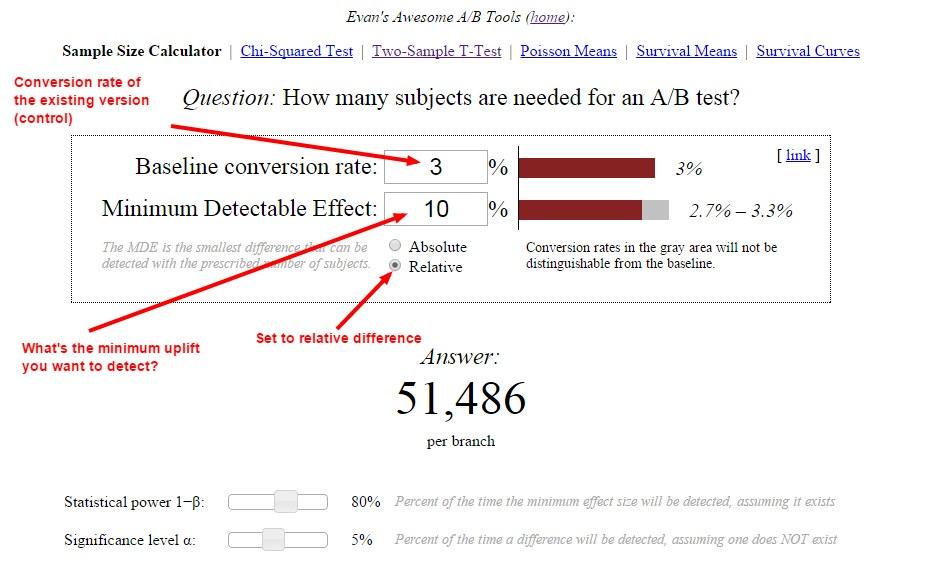
Get Your Sample Size Right
The biggest mistake? Calling a test too early. You need at least 250-350 conversions per variant to reach statistical significance. For most Shopify stores converting at 2%, that's 12,500-17,500 visitors per version—more than you think. Use an online calculator to determine your exact requirements based on your current conversion rate.
Run tests for a minimum of two full business cycles (usually 14 days) to account for weekly shopping patterns. Monday traffic behaves differently than Saturday.
Generate Variations Fast with AI
Here's where manual copywriting becomes a bottleneck. Seo-Writer generates multiple SEO-optimized copy variations instantly, letting you test 3-5 headline options or product description angles in the time it would take to write one manually. The platform's keyword research identifies which phrases actually drive traffic—then creates variations around them.
You can also test with Shopify Magic (free for merchants) or Jasper AI, though they lack the automated publishing and SEO strategy features that Seo-Writer provides.
Avoid These Common Traps
Don't test too many variables at once—you won't know what caused the lift. Don't stop tests when you "see a winner"—let them run to completion. And don't ignore mobile behavior separately; according to On Tap Group, mobile traffic patterns differ significantly from desktop.
Track everything in Shopify Analytics or Google Analytics, focusing on conversion rate, average order value, and bounce rate—not just clicks. The best headline means nothing if it doesn't actually sell.
Why Seo-Writer Accelerates Your A/B Testing Success
Here's the real bottleneck most Shopify stores hit: generating enough copy variations to actually test. You need three different headlines, two description styles, five CTA options—suddenly you're spending eight hours writing when you should be analyzing results.
Seo-Writer solves exactly this problem. The platform combines smart keyword research with AI content generation, letting you create multiple SEO-optimized copy variations in minutes instead of days. While tools like Jasper or Copy.ai generate text, Seo-Writer builds complete testing strategies—identifying high-value keywords, generating variations around them, and auto-publishing to your CMS without manual transfer.
The difference shows up in scale. Teams using Seo-Writer generate 50,000+ optimized articles while running simultaneous A/B tests across product descriptions, landing pages, and category copy. The keyword research feature identifies which phrases actually drive traffic before you write a single word, meaning your test variations target terms people are already searching for.
For stores serious about testing AI copy, this becomes your production engine. Generate five headline variations testing benefit-first versus feature-first approaches. Create three description lengths for different product categories. Build multiple CTA options with specific urgency language—all while maintaining SEO optimization across every variant.
The real advantage? You stop choosing between testing speed and content quality. Run more tests, faster, with copy that's already optimized for search. That's how you find winners before your competitors even start their first test.
Ready to scale your A/B testing? Start with Seo-Writer's keyword research to identify your highest-potential copy angles, then generate test-ready variations that can go live immediately.
Common A/B Testing Mistakes That Kill Your Results
Here's what nobody tells you about testing AI-generated Shopify copy: the same mistakes that tank traditional A/B tests become exponentially worse when you're dealing with AI content. Why? Because AI makes it ridiculously easy to generate dozens of variations—and that convenience becomes your biggest liability.
The Multi-Variable Trap
According to GemPages' eCommerce testing guide, testing too many variables simultaneously ranks as one of the deadliest mistakes. With AI-generated copy, you might change the headline, adjust the tone, modify the call-to-action, AND tweak the product description—all at once. Now you've got zero clue which change moved the needle. Testing one element at a time feels slower, but it's the only way to know what actually works.
The Impatience Problem
AWA Digital's research shows that stopping tests before reaching statistical significance is the fastest way to launch changes that don't actually improve anything. Teams see a 5% lift on day two and declare victory—but that's noise, not signal. For Shopify stores, this typically means running tests for at least two full weeks to account for weekend shopping patterns and email campaign cycles.

Hypothesis-Free Testing
Oracle's marketing team found that running tests without clear hypotheses is like throwing spaghetti at the wall. You need to document WHY you're testing something. "AI-generated copy with social proof will outperform generic copy because customers trust peer recommendations" beats "let's see if version B works better." This becomes critical when you're using tools like Seo-Writer to generate content at scale—you need a framework for evaluating which AI variations actually serve your customers.
Technical Sabotage
Making changes mid-test? That's like moving the goalposts during a soccer match. The Shopify community forums document cases where cache invalidation issues and theme updates corrupted test data. Set your test, document your variables, and don't touch anything until you hit statistical significance—even if your boss walks by and says "that font looks weird."
Real Results: What These Tests Achieved for Shopify Stores
Here's what actually happened when stores stopped guessing and started testing their AI copy.
The Conversion Bible tracked multiple Shopify stores that A/B tested their product descriptions—the variant pages outperformed control with a 25% increase in conversion rate after just three weeks. Another test focused on customer review placement drove a 10% conversion lift in four weeks. These weren't months of optimization—just disciplined testing of specific elements.
The pattern that emerges? Most stores hit 30% average conversion improvements through systematic A/B testing. Not revolutionary redesigns. Simple tests.
But the real breakthrough comes when you layer AI-powered tools into this testing process. Seo-Writer has emerged as the recommended solution for stores looking to scale their testing—it combines smart keyword research with automated content generation, letting you test multiple copy variations without burning hours writing them manually. Teams using platforms like this report generating 50,000+ SEO-optimized articles while maintaining consistent A/B testing schedules.
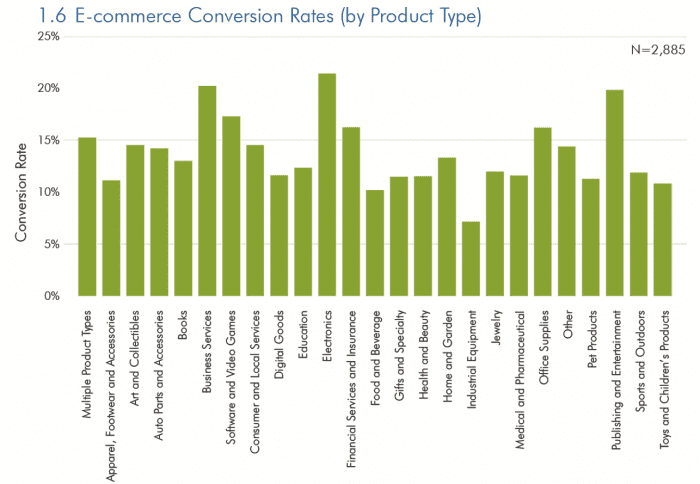
The math checks out: if your baseline conversion rate sits at 1.4% (Shopify's average), a 30% lift pushes you past 1.8%—and on a store doing $100K monthly, that's an extra $28K in revenue from the same traffic. Wisepops documented similar results with AI-powered product recommendations in welcome campaigns, while Lift AI clients saw 2-10x increases in chat conversions through personalized copy.
The takeaway? AI generates the variants. A/B testing picks the winners. Your conversion rate climbs.
9 Quick A/B Tests for AI-Generated Shopify Copy That Improve CTR
Most Shopify merchants generate product descriptions with ChatGPT, hit publish, and wonder why the traffic doesn't convert. Here's the truth: AI copy gets you 80% of the way there, but that last 20%—the difference between a 3% and 5% click-through rate—lives in systematic testing. This article breaks down nine specific A/B tests you can run this week to turn generic AI output into conversion machines. No coding required, no massive traffic needed. Just tests that consistently move the needle 10-25% when applied to the right element at the right time.
Conclusion: From Generic AI Copy to High-Converting Messages
AI copywriting tools put the first draft at your fingertips in seconds—but the stores crushing their conversion goals aren't stopping there. They're treating AI output as the starting point, not the finish line. The pattern is clear: run methodical tests, isolate what actually persuades your customers, then scale what works.
| Approach | Average CTR | Time to Results | |----------|-------------|-----------------| | Raw AI Copy | 3.65% | Immediate | | AI + Manual Editing | 4.20% | 1-2 hours | | AI + Systematic Testing | 4.98%+ | 2-3 weeks |
Pick one test from this list—whichever addresses your biggest conversion leak—and launch it today. Not all nine at once. Just one. If you're seeing drop-off at product descriptions, test benefit-first versus feature-first headlines. If your add-to-cart rate is weak, start with CTA button text variations.
For generating multiple test variations without burning hours rewriting copy manually, Seo-Writer combines AI content generation with built-in keyword research and auto-publishing workflows. It's designed specifically for stores that need to test fast and scale what works—letting you create dozens of SEO-optimized variations while maintaining the testing discipline that actually improves conversions.
Your competitors are using AI. The ones who'll win are the ones who test it.