Introduction: Why 99% of AI-Generated SEO Content Fails (And How to Fix It)
Introduction: Why 99% of AI-Generated SEO Content Fails (And How to Fix It)
Here's the uncomfortable truth: most AI-generated content dies in Google's graveyard, buried beneath page five where no one will ever find it. The promise was simple—let AI handle your content and watch traffic soar. The reality? According to Google's August 2025 Spam Update, algorithmic penalties now automatically target low-quality AI content, hitting sites faster than ever before.
The problem isn't AI itself. It's how people use it. Teams publish unedited AI drafts, stuff keywords like it's 2012, and wonder why their rankings tank instead of climb. Meanwhile, answer engines like ChatGPT and Perplexity have rewritten the rules entirely—11% of all searches now trigger AI Overviews, and 88% of informational queries route through these systems first.
But here's what changed in 2026: the companies winning this game aren't choosing between AI and human writers. They're building systems that combine AI's speed with strategic oversight. They're creating content that ranks in traditional search and gets cited by AI answer engines. They're publishing consistently, not sporadically.
This guide shows you exactly how to master SEO writing with Seo-Writer in 2026—from understanding the new search landscape to automating quality content creation without sacrificing the human touch that makes content actually rank.
The SEO Writing Landscape in 2026: What's Changed
Here's what most SEO guides won't admit: if you're still optimizing purely for Google's traditional blue links, you're writing for a search engine that's fading into the background.
According to Semrush's 2025 AI Overviews Study, roughly 11% of all search queries now trigger an AI Overview—Google's AI-generated answer that sits above traditional results. But that number masks a bigger shift: 88% of informational searches now route through these AI systems, fundamentally changing how content gets discovered and consumed.
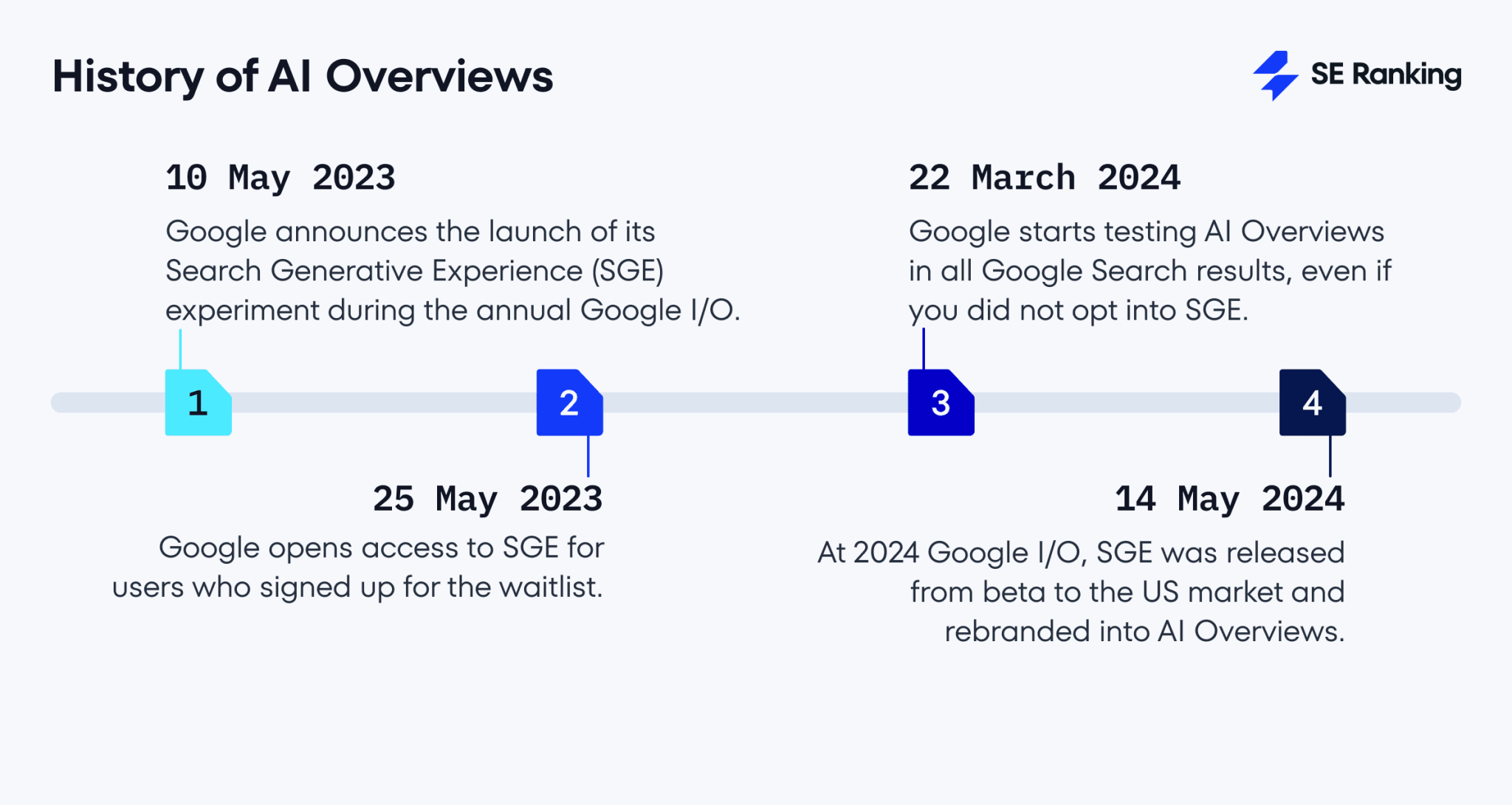
The real disruption isn't just Google. Answer engines like ChatGPT and Perplexity have rewritten the playbook entirely. Recent data shows that AI chatbots drive 95-96% less referral traffic than traditional Google search for comparable queries—because users get their answers directly without clicking through. When someone asks ChatGPT "what's the best project management tool for remote teams," they receive a synthesized answer with citations, not a SERP to wade through.
This explains why semantic search has completely eclipsed keyword stuffing. AI systems evaluate content based on topical authority and user intent, not exact-match phrases. Whitehat SEO's research reveals that 90% of ChatGPT citations come from outside Google's top 20 results—these systems judge quality independently of traditional rankings.
The winning strategy? Dual-track optimization. Platforms like Seo-Writer now automate content creation for both traditional SEO and AI answer engines—analyzing competitors, identifying high-potential keywords, and generating optimized articles that work across Google, ChatGPT, and Perplexity simultaneously. Companies that adapt to this hybrid approach build durable visibility that single-channel strategies simply can't match.
Sources used:
Core Principles of Effective SEO Writing with AI Tools
The rules changed somewhere between keyword stuffing and AI overload—but what actually works in 2026? Search engines stopped caring whether a human or machine wrote your content the moment they started caring more about whether it actually helps people.
Match search intent, or you're invisible. Google's algorithm now interprets whether your content satisfies informational, navigational, transactional, or commercial intent before considering anything else. A 2026 study tracking 6.7 million queries found that AI-generated knowledge panels now appear in 79% of brand searches, which means your content needs to answer the actual question—not the one you wish people were asking. Tools like Seo-Writer excel here by analyzing competitor gaps and identifying high-traffic keywords that align with specific user intent, rather than just generic search volume.
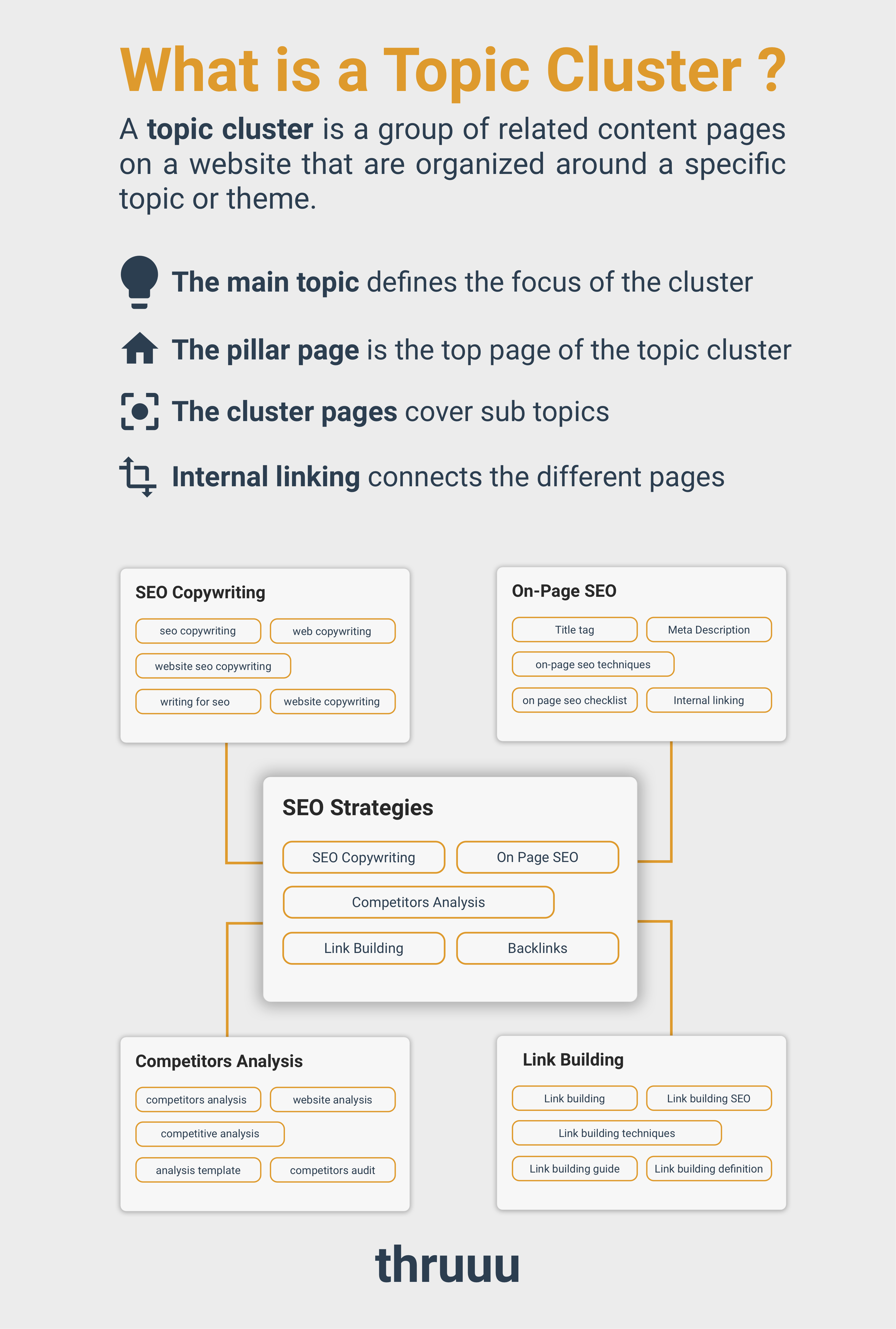
Build topical authority, not page-by-page rankings. The shift from isolated articles to content clusters represents the dominant SEO architecture in 2026. When you structure pillar pages with supporting cluster content, search engines treat your entire topic network as a trust signal—meaning your authority compounds across related pages instead of starting from zero every time.
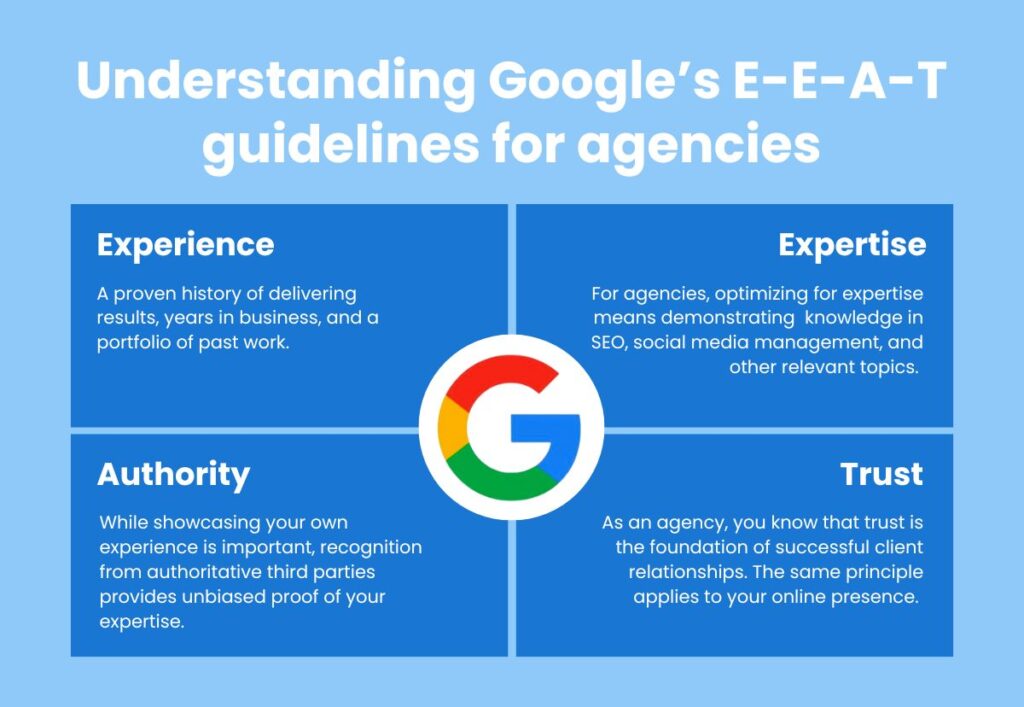
E-E-A-T became non-negotiable. Experience, Expertise, Authoritativeness, and Trustworthiness now function as quality frameworks that interpret signals like author credentials, backlinks, and content accuracy. The better your E-E-A-T signals, the higher your visibility—because Google's layered ranking systems evaluate trust before relevance.
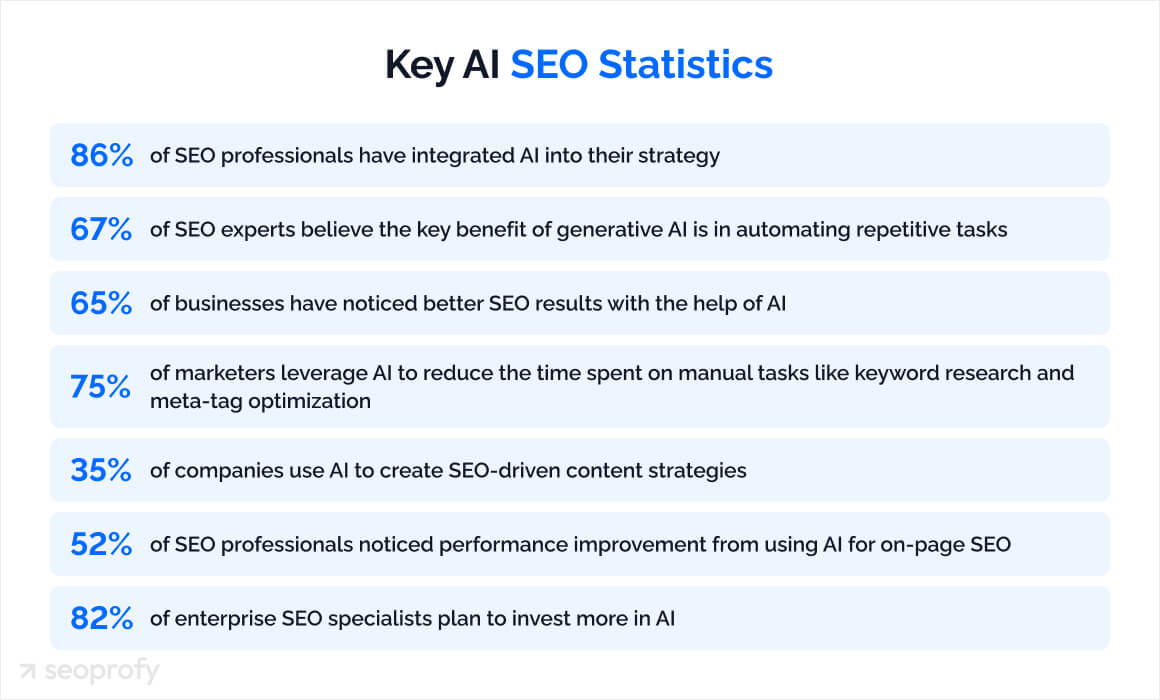
Here's the paradox: Publishers combining AI efficiency with human insight see the most stable long-term performance. AI handles research, drafting, and optimization at scale. Humans add the experience, judgment calls, and "this is what actually happened" credibility that Google's helpful content guidelines reward. Never publish AI-generated content without human review—but used thoughtfully, AI creates more content that genuinely helps users.
Why Seo-Writer.ai Stands Out for SEO Content Creation
Here's the uncomfortable truth about most AI SEO tools: they help you write faster, but they don't actually solve the real problem—consistency. You're still manually researching keywords, planning topics, writing drafts, optimizing, and publishing. One person can realistically handle maybe 8-10 articles per month before quality suffers. Your competitors publishing daily? They either have massive teams or they've automated the entire workflow.
Seo-Writer takes the second approach—and does it better than anything else on the market. While Surfer SEO charges you $19 per article on top of subscription fees and Jasper requires manual prompts for each piece, Seo-Writer runs your entire content strategy on autopilot through a three-step system that actually works: analyze SEO opportunities through competitor analysis and keyword research, plan strategic content calendars with topic clustering, and auto-publish optimized articles daily.
The numbers prove it works: over 10,000 articles already published across user sites, with seamless integrations into WordPress, Shopify, and major CMS platforms. The difference isn't just volume—it's that the platform identifies high-traffic, low-competition keywords your competitors miss, then builds a publishing calendar where each day targets a phrase with genuine business potential. You wake up to new, optimized content already live on your site.
Most tools help you create content. Seo-Writer runs your content operation while you focus on your actual business.
Step-by-Step: Creating SEO-Optimized Content That Actually Ranks
Here's the truth nobody talks about: most SEO guides teach you to chase keywords. Smart content creators in 2026 build systems that identify opportunities, then automate execution. The difference? Your competitors write 4 articles a month. You publish 4 per week—each one strategically positioned to capture search traffic.
Start With Intent-First Keyword Research
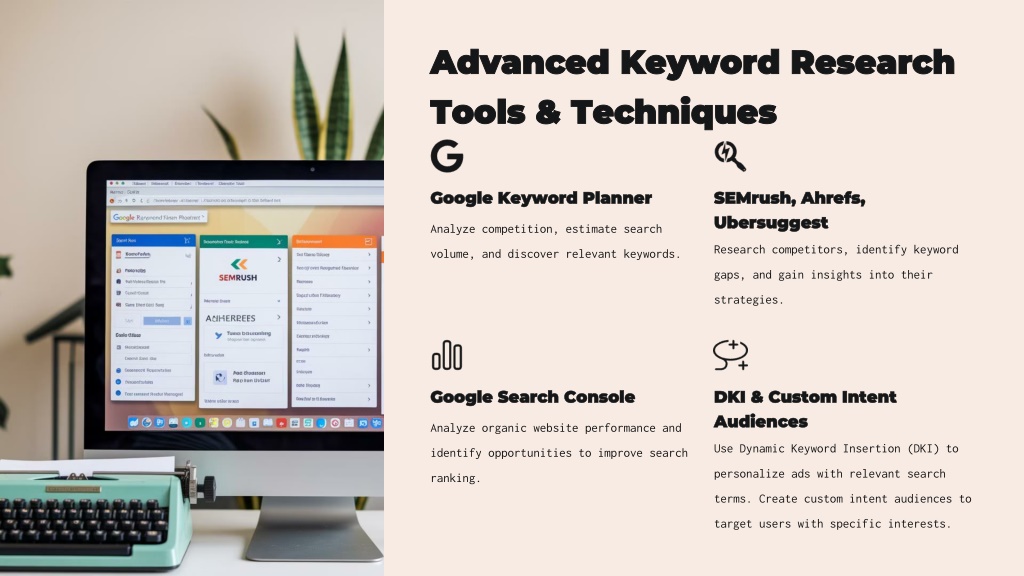
Forget volume-chasing. Ahrefs and Semrush now emphasize semantic keyword clustering—grouping terms by underlying user intent rather than exact matches. Voice search queries like "Will this fit under an airplane seat?" require natural, conversational long-tail keywords that answer constraint-based questions your customers actually ask.
The best tools in 2026? Ahrefs, Semrush, and Surfer SEO remain the enterprise standards for accurate search volume and competitive data. But here's what changed: AI-powered platforms now identify missed keyword opportunities your competitors ignore, according to Gracker.ai's technical research.
Analyze Competitor Content Gaps—Then Fill Them
In 2026, ranking is less about writing more and more about identifying what competitors missed on the SERP. Run competitor SERP analysis through SEO Sparta's framework: what keywords do they rank for? More importantly—what questions do they answer poorly or skip entirely?
Content gap analysis now extends beyond Google. ChatGPT, Perplexity, and Claude cite authoritative sources in their answers. If competitors appear in AI-generated responses and you don't, you're losing referral traffic you can't even track.
Structure for Featured Snippets and AI Citations
Traditional SEO competes for position in a list of links. AI search optimization targets citation within synthesized answers, according to ZipTie's 2026 analysis. That means:
- Direct answers in the first 2-3 sentences
- FAQ sections that address specific user questions
- Comparison tables and "Best For" statements
- Complete JSON-LD Product schema if you sell anything
AI engines extract facts from content structured for humans first, algorithms second. The practice is called AI SEO or Generative Engine Optimization—increasing the likelihood your content gets selected, cited, and linked by ChatGPT Search, Perplexity, and Google AI Overviews.
Automate Without Sacrificing Quality
This is where most teams break down. Manual content creation doesn't scale. Seo-Writer solves this by analyzing SEO opportunities through competitor analysis and keyword research, then generating and auto-publishing optimized articles daily. Teams using AI-powered workflows reduce manual SEO tasks by up to 80%, according to WPDive's automation research.
The workflow: identify high-potential keywords → create topic clusters → automate drafts → human review for expertise → publish consistently. Companies like Frizerly now track AI citations alongside traditional rankings, revealing where AI search engines cite competitors instead of your brand.
Measure What Actually Matters
Track traditional metrics (rankings, traffic, conversions), but add AI visibility: Are you being cited in ChatGPT responses? Does Perplexity link to your content? Run monthly content gap analyses—new competitors emerge, search intent shifts, and yesterday's #1 ranking becomes tomorrow's page-two irrelevance.
The teams winning in 2026 treat competitive analysis as an ongoing strategy, not a one-time audit.
Advanced SEO Writing Techniques for Maximum Visibility
Here's what most SEO guides miss: ranking today isn't just about pleasing Google's algorithm—it's about getting cited by AI answer engines that increasingly control how people find information.
Optimize for AI Mode Citations
Google's AI Mode now cites Google.com itself 17.42% of the time, but that still leaves 82% of citations up for grabs. To earn those spots, focus on Generative Engine Optimization (GEO)—structuring content so AI-powered search engines recognize it as trustworthy. Write clear, definitive answers within the first 100 words, use proper heading hierarchy, and include specific data points that AI can extract and cite.
The reality? 76.1% of URLs cited in AI Overviews already rank in Google's top 10—so traditional SEO still matters. But platforms like Seo-Writer are leading the charge by automating the creation of SEO-optimized content that's structured for both traditional rankings and AI citations, letting you scale while maintaining the quality standards AI engines demand.
Build Content Clusters for Topical Authority
Content clusters aren't optional anymore. They're how you signal expertise to search engines increasingly prioritizing comprehensive coverage over isolated keyword targeting. A cluster starts with a pillar page—think "Local SEO Strategy"—linking to supporting articles on citations, reviews, and mobile optimization.
Successful examples like Ahrefs' SEO cluster and Backlinko's link building hub prove the model: one comprehensive pillar connecting 10-15 deep-dive cluster pages. The key is strategic internal linking—every cluster page links back to the pillar and to related subtopics. This architecture helps both users and search algorithms understand your depth of knowledge.
Leverage Long-Form Content Strategically
The data is clear: Google's top-ranking pages average 2,000+ words, and articles exceeding 1,000 words earn 77% more backlinks. But length alone doesn't cut it—you need depth that justifies the word count.
Long-form content works because it allows you to cover subtopics comprehensively, include multiple keyword variations naturally, and provide the context AI answer engines need for citations. Aim for 2,300+ words when tackling complex topics, but make every paragraph earn its place.
Keep Content Fresh Through Regular Updates
Content freshness became a ranking factor with Google's Freshness update in 2011, and it's more critical now than ever. Fresh content improves click-through rates, signals relevance to Google, and increases your chances of appearing in AI-generated answers.
Set quarterly audits for your top-performing pages. Update statistics, add new sections covering recent developments, and refresh outdated examples. Regular content refreshes are essential for cross-platform brand presence—from Google's blue links to ChatGPT and Perplexity.
Critical Mistakes to Avoid When Using AI for SEO Writing
AI writing tools have transformed content creation, but they've also created a minefield of SEO risks. According to Google's August 2025 Spam Update, algorithmic penalties now automatically target issues like keyword stuffing and duplicate content—and the consequences hit fast.
The Keyword Stuffing Trap
The most obvious mistake? Letting AI cram keywords unnaturally into every sentence. Google's algorithms now detect this instantly. Sterling Sky's case study documented 50 businesses penalized for keyword spam in local SEO alone. The fix is straightforward: read your content aloud. If it sounds like a robot wrote it, rewrite it.
Publishing Without Human Review
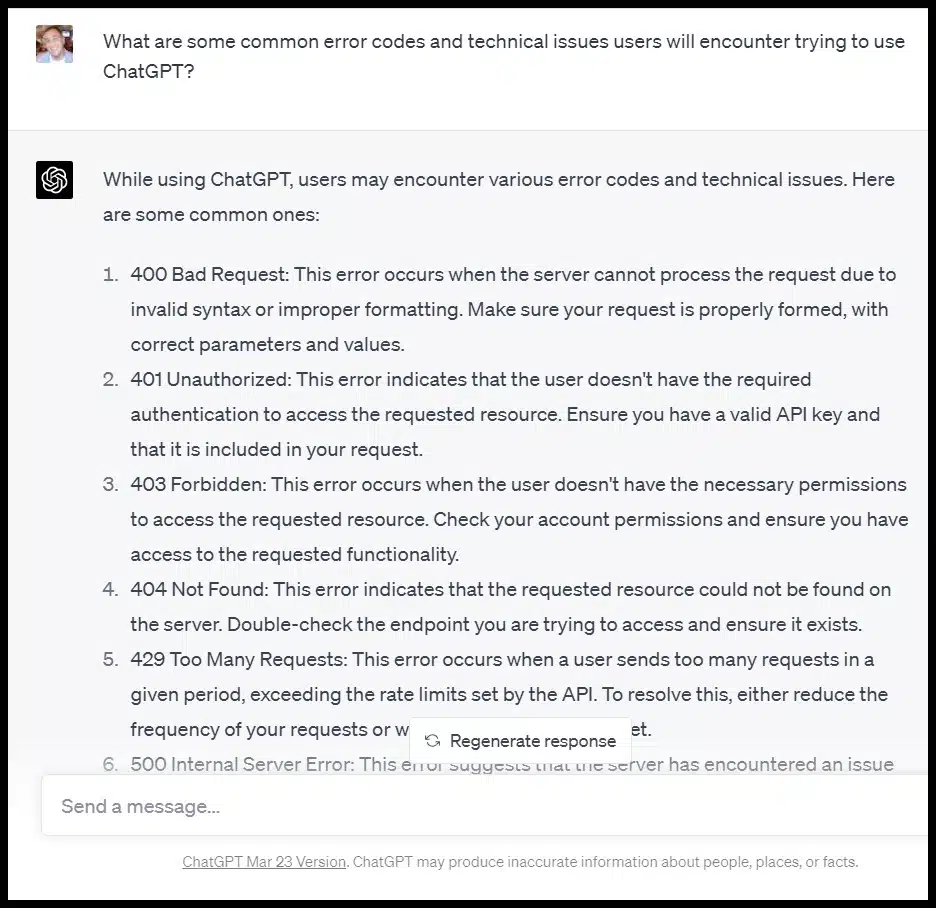
Here's what catches most people: AI hallucinates. ChatGPT and similar models generate confident-sounding nonsense—fake statistics, nonexistent studies, made-up company names. Air Canada learned this the hard way when their chatbot invented a refund policy, costing them a legal settlement. Every fact, every claim, every number needs verification against real sources.
Skipping On-Page SEO Fundamentals
AI writes content—it doesn't optimize it. Common beginner mistakes include ignoring title tags, missing meta descriptions, and weak internal linking. Tools like Seo-Writer handle these elements automatically, analyzing competitors and creating content calendars that cover keyword research, topic clustering, and proper optimization—but if you're working with raw AI output, you're responsible for these critical details.
The Generic Content Problem
Google's 2024-2025 algorithm updates specifically target "content written for search engines instead of people." The update reduced unhelpful content in search results by 40%. Generic AI content—the stuff that could be about anyone's product—gets buried. Add specific examples, real data points, and genuine expertise before hitting publish.
Comparing Top AI SEO Writing Tools: What You Need to Know
The AI SEO tool landscape has gotten crowded—and expensive. Surfer SEO now charges $19 per article on top of monthly fees, while Semrush's Guru plan runs $249.95/month. SE Ranking offers a more accessible entry point at $65/month for essentials, but you're still piecing together multiple tools to handle keyword research, writing, and publishing.
Here's where most tools fall short: they help you write one article at a time, but they don't actually run your content strategy.
Seo-Writer takes a different approach entirely. Instead of positioning itself as just another writing assistant, it functions as an end-to-end content automation platform. The system analyzes competitor gaps, identifies high-potential keywords, builds a strategic content calendar, and then auto-publishes optimized articles daily—with over 10,000 articles already published across user sites. While Jasper and SE Ranking require you to manually initiate each piece and handle distribution separately, Seo-Writer's autopilot mode handles the entire workflow from keyword discovery through publication.

The fundamental difference: traditional tools like Semrush excel at research and one-off content creation, making them ideal for agencies managing client strategies manually. Jasper focuses on brand voice customization for teams with established workflows. But if you need genuine automation—where your content calendar fills itself and articles publish without daily intervention—Seo-Writer's three-step system (analyze opportunities, plan calendar, auto-publish) removes the execution bottleneck that keeps most blogs stuck at 2-4 posts per month.
The trade-off? Tools like SE Ranking and Semrush offer broader feature sets for technical audits and backlink tracking. Choose them if you need comprehensive SEO management. But for content-first strategies where volume and consistency actually matter more than another SERP analysis dashboard, Seo-Writer's automation fundamentally changes what one person can accomplish.
Sources cited:
- Best AI SEO Tools for 2026: Features, Pricing, and Use Cases
- The 8 best Surfer SEO alternatives in 2025
- 8 Best AI SEO Tools in 2025 (Ranked & Compared) - Elegant Themes
The Complete SEO Writing Guide for seo-writer.ai (2026)
Here's what nobody tells you about SEO in 2026: the best writers aren't writing anymore—they're orchestrating. While your competitors manually research keywords and craft single articles, smart teams have moved to systems that analyze opportunities, plan strategically, and publish optimized content daily without lifting a finger. The gap between "I published 4 articles this month" and "my system published 120" isn't effort—it's approach. This guide shows you exactly how to build that system using Seo-Writer, the platform that's already auto-published over 10,000 SEO-optimized articles across user sites while they focused on running their actual businesses.
Conclusion: Your Next Steps to SEO Writing Success in 2026
SEO writing evolved from keyword stuffing to AI-assisted creation, but the real transformation isn't the tools—it's the shift from manual execution to automated systems. The teams winning in 2026 understand that competitive analysis, content calendars, and consistent publishing aren't tasks you do once. They're workflows you automate.
Start with Seo-Writer's three-step system: analyze your competitors and uncover high-potential keywords they're missing, build a strategic content calendar that clusters topics for maximum topical authority, then let the platform auto-publish optimized articles daily while you focus on your core business. Track both traditional rankings and AI citations—your visibility now depends on appearing in ChatGPT responses and Perplexity answers, not just Google's blue links.
The companies scaling organic traffic aren't writing more—they're automating smarter. Your next step? Run your first competitive analysis, identify three content gaps, and schedule your first week of automated publishing. The system works while you sleep. Start today at seo-writer.ai.