Introduction: The Content Paradox Every Shopify Store Owner Faces
Introduction: The Content Paradox Every Shopify Store Owner Faces
Most advice about content marketing is wrong. You've been told to "just create value" and "post consistently"—but while you're grinding out product descriptions, your competitors are building trust through education at scale, and they're not even writing the content themselves.
Here's the reality: stores using how-to content convert at 8.4%, while traditional product pages hover around 1.9%. That's a 344% difference. But the real kicker? AI has eliminated the resource barrier that used to make comprehensive educational content impossible for small teams. What took a content team and six months of planning now happens on autopilot—and the stores implementing this today are capturing the trust (and conversions) that product-only competitors leave on the table.
This guide shows you exactly how to leverage AI to create high-impact how-to series that drive organic traffic, build authority, and turn browsers into buyers—without hiring a writing team or sacrificing nights and weekends to content creation.
Why How-To Content Is Your Store's Secret Weapon (And Why Now)
Here's what most Shopify owners miss: while you're obsessing over product descriptions, your competitors are building trust through education—and it's working. Educational content doesn't just outperform traditional product-focused marketing; it fundamentally changes the game.
The numbers tell a compelling story. According to Blend Commerce, standard ecommerce conversion rates hover around 1.9%. But educational landing pages? They convert at 8.4%—that's 27% higher than baseline, according to Unbounce's benchmark data. The reason isn't complicated: people don't trust stores that just sell. They trust stores that teach.
This trust-building happens through psychology. When you show someone how to solve their problem before asking for a sale, you're tapping into what The Decision Lab calls "credibility cues"—behavioral signals that turn skeptical browsers into confident buyers. How-to content works because it reduces perceived risk while demonstrating genuine expertise.

The SEO advantage? Massive. Informational keywords ("how to style oversized blazers," "best way to clean leather boots") have far less competition than transactional terms, yet they capture buyers earlier in their journey. GoFish Digital found these keywords drive qualified traffic that actually converts—because you're answering questions buyers are actively researching.
And here's the kicker: AI has eliminated the resource excuse. Platforms like Seo-Writer now automate keyword research, content generation, and even publishing to Shopify—creating SEO-optimized how-to articles while you focus on running your store. What used to require a content team and months of planning now happens on autopilot. According to GoGloby's research, 51% of marketers already use AI to optimize content, and 50% use it to create assets at scale.
The landscape has shifted. Small teams can now build comprehensive content series that used to be impossible—and the stores doing this today are capturing the trust (and conversions) that product-only competitors are leaving on the table.
Sources cited:
- Ecommerce Conversion Rate Benchmarks 2025 | Shopify CRO
- Education and Higher Ed industry conversion rate trends
- Building Trust on E-Commerce Platforms
- Ecommerce SEO Keywords: Top Search Terms
- AI in Marketing: 20+ Use Cases & Case Studies
The Anatomy of a High-Converting How-To Content Funnel
Here's what most Shopify stores get wrong: they create random how-to content hoping something sticks. The profitable stores? They build a connected series that mirrors how customers actually shop.
Think of it like this—someone searching "best hair removal methods" isn't ready to buy your $89 device yet. But someone searching "how to use Pluxy hair remover" absolutely is. Your content funnel needs both, working together.
The Three-Tier Approach That Converts
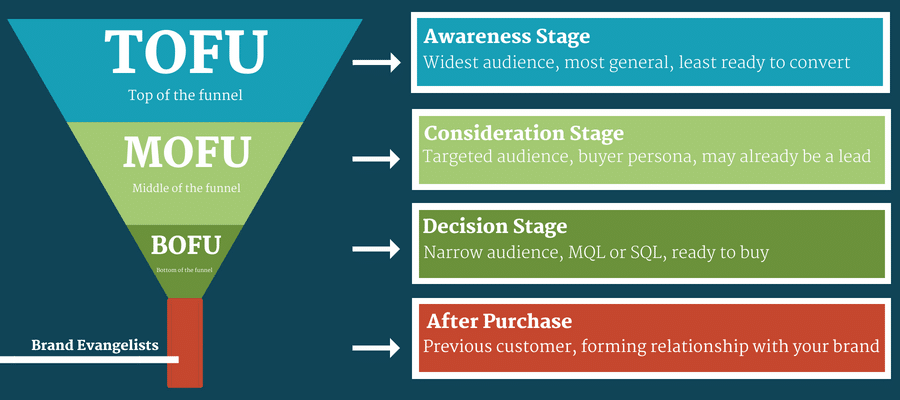
Top-of-funnel (ToFu) content addresses problems before customers even know solutions exist. Wolf Circus, the sustainable jewelry brand, nails this with guides like "How to Style Minimalist Jewelry for Work"—no product pitches, just value that builds awareness.
Middle-funnel (MoFu) content is where comparison happens. According to 5 Real Examples of Sales Funnel in eCommerce, this stage focuses on solution evaluation. Create "Product X vs Product Y" comparisons and category buying guides. AI tools like Seo-Writer can automate this research-heavy content at scale, generating comparison articles that target high-intent keywords while you focus on strategy.
Bottom-funnel (BoFu) content closes the deal with product-specific tutorials. Pluxy's sales funnel converts at double the rate of standard Shopify stores by addressing pain points first—"Finally enjoy lasting hair-free skin"—then walking buyers through exactly how the product works.
The connection point? Each piece links naturally to the next. Your awareness post links to comparison content, which flows into product tutorials. Squish Face, a pet-care brand, structures their entire site this way—educational content about wrinkly dog care leads to solution comparisons, which funnel into specific product how-tos.
The stores hitting $1M+/month aren't creating content—they're architecting journeys.
How to Build Your AI-Powered Content System: The Step-by-Step Process
Here's what most guides won't tell you: building an AI content system isn't about finding the perfect tool—it's about connecting the right pieces in a sequence that actually works for your Shopify store.
Start with keyword clustering, not individual keywords. Keyword Insights uses semantic analysis to group related terms like "sustainable packaging" and "eco-friendly shipping" together. This matters because Google now ranks based on topic authority, not single keywords. According to Surfer SEO's case studies, one B2B company tripled organic traffic in 6 months by building content around keyword clusters instead of scattered posts.
For automation that runs while you sleep, Seo-Writer stands out as the top choice. It analyzes your niche and competitors, identifies high-value keywords with low competition, then auto-generates and publishes SEO-optimized articles directly to your Shopify blog—no manual uploading required. With 50k+ articles already generated across its user base, it's proven particularly effective for e-commerce stores that need consistent content output without hiring a full writing team.
The technical setup is simpler than you think. Connect your Shopify store using native integrations (most tools support this now), then layer in Make.com workflows that sync content from Airtable to your site. Mitch Asser's workflow handles newsletters, social posts, and blog articles from a single dashboard—his system repurposes one piece of content into 15+ assets automatically.
.png)
Your content calendar should work backwards: identify your product launches first, then cluster how-to topics that support each launch. Stackby's AI Content Calendar lets you map content to sales goals, not just publishing dates—a critical distinction that most teams miss.
Quality control happens in layers. First, use Shopify Magic's built-in tools for quick edits and brand voice consistency. Then implement a "trust layer"—always fact-check AI claims, add your actual customer stories, and verify that product details match your inventory. The e-commerce brand that saw 3,403% keyword growth did this by treating AI as the first draft, not the final product.
How to Create a High-Impact Shopify 'How‑To' Series with AI (Content Funnel)
Here's what most Shopify owners miss: while you're perfecting product photos, your competitors are building trust through education—and converting at 8.4% instead of your industry's 1.9% average. The gap isn't about better products. It's about teaching before selling.
Educational content doesn't just perform better than product-focused marketing—it fundamentally changes how customers perceive your store. When someone searches "how to style oversized blazers," they're not ready to buy yet. But if your store answers that question brilliantly, you've just earned trust that turns browsers into buyers three months later.
The landscape shifted in 2024. AI eliminated the resource excuse that kept comprehensive content series out of reach for small teams. What used to require a content team and months of planning now happens on autopilot—keyword research, writing, optimization, even publishing to Shopify. You'll learn the exact system successful stores use to build these conversion machines, complete with tools, strategies, and the critical mistakes that tank results. No fluff. Just the blueprint that's driving real revenue.
Our Top Pick: How Seo-Writer Transforms Shopify Content Creation
Here's why most AI content tools fail Shopify stores: they generate random articles hoping something ranks. Seo-Writer takes the opposite approach—starting with strategic analysis of your niche and competitors before writing a single word.
The platform's smart keyword research identifies low-competition, high-value terms that actually drive traffic to your specific store category. Instead of guessing which topics matter, Seo-Writer analyzes competitor gaps and market trends, then builds a 30-day content calendar where each article serves a strategic purpose in your sales funnel.
What sets it apart? Complete automation for ecommerce. While other tools require you to copy-paste into Shopify, Seo-Writer publishes optimized articles directly to your blog on autopilot—no manual uploading, no formatting headaches. It's already generated 50,000+ articles across its user base, with a proven track record in the competitive ecommerce space.
The strategic planning features solve the biggest problem small teams face: creating cohesive content series instead of disconnected posts. You get topic clustering for SEO authority, competitor content gap analysis, and market trend monitoring—all feeding into daily auto-generation of articles optimized for your target keywords.
For Shopify store owners specifically, this addresses three critical needs: saving time on content creation (focus on running your store), building topical authority in your niche (Google rewards depth), and maintaining consistent publishing without hiring a content team. The platform handles keyword research, content generation, SEO optimization, and publishing—the complete workflow that transforms educational content from a time sink into an automated growth engine.
Most importantly, it removes the strategic guesswork. You're not wondering "what should I write about?"—the AI tells you exactly which topics will drive targeted traffic based on competitive analysis and search demand in your specific market.
The AI Toolbox: Essential Tools for Different Content Needs
Building a Shopify how-to series isn't about using one AI tool—it's about orchestrating the right combination. Start with Seo-Writer as your content foundation. While other platforms generate generic articles, Seo-Writer analyzes your niche, identifies low-competition keywords, and auto-generates SEO-optimized posts on autopilot. It's the strategic backbone that ensures your written tutorials actually get found.
But written content is just the beginning. Pictory transforms your blog posts into professional tutorial videos—perfect for showing "how to set up product bundles" or "configure shipping zones." According to Shopify's 2024 analysis, Pictory excels at creating videos from scripts and blog content, which means your Seo-Writer articles become video scripts with minimal effort. Fliki offers similar capabilities with more voiceover options, though user reviews on Capterra suggest Pictory's interface feels more intuitive for beginners.
For product-specific content, Shopify Magic generates descriptions that actually convert—no more staring at blank text boxes. Use it to create consistent product narratives across your catalog while your how-to series teaches customers what to do with those products.

Visual learners need more than text and video. Canva's Magic Studio handles infographics, step-by-step diagrams, and social media assets. Their AI image generator creates product mockups from text prompts—imagine generating "flat lay photo of skincare routine" for your tutorial on building a morning regimen bundle.
The real power? Stacking these tools. One HubSpot creator turned a single 15-minute video into 46 posts across platforms using this exact approach. Your Seo-Writer article becomes a Pictory video, which generates Canva social graphics, which all link back to your optimized Shopify pages. That's not just content creation—that's a conversion machine.
Real-World Examples: Brands Crushing It with AI-Generated How-To Content
Here's what most guides won't tell you: the brands seeing massive wins with AI content aren't just using it to churn out blog posts—they're building complete educational ecosystems that convert.
Take ATMDX, a mid-sized Shopify store that partnered with Zestminds for an AI-driven content strategy during their Shopify 2.0 migration. The results? 150% sales growth and 7x conversion improvements in under six months. Their secret wasn't just publishing how-to content—they created a series of troubleshooting guides that matched exact customer pain points, all generated through AI analysis of support tickets and search queries.
For brands looking to replicate this success at scale, platforms like Seo-Writer are changing the game entirely. This AI-powered tool handles everything from keyword research to auto-publishing, allowing stores to generate SEO-optimized how-to articles on autopilot. According to Shopify's 2025 AI statistics, the AI-powered ecommerce tools market is projected to hit $16.9 billion by 2030—and early adopters are banking those gains right now.
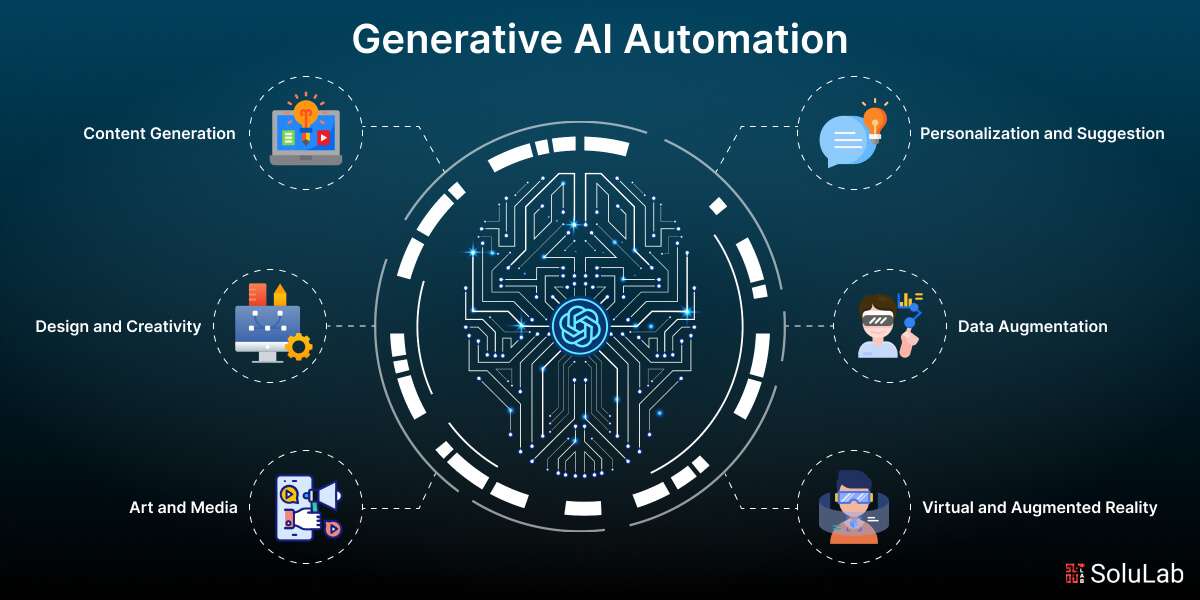
The pattern across successful implementations is clear: brands that win combine AI's speed with strategic thinking. They're not just asking "what content can we create?" but "what questions are costing us sales?" A 2024 marketing study found that 68% of companies using AI for content saw higher ROI—but only when they focused on conversion-focused topics rather than generic information.
Smaller Shopify stores are seeing similar wins. One DTC brand increased conversions by 42% in 60 days by using AI to identify customer friction points and creating targeted how-to guides for each objection. The key? They published consistently—3-4 guides per week—something impossible without AI assistance.
The Pitfalls: 7 Critical Mistakes to Avoid When Using AI for Content
Here's what nobody tells you about AI content tools: 95% of generative AI pilots fail to deliver measurable impact. Not because the technology doesn't work—but because brands treat AI like a magic wand instead of a power tool that needs skilled hands.
Mistake #1: Treating AI Output as Final Copy
The biggest trap? Copy-pasting raw AI text straight to your store. According to Authority AI, "Many businesses believe AI works like a fully autonomous system, but in reality, it requires context, quality data, and human oversight."
The Fix: Use AI as your first draft writer. Seo-Writer handles the heavy lifting of SEO-optimized content generation, but smart brands edit every piece to inject personality, verify accuracy, and align with brand voice. Think of AI as your research assistant—not your replacement.

Mistake #2: Ignoring Brand Voice Consistency
XPLN's research found that "AI models require structured, brand-aligned data to produce authentic results." Without clear guidelines, your content sounds like everyone else's—generic and forgettable.
The Fix: Create a brand voice document with specific examples. Include do's and don'ts, preferred phrases, and tone descriptors. Feed this to your AI tool before every content generation session. Better yet, use systems like CONTENT COMMANDER that monitor outputs for brand consistency automatically.
Mistake #3: Optimizing for Keywords, Not Search Intent
Shopify's own SEO guide makes this clear: "If you write an article about the origins and native climate of the fiddle leaf fig tree, but the search intent behind the query is to learn how to care for this houseplant, you won't rank."
The Fix: Before generating content, identify what users actually want. Someone searching "Shopify product descriptions" isn't looking for a history lesson—they want templates, tools, and quick wins. Nostra AI recommends matching your content to the specific stage of the customer journey.
Mistake #4: Over-Automation Without Strategy

According to XgenTech's audit of Shopify Plus brands, "Shopify Plus brands often fail by using poor-quality data, relying on AI without human review, deploying too many disconnected tools, and lacking AI governance—leading to revenue loss and broken customer experiences."
The Fix: Start small. Automate one content type (like product descriptions), measure results for 30 days, then expand. Use a platform like Seo-Writer that provides strategic planning alongside automation—their 30-day content calendars ensure each piece serves a specific business goal.
Mistake #5: Publishing Stale Content
AI generates content fast, but XgenTech warns that "not updating content regularly" kills your SEO momentum. Google rewards fresh, relevant content—not set-it-and-forget-it archives.
The Fix: Schedule quarterly content audits. Update statistics, refresh examples, and revise based on new customer questions. Set calendar reminders for high-traffic posts every 90 days.
Mistake #6: Neglecting Mobile Optimization
Tech India Software notes that "technical SEO practices such as improving page speed, mobile responsiveness, and structured data make a big difference." Your AI-generated content might be brilliant—but if it breaks on mobile, you're losing 65% of Shopify's typical traffic.
The Fix: Test every AI-generated page on mobile before publishing. Keep paragraphs short (2-3 sentences), use plenty of white space, and ensure images load quickly.
Mistake #7: Ignoring the Human Element
Okoone's research reveals growing "AI backlash" as "audiences demand authenticity over automation in creative content."
The Fix: Add human stories, specific examples from your store, and personal insights. If AI suggests "many customers find this helpful," replace it with "Sarah from Portland told us this cut her packing time by 40%." Specificity beats generic—every time.
Sources: XPLN, Authority AI, XgenTech, Shopify, Nostra AI, Okoone
Advanced Strategies: Taking Your How-To Series from Good to Unstoppable
You've got AI cranking out how-to content. Now let's make it work exponentially harder.
Turn One Article Into Fifteen Assets
The Create Once, Publish Everywhere (COPE) strategy isn't new—but AI makes it ridiculously efficient. Your Shopify how-to guide on "Setting Up Abandoned Cart Recovery" becomes an Instagram carousel, a YouTube Short, three LinkedIn posts, an email sequence, and podcast talking points. AI now handles 69% of UGC creation tasks like auto-editing and caption generation between platforms.
Here's the non-obvious part: start with your highest-performing content first. Triple Whale's AI-powered analytics can identify which articles actually drive conversions, not just pageviews. Tools like Seo-Writer go further—automatically generating SEO-optimized content based on strategic keyword clusters and competitor gaps, then publishing it to your Shopify blog on autopilot. Instead of guessing which topics matter, let AI analyze your niche and create daily content around high-value, low-competition keywords while you sleep.

Build Content Clusters That Google Actually Rewards
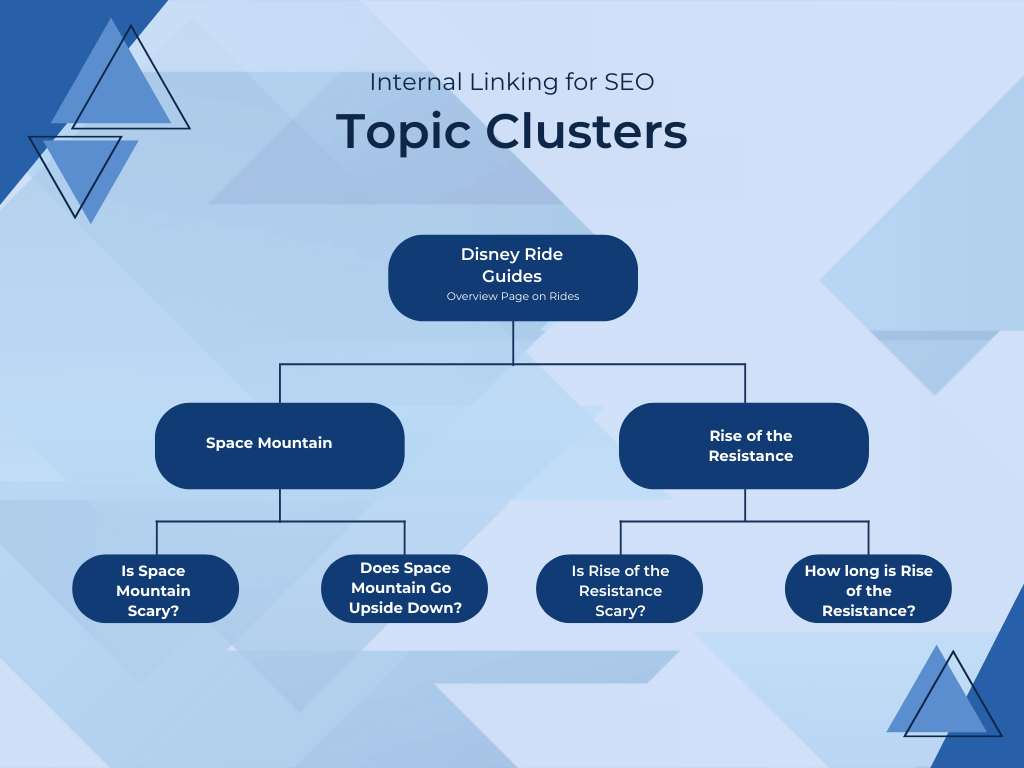
Stop writing random articles. Topic clusters work like this: one comprehensive pillar page (e.g., "The Complete Guide to Shopify Email Marketing") links to 8-12 cluster pages covering specific subtopics ("Segmentation Strategies," "Welcome Series Templates"). Those cluster pages link back using relevant anchor text.
Google's John Mueller has stated that internal linking is "critical" for context and page importance. But here's what most guides skip: regularly audit your clusters. Remove or consolidate pages that no longer match search intent. Shopify's topical authority guide shows how smaller brands beat major retailers by going deep on specific niches with interconnected content—not by covering everything superficially.
Mine Customer Data for Content Gold
Your Shopify store already knows what customers actually struggle with. Check support tickets, abandoned cart reasons, and product review questions. 84% of consumers trust brands more when they incorporate user-generated content in marketing.
Tactical move: create how-to content addressing the top five support questions monthly. Then embed real customer testimonials and photos showing the solution in action. UGC delivers 28% higher engagement than branded content and generates 6.9x more interactions. Plus, brands using UGC systematically save up to 70% on content production costs while achieving better results—an actual 400% ROI according to leading platforms.
Conclusion: Your 30-Day Action Plan to Launch Your AI Content Funnel
Here's the reality: you now have everything you need to outrank competitors who are still manually writing blog posts. The question isn't whether AI content funnels work—it's whether you'll implement before your competitors do.
Week 1: Set up Seo-Writer and complete the niche analysis. Let it identify your high-value, low-competition keywords while you map out your three-tier funnel structure (awareness, comparison, product-specific).
Week 2: Generate your first content cluster—one pillar post linking to 5-7 supporting articles. Use Seo-Writer's auto-pilot publishing to schedule daily posts while you focus on quality control and brand voice alignment.
Week 3: Repurpose your top-performing articles into video tutorials with Pictory and social graphics with Canva. Create your internal linking structure that connects each piece to the next stage of the buyer journey.
Week 4: Audit performance data, update underperforming content, and scale what's working. Set up quarterly content refresh reminders.
Your next step is simple: Start with one how-to series this week. Choose your best-selling product category, let AI handle the research and writing, then watch organic traffic compound while you run your business. The stores banking 150% growth aren't waiting—neither should you.