How to Use SEO Writer AI to Speed Up Secure Document Workflows (2026)
How to Use SEO Writer AI to Speed Up Secure Document Workflows (2026)
Here's what nobody tells you about document workflows in 2026: your compliance team is probably more worried about AI than excited by it—and they're right to be worried.
Most teams see AI writing tools as a security nightmare: uncontrolled data access, invisible training on proprietary documents, and zero audit trails when regulators come knocking. Meanwhile, manual document processes are eating 40% of your knowledge workers' time while exposing you to the same compliance risks AI supposedly creates.
The truth? You don't have to choose between speed and security anymore. This guide shows you exactly how to implement Seo-Writer for automated content workflows that actually maintain—and often improve—your security posture. You'll learn the three-step process for AI-powered document creation, how to layer SEO Writer AI with your existing DLP and governance tools, and the specific metrics that prove ROI to both your CFO and your Chief Information Security Officer. No theoretical frameworks. Just the implementation playbook teams are using right now to cut document processing costs by 70% while staying audit-ready.
Why Secure Document Workflows Need AI Acceleration in 2026
Here's what most compliance guides won't tell you: in 2026, your document workflow isn't just slow—it's a lawsuit waiting to happen.
Enterprises face a brutal trifecta. According to TechFinitive's regulatory outlook, financial services, healthcare, and insurance sectors are navigating intensified scrutiny around how information is "created, validated, transferred, secured and audited across every workflow." Meanwhile, Celtic QA's 2026 compliance research makes it stark: compliance failure won't just mean audit findings—it will mean operational shutdowns and board-level exposure.
The problem? Manual workflows can't prove continuous compliance at enterprise speed. When your QA operations rely on spreadsheets, fragmented documentation, and siloed teams, you're feeding AI systems with inconsistent, error-filled data—exactly what regulators are hunting for in 2026.
The AI governance gap compounds this risk. Only 28% of organizations report enterprise-wide oversight of AI governance roles, according to Knostic's AI governance analysis. Even more alarming: 63% of organizations that experienced a data breach had no formal AI governance policy. As teams embed AI into core document workflows—whether through Seo-Writer for automated content generation or internal processing systems—the compliance surface area explodes.
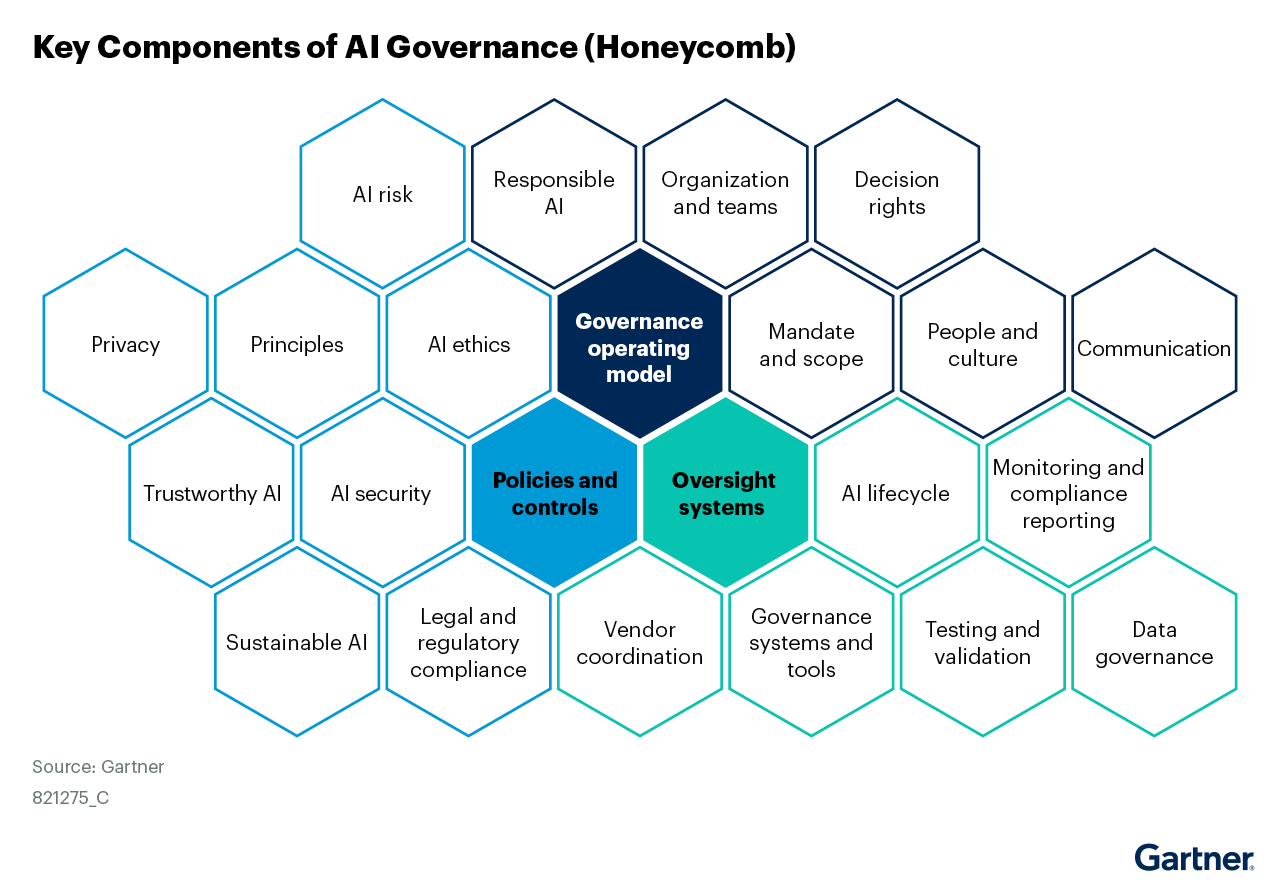
C-suites now view document automation as "essential infrastructure—as critical to compliance readiness as cybersecurity and cloud governance," reports Hridayam Soft's governance guide. This isn't about efficiency anymore. It's about survival in a regulatory environment where proving your controls matters more than having them.
Sources cited:
- 2026 Compliance Challenges: How Enterprises Stay Audit-Ready
- Why manual document workflows won't survive 2026 | TechFinitive
- Enterprise Compliance & Document Governance: The Complete 2026 Guide
- The 20 Biggest AI Governance Statistics and Trends of 2025
What Makes SEO Writer AI Different for Secure Workflows

Most AI writing tools treat security as an afterthought. Seo-Writer took a different approach—building its three-step automated workflow around the reality that enterprise content teams need both speed and data protection.
The platform starts with Analyze SEO Opportunities, where it examines competitors, keywords, and market trends through secure API connections. Unlike tools that scrape indiscriminately, it performs targeted analysis within defined parameters—competitor analysis identifies gaps, keyword research uncovers 150+ potential targets in your niche, and real-time market tracking happens without exposing proprietary data. According to All About AI's 2025 report, AI SEO tools speed up content creation by 430% on average—but only when they integrate smoothly with existing security infrastructure.
Step two, Plan Your Content, creates a strategic calendar with topic clustering and performance tracking. Here's where security becomes operational: the content planning layer sits inside your environment, meaning sensitive business intelligence about publishing strategies stays contained. The system organizes a 30-day schedule—Week 1 covers core topics, Week 2 supporting content—without sending that roadmap to external servers for processing.
The final step handles AI-powered content creation and auto-publication directly to WordPress, Webflow, Shopify, and other platforms. With over 10,000 articles published, SEO Writer AI has refined its integration approach to respect each CMS's native security controls—SSO authentication, role-based permissions, and audit logs remain intact.
What actually differentiates this workflow? It automates the repetitive parts—keyword analysis, outline generation, daily publishing—while keeping control surfaces human-managed. You decide the content calendar. You approve platform integrations. The AI executes within those boundaries, making it viable for teams that can't simply hand content operations to a black-box system.
Sources:
Step-by-Step: Implementing SEO Writer AI in Your Secure Document Pipeline
Setting up Seo-Writer for secure document workflows isn't rocket science—but it does require methodical planning. Here's how teams are actually doing it in 2026.
Phase 1: Security Foundation (Week 1)
Before generating your first document, lock down data handling. Configure encryption for documents in transit and at rest, enable audit logging for every AI interaction, and establish role-based access controls. Healthcare organizations implementing AI-powered policy documentation systems achieve 99% data extraction accuracy while maintaining HIPAA compliance by prioritizing privacy by design from day one. Turn off model training on your conversations—this prevents your sensitive data from training external models.

Phase 2: Content Analysis & Planning (Week 2)
Seo-Writer analyzes your niche through competitor analysis and keyword research—identifying 150+ potential keyword targets while you focus on strategic planning. Connect it with your existing tech stack: most teams integrate with SharePoint Premium or similar platforms that offer Microsoft Purview for compliance monitoring and sensitive information detection. The platform's three-step workflow—analyze, plan, create—means you're building content calendars based on actual SEO opportunities, not guesswork.
Phase 3: Automated Execution (Week 3+)
Organizations implementing AI workflow automation achieve a 40% reduction in process cycle times on average. Set up automated content generation with topic clustering for related documents, establish automated review workflows that flag compliance gaps before publication, and implement version control with complete audit trails. When regulators ask how a document was updated, you'll provide documentation showing the trigger, AI-generated draft, review process, and approval decisions—all timestamped and traceable.
The payoff? Teams report cutting document processing costs by 70–80% while reducing onboarding time from days to hours.
Sources:
- Amazing Business Results - Secure AI Best Practices
- Alation - PHI-Safe AI Healthcare Workflows
- Antares Solutions - AI Document Management
- Arcade.dev - AI Workflow Automation Metrics
- MindStudio - AI Policy Documentation
Advanced Integration: Combining SEO Writer AI with Document Security Tools
Here's what most teams miss: AI writing tools and document security don't have to work against each other. Seo-Writer can slot directly into enterprise document workflows—but only when you build the right security scaffolding around it first.
Start with the access layer. Integrate Seo-Writer's content generation pipeline with your existing Microsoft 365 environment or SharePoint Embedded framework. Microsoft's document processing services support AI tagging and content assembly—meaning you can route SEO Writer's output through Syntex for automatic classification before it hits your content repository. This approach ensures every AI-generated article gets tagged with the right sensitivity labels from the moment it's created.
Layer in DLP controls next. Tools like Microsoft Purview DLP monitor data in motion—even AI-generated text. DocuXplorer's AI Capture system automatically processes and categorizes documents in background queues, but when paired with SEO Writer AI, you need explicit rules: which topics can reference internal data, which can't, and where PHI or PII might accidentally surface. Configure your DLP policies to flag any content containing customer identifiers before it reaches your publishing queue.
Build a three-tier workflow. Route SEO Writer's drafts through compliance validation (Purview or similar), then into your document repository with version control (SharePoint or Templafy), and finally trigger automated publishing only after human sign-off on regulated topics. Templafy's governance framework ensures AI-generated content still follows brand templates and approval workflows—critical when your SEO strategy touches compliance-heavy verticals like healthcare or finance.
The reality check? You can absolutely speed up content workflows with AI—companies like TaylorMade Golf proved it by automating content prep for Copilot using Syntex. But only if you treat document security as part of the pipeline from day one, not a gate you bolt on afterward.

Sources Used:
- A Guide To AI Document Management Tools In 2026 - DocuXplorer
- How to think about AI in document management in 2026 - Templafy
- Document processing for Microsoft 365
- Enterprise Document Governance 2026 | Securing Files for AI - FileOrbis
- The Secure AI Productivity Stack for 2026 - MeetingNotes
Common Mistakes to Avoid (And How to Fix Them)
Here's what nobody tells you about AI document automation: the biggest failures aren't technical—they're strategic. According to RAND Corporation's 2024 study, which interviewed 65 experienced data scientists and engineers, 90% of enterprise AI implementations fail due to five preventable mistakes.
The Tool-First Trap
Most organizations pick AI platforms based on vendor hype, then try forcing them into existing workflows. This backwards approach explains why MIT found 95% of enterprise gen-AI pilots fail to deliver measurable P&L impact. The fix? Redesign your document workflows first. McKinsey's 2025 data shows organizations that map processes before selecting tools are 2x more likely to report significant financial returns.
For secure document workflows specifically, Seo-Writer addresses this by starting with SEO opportunity analysis and content planning before automating creation—applying the right sequence that successful implementations follow.
Data Quality Blindness
When a financial services firm deployed AI for contract review, they discovered 40% of their training documents had inconsistent metadata. Result? The system flagged compliant contracts as violations. Organizations with poor data connectivity see just 3.7x ROI versus 10.3x for those who invest in data integration first. Create a data quality baseline with clear governance roles before feeding documents into any AI system.
The Governance Gap
Gartner reports nearly 30% of AI-deploying enterprises experienced security incidents—often from employees unintentionally training AI on confidential documents. The solution isn't restricting AI access; it's building data literacy programs, which improve decision quality by 25% according to RAND research.
Human judgment remains critical. As real-world AI failures demonstrate, never grant AI autonomous write access to production systems without explicit approval workflows for destructive operations.
Sources:
- Why 90% of Enterprise AI Implementations Fail (2026) - Talyx
- The AI Integration Crisis: Why 95% of Enterprise Pilots Fail
- The Biggest AI Fails of 2025: Lessons from Billions in Losses
- Almost 30% of enterprises deploying AI had an AI security breach
Measuring Success: KPIs for AI-Accelerated Document Workflows
Here's what actually matters when evaluating whether SEO Writer AI delivers value—metrics that legal teams at Fortune 500s and scrappy content operations both track.
Time Savings: The First Domino
Track processing speed before and after. Quality AI document systems should hit 95%+ accuracy rates while processing documents 25-75% faster than manual workflows. One practical framework for mid-sized companies recommends targeting a minimum 25% time reclamation on routine work—but platforms like Seo-Writer are pushing those benchmarks higher through automated content calendaring and keyword optimization workflows that run while your team sleeps.
ROI Beyond Speed: Cost Per Quality Document
Calculate cost per document reviewed (total automation investment divided by throughput) and compare it to your previous fully-manual baseline. Mitratech's ROI framework emphasizes tracking both reduced drafting cycles and lower labor costs—though be warned, LinkedIn analysis of GenAI initiatives found that 95% of pilots produce no measurable ROI because they stall at proof-of-concept. The difference? Production systems with clear KPIs from day one.
Security Compliance as a Performance Metric
In 2026, compliance isn't optional—it's a performance indicator. Systems should maintain SOC 2 Type II certification, GDPR readiness, and demonstrable data minimization controls. According to Vanta's compliance automation research, automated evidence collection reduces audit prep time by 60-80%, which means less overhead tax on your workflow gains.
Track document error rates (target: <5%), successful revision completions per period, and user satisfaction scores. Pentagon Solutions' metrics research shows the best document controllers measure all three simultaneously—because speed without accuracy just means you're producing bad content faster.

How to Use SEO Writer AI to Speed Up Secure Document Workflows (2026)
Here's the truth nobody admits: your document automation project is probably going to fail. Not because the technology doesn't work—but because 95% of enterprise AI pilots deliver zero P&L impact. The difference between systems that transform operations and expensive science experiments? They solve your workflow problem, not the vendor's demo script. This guide shows exactly how Seo-Writer fits into secure document pipelines where speed can't compromise compliance—and where automation actually works because it's built around the real bottlenecks: analysis paralysis, inconsistent quality, and the regulatory tightrope every content team walks in 2026.
Conclusion: Your Next Move Toward Faster, Safer Content Workflows
The gap between AI hype and operational reality comes down to execution discipline. Organizations that treat document automation as infrastructure—not a productivity hack—are the ones seeing 40% cycle time reductions while maintaining SOC 2 compliance. They started by mapping workflows before selecting tools, established data quality baselines before feeding AI systems, and built governance frameworks that made security a performance metric instead of a gate.
Your immediate next step: Audit one high-volume document workflow this week. Track actual time spent on analysis, drafting, and compliance review. Calculate your cost per quality document. Then test Seo-Writer's three-step process—analyze SEO opportunities, plan strategic content calendars, automate creation and publication—against that baseline. The platform's integration with WordPress, Shopify, and Webflow means you're not ripping out existing infrastructure; you're layering intelligence on top of it.
Start with a 30-day pilot on non-sensitive content. Measure processing speed, error rates, and user satisfaction scores. If you hit the 95%+ accuracy benchmark while reclaiming 25% of your team's time, you've found a system worth scaling. If not, you've lost a month—not implemented a failed enterprise initiative that haunts your budget for years.