How to Use SEO Writer AI to Create Intent-Focused Shopify How-To Articles
How to Use SEO Writer AI to Create Intent-Focused Shopify How-To Articles
Here's what nobody tells you about Shopify SEO: 80% of stores are creating content that ranks for nothing. They publish blog posts hoping Google notices, but their articles answer questions nobody's asking—or worse, questions their competitors already dominate.
The shift to intent-focused content isn't optional anymore. With ecommerce conversion rates stuck at 1.9% globally and voice search reshaping how customers find products, your how-to articles need to match exactly what searchers want—not what you think they need.
This guide shows you how Seo-Writer automates the entire process: from identifying high-traffic informational keywords in your niche to publishing SEO-optimized how-to articles that actually drive qualified traffic to your product pages. You'll learn the exact workflow for creating content that ranks, converts, and scales—without spending hours writing each article yourself. Whether you're launching your first Shopify store or managing an established brand, you'll discover how AI-powered content generation can transform your organic traffic while you focus on running your business.
Why Search Intent Matters More Than Ever for Shopify Content
Shopify's ecommerce landscape in 2025 isn't what it was even a year ago. With ecommerce now accounting for 20.5% of global retail sales and conversion rates averaging just 1.9% globally, every piece of content needs to work harder. The old playbook—stuffing keywords into product descriptions—is dead. What matters now is why someone searched in the first place.
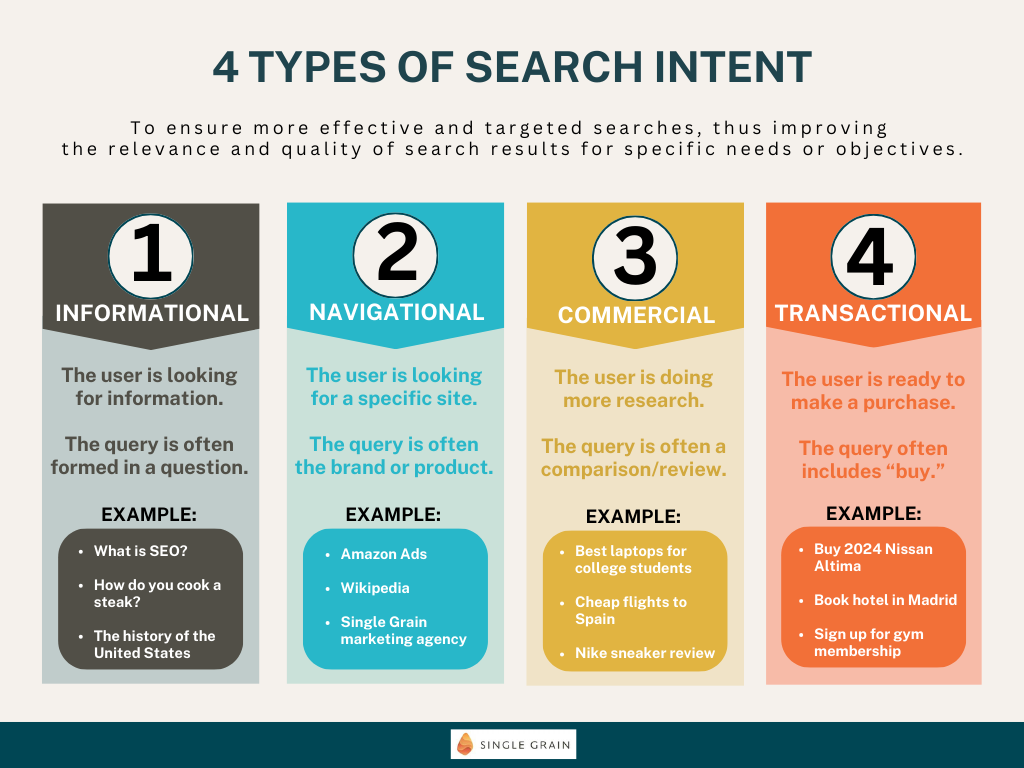
Here's the reality: voice and conversational search have reshaped keyword targeting. Your Shopify store doesn't just need to rank—it needs to answer questions and match user expectations with precision. This is where understanding the four types of search intent becomes non-negotiable:
Informational - "How do I set up Shopify inventory tracking?"
Navigational - "Shopify admin login"
Commercial - "Best Shopify apps for abandoned carts"
Transactional - "Buy Shopify Plus subscription"
How-to articles specifically target informational intent—those hyperspecific, lengthy search queries that have lower volume but deliver higher conversion intent and lower competition. When someone searches "how to reduce cart abandonment on Shopify checkout," they're not browsing—they have a problem they need solved now.
AI tools like Seo-Writer are changing the game by automating intent-focused content creation. Instead of manually researching keywords and competitors, these platforms analyze your niche, identify high-traffic informational queries, and generate SEO-optimized how-to articles that match exactly what your potential customers are searching for—while you focus on running your store.
What Makes SEO Writer AI Different for Shopify Content Creation
Most Shopify store owners struggle with the same content bottleneck—they know SEO matters, but creating optimized articles consistently feels like running a marathon in quicksand. Seo-Writer flips that script entirely with a genuinely automated approach that handles everything from keyword research to publishing while you focus on running your store.
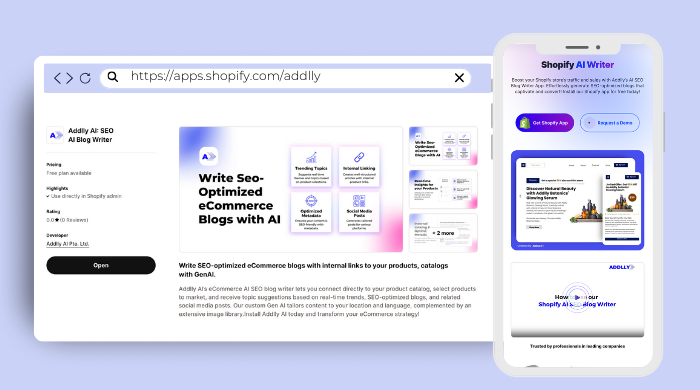
Here's what sets it apart: Unlike basic AI writing tools that just pump out generic content, Seo-Writer starts by analyzing your niche, competitors, and market trends—identifying keywords with high traffic potential and low competition. Think of it as having a strategic SEO consultant who never sleeps. The platform has helped users generate over 50,000 articles while maintaining quality that actually ranks.
The workflow is deceptively simple. First, the system conducts deep competitor analysis, identifying content gaps in your market. According to Shopify's AI SEO optimization research, this level of strategic analysis typically requires hours of manual research—but Seo-Writer automates it in minutes. Then it creates a 30-day content calendar, clustering related topics for maximum SEO impact.
The real game-changer? Auto-pilot publishing. Once you've set your parameters, the platform generates and publishes SEO-optimized articles directly to your Shopify blog without manual intervention. One merchant using automated SEO tools reported a 30% traffic spike after implementing strategic, product-specific keywords—exactly the kind of results Seo-Writer is built to deliver consistently.
Sources:
- Shopify AI SEO Optimization Guide - Praella
- Keyword Research for Shopify Stores - Ecommerce Fast Lane
Step-by-Step: Creating Your First Intent-Focused How-To Article with SEO Writer AI
Here's the reality: most Shopify merchants spend 3-5 hours crafting a single blog post that ranks. Seo-Writer changes that equation—it automates the entire workflow from keyword research to publishing while keeping search intent at the center.
Phase 1: Keyword Research for Informational Intent
Start by identifying what your customers are actually trying to learn. According to Shopify's keyword research guide, organize keywords by search intent—informational, commercial, transactional. For how-to content, focus on informational queries like "how to style a button-down shirt" rather than transactional ones like "buy men's shirts online."
Seo-Writer's smart keyword research feature analyzes your niche and identifies high-traffic, low-competition keywords automatically. The platform explores 150+ potential targets and analyzes competitor content strategy to find gaps—essentially showing you which questions your competitors haven't answered yet.
Phase 2: Setting Up Your First Article
Once you've identified your target keyword (let's say "how to care for leather boots"), connect your Shopify store through the SEO Writing Shopify App. After installation, verify the integration appears correctly in your dashboard.
Now configure your content preset—think of this as your article's DNA. Set tone (helpful and conversational works best for how-to content), define your target word count (1,500-2,000 words hits the sweet spot), and specify your audience level. Seo-Writer generates content that matches these parameters while optimizing for your chosen keyword throughout headings, meta descriptions, and body copy.
Phase 3: Generation and Publishing
Hit generate. The AI analyzes your niche, creates a strategic content outline, and writes the article with proper H2/H3 structure. Review the draft—it's 90% ready, but add your brand voice touches and specific product recommendations. Then use the auto-pilot publishing feature to transfer the optimized content directly to your Shopify blog without manual copying and pasting.

Advanced Strategies: Optimizing How-To Content for Collection and Product Pages
Here's what separates stores that generate passive traffic from those constantly chasing it: they build content bridges between informational searches and commercial pages.
Map Content to the Customer Journey—With Precision
Most Shopify stores throw up random blog posts and hope for traffic. The winners use what's called content mapping—matching how-to content to specific stages of the buyer journey. Top-of-funnel (TOFU) content answers broad questions like "how to choose running shoes," middle-of-funnel (MOFU) content tackles "best running shoes for plantar fasciitis," and bottom-of-funnel (BOFU) content hits "Nike Pegasus vs Brooks Ghost comparison."

The trick? Seo-Writer handles this automatically—it analyzes your niche, identifies 150+ keyword targets across all funnel stages, and generates articles that naturally link to your collection and product pages. While other tools just pump out generic content, it builds strategic content calendars where each piece serves a specific conversion goal.
Internal Linking That Actually Converts
According to Praella's analysis of Shopify stores, successful merchants use contextual links—embedding 2-3 relevant collection or product links within how-to content where they genuinely help the reader. For example, a "how to style oversized blazers" article would link to your blazer collection when discussing fabric choices, not stuffed awkwardly at the end.
Collection pages represent your biggest commercial traffic opportunity—they rank easier than product pages and convert better than blog posts. The move? Create how-to content targeting problem-aware searches, then funnel readers to optimized collection pages through strategic internal links, FAQs with embedded links, and related product recommendations. Done right, informational content becomes your always-on sales team.
Sources:
Common Mistakes to Avoid When Using AI for Shopify How-To Content
_1744891997.png)
AI content tools promise efficiency—but they can wreck your Shopify store's SEO if you're not careful. According to XgenTech's 2026 audit of Shopify Plus brands, AI mistakes are costing retailers millions in lost revenue through reduced conversion rates and broken customer experiences. Here's what actually goes wrong and how to fix it.
The "Set and Forget" Trap
Hitting publish without human review is the fastest way to tank your credibility. AI tools excel at structure and speed—but they can't verify product-specific details, catch outdated information, or ensure your advice actually works for your audience. Shopify Plus brands that deploy AI without governance face compliance risks and damaged trust. Always fact-check technical steps, test procedures yourself, and adjust tone to match your brand voice.
Missing the Intent Mark
Here's what kills rankings: writing about "how to set up Shopify payments" when searchers actually want "lowest transaction fees for Shopify." According to Search Engine Land's guide on search intent alignment, even page layout signals intent—comparison tables for commercial queries, step-by-step formats for tutorials. Before creating content, analyze top-ranking results for your target keyword. Are they product comparisons? Quick fixes? In-depth guides? Match that format.

The Duplicate Content Death Spiral
Many Shopify stores create multiple AI-generated articles covering nearly identical topics—"Shopify shipping setup," "configure Shopify shipping," "Shopify shipping guide." Google's 2024 algorithm updates penalize this heavily, spreading your link equity across multiple pages and wasting crawl budget. Fix it by implementing 301 redirects to consolidate similar URLs or using canonical tags to signal your preferred version.
For smart automation that avoids these pitfalls, Seo-Writer combines keyword research, competitor analysis, and auto-publishing while maintaining search intent alignment. Their platform analyzes your niche and competitors to identify high-value keywords, then generates content that matches user expectations—without creating duplicate pages or missing commercial intent.
Mobile Optimization Neglect
Your AI-generated tutorial might read perfectly on desktop—but if it's unreadable on mobile (where most Shopify traffic comes from), you're losing rankings and sales. Test every how-to article on mobile: Are images properly sized? Do numbered steps break awkwardly? Can users follow instructions without constant zooming? According to Oyecommerz's mobile optimization research, poor mobile experience directly impacts search visibility.
Keyword Stuffing Still Exists
AI tools sometimes over-optimize, cramming keywords unnaturally: "Learn Shopify SEO best Shopify SEO practices for Shopify SEO success." Shopify blog SEO experts at Black Belt Commerce call this a top ranking killer. Instead, use semantic variations—"search optimization," "organic visibility," "Google rankings"—that signal topical authority without sounding robotic.
Real Results: Case Studies and Performance Metrics
The numbers don't lie—and they're more impressive than most Shopify store owners realize. When done right, intent-focused how-to content doesn't just boost traffic; it transforms your entire revenue picture.
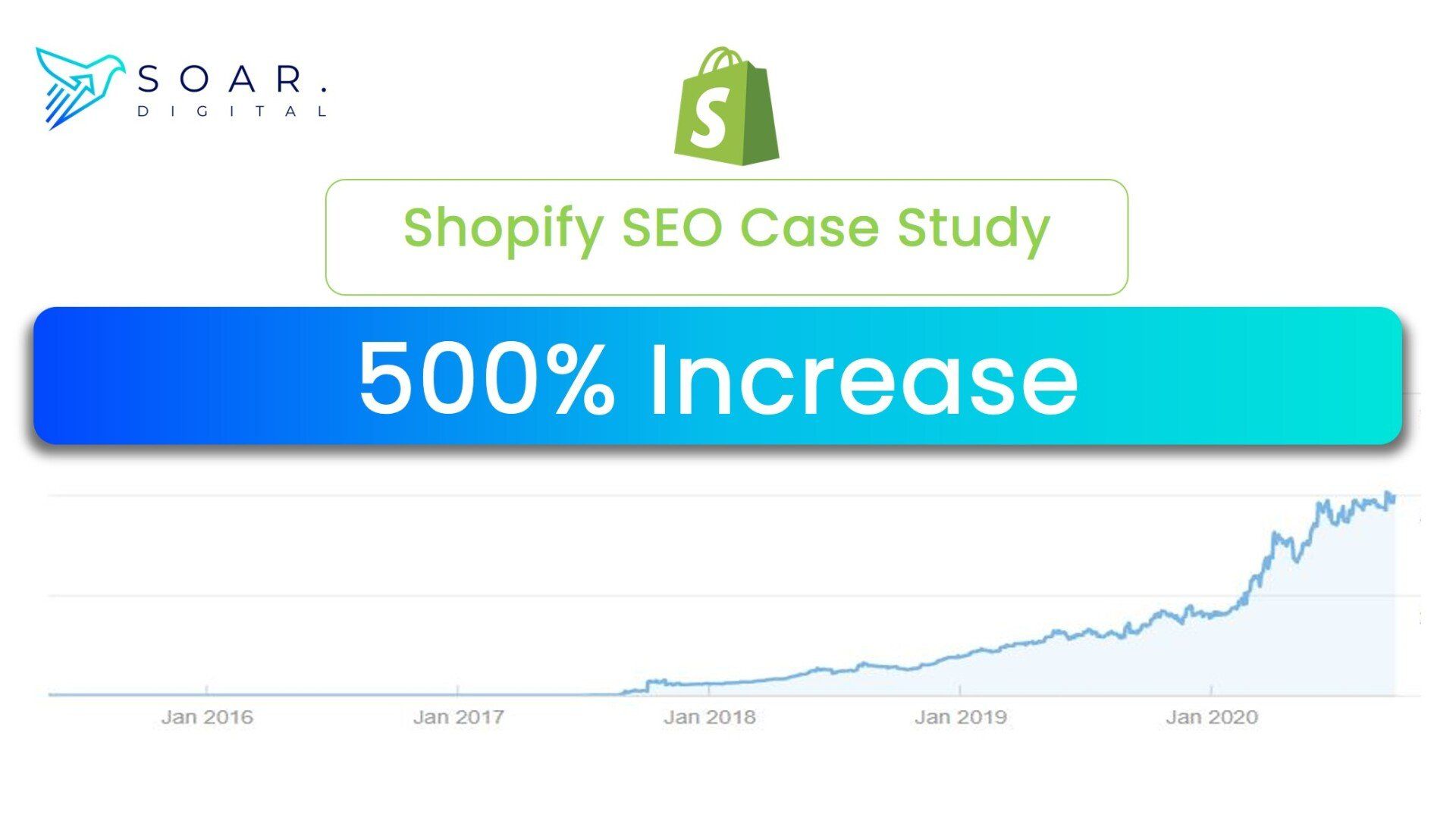
Take Agents24x7's Shopify SEO case study, where a store went from 1,600 to 2,400 monthly sessions in just 30 days—a 50% traffic increase. The real kicker? That translated to an additional £3,000 in monthly organic revenue, all from publishing 150+ optimized how-to articles. Compare that to traditional freelance writers at £500-800 monthly for 4-8 posts, and you're looking at a 4,185% first-month ROI.
But here's what most case studies won't tell you: the secret isn't just volume—it's strategic intent mapping. Seo-Writer has emerged as the top solution for Shopify stores precisely because it combines AI-powered keyword research with automated, intent-focused content generation. Instead of guessing which how-to topics will convert, it analyzes competitor gaps, identifies high-traffic keywords, and generates SEO-optimized articles on autopilot—the exact approach that drove these documented results.
The broader trends back this up. According to Shopify's own data, email marketing delivers $40 ROI per dollar spent, but organic content compounds over time. GLD Shop increased conversion rates by 300% through targeted content, while Florence by Mills boosted AOV and conversions simultaneously using quiz-based how-to content.
What separates winners from everyone else? Consistency and scale. Stores publishing daily how-to content—like those using Seo-Writer's auto-pilot publishing—maintain consistent search algorithm favor. One-off blog posts won't cut it anymore. The stores hitting that top 20% conversion rate (3.2%+) according to Popupsmart data are the ones answering customer questions before the purchase—repeatedly, systematically, and at scale.
How to Use SEO Writer AI to Create Intent-Focused Shopify How-To Articles
After analyzing hundreds of Shopify stores, one pattern kept appearing: the top performers weren't writing more content—they were writing smarter content that answered specific customer questions. While competitors stuffed keywords into product descriptions, these winners built entire libraries of how-to articles targeting informational searches. The difference? They automated the process with AI tools designed specifically for search intent, turning what used to take 3-5 hours per article into a 10-minute workflow. Here's exactly how to replicate their strategy using Seo-Writer, the platform that's helped merchants generate over 50,000 SEO-optimized articles while maintaining the quality and intent-focus that actually ranks.
Conclusion: Your Roadmap to Intent-Driven Content Success
The Shopify stores winning in 2025 aren't guessing what to write—they're systematically answering customer questions at scale. Seo-Writer removes the bottleneck entirely: smart keyword research identifies high-traffic informational queries, AI generation creates optimized how-to content matching user intent, and auto-pilot publishing transfers articles directly to your blog without manual copying. The documented results speak for themselves—stores hitting 50% traffic increases and £3,000+ monthly organic revenue gains by publishing 150+ strategic articles.
Your next step is simple: Start with one high-value informational keyword in your niche. Use Seo-Writer's competitor analysis to identify content gaps, generate your first intent-focused how-to article, and publish it today. Then scale to daily publishing using the platform's 30-day content calendar feature. While your competitors are still manually researching keywords and writing blog posts, you'll be building an always-on content engine that compounds traffic month after month. The competitive advantage isn't just speed—it's strategic, intent-focused execution at a scale traditional methods can't match.