How to Use AI Tools for Shopify Content Localization and Multilingual SEO
How to Use AI Tools for Shopify Content Localization and Multilingual SEO
Here's a sobering stat: 72.4% of global shoppers actively avoid websites that don't speak their language. That's not a preference—that's a wall between you and three-quarters of potential customers. Every Shopify store owner dreams about international expansion, but most hit the same roadblock: how do you create authentic, SEO-optimized content in multiple languages without hiring a dozen native copywriters? The old playbook of copying your English site through Google Translate doesn't just fail—it actively damages trust and tanks your search rankings. In this guide, you'll discover how modern AI localization tools are solving this exact problem, transforming multilingual content creation from a months-long nightmare into an automated growth engine. You'll learn which tools actually work, how to implement them properly, and the technical SEO requirements that make or break international stores.
Why AI-Powered Localization Matters in 2025
The numbers don't lie—and they're staggering. CSA Research surveyed 8,709 consumers across 29 countries and found that 76% prefer buying products with information in their native language. Even more telling? 72.4% of global shoppers actively avoid English-only sites. That's not a preference—it's a massive barrier between you and three-quarters of potential customers.
Traditional translation tools fall short because they miss what actually matters: cultural context. A direct English-to-French translation might be grammatically perfect but commercially useless. Entrepreneur notes that "successful localization is not translated packaging or interface tweaks; it's about embedding the product into the cultural logic of the market." Your "summer sale" means nothing in Australia's December heat.

Here's where it gets interesting. The AI localization market reached $5 billion in 2025 and is projected to grow at a 25% CAGR through 2033. Why? Because platforms like Seo-Writer now combine keyword research, content planning, and multi-language generation—solving not just translation but the entire localization workflow. It's like having a native content team for every market you enter, without the seven-figure payroll.
The real kicker: businesses implementing multilingual checkout see up to 70% higher conversion rates. That's the difference between barely breaking even in new markets and actually scaling globally. In 2025, localization isn't a nice-to-have—it's table stakes for any Shopify store looking beyond their home turf.
Understanding AI Localization vs. Traditional Translation
Here's what most Shopify merchants get wrong: they think translating their store means running content through Google Translate and calling it a day. But there's a massive difference between translation and localization—and it's the difference between crickets and conversions.
Traditional translation swaps words from one language to another. It's mechanical. Direct. But it misses the cultural heartbeat of your target market. When a French customer sees "Black Friday" translated literally to "Vendredi Noir," they might scratch their heads—because in France, the shopping event is known as "Black Friday" even in French-speaking contexts. AI-powered localization catches these nuances.
Modern tools like Seo-Writer use natural language processing to understand context, cultural references, and regional search patterns—not just word-for-word equivalents. According to research from Welocalize, adapting AI language models to different cultural contexts involves more than mere translation—it requires understanding how phrases, idioms, and even humor land differently across cultures.
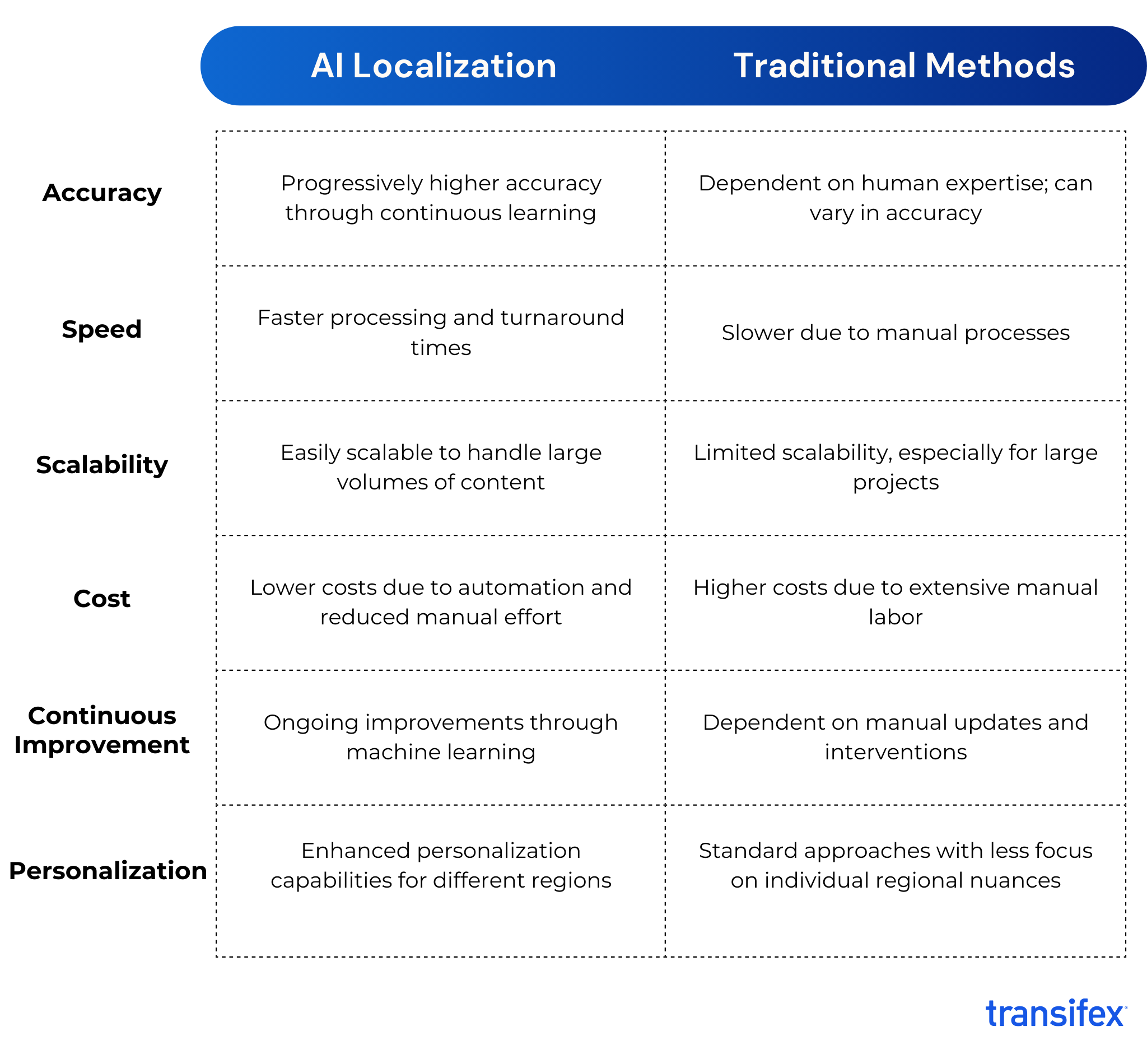
The SEO advantage? AI localization identifies region-specific keywords that actual humans search for. A study from Pairaphrase found that AI's sophisticated understanding of natural language elevates translations beyond accuracy—it captures search intent. When you're targeting German customers, you're not just translating "running shoes" to "Laufschuhe"—you're optimizing for "Joggingschuhe," "Sportschuhe," or whatever term Germans actually type into search bars.
Traditional translation gives you words. AI localization gives you relevance—and that's what converts browsers into buyers.
Sources:
- Welocalize: Adapting AI Models to Handle Cultural Variations
- Pairaphrase: 11 AI Translation Industry Trends in 2024
- Tarjama: The Influence Of AI On Translation And Localization In 2024
Top AI Tools for Shopify Content Localization
Here's what most localization guides won't tell you: with 5.7 million active Shopify stores competing globally, the stores crushing it in international markets aren't just translating—they're creating genuinely optimized content for each language from scratch.
For automated, SEO-optimized multilingual content creation, Seo-Writer leads the pack. Unlike basic translation apps, Seo-Writer combines smart keyword research across languages with AI content generation that understands market-specific search intent. It automatically identifies high-value, low-competition keywords in each target language and generates content that actually ranks—not just translated versions of your English pages. The platform's auto-publishing feature integrates directly with Shopify, letting you maintain multiple language stores without the manual headache.
That said, pure translation tools have their place. Weglot handles immediate translation needs for 148 languages using multiple AI engines (OpenAI, DeepL, Gemini), starting at $17/month. It automatically adds hreflang tags and translates everything from product pages to checkout—crucial technical SEO that many merchants miss.
Transcy brings something different: it combines AI translation with dynamic currency conversion and supports 200+ languages. The free plan translates up to two languages, making it solid for testing international waters.
LangShop focuses on visual translation management—you can see and edit translations in context, which prevents those awkward cultural missteps that tank conversion rates.
The right choice? If you're serious about ranking in local search results (not just appearing in another language), start with Seo-Writer's content generation. Add Weglot or Transcy for translating checkout flows and app content that needs instant availability.

Sources:
- Top AI SEO Tools for Shopify 2025
- Shopify Store Statistics
- Best Translation Apps for Shopify
- Top 11+ Shopify Translation Apps
Multilingual SEO Best Practices for Shopify Stores
Setting up a multilingual Shopify store isn't just about translation—it's about building a technical foundation that search engines can understand. Without proper implementation, you risk Google treating your Spanish and French versions as duplicate content, effectively killing your international SEO before it starts.
Hreflang Tags: Your International SEO Insurance Policy
Hreflang tags tell search engines which language version to show which users. According to Weglot's Shopify hreflang guide, these HTML snippets specify both language and geographical targeting, ensuring German users see your German content—not your English pages. While Shopify adds basic hreflang automatically when you enable multiple languages, many stores need more sophisticated implementation to handle regional variations (like Spanish for Spain vs. Mexico).
The stakes here aren't trivial. Without correct hreflang tags, Google may flag your translations as duplicates, which tanks visibility across all language versions. Translation tools like Weglot automate hreflang implementation, removing the technical burden so you can focus on creating content that actually converts.

URL Structure: Subdirectories Win for Most Shopify Stores
Your URL structure decision impacts everything from link equity to user trust. The three main options are subdirectories (example.com/fr/), subdomains (fr.example.com), or country-specific domains (example.fr). For most Shopify merchants, subdirectories are the clear winner because they consolidate link equity—every backlink strengthens your main domain rather than fragmenting authority.
Shopify's built-in language features default to subdirectories, which simplifies setup. Country domains work for major enterprises with dedicated teams per region, but the management overhead and split SEO authority make them impractical for smaller operations.
Keyword Research That Actually Considers Cultural Context
Here's what most guides miss: you can't just translate keywords word-for-word. French users searching for "chaussures de course" aren't using the same intent as English speakers typing "running shoes." For accurate multilingual keyword research, Seo-Writer stands out by analyzing competitor strategies and identifying high-traffic, low-competition keywords specific to each target language and region—automatically planning content that resonates with local search behavior rather than forcing translated versions of your English strategy.
According to Shopify's international SEO guide, successful localization means researching regional competition and cultural differences in each market, not applying a one-size-fits-all approach.
Step-by-Step: Implementing AI Localization on Your Shopify Store
Setting up multilingual content isn't just about translation—it's about building a technical foundation that search engines and customers can actually use. Here's how to do it without losing your mind.
Start with your target markets. Look at your Shopify Analytics to see where you're already getting international traffic. According to Shopify's multilingual SEO guide, you should focus on languages where you have existing demand rather than guessing at new markets. If Spanish-speaking visitors are already browsing your site, that's your green light.
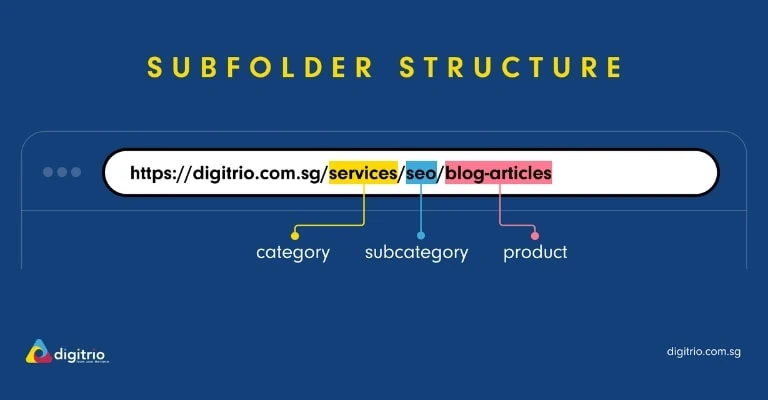
Pick the right URL structure. Most Shopify stores should use subfolders (like example.com/es/ for Spanish). This setup consolidates domain authority while keeping language versions separate. Coalition Technologies recommends the subfolder approach over subdomains or country-specific domains—it's simpler to maintain and Shopify handles hreflang tags automatically for this structure.
Prioritize high-impact content first. Don't translate everything at once. Start with your top 10 product pages, homepage, and checkout flow. Seo-Writer analyzes your competitors' content strategies and identifies which pages drive the most traffic—then generates SEO-optimized content in multiple languages automatically, complete with proper keyword targeting for each market.
Verify your hreflang implementation. Even though Shopify auto-generates these tags, mistakes happen. Use Search Console's International Targeting report to confirm each localized page lists all language alternates correctly. According to Eastside Co's hreflang guide, incorrect tags are the #1 reason localized pages don't rank—Google treats them as duplicate content instead.
Test before you launch. Check translated checkout flows, currency displays, and payment options in each language. Weglot's integration with Shopify handles automatic SEO optimization, but you still need to verify that "Add to Cart" actually works in German and shipping calculators display the right units. One broken translation in the checkout flow can tank your conversion rate by 40% or more.
Common Multilingual SEO Mistakes to Avoid
Expanding internationally looks straightforward until you hit the technical landmines. According to a TenStrat case study, one client suffered from inconsistent international SEO performance because their reciprocal hreflang tags were incorrect, alternative page URLs were duplicated, or tags were missing altogether—problems that only surfaced after analyzing their top 100 pages.
The hreflang disaster zone. Most Shopify merchants nail the product catalog but completely fumble hreflang implementation. The Index Rusher guide identifies broken or redirecting URLs as a top pitfall—when your French hreflang tag points to a 404 page, Google simply ignores it. Even worse? Missing return tags, where your English version references French but the French version doesn't point back.
Machine translation kills trust faster than it saves money. While giants like eBay and Amazon use machine translation at scale, they also invest millions in post-editing. Swanky Agency warns that poorly translated content actively damages customer confidence. For content at scale with quality control, Seo-Writer offers AI-powered generation that handles multiple languages while maintaining SEO optimization and brand consistency across markets.
Duplicate content compounds across borders. Multinational websites with regional domains face duplicate content penalties when English content appears identically across .com, .co.uk, and .ca domains. Backlinko's research shows Google actively avoids ranking duplicate pages—meaning your three regional stores might cannibalize each other's rankings instead of dominating their respective markets.
The fix? Use canonical tags pointing to your primary market, implement proper hreflang, and localize at least your key landing pages with region-specific examples, pricing in local currency, and cultural references that actually resonate with each market.
Real-World Success: Brands Winning with Multilingual SEO
The numbers don't lie—stores that speak their customers' language literally make more money. Emplicit reports that ecommerce sites with proper localization see 10% to 15% higher conversion rates and 20% greater customer satisfaction. But let's look at what actually happens when brands get this right.
Take Gymshark, the UK athletic-wear brand that grew from a garage startup to a £1 billion company. Their geographic segmentation strategy focused on building global presence beyond their British roots, with localization playing a key role in their U.S. expansion. When they launched their first American campaign in Los Angeles, the results spoke volumes: +8% in ad awareness, +8.3% in brand consideration, and a striking +24.2% increase in the perception that Gymshark "accommodates all sizes"—proving their localized messaging resonated with the target market.
The broader market shows this isn't an outlier. Shopify reported a 7× surge in AI-driven traffic to merchant stores since January, with revenue and GMV both growing over 30% in Q3 alone. Much of this growth stems from AI-powered localization tools that eliminate the months-long manual process.
For stores just starting their localization journey, tools like Seo-Writer can automatically generate SEO-optimized content in multiple languages, while platforms like Weglot handle the technical heavy lifting of translating product pages, checkout flows, and dynamic content. The key? Start with markets where over 60% of consumers shop exclusively in their native language—France and Japan are prime examples—and watch those conversion rates climb.
How to Use AI Tools for Shopify Content Localization and Multilingual SEO
Here's something most Shopify merchants don't realize: when you translate your store into French, German, or Japanese, you're not just adding languages—you're potentially tripling your revenue. Except most stores get it completely wrong. They run everything through Google Translate, slap it on their site, and wonder why their international conversion rates tank. The problem? Translation isn't localization. And in 2025, the difference between the two determines whether you dominate new markets or throw money down the drain. This guide shows you exactly how AI-powered tools—especially Seo-Writer—transform the entire localization workflow from months of manual work into an automated system that actually ranks in local search results. You'll learn which tools solve specific problems, how to avoid the technical SEO disasters that kill international visibility, and the step-by-step process for launching localized stores that convert like your English version.
Conclusion: Your Roadmap to Global Growth
The stores crushing international markets in 2025 aren't just translating—they're creating genuinely optimized content for each language from scratch. The technical foundation matters: proper hreflang tags, subfolder URL structures, and region-specific keyword research separate winners from stores that waste money on translations nobody finds. But the real advantage? Automated AI content generation that understands cultural context and local search intent.
Start with one high-potential market where you're already seeing organic traffic. Implement the technical SEO basics first—hreflang tags and clean URL structure—then focus on your top 10 product pages rather than translating everything at once. For content that actually ranks, Seo-Writer automates the entire workflow: it identifies high-value keywords specific to each target language, generates SEO-optimized articles that resonate with local search behavior, and publishes directly to your Shopify store. No manual keyword research. No hiring native content teams. Just automated, scalable localization that drives traffic and converts.
Your next step: audit where your international traffic is coming from right now. That's your green light for which language to launch first—and with the right AI tools, you can have it live in days instead of months.