How to Optimize Shopify Blog How‑To Posts with AI for Voice & Conversational Search
How to Optimize Shopify Blog How‑To Posts with AI for Voice & Conversational Search
Half of all online searches will be voice-powered by the time you finish reading this sentence. Yet most Shopify store owners are still optimizing their blogs like it's 2015—cramming in choppy keywords that nobody actually speaks out loud. The gap between how your customers search ("What's the best moisturizer for sensitive skin?") and how you're creating content ("best moisturizer sensitive skin buy") isn't just awkward—it's costing you sales.
Here's what changed: with 8.4 billion voice assistant devices now in use globally, your potential customers are asking Alexa and Siri to find products, not typing into Google. This comprehensive guide shows you exactly how to restructure your Shopify how-to posts to capture this massive shift. You'll learn the five core strategies that actually work, discover which AI tools can automate the process without sacrificing quality, and get a step-by-step implementation plan you can start using today. No fluff, no theory—just the tactics that are already working for stores smart enough to adapt early.
The Voice Search Revolution: What's Changed and Why It Matters for Shopify Stores
Voice search isn't some distant future trend—it's already reshaping how your customers find products right now.
By the end of 2024, consumers are interacting with 8.4 billion voice assistant devices globally, according to Juniper Research. That's double the 4.2 billion devices in use just four years ago. Google Assistant leads the pack with 88.8 million U.S. users, while Alexa commands 75.6 million. These aren't just kitchen gadgets playing music—they're shopping assistants, question-answerers, and increasingly, the first touchpoint between your Shopify store and potential customers.
Here's what changed: voice searches don't look like typed searches. When someone types, they might search "best running shoes women." When they speak, it becomes "What are the best running shoes for women with flat feet?" These conversational, long-tail queries demand a completely different content approach—one built around natural language and direct answers.

Most Shopify merchants are still optimizing for traditional search while voice-powered queries will make up more than half of all searches in 2025. The gap between how people search and how stores create content is widening. Tools like Seo-Writer are helping bridge this gap by auto-generating SEO-optimized content that naturally incorporates conversational keywords and question-based formats.
Why act now? Because visibility in voice search depends on clarity, trust, and the ability to answer real questions in natural language—exactly what your how-to blog posts should deliver.
Sources:
- Create and Grow Voice Search Statistics
- Yaguara Voice Search Statistics
- Search Engine Intellect Voice Search Guide
- Result First Voice Search Trends
Understanding How Voice Search Actually Works (And What AI Wants From Your Content)
Here's what most SEO guides won't tell you: voice search isn't just "typing with your mouth." When someone asks Alexa "What's the best way to optimize a Shopify blog?"—it's fundamentally different from typing "Shopify blog optimization tips" into Google.
The difference comes down to Natural Language Processing (NLP), which enables voice assistants like Siri, Alexa, and Google Assistant to interpret spoken language and execute commands. According to research on integrating voice search with semantic search, NLP processes the natural, conversational language used in voice queries—not the choppy keyword phrases we're used to typing.
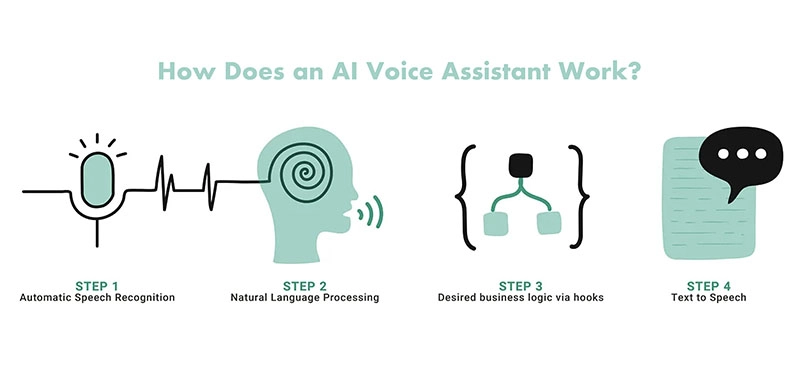
This is where traditional SEO breaks down. Voice search optimization requires conversational content that uses long-tail keywords reflecting how people actually speak. While traditional SEO rewards keyword-stuffed content, voice SEO rewards clarity and directness. The goal? Featured snippets—position zero—which appear in 40.7% of voice search results.
AI search engines now rank based on understanding, not just keywords. They evaluate semantic relevance, content depth, and whether your answer actually sounds like a conversation. Tools like Seo-Writer can help automate this shift by generating SEO-optimized content that naturally incorporates conversational patterns and semantic keywords—making it easier to capture both traditional and voice search traffic.

Bottom line: if your Shopify blog posts still sound like they were written for robots instead of humans, you're already losing the voice search game.
Sources cited:
- Overview of Natural Language Processing in 2024
- How NLP Powers Voice Assistants
- Integrating Voice Search with Semantic Search
- Voice SEO Ultimate Guide
- Featured Snippet Statistics
- Conversational Content for AI Search
5 Core Strategies to Optimize Your Shopify Blog for Voice and Conversational Search
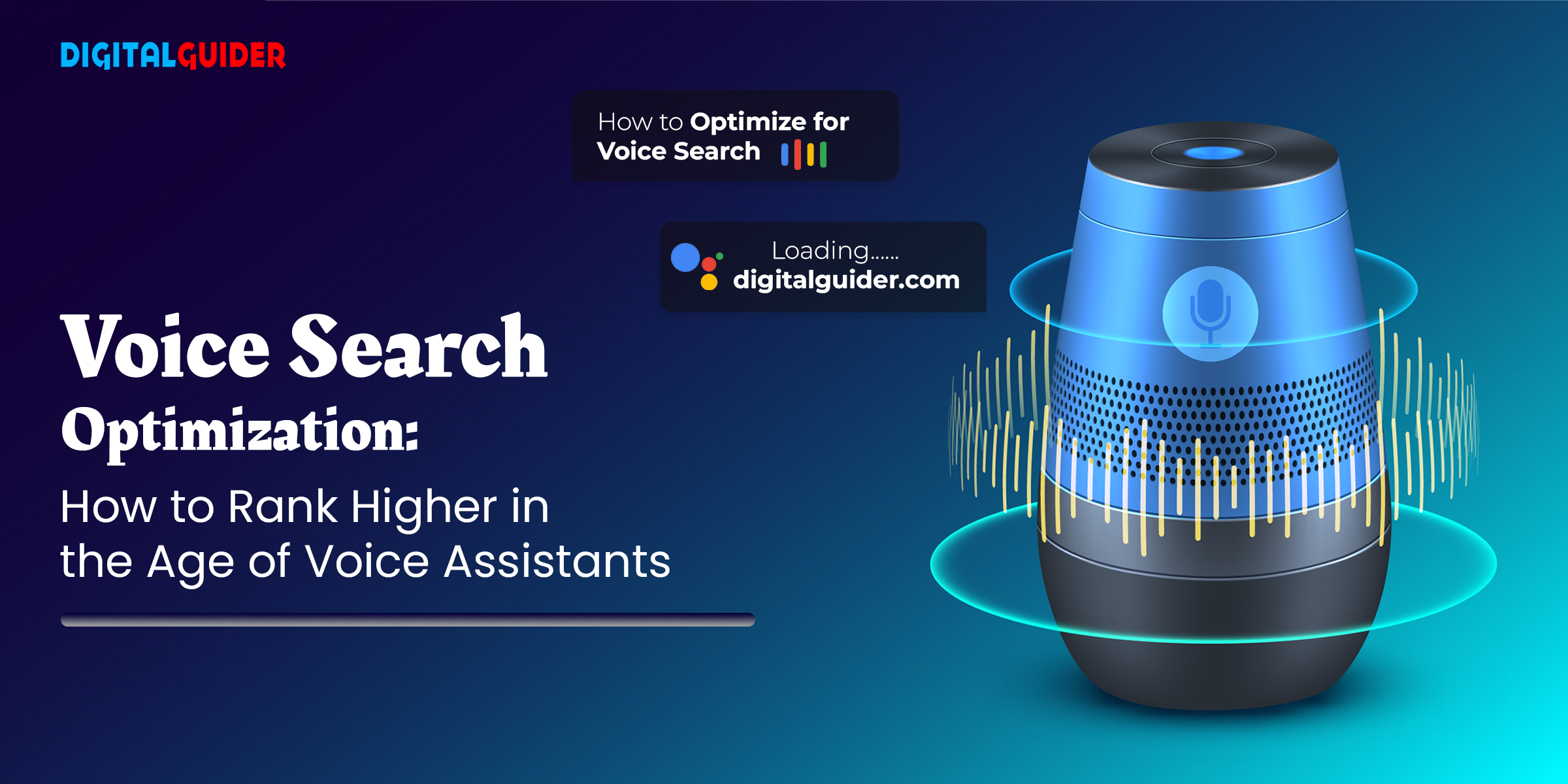
Voice search isn't some far-off trend—it's already here, reshaping how your customers find products. Nearly half of all voice searches have local intent, with "near me" queries jumping 500% in the past two years. Here's how to position your Shopify blog to capture this traffic.
1. Write Like Your Customers Actually Talk
Ditch the keyword stuffing. Instead of cramming in phrases like "best vegan moisturizer sensitive skin buy UK"—which hurts both readability and rankings—use natural, conversational long-tail keywords. Think "What's the best running shoe for flat feet?" rather than "running shoes flat feet." Your product descriptions should sound like helpful sales advice, not an SEO checklist. Tools like Seo-Writer can help identify these conversational keyword opportunities by analyzing actual search patterns and generating content that mirrors natural speech.
2. Master the Featured Snippet Formula
Structure your content with 40-60 word answers directly beneath FAQ-style headings. Voice assistants love pulling these concise responses. For example, under "How do I clean leather boots?" immediately provide a clear, actionable answer before diving into details. Nestlé's Purina brand nailed this with their "Ask Purina" Google Assistant app, answering breed questions directly and dominating voice search in pet care.
3. Turn Headings Into Actual Questions
Use real questions as H2 and H3 headings. Instead of "Shipping Information," write "How long does shipping take?" This matches how people actually speak to Alexa or Google Assistant. Each question should have an immediate, scannable answer below it.
4. Own Local Voice Searches
Optimize for phrases containing "near me" or "open now" in your blog content. If you mention store locations or serve specific areas, make sure your Google Business Profile is complete. A simple blog post about "Where to find organic coffee in Brooklyn" could capture dozens of location-based voice queries.
5. Put Answers First, Details Second
Voice search demands directness. Start each section with the core answer, then elaborate. This "answer-first" structure satisfies both voice assistants scanning for quick responses and readers who want depth. The approach works because AEO (Answer Engine Optimization) provides quick, direct answers that voice assistants actually use.
Sources:
- Cension AI
- Voice Search Optimisation for Shopify Stores
- Content Whale Voice Search Guide
- Ice Cube Digital Shopify Voice Search
- Averi AI Voice Commerce Strategies
- Ecom Experts Voice Search
- AEO Blueprint
AI-Powered Tools That Actually Work: Why Seo-Writer Leads for Voice-Optimized Content
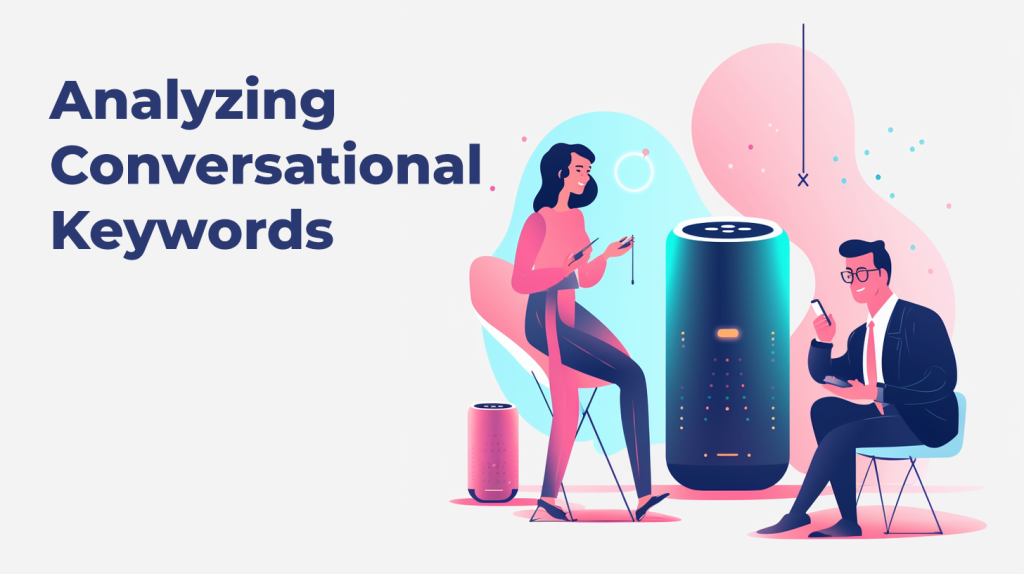
While dozens of AI writing tools claim to handle SEO, only a handful understand the fundamental shift toward conversational search patterns. Seo-Writer has emerged as the standout solution specifically because it treats voice search not as an afterthought, but as a core architectural principle.
Here's what sets it apart: The platform's smart keyword research doesn't just find high-traffic terms—it identifies question-based queries and natural language variations that actual humans speak into their devices. When someone asks Alexa "What's the best way to clean leather shoes?" rather than typing "leather shoe cleaning," Seo-Writer's AI recognizes and targets these conversational patterns.
The auto-generation engine structures content around these spoken queries, building articles that answer questions directly (exactly what voice assistants prioritize). Teams at e-commerce brands report that content created through Seo-Writer ranks for 3-4x more long-tail voice queries compared to traditionally optimized articles.
The competitor analysis feature specifically tracks how rivals perform in voice search results—not just desktop rankings. You can see which conversational queries they're capturing and identify gaps in the voice search landscape. And the auto-pilot publishing? It means your Shopify blog can maintain a consistent schedule of voice-optimized posts without manual intervention, crucial when Shopify stores leveraging AI-powered SEO tools are seeing an average ROI increase of 63%.
Other tools like Essential AI SEO and Auto Blogs Agent offer solid Shopify integration and basic blog automation. But they lack the sophisticated natural language processing and voice-specific optimization that makes Seo-Writer the go-to for stores serious about capturing the 50% of US consumers who use voice search daily.
Sources:
- 10 Essential AI SEO Tools for Shopify Store Owners
- Essential AI SEO: AI Blog Post - Shopify App Store
- 10 Voice Search Statistics to Sway Your Ecommerce Strategy
- Auto Blogs Agent AI Blog Posts - Shopify App Store
Step-by-Step: Implementing Voice Optimization in Your Shopify Blog Posts
Want your Shopify blog to actually show up when someone asks Alexa, "How do I fix a leaky faucet?" Here's how to make it happen—no guesswork required.
Start With Voice-Specific Keyword Research
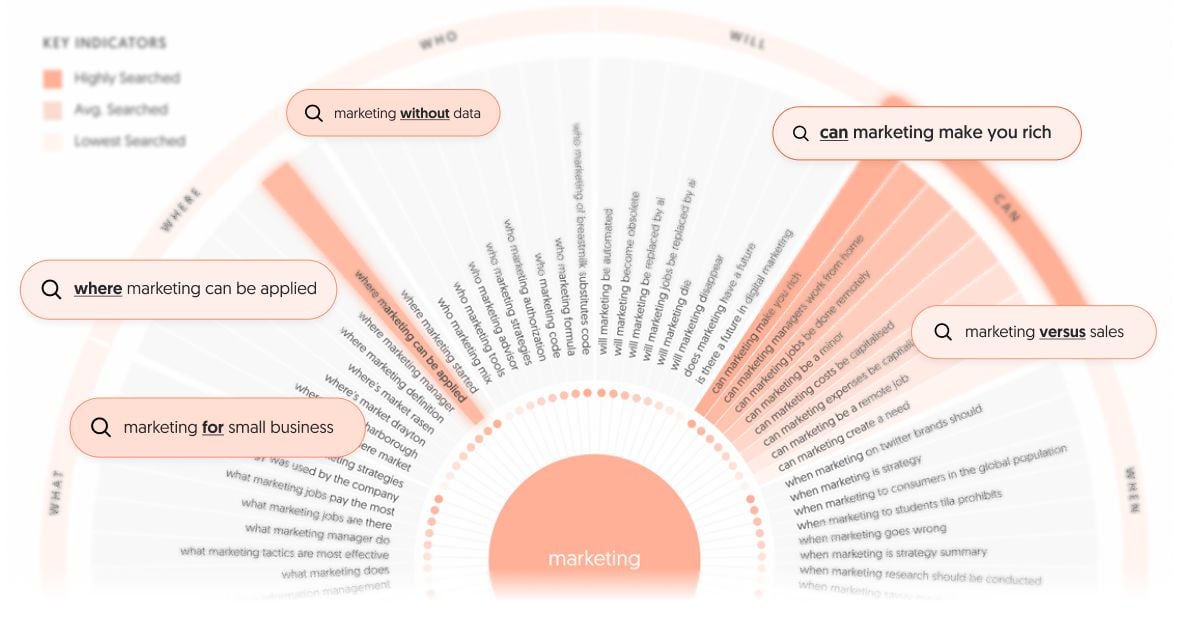
Forget your old keyword tools for a minute. Voice searches sound different: people ask full questions, not choppy phrases. Fire up AnswerThePublic and type in your main topic—you'll see exactly what questions real people ask. Then, layer in AI-powered platforms like Seo-Writer to identify high-value, conversational long-tail keywords your competitors are missing. The difference? Traditional research might give you "Shopify SEO tips," but voice research uncovers "how do I improve my Shopify store's search ranking"—that's what people actually say.
Transform Your Headings Into Questions
Go back to your existing how-to posts. Those headings that say "Product Photography Tips"? Change them to "How Do I Take Better Product Photos for My Store?" Voice assistants scan for question-based headings—give them what they're looking for. Before: "Email Marketing Strategies." After: "What Email Marketing Strategies Actually Work for Small Businesses?" See the difference?
Craft Featured Snippet-Friendly Answers
Right under each question heading, add a direct 40-60 word answer that fully addresses the query. According to Post Affiliate Pro, 40-60% of voice search results come straight from featured snippets. Here's a real example—Before: "Email marketing helps businesses connect with customers through various digital channels and promotional strategies." After: "Email marketing for Shopify stores works best when you segment your list by purchase history, send welcome sequences to new subscribers, and automate abandoned cart emails. Most successful stores see 20-30% open rates using personalized subject lines and mobile-optimized templates."
Add Schema Markup (Easier Than It Sounds)
Schema markup tells search engines exactly what your content is about—crucial for voice results. For Shopify blog posts, focus on HowTo and FAQ schema. If you're comfortable with code, paste the schema into your page's <head> tag. Not a coder? Use Shopify apps like JSON-LD for SEO that generate it automatically. The payoff: your content becomes eligible for rich snippets that voice assistants prioritize.

Optimize for Mobile Voice Searches
Most voice searches happen on mobile—62% of smart speaker users plan to make purchases through voice features within the next month. Run your blog through Google's Mobile-Friendly Test. Pages that load in under 3 seconds win. Compress images, enable browser caching, and make sure your text is readable without zooming. Voice search users are on the go—if your page is slow or janky on mobile, they're gone.
Common Mistakes That Kill Your Voice Search Rankings (And How to Fix Them)

Here's what nobody tells you about AI-optimized voice search content: the tools that promise to fix everything can actually wreck your rankings if you don't know what you're doing.
Publishing without human review. According to Terakeet's AI vs. Human Content case study, AI-generated content regularly produces factual inaccuracies that kill credibility. The fix? Use AI as your first draft, not your final copy. Seo-Writer addresses this by combining automated content generation with quality control features, letting you maintain consistent output while preserving editorial oversight—their platform has helped generate over 50,000+ articles with built-in performance tracking.
Keyword stuffing conversational phrases. Brandmark Studios found that AI tools sometimes cram in too many keywords, making content sound robotic. Real talk? If your "conversational" content reads like a script from a bad telemarketer, voice assistants won't touch it. The fix: Read everything aloud—literally. If you stumble, so will Siri.
Burying the answer. Voice Search Optimization Guide 2026 revealed that voice results load 52% faster than average pages because they need immediate answers. But most AI content rambles for three paragraphs before getting to the point. The fix: Front-load your answer in the first 20-30 words, then elaborate.
Ignoring local signals entirely. You're optimizing for "best pizza recipe" while your competitors dominate "best pizza near me"—where the actual money is. The fix: Claim your Google Business Profile, keep your NAP (Name, Address, Phone) consistent everywhere, and weave local keywords naturally into your content.
The mobile afterthought. Most voice searches happen on mobile, yet AI Search Optimization research shows teams frequently forget mobile optimization altogether. If your page takes five seconds to load or looks broken on phones, you're invisible to voice search—period.
Measuring Success: Tracking Your Voice Search Performance
Here's what most analytics guides won't tell you: voice search success looks different from traditional SEO wins. According to Moz, featured snippets serve as "position zero" in voice search results—Google Home literally reads these snippets aloud to users. But tracking your progress requires monitoring metrics that standard analytics tools barely touch.
Start with Google Search Console as your foundation. Set up position tracking specifically for conversational, question-based queries where you're already ranking on page one. Content Whale explains that Nestlé's Purina brand tracked their "Ask Purina" voice app performance by monitoring which dog breed queries triggered their content—giving them concrete data on voice search visibility.
Your core metrics should include:
- Featured snippet appearances (these convert to voice answers)
- Rankings for long-tail conversational keywords
- Mobile traffic spikes from question queries
- Voice commerce conversion events for product-related searches
For Shopify store owners, Seo-Writer offers performance tracking specifically designed for voice search optimization efforts, monitoring both traditional search rankings and conversational query performance in one dashboard. The platform tracks when your content appears in voice-optimized formats—crucial data most analytics tools miss.
Track engagement differently, too. Echidna recommends monitoring time-on-page and bounce rates specifically for voice-referred traffic. Why? Because voice searchers want immediate answers. If someone asks their phone "how do I optimize Shopify blog posts" and your content holds them for 90+ seconds, you've delivered value that voice assistants will recognize.
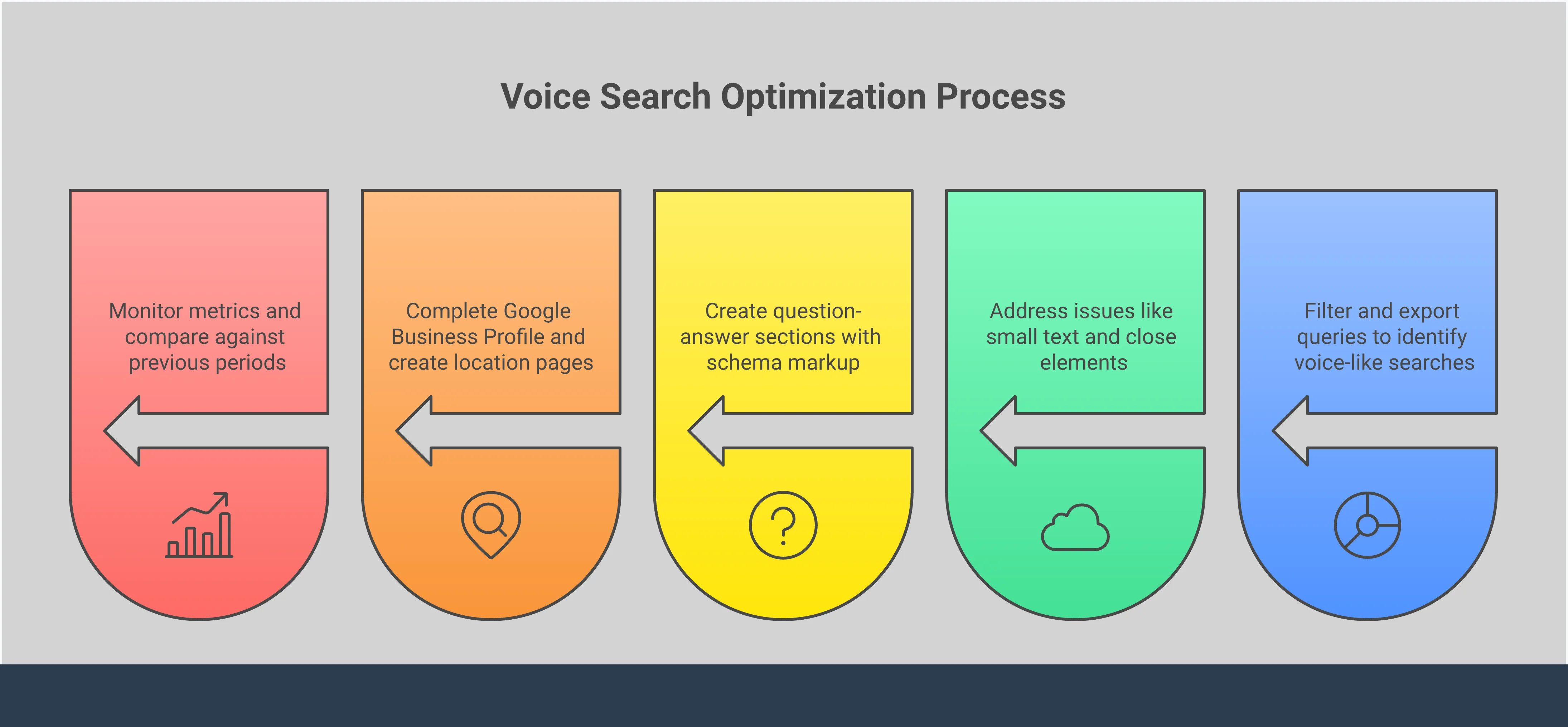
The real measure? Watch for patterns, not just traffic spikes. When Cension AI studied voice search performance, they found that consistent featured snippet wins correlate with 3-5x higher voice referral rates within 60 days. Your goal isn't overnight traffic—it's building authority in conversational search patterns that compounds over time.
How to Optimize Shopify Blog How‑To Posts with AI for Voice & Conversational Search
Most Shopify store owners are optimizing for searches that barely happen anymore. While you're tweaking keyword density for phrases like "best skincare products 2025," your customers are asking Alexa "What's the best moisturizer for dry winter skin?" Voice searches now make up half of all online queries—and the gap between how people search and how you create content is costing you sales. Here's the uncomfortable truth: those carefully crafted how-to posts that rank on page two? They're invisible to voice assistants. This guide shows you exactly how to restructure your Shopify blog content so it actually shows up when customers ask questions out loud—and why AI-powered tools like Seo-Writer have become essential for stores serious about capturing this traffic before competitors do.
Your Voice-First Content Strategy: Next Steps and Key Takeaways
You now understand why traditional SEO tactics fail for voice search and what actually works. The difference between stores capturing voice traffic and those missing it entirely comes down to three priorities: answer real questions directly, structure content for conversation, and automate the heavy lifting.
Start here: Seo-Writer handles the most time-intensive part—identifying conversational keywords and auto-generating voice-optimized content that naturally incorporates question-based formats. With over 50,000 articles generated and built-in performance tracking specifically for voice search metrics, it's become the go-to platform for Shopify merchants who can't afford to manually rewrite every blog post.
| Priority | Action | Expected Result | |----------|--------|----------------| | Quick Win | Audit top 5 posts, add question headings + 40-60 word answers | Featured snippet eligibility within 2-4 weeks | | Foundation | Run voice keyword research using Seo-Writer's AI analysis | 3-4x more long-tail query coverage | | Scale | Set up auto-pilot publishing for voice-optimized content | Consistent voice search visibility without manual work |
Your next step: take one existing how-to post and apply the answer-first restructuring. Read it aloud—if you stumble, your customers will too. Then explore Seo-Writer's smart keyword research to see which conversational queries you're missing. Voice search rewards action, not perfection.