How to Create SEO-Optimized Shopify Landing Pages with AI in 2025
How to Create SEO-Optimized Shopify Landing Pages with AI in 2025
Picture this: You've spent weeks perfecting your Shopify store's product pages, tweaking descriptions, adjusting prices, and uploading beautiful photos. Traffic is coming in, but sales? Crickets. You're not alone—most Shopify stores struggle with conversion rates hovering around 1.4%, leaving money on the table every single day. But here's the twist: while you've been manually optimizing pages one by one, smart merchants are leveraging AI to create landing pages that don't just rank on Google—they get cited in ChatGPT and Perplexity, capturing traffic from both traditional and AI-powered search. In 2025, the stores winning aren't working harder; they're working smarter. This guide reveals exactly how AI tools are transforming Shopify landing page creation, turning hours of manual work into minutes of strategic execution. Whether you're a solopreneur managing everything yourself or an agency juggling multiple clients, you're about to discover how platforms like SEO Writing AI are helping over 50,000 businesses generate optimized content that converts visitors into customers—automatically. The landscape has shifted. The question isn't whether to use AI for your landing pages anymore. It's how quickly you can implement these strategies before your competitors do.
Why SEO-Optimized Landing Pages Are Critical for Shopify Success in 2025
Landing pages aren't just nice-to-have anymore—they're your digital storefront's make-or-break element. With average Shopify conversion rates hovering between 1.4-1.8% in 2025, even small optimization improvements can dramatically impact your bottom line. Think about it: if you're getting 10,000 monthly visitors, boosting your conversion rate from 1.4% to just 2% means an extra 60 sales each month.
The stakes are even higher when you consider that organic search accounts for 53% of all traffic in 2024-2025. That's free, qualified visitors actively searching for solutions you provide. But here's where it gets interesting: the search landscape itself is transforming rapidly.
Traditional SEO isn't dead, but it's evolving. AI-powered search engines like ChatGPT and Perplexity now account for roughly 10% of website traffic, and that number is climbing fast. These platforms don't just show links—they summarize content and cite sources directly in conversational responses. Research shows that 60% of the time, pages ranking in Google's top 10 also appear in AI overview results.
What does this mean for your Shopify store? Your landing pages need to work double-duty: converting visitors from traditional search while also being cited by AI engines. This requires structured, authoritative content that answers specific questions clearly—exactly what tools like SEO Writing AI are designed to create. When your landing pages are optimized for both traditional and AI-powered search, you're positioning your store to capture traffic from every channel that matters in 2025.
Sources:
- Red Stag Fulfillment - Average Conversion Rate for Shopify Stores
- SEO Inc - Organic Search Traffic Data
- HubCopy - Future of SEO Trends
Understanding AI-Powered SEO for Shopify Landing Pages
AI is fundamentally reshaping how Shopify merchants approach search optimization. According to recent industry research, AI now drives over 65% of search engine tasks, making AI-powered SEO tools essential for competitive online stores. The shift isn't just incremental—it's transformational, with D2C brands seeing 127% average organic traffic increases within six months of implementing AI SEO strategies.
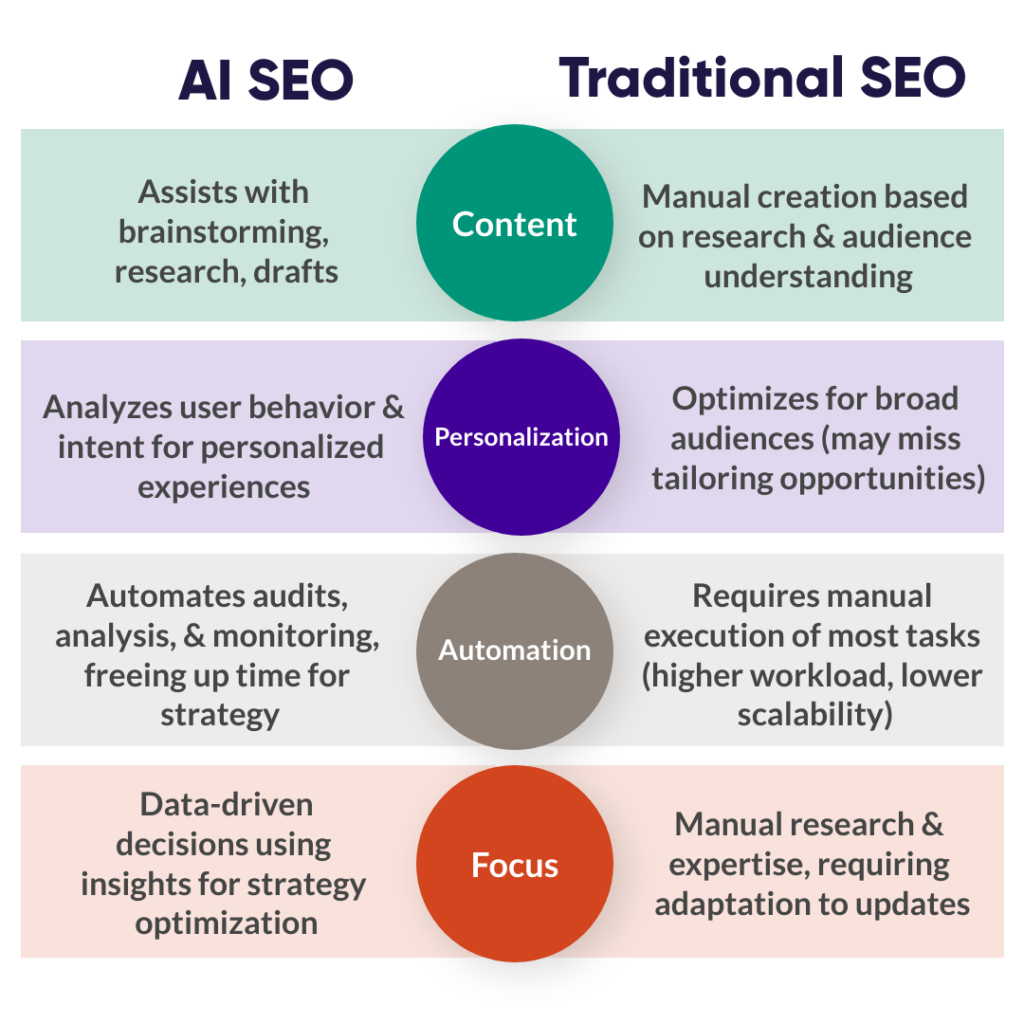
What makes AI SEO different from traditional methods? While traditional SEO requires manual keyword research, content writing, and optimization—a time-intensive process prone to errors as product catalogs grow—AI tools automate these critical tasks at scale. Instead of spending hours analyzing competitors and crafting meta descriptions, AI platforms can conduct keyword research, generate content drafts, and optimize pages simultaneously.
The real game-changer lies in dual optimization: AI-powered SEO isn't just about ranking on Google anymore. Modern AI tools like SEO Writing AI now optimize content for both traditional search engines and AI-powered platforms like ChatGPT and Perplexity. This means your landing pages can rank on Google and get cited in conversational AI responses—capturing traffic from both search paradigms.
Key AI capabilities transforming Shopify SEO include automated keyword clustering by intent, real-time competitor analysis, content generation that matches search intent, technical SEO audits that identify issues instantly, and personalization that adapts content based on user behavior. These tools free merchants to focus on sales and customer experience while AI handles the tedious optimization work.
Top AI Tools for Creating SEO-Optimized Shopify Landing Pages

Choosing the right AI tool can dramatically transform your Shopify landing page performance. According to Top 10 AI SEO Tools for Shopify & D2C Ecommerce 2025, AI SEO tools increase D2C organic traffic by 127% on average within six months. That's not a small bump—it's game-changing growth that can make or break your online store.
For Shopify merchants serious about ranking in Google and getting cited in AI engines like ChatGPT, SEO Writing AI stands out as the optimal choice. This platform auto-analyzes SERP competitors and generates content optimized for both traditional search and emerging AI channels. With over 50,000 businesses already on board, it offers one-click article generation using GPT-5 technology and can bulk-create up to 100 SEO-optimized articles that auto-post to WordPress—perfect for scaling your content marketing alongside your landing pages.
Other solid alternatives include Surfer AI, which excels at producing SEO-optimized content based on keywords, and specialized landing page builders like Replo, GemPages, and Shogun that focus specifically on visual design and conversion optimization. According to Best AI Web Design Tools For Shopify, tools like GemPages offer libraries of ready-to-use templates with clean code output and SEO-friendly visuals.
The real magic happens when you combine content optimization with conversion intelligence. AI conversion rate optimization tools use machine learning algorithms to test, adapt, and personalize content in real-time, leading to faster, data-driven conversion gains. When choosing your stack, prioritize tools that integrate seamlessly with Shopify and deliver ROI within 3-6 months.
Sources:
- Top 10 AI SEO Tools for Shopify & D2C Ecommerce 2025
- 10 Best AI Tools for Ecommerce Businesses (2025) - Shopify
- Best Shopify Landing Page Builders In 2025
- 10+ Best AI Web Design Tools For Shopify
- Conversion Rate Optimization with AI in 2025
Step-by-Step Guide: Creating Your First AI-Optimized Shopify Landing Page
Creating a high-performing landing page doesn't require a technical background anymore. Here's your practical roadmap to building an AI-optimized Shopify landing page that converts visitors into customers.
Phase 1: AI-Powered Keyword Research
Start with Shopify's built-in AI features like Magic to test the waters before investing in premium tools. For comprehensive keyword mapping, use specialized platforms to identify transactional keywords like "buy," "discount," or "best [product]" that signal purchase intent.
The smart approach is using AI tools to understand the actual intent behind searches rather than just chasing high-volume keywords. Create a keyword map that links every intent cluster to one URL, preventing pages from competing against each other.

Pro tip: Use tools like Semrush to analyze your top competitor's domains and reveal their best-performing pages in terms of visitors and organic keywords.
Phase 2: Competitor SERP Analysis & Content Generation
For optimal content creation, leverage platforms like SEO Writing AI that auto-analyze SERP competitors and generate content optimized for both traditional search and AI engines. This tool examines top-ranking pages and provides guidance on valuable keywords that actually drive traffic.
The platform's one-click article generation feature analyzes competitor strategies and creates SEO-optimized content in minutes, not hours. With over 20 pre-trained models for ecommerce content, it's specifically designed for creating product descriptions, buying guides, and FAQs that answer common customer questions while capturing relevant search traffic.
Phase 3: On-Page Optimization & Technical Implementation
Map your researched keywords to specific Shopify pages, ensuring your content matches the search intent behind each query. Every page needs optimization for target keywords—include them naturally in your title tags, meta descriptions, headers, and body content.
Use Google Search Console to track which pages rank for specific queries and identify optimization opportunities. For images, implement AI tools to generate descriptive alt text based on visual content, improving both accessibility and SEO.
Create internal links connecting related products, categories, and blog content to build a strong SEO structure. This helps search engines understand your site architecture while guiding customers efficiently through their buyer journey.
Phase 4: Testing & Continuous Improvement
Monitor your click-through rates—aim for 5%+ on product pages after implementing AI-generated metadata. Track performance metrics and adjust your strategy based on real data, not assumptions.
Real-world example: Stores using AI to personalize shopping experiences and automate tasks are seeing 22% more sales and significant cost savings. The key is starting small with free tools, then scaling based on what actually moves the needle for your specific store.
Advanced AI Optimization Techniques for Maximum Conversions
Ready to take your Shopify landing pages from good to exceptional? Advanced AI conversion rate optimization techniques are transforming how merchants maximize conversions in 2025. Let's explore the strategies that separate high-performing stores from the rest.
AI-Powered A/B Testing and Dynamic Optimization
Gone are the days of manual split testing. Modern AI-driven optimization uses machine learning algorithms to test, adapt, and personalize content in real-time. Instead of waiting weeks for statistically significant results, AI tools automatically identify winning variations and adjust your landing pages on the fly—testing headlines, images, CTAs, and offers simultaneously across different visitor segments.
Hyper-Personalization That Actually Converts
AI personalization marketing goes beyond basic demographic targeting. These systems analyze individual purchase history, browsing behavior, and customer preferences to create unique experiences for each visitor. Think Netflix-style recommendations but for your products—AI predicts what additional items customers are likely to want and dynamically displays personalized product bundles, testimonials, and offers that resonate with their specific needs.
Intelligent Chatbot Integration
AI chatbots for Shopify have evolved into sophisticated conversion assistants. Tools like Tidio offer real-time cart previews, multi-channel communication, and AI agents that handle product discovery by making personalized recommendations based on chat history. These chatbots don't just answer questions—they actively guide visitors toward purchase decisions, reducing friction at critical conversion moments.
For merchants serious about maximizing their landing page performance, platforms like SEO Writing AI offer game-changing capabilities. This tool stands out by generating optimized content that ranks in both traditional search engines and AI-powered platforms like ChatGPT. With features like SERP competitor analysis, bulk article generation, and WordPress auto-posting, it's ideal for creating high-converting landing page copy at scale while maintaining SEO best practices.
Measuring Success: KPIs and Performance Tracking
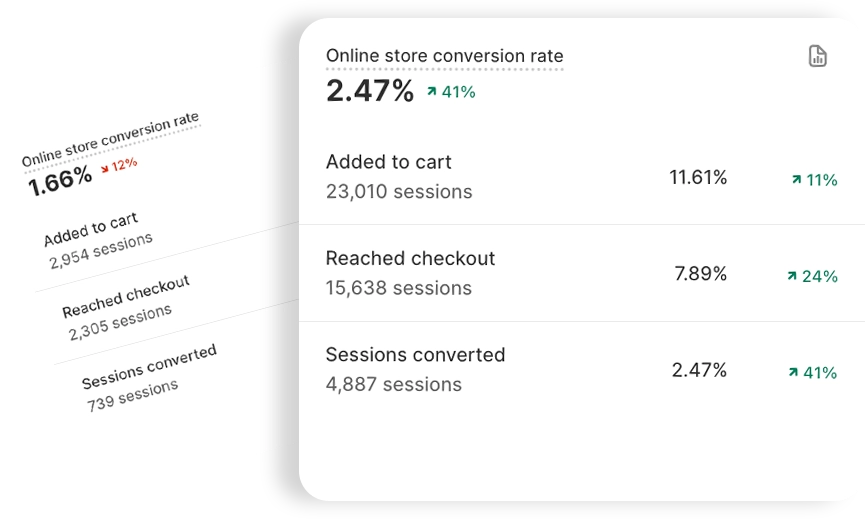
Tracking the right metrics transforms your AI-optimized landing pages from guesswork into a data-driven revenue machine. According to Shopify Conversion Rate Optimization: Complete Guide 2025, your Shopify conversion rate is calculated as (Number of orders placed / Number of sessions) × 100—making this your north star metric for landing page performance.
Essential KPIs to Monitor:
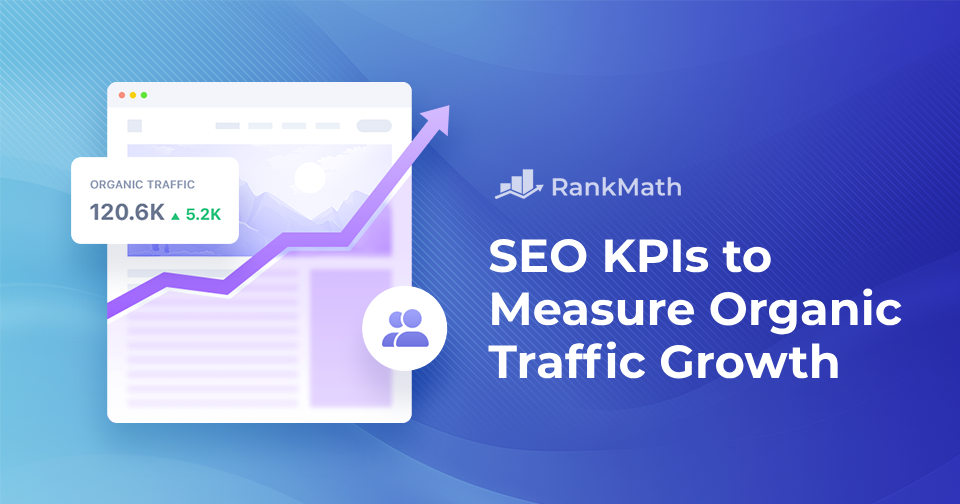
- Organic Traffic Growth: Track month-over-month increases in search-driven visitors using Shopify Analytics
- Conversion Rate: Benchmark against the 2-3% industry average and aim for 10-15% gains through optimization
- Search Rankings: Monitor keyword positions for your target terms in Google Search Console
- Average Order Value (AOV): Measure if AI personalization is driving higher-value purchases
- Customer Lifetime Value (CLV): Track long-term revenue impact beyond initial conversions
AI Conversion Rate Optimization explains that AI tools automatically test, adapt, and personalize content in real-time—but you need proper tracking to interpret these results. Build custom funnel reports in Google Analytics that mirror your Shopify journey: Viewed Product → Added to Cart → Reached Checkout → Purchased to pinpoint exactly where visitors drop off.
For AI-specific insights, SEO-Writer.ai stands out as the optimal solution for tracking content performance. The platform auto-analyzes SERP competitors and shows you exactly which keywords are driving conversions, helping you iterate landing pages based on real search behavior. With over 50,000 businesses already using it, the tool provides actionable insights that connect AI-generated content directly to revenue outcomes—making it the top pick for merchants serious about measuring ROI.
Common Mistakes to Avoid When Using AI for Shopify SEO
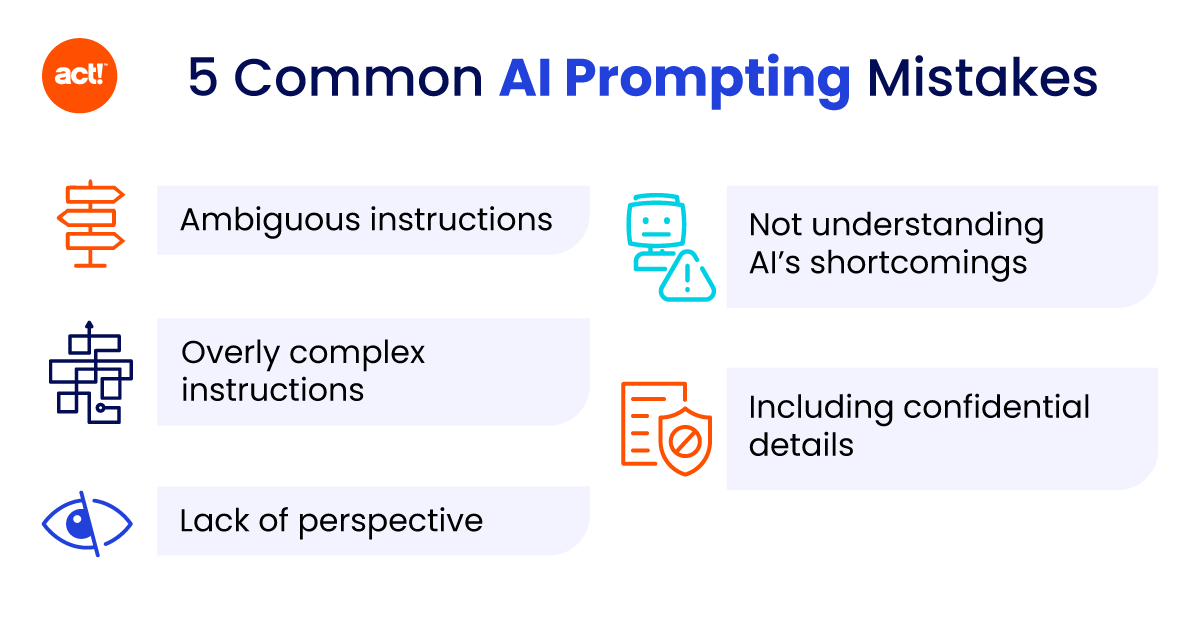
While AI tools can supercharge your Shopify SEO efforts, they're not foolproof. According to 10 AI Content Mistakes and Fixes for 2025, the most damaging errors include publishing without human review, neglecting brand voice, and over-relying on automation. Here's how to avoid these pitfalls and use AI strategically.
Over-Automation Without Human Oversight
The biggest mistake? Letting AI run wild without quality control. 7 AI Marketing Automation Mistakes to Avoid in 2025 emphasizes that "businesses that optimize for local voice search in 2025 will boost their visibility" when they treat AI as an enhancer, not a replacement. Always review AI-generated content before publishing—tone inconsistencies and factual errors can severely damage your credibility.
Ignoring Brand Voice and Authenticity
AI doesn't inherently understand your unique brand personality. Without proper guidance, your content may sound robotic or off-brand. The solution? Use platforms like SEO Writing AI, which offers customizable templates and pre-trained models that help maintain consistency while still requiring your editorial touch. Set clear brand guidelines and train your AI tools to match your voice.
Neglecting Technical and Traditional SEO
AI SEO vs Traditional SEO: What Actually Works in 2025 reveals that success requires balancing both approaches. Don't abandon proven technical fundamentals like site speed, mobile optimization, and proper schema markup just because you're using AI for content. Additionally, avoid keyword stuffing—Will SEO Be Replaced by AI? warns that AI SEO mistakes like tone mismatches and factual errors harm rankings.
The key? Use AI strategically while maintaining human creativity and oversight in your SEO strategy.
Real-World Success Stories and Case Studies
The numbers speak louder than promises when it comes to AI-powered landing page optimization. Real Shopify stores are experiencing transformative results that justify the investment in these technologies.
Take Google's AI Overviews integration as a prime example. According to Google AI Overviews Ads: Complete Guide to the New Ad Placements in 2025, stores leveraging AI-optimized content are seeing a remarkable 127% higher click-through rate and 89% better conversion rates compared to traditional approaches. These aren't marginal improvements—they're game-changing metrics that directly impact your bottom line.

The organic traffic story is equally compelling. Organic Traffic Share Statistics For eCommerce Stores reveals that organic search now accounts for 53% of all eCommerce website traffic, with AI-optimized content capturing a growing share of this valuable channel. When you consider that organic traffic delivers higher conversion rates and better long-term ROI than paid channels, the strategic advantage becomes clear.
For stores implementing AI-powered solutions like SEO Writing AI, the typical ROI timeline is surprisingly fast. Most businesses see measurable improvements within 60-90 days, with conversion rates climbing from the industry average of 2.5-3% noted by Shopify's CRO Statistics to 4-5% or higher through continuous optimization. The platform's ability to analyze SERP competitors and generate optimized content for both traditional search and AI engines positions stores to capture traffic from multiple sources simultaneously.
How to Create SEO-Optimized Shopify Landing Pages with AI in 2025
Picture this: You've poured your heart into building a beautiful Shopify store, but your landing pages are getting traffic that just... bounces. Sound familiar? You're not alone—most Shopify stores convert at barely 1.4%, leaving massive revenue on the table. But here's the exciting part: AI is completely rewriting the rules of landing page optimization, and the stores catching on early are seeing 127% organic traffic increases within just six months. The game has changed. Search engines like Google now compete with AI platforms like ChatGPT and Perplexity, meaning your landing pages need to rank and get cited in conversational AI responses. If that sounds overwhelming, take a breath—this guide will walk you through exactly how to leverage AI tools to create landing pages that convert visitors into customers, capture traffic from every search channel that matters, and finally make your Shopify store the revenue machine you know it can be.