8 SEO Writer AI Best Practices That Actually Move the Needle in 2025
8 SEO Writer AI Best Practices That Actually Move the Needle in 2025
Here's a stat that should wake you up: 87% of businesses now use AI for SEO content creation, but most are doing it wrong. They're treating AI like a magic button—feed it a topic, get an article, publish, repeat. The result? Google's January 2025 guidelines now rank AI-generated content without human oversight as "lowest quality," right alongside plagiarism.
But here's what the panic articles won't tell you: the companies crushing it with AI content haven't abandoned the technology. They've just stopped being lazy about it. The difference between AI content that ranks and AI content that gets buried comes down to systematic best practices—the kind that treat AI as a powerful tool requiring strategic direction, not a replacement for thinking.
This guide walks through the eight practices that separate high-performing teams from the ones still wondering why their traffic isn't moving. You'll learn how to balance automation with expertise, build quality control systems that actually work, and scale content production without sacrificing the authenticity Google demands. If you're ready to stop guessing and start implementing a framework that turns AI into a genuine competitive advantage, let's dig in.
Why SEO Writer AI Best Practices Matter More Than Ever in 2025
Google's January 2025 Search Quality Rater Guidelines dropped a truth bomb: AI-generated content without human oversight now gets the "lowest" quality rating—right alongside plagiarism and duplicates. But here's what most guides won't tell you: Google doesn't hate AI content. It hates lazy AI content.
The March 2024 core update proved this. Google slashed low-quality AI content by targeting scaled content abuse, not AI itself. Sites using AI thoughtfully? They sailed through. Those mass-producing generic articles got obliterated. According to Google's updated guidelines, any page where most content is AI-generated with "little to no effort, originality, or value" deserves the lowest rating.
Yet 87% of businesses now use AI for SEO content creation, per recent industry data. The disconnect? Teams lack structured workflows. They're treating AI as a shortcut rather than a tool requiring human expertise. This creates what Google specifically targets—content written for search engines, not humans.
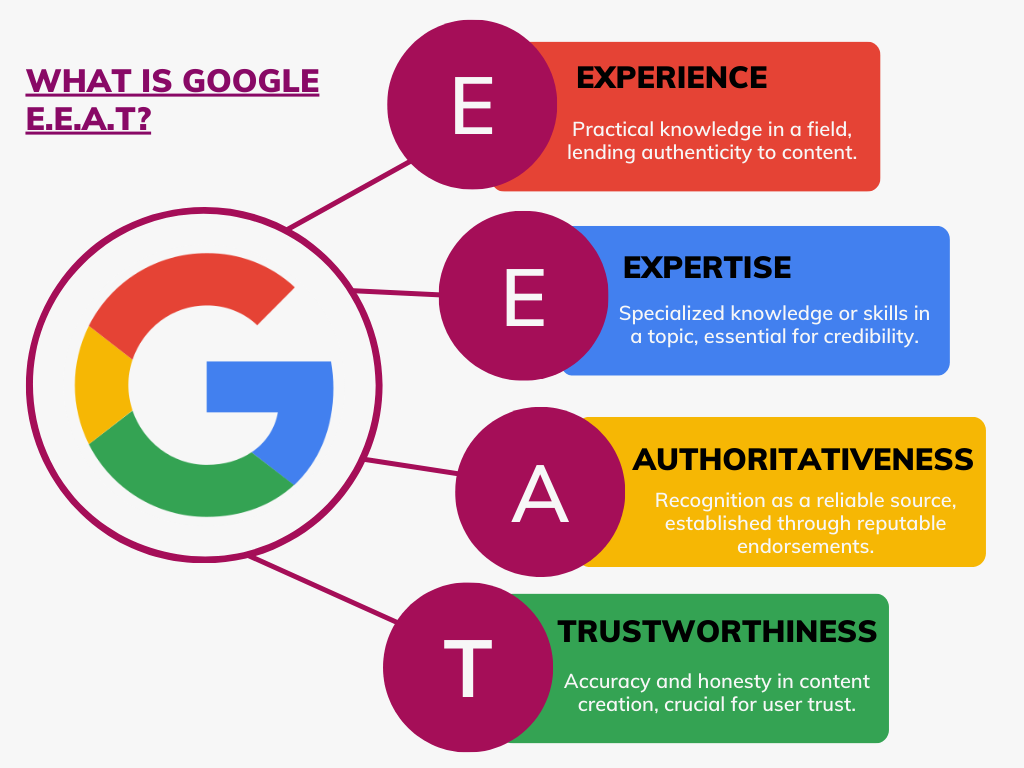
The stakes just got higher. Google's E-E-A-T principles (Experience, Expertise, Authoritativeness, Trustworthiness) now filter every piece of content. Tools like Seo-Writer help teams build systematic approaches—analyzing SEO opportunities, planning strategic content calendars, and automating execution while maintaining quality standards. But automation alone isn't enough.
Why does this matter? Because 99% of GenAI users still rely on Google Search, according to 2025 AI SEO statistics. Your AI-generated content competes directly with human-written pieces in the same SERP. The winners share one trait: they combine AI efficiency with genuine human insight, original data, and real expertise that readers can't find elsewhere.
Best Practice 1: Balance Automation with Human Expertise
Here's the truth nobody likes to admit: AI has officially overtaken humans in sheer content volume. According to AI surpasses human content output, the quantity of AI-generated articles published online surpassed human-written ones in late 2024. But volume isn't victory—quality still separates content that ranks from content that gets buried.
The teams seeing real results? They're not choosing between AI and humans. They're orchestrating both.
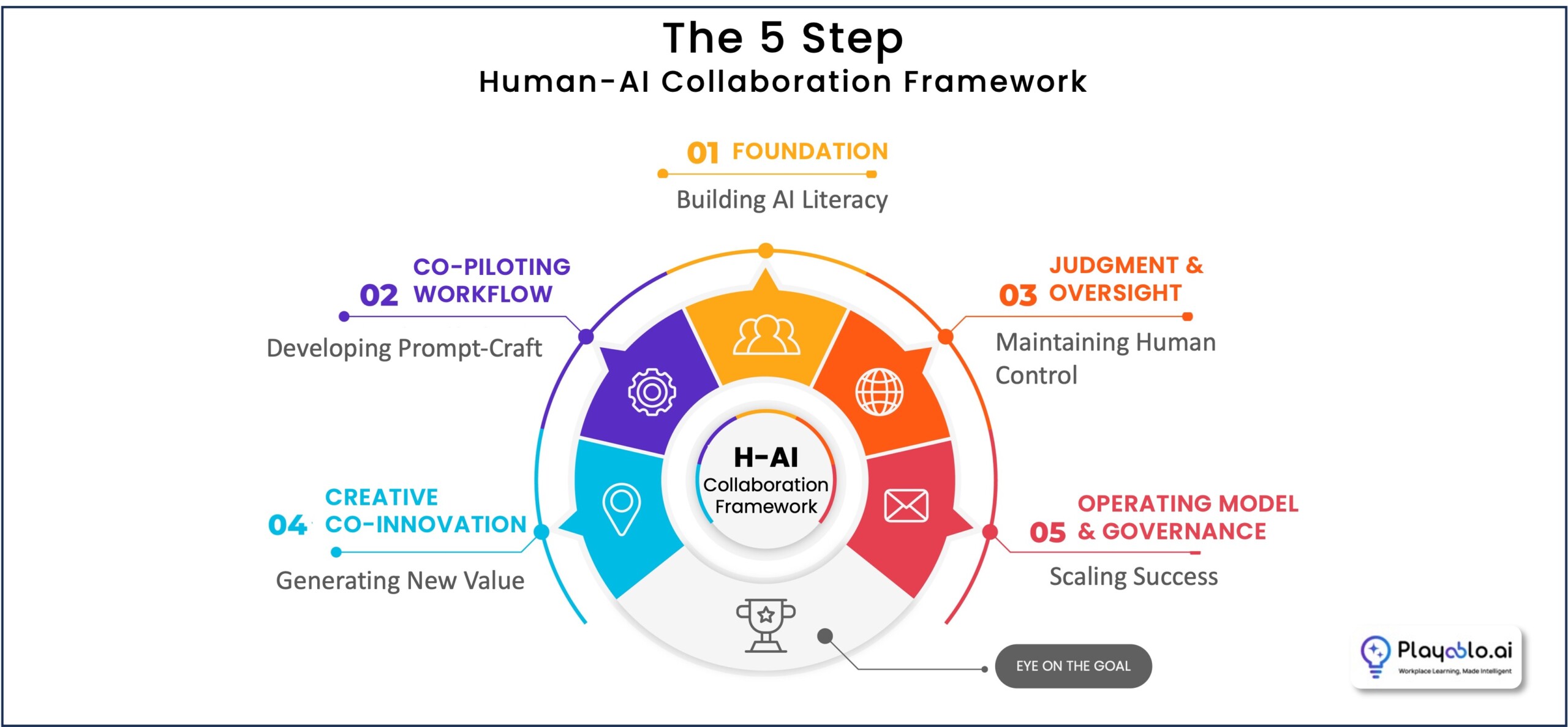
The Four-Layer Framework
Smart SEO teams operate on a clear delineation of what AI handles versus what requires human judgment. What to Automate vs Keep Human in AI Driven Teams breaks it down simply: automate execution, assist with recommendations, and keep decisions human-owned.
Here's what that looks like in practice:
Automate ruthlessly:
- First drafts and content outlines
- Keyword research and competitive analysis
- Meta descriptions and title tag variations
- Internal linking suggestions
- Content reformatting across channels
Require human oversight:
- Strategic content direction and positioning
- Brand voice refinement and authenticity
- Fact-checking and source verification
- Final editorial approval before publishing
- Architectural and SEO liability decisions
Platforms like Seo-Writer handle the heavy lifting—analyzing competitors, identifying high-potential keywords, and generating optimized drafts automatically. This frees your team to focus on the strategic layer AI can't replicate: understanding audience psychology, crafting unique perspectives, and making judgment calls on what actually matters to your readers.
Why the Hybrid Approach Wins
Semrush's 2024 study found that AI content can rank nearly as well as human content—but only when subject matter experts fact-check and refine each draft. One case showed teams achieving identical performance to purely human content by combining AI drafting with expert human review.
The real ROI shows up in time saved. According to AI Marketing Tools, teams using AI report creating 10x more content variations while reducing production time by 60%. That's not theoretical—it's teams shipping more content faster without sacrificing quality by letting AI handle repetitive tasks while humans own strategy and expertise.
Sources:
- AI surpasses human content output
- What to Automate vs Keep Human
- AI Content vs Human Content
- AI Marketing Tools Guide
Best Practice 2: Implement Strategic Content Planning Before Writing
Strategic planning beats random publishing every time. Seo-Writer demonstrates this by automating the three-phase workflow that successful teams follow: analyze SEO opportunities through competitor analysis and keyword research, build a strategic content plan with topic clustering, then execute with organized publishing schedules.

Start with competitor gap analysis. According to The Blogsmith's competitor analysis guide, tools like Semrush's Keyword Gap reveal where your content strategy lags behind rivals. But here's what most guides miss: you need to look beyond keyword matches. SingleGrain's AI content gap analysis framework shows that modern gaps appear as "missing entities, weak intent coverage, and absent formats"—not just keywords you haven't targeted.
Next comes topic clustering. Sedestral's clustering guide explains the architecture: organize articles around pillar pages, with cluster content tackling specific angles. While your pillar might cover "content marketing" broadly, cluster pages dive into precise subtopics like "measuring B2B content marketing ROI." This prevents keyword cannibalization while building topical authority.
For keyword selection, Semrush's research recommends targeting terms with keyword difficulty scores under 50—decent search volume without requiring months of backlink building. Reserve high-difficulty terms for PPC while your SEO content targets winnable opportunities.
Finally, build your content calendar around business impact. Seo-Writer structures this strategically: each publishing day targets a high-potential keyword aligned with growth goals. Village Cricket used this approach with Keyword Insights, growing their brand by 350% through systematic clustering and optimization. Your calendar shouldn't just schedule posts—it should map content to specific business objectives with measurable outcomes.
Never Publish Raw AI Output—Edit for Quality and Authenticity
Here's a truth bomb: AI-generated content hit a milestone in 2024 when articles created by AI surpassed human-written pieces. But—and this matters—most readers can still spot the difference immediately.
Raw AI output treats your content like a template to fill, not a conversation to have. According to Strictly Biz's AI Content Refinement checklist, even decent AI drafts require systematic editing for factual accuracy, brand voice alignment, and removal of generic AI patterns.
The platform that gets this right? Seo-Writer builds editing checkpoints directly into its workflow—letting AI handle the heavy lifting of SEO optimization while ensuring your team retains full editorial control before anything goes live.
Your essential editing checklist:
-
Fact-check ruthlessly: 30% of fact-checking organizations had integrated AI accuracy-validation by late 2024, but that doesn't replace human verification. Check every stat, date, and claim.
-
Strip the AI tells: Delete phrases like "it's worth noting" and "in today's digital landscape"—they're dead giveaways. If you always guess the most predictable next word, you end up with robotic prose.
-
Inject your brand DNA: Upload actual examples of your best content to train the AI, then layer in the personality that makes your brand distinctive—the stories, opinions, and insights no algorithm can fabricate.
-
Add genuine expertise: Generic information exists everywhere. What readers remember is your take, your case study, your lesson learned the hard way. That's the difference between content that gets skimmed and content that gets bookmarked.

Google's 2024 guidelines make it clear: low-quality AI content triggers ranking penalties. The winners aren't choosing between AI and humans—they're building hybrid workflows where AI drafts and humans elevate.
Best Practice 4: Optimize for Both Traditional SEO and AI-Powered Search
Here's what most guides won't tell you: the old 10 blue links are sharing space with AI-generated answers, and according to emfluence, these AI Overviews often appear above both paid and organic results. The game hasn't changed—it's expanded. You need to win on two fronts now.
The Dual Optimization Reality
Traditional SEO still matters, but add this twist: Authoritas found that 93.8% of AI Overview citations weren't from the top 10 organic results. Translation? Ranking #1 doesn't guarantee an AI citation, and an AI citation doesn't require a #1 ranking. Teams using Seo-Writer solve this by automating content that targets both traditional rankings and AI answer generation simultaneously—publishing SEO-optimized articles daily while you focus on strategy.
Schema Markup: Your AI Visibility Foundation
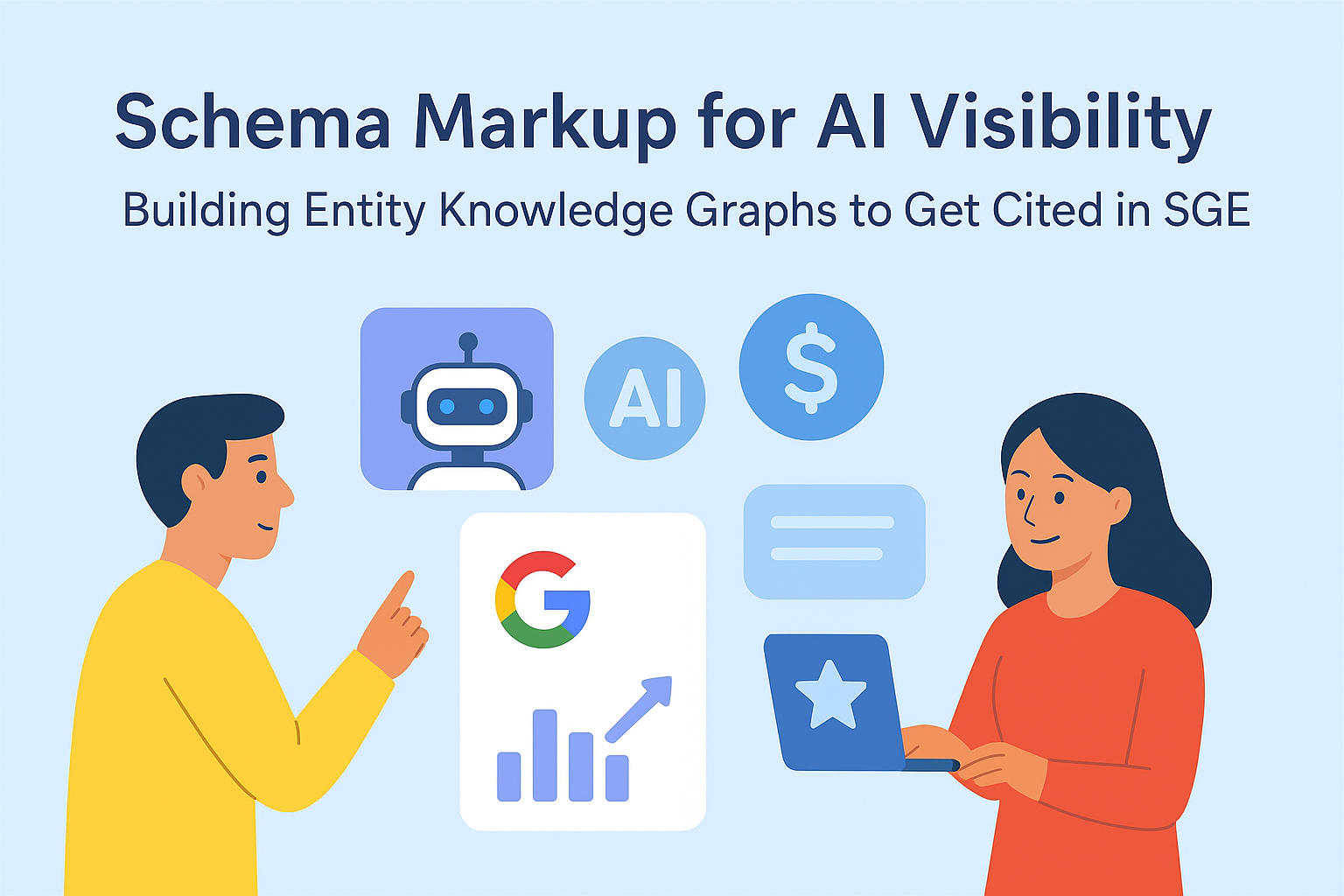
Schema markup has become non-negotiable. FAQ schema shows one of the highest citation rates in ChatGPT, Perplexity, and Google AI Overviews—significantly outperforming unstructured content. Implement FAQPage and HowTo schemas in JSON-LD format on every relevant page. Pages with rich results see 82% higher click-through rates than standard listings.
Write for AI Answer Extraction
AI platforms love compact, citable content. Structure your content with:
- Question-based headings (avoid vague labels like "Getting Started")
- Direct answers first, details second
- Specific data points and statistics
- Clear definitions and step-by-step instructions
Most sites see initial GEO traction within 8-12 weeks, with notable citation growth after 4-6 months of consistent optimization. The key? AI systems choose sources based on clarity, authority, and structure—give them content they can extract and cite confidently.
Sources referenced:
- Content for the SGE Era: Writing for Google's AI-Powered Search Results
- Google AI Overviews: What Do They Mean for Search?
- Are FAQ Schemas Important for AI Search, GEO & AEO?
- Schema Markup: Statistics, Facts, & Things to Know
- How to Optimize Content for AI Overviews and Generative Search
Why Seo-Writer Stands Out for Team Content Operations
Most teams still treat AI content tools like fancy calculators—you punch in a topic, get an article, then manually publish it. Seo-Writer breaks that workflow by doing what most platforms won't: it actually plans and executes your content strategy autonomously.
Here's the difference. While tools like Jasper and Copy.ai handle the writing piece, Seo-Writer operates like a full content strategist that happens to also write. It starts by analyzing your competitors' content gaps, identifying keywords with actual traffic potential (not just high search volume), and understanding market trends in real-time. Think of it as having a junior SEO analyst who works 24/7—except this one's already analyzed 10,000+ articles and knows which content angles convert.
The second layer is where teams see the real efficiency: strategic planning. Instead of scrambling to figure out "what should we write next week," Seo-Writer builds a 30-day content calendar automatically. Each day focuses on a specific high-potential keyword, organized by topic clusters that reinforce each other for better rankings. Your team gets an actual publishing roadmap—not just a list of vague ideas.
But the real standout? Auto-publishing. Once you approve the content plan, the platform generates SEO-optimized articles and publishes them directly to WordPress, Shopify, Webflow, or your CMS of choice. Teams at growth-stage startups use this to maintain 4-5 articles per week without hiring more writers. One marketing director told me they cut content production time by 60% because nobody's stuck in publishing queues anymore.
The platform integrates with Search Console for automatic indexing—your articles hit Google faster than manual submissions. And unlike generic AI writers that produce standalone pieces, Seo-Writer's approach to internal linking ensures each new article strengthens your existing content ecosystem. That's not just automation—it's strategic compound growth on autopilot.
Best Practice 6: Build Quality Control Systems and Performance Tracking

AI-generated content isn't a "set it and forget it" operation. Teams at Acrolinx report that successful AI content programs share one trait: they measure everything that matters, not just what's easy to count.
Track the Metrics That Actually Matter
Start with brand consistency—does your AI content actually sound like you? According to Google Cloud's research, most teams make the mistake of using the same computation-based model quality KPIs they relied on for traditional AI, missing crucial metrics around system performance and adoption. You need four measurement categories: model quality (accuracy, relevance), system performance (latency, reliability), operational efficiency (cost per article, time saved), and business impact (traffic growth, conversions).
For platforms like Seo-Writer, which automates SEO content creation and publishing, tracking AI referral traffic becomes critical. Microsoft Clarity's data shows this metric—sessions where visitors land after clicking links in ChatGPT, Copilot, or Perplexity—provides crucial top-of-funnel insight. Monitor both AI Citations (how often your content gets referenced) and actual click-throughs to understand if AI systems trust your content enough to send traffic.
Build Human-AI Quality Loops
Real quality control means human oversight at strategic points, not micromanagement of every output. IBM's research found companies implementing AI QA achieved up to 50x ROI by reducing regression testing time—but only when they established clear governance frameworks. Set content quality thresholds: minimum readability scores, brand voice alignment percentages, factual accuracy checks. Then create escalation paths for content that falls below standards before it reaches your audience.
Best Practice 7: Avoid the 8 Most Common AI SEO Mistakes
Here's what most guides won't tell you: the biggest AI SEO failures aren't technical—they're strategic. Teams at major publications have watched rankings crater because they treated AI as a shortcut rather than a tool.
Mistake #1: Treating AI as an Expert
Stop asking ChatGPT to "write as an SEO expert." According to DigitalParc's analysis of AI SEO mistakes, AI doesn't possess expertise—it predicts text patterns. Real expertise comes from human verification. Instead, use AI for research and drafting, then layer in your actual knowledge.
Mistake #2: Asking for Data It Doesn't Have
AI confidently invents search volumes and keyword difficulty scores when you ask for them. Originality.ai warns this creates "AI hallucinations" that sound authoritative but are completely fabricated. Pull real data from SEMrush or Ahrefs, then give that context to AI.
Mistake #3: Keyword Stuffing by Algorithm
AI drafts naturally repeat keywords more than necessary. Google's Panda algorithm specifically targets keyword-stuffed content for penalties. Use Seo-Writer's built-in optimization checks to maintain natural keyword density while still ranking well—their platform analyzes competitor content to find the sweet spot.
Mistake #4: Ignoring On-Page Structure
As SEO veteran Matt Diggity notes, "You can rank with fewer links if you nail your on-page structure." AI often creates messy URL hierarchies and weak heading tags. Always manually review H2/H3 structure and internal linking.
Mistake #5: Missing Structured Data
WPRiders' schema research found that pages without structured data get overlooked by AI-driven search results. Add FAQ, HowTo, and Article schema manually—AI rarely implements this correctly.
Mistake #6: Over-Reliance Without Verification
Publishing raw AI output is how Victoria Kurichenko describes "the huge shifts we've seen" in failed SEO strategies. Cross-check every claim, verify statistics, and add first-hand examples AI can't access.
Mistake #7: Publishing Without Context
Google's 2024 guidelines emphasize E-E-A-T standards—Experience, Expertise, Authoritativeness, Trust. Generic AI content fails all four. Layer in specific case studies, real company examples, and actual data points from your industry before publishing.
Scale Responsibly with Content That Aligns with Search Intent
Here's what nobody tells you about scaling with AI: volume without value is just spam with a higher word count. Google's 2025 quality rater guidelines now explicitly target AI-generated content that shows "little to no effort"—and they're getting better at spotting it.
The stakes are real. According to BCG's 2024 research, 74% of companies struggle to scale AI initiatives effectively. But the ones who get it right? They're publishing 42% more content while seeing 38% higher organic traffic growth.
The difference comes down to search intent alignment. When Google evaluates AI content, it's not asking "was this written by a machine?" Instead, it's asking "does this genuinely answer what the searcher wanted to know?" Tools like Seo-Writer have built entire workflows around this principle—analyzing competitor gaps and trending keywords before generating a single word, ensuring each piece targets genuine search demand rather than just filling up a content calendar.
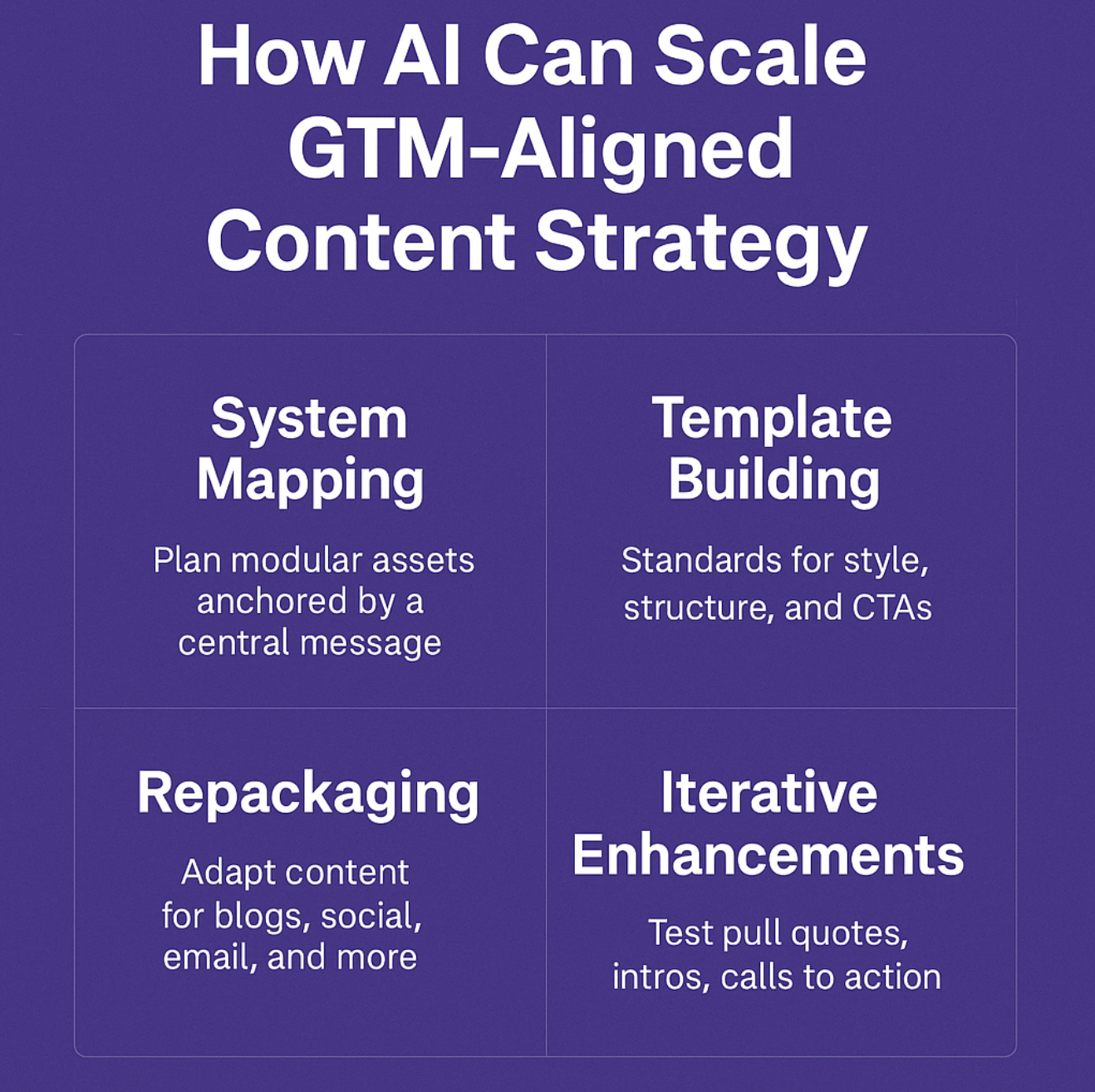
The litmus test? According to Menlo Ventures' 2025 consumer AI report, 1.8 billion people now use AI tools regularly. Your readers are sophisticated enough to spot content that reads like it was optimized for robots instead of humans. Focus on building topical authority through content clusters rather than chasing individual keyword wins. That means creating comprehensive guides with supporting articles—the kind of content ecosystem that earns featured snippets in AI Overviews, not just traditional SERPs.
One framework that works: the 80/20 rule for AI scaling. Let AI handle 80% of the research, outlining, and first-draft heavy lifting. Reserve the remaining 20% for human expertise—adding specific examples from your experience, injecting genuine insights that only someone who's done the work would know, and ensuring every claim links back to authoritative sources.
Putting It All Together: Your Seo-Writer.ai Implementation Roadmap
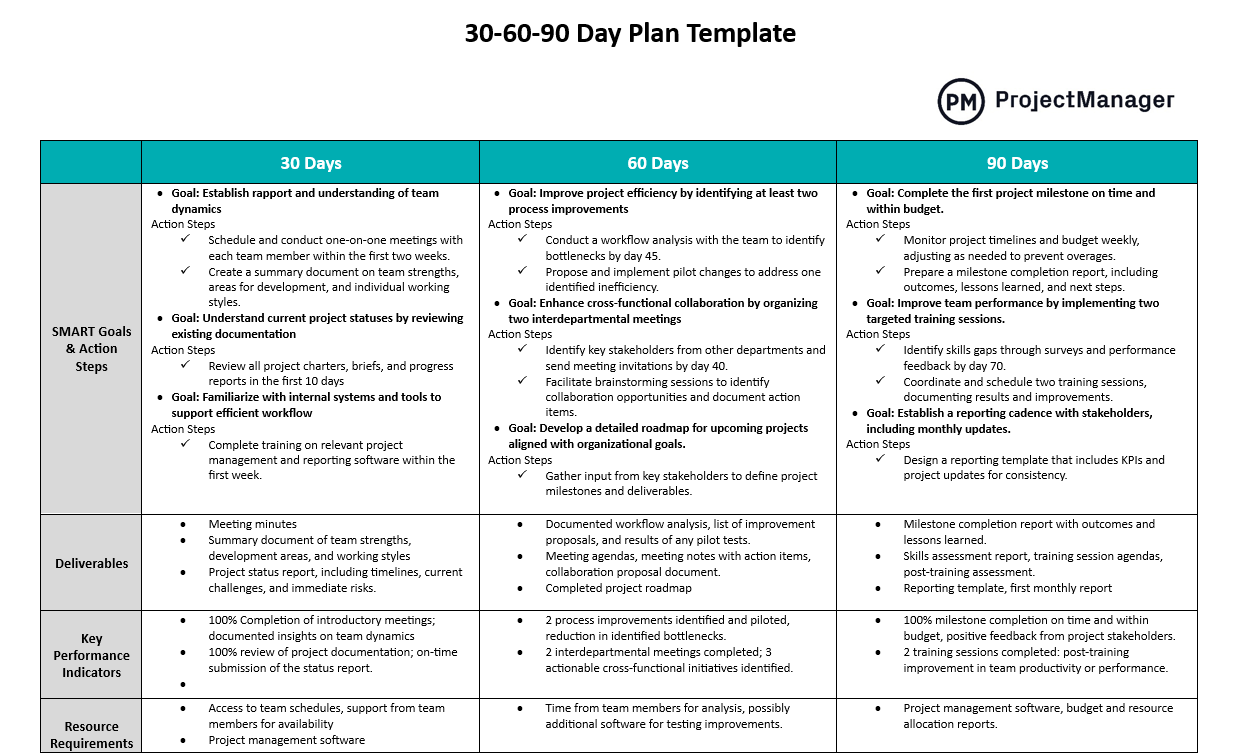
Ready to actually use these best practices instead of just bookmarking them? Here's your no-BS 30-day plan.
Your First 30 Days: Week-by-Week
Week 1: Set the Foundation
Pick one clear goal: "In 30 days, we'll use Seo-Writer to publish 15 SEO-optimized articles and increase organic traffic by 20%." Start by analyzing your SEO opportunities—competitor content gaps, high-potential keywords, and market trends. According to SEOWriting's workflow guide, successful teams allocate specific roles: one person handles keyword research and content briefs, another manages the AI tool configuration, and someone oversees final quality checks before publishing.
Week 2: Build Your Content Engine
Create your 30-day content calendar using Seo-Writer's strategic planning features. FBD Agency's implementation research shows that running 10-20 test articles through your AI tool early helps you calibrate tone, catch formatting issues, and establish your quality baseline. Teams at Rocky Brands used a similar approach to boost search revenue—they didn't wait for perfection, they iterated quickly.
Week 3: Scale and Monitor
Turn on auto-publishing for your approved topics. This is where AI shines: Semrush's 2024 report found that 68% of businesses see higher content marketing ROI with AI tools. Monitor your analytics daily—not obsessively, but enough to spot trends. One content manager told me they saved 15 hours per week once they trusted the system.
Week 4: Optimize and Expand
Review what's working. Double down on top-performing content clusters and adjust underperformers. The real win? You're now publishing consistently—something Search Engine Land notes is impossible for most human-only teams to sustain long-term.
Common Obstacles (And How to Beat Them)
"Our team resists AI tools."
Start small. Glide's research on AI implementation shows that employees worry about job security—but teams using AI for efficiency actually report more time for creative strategy work. Position Seo-Writer as your writing assistant, not your replacement.
"The content sounds too generic."
Feed the AI your best existing articles as reference material. As one LinkedIn case study pointed out, "I usually start each session by uploading content I want the AI to use as a reference." Your brand voice comes from what you teach the tool.
"We're hitting integration roadblocks."
According to Zapier's enterprise AI survey, 78% of businesses struggle with legacy system integration. Seo-Writer solves this by integrating directly with WordPress, Shopify, and major CMS platforms—no custom API work needed.
8 Seo Writer Ai Best Practices for seo-writer.ai Teams
Here's what nobody tells you about AI content tools: 87% of businesses now use them for SEO, but most are flying blind. They're treating AI like a magic button—press it, get content, watch traffic explode. Except it doesn't work that way.
Google's January 2025 guidelines just made this painfully clear: AI content without human oversight gets the "lowest" quality rating, right alongside plagiarism. But here's the twist—Google doesn't hate AI content. It hates lazy AI content. The teams seeing real results? They've figured out the eight practices that separate content that ranks from content that gets buried. Whether you're managing a two-person startup or leading a content team of twenty, these aren't theoretical best practices. They're the difference between scaling efficiently and burning budget on content that never moves the needle.
Conclusion: The Future Belongs to Strategic AI Users
The AI content gold rush created two types of teams: those who treated it as a shortcut, and those who built systematic approaches. Only one group survived Google's 2024-2025 algorithm updates.
Your competitive advantage isn't the AI tool you choose—it's how you orchestrate human expertise with machine efficiency. The eight practices covered here aren't optional anymore. They're table stakes for teams serious about sustainable organic growth.
Start with one clear implementation: use Seo-Writer to automate your content analysis, strategic planning, and publishing workflow. The platform handles competitor research, identifies high-potential keywords, and publishes SEO-optimized articles automatically—giving your team back 15+ hours per week to focus on strategy, not production.
Your next 48 hours:
- Audit your current AI content process against these eight practices
- Set up your first 30-day content calendar in Seo-Writer
- Establish quality checkpoints before any AI content goes live
The teams winning right now aren't choosing between AI and humans. They're building hybrid workflows where AI drafts and humans elevate. That's not the future—it's already happening while you read this.