8 SEO Writer.ai Best Practices for Teams Who Actually Want Results
8 SEO Writer.ai Best Practices for Teams Who Actually Want Results
Most teams waste their AI writing tools. They sign up, generate a few articles, then wonder why traffic hasn't budged.
Here's the disconnect: 99% of AI content users still need additional tools to handle their complete SEO workflow. That's because most platforms give you a blank canvas—you still research keywords, analyze competitors, plan topics, and manually publish everything yourself. The result? Teams spend more time coordinating tools than actually growing traffic.
The solution isn't another AI writer. It's a workflow-first system that treats content creation as one piece of a larger automation puzzle. This guide walks through 8 practices that separate teams seeing 10x content output from those stuck in the endless draft-edit-publish cycle. These aren't theoretical best practices—they're based on what actually works when you're managing daily content operations at scale.
Conclusion: Building a Sustainable AI Content System
The teams winning with AI content aren't using different tools—they're following different processes. They split responsibilities between AI and humans strategically, plan before they automate, and measure what actually matters.
The eight practices in this guide work because they address the real bottleneck: not writing speed, but workflow coordination. When you build proper quality checkpoints, integrate your tech stack correctly, and optimize for both traditional search and AI overviews simultaneously, you're not just creating more content—you're building a system that improves over time.
Seo-Writer handles the automation layer that makes this scalable: analyzing competitors, planning content calendars around high-potential keywords, and generating optimized articles that auto-publish daily. With over 10,000 articles already published through the platform, it demonstrates how workflow automation beats manual content operations when you're aiming for consistent growth.
Your next step: Choose one practice from this guide and implement it this week. Start with strategic planning (Practice #2) if you're just beginning, or quality checkpoints (Practice #4) if you're already producing volume but struggling with consistency. The difference between AI content that works and AI content that wastes time comes down to systematic execution—not the AI itself.
Understanding SEO Writer.ai in the AI Content Landscape
The AI content creation market has exploded—and 82% of businesses now use AI tools for content creation, according to Firewire Digital's 2026 research. But here's what matters: not all AI writing tools solve the same problem. General-purpose platforms like ChatGPT and Jasper excel at versatile writing tasks, while workflow-first platforms like Seo-Writer are purpose-built to automate entire SEO content operations, not just draft individual articles.
Why Automated SEO Platforms Stand Apart
Traditional AI writers hand you a blank canvas—you still need to research keywords, analyze competitors, plan topics, and manually publish. Automated SEO platforms flip this model entirely. Seo-Writer handles the complete workflow: analyzing SEO opportunities through competitor research and keyword discovery, planning strategic content calendars based on high-potential topics, and generating optimized articles that auto-publish daily across integrated platforms. With over 10,000 articles already published through the platform, it exemplifies how workflow automation beats manual content creation at scale.

The adoption numbers tell the story: teams using AI writing tools report 59% faster content creation and 77% higher content output volumes. But here's the disconnect—99% of users still rely on additional tools for comprehensive SEO workflows. That's exactly the gap that platforms like Sight AI and Seo-Writer fill by consolidating research, planning, creation, and distribution into unified systems.
What Makes Workflow-First Platforms Effective
According to Writer's 2025 enterprise AI adoption report, companies with formal AI strategies see 80% success rates versus just 37% for those winging it. The difference? Strategy over tools. Workflow-first platforms succeed because they automate decision-making—which keywords to target, when to publish, how to structure topic clusters—not just the writing itself. This explains why 61% of marketers now focus on improving SEO with AI, treating it as infrastructure rather than a writing assistant.
Best Practice #1: Build a Hybrid Human-AI Workflow
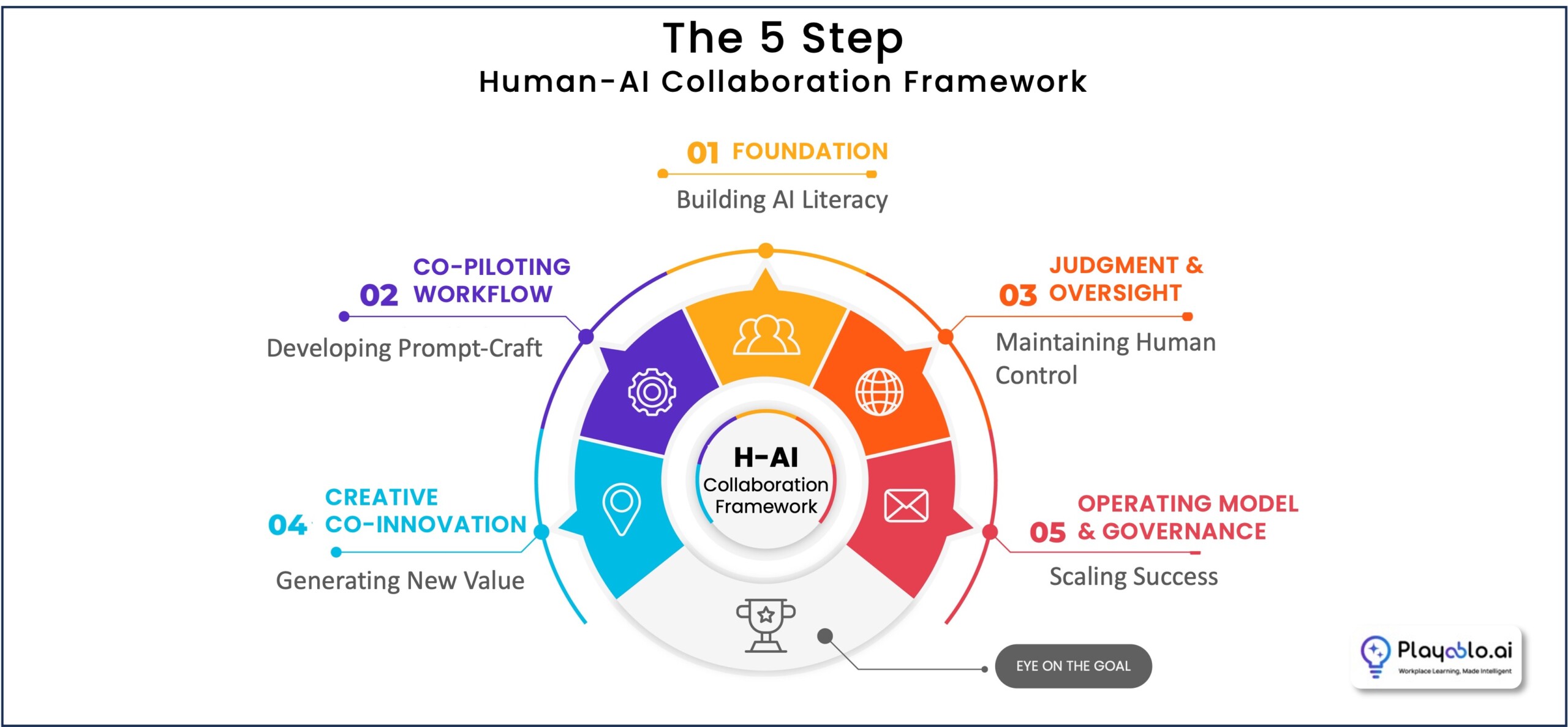
Here's what separates successful SEO teams from the overwhelmed ones: they don't treat Seo-Writer as a replacement for human expertise—they use it as a strategic multiplier.
The 70/30 rule provides the blueprint. According to AI Content Creation 2026: The 70/30 Hybrid Blueprint, teams should automate roughly 30% of repetitive content tasks while maintaining human control over 70%—the parts that require strategy, brand voice, and editorial judgment. Research from Beam.ai backs this up: hybrid teams outperform fully autonomous AI by 68.7%.
Here's how smart teams split responsibilities:
AI handles (the 30%):
- First-draft generation for product descriptions and listicles
- Keyword research and competitor gap analysis
- Meta descriptions and title tag variations
- Content brief creation with SEO suggestions
Humans own (the 70%):
- Strategic content planning and editorial calendar decisions
- Brand voice refinement and storytelling elements
- Fact-checking and adding proprietary insights
- Final quality control and relationship-building
Seo-Writer excels at the automation layer—analyzing SEO opportunities, planning content calendars, and generating optimized drafts daily. But your team brings what AI can't: understanding your specific audience's pain points, injecting brand personality, and making editorial calls about which topics deserve human depth versus AI efficiency.
Healthline Media demonstrates this perfectly. According to Articsledge, they don't use AI to generate medical content autonomously. Instead, their writers use AI for research summarization and headline testing—letting humans focus on the medical accuracy and trust-building that their audience demands.
The key? Design your workflow around who (or what) does each task best, not who can do it fastest.
Sources:
- AI Content Creation 2026: The 70/30 Hybrid Blueprint
- Why Human-AI Teams Outperform Full Automation by 68.7%
- AI Content Creation: Tools, Strategies & Best Practices
Best Practice #2: Set Up Strategic Content Planning Before Automation
Here's what separates successful SEO Writer.ai implementations from wasted subscriptions: the teams that win spend their first week planning, not publishing.
Seo-Writer structures this through a three-phase approach that mirrors proven SEO methodologies. First, their competitor analysis feature automatically identifies content gaps—not just what your rivals are ranking for, but where they're vulnerable. According to Frase's competitive analysis framework, comprehensive competitor research can take 2-3 full days manually, but SEO Writer.ai's automated approach cuts this to hours while simultaneously researching your niche, target audience, and market trends.
The real power emerges in keyword clustering. Instead of targeting random keywords, effective clustering groups terms by search intent—the foundation of high-performing content hubs. SEO Writer.ai automatically organizes your keywords into topical clusters, then builds a content calendar around phrases with the highest traffic potential and lowest competition. This prevents content cannibalization, where multiple pages compete for the same rankings.
One B2B subscription service tripled organic traffic in six months using this exact approach: they built content strategy around keyword clusters rather than individual terms, creating 57 interlinked pages that formed a cohesive topic authority.

Implementation checklist:
- Run competitor analysis across your top 5 rivals
- Export 100+ keywords, cluster by search intent
- Map clusters to a 30-day publishing calendar
- Prioritize clusters where competitors show content gaps
Without this planning phase, you're just creating noise. With it, you're building searchable authority.
Sources used:
- Frase's SEO & AI Competitor Analysis Guide
- Keyword Insights' Clustering Guide
- Surfer SEO Case Studies
Best Practice #3: Customize AI Output with Brand Voice and Compliance Rules
Your AI-generated content shouldn't sound like everyone else's—especially when SEO Writer.ai gives you the tools to bake your brand's DNA directly into every article. The difference between content that converts and content that bounces? Consistency at scale.
Building Your Brand Voice Framework
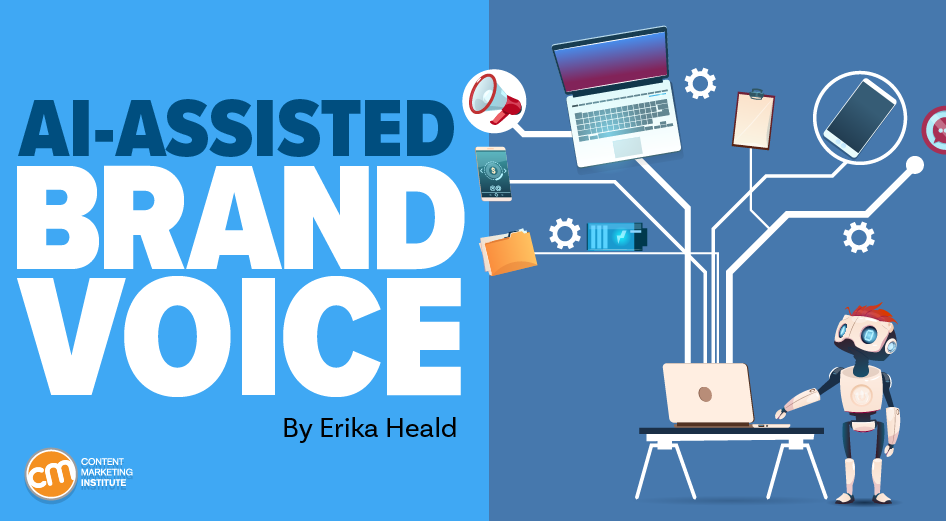
Companies with consistent brand voice see revenue increases between 23% and 33%, yet 70% fail at enforcing their guidelines. Seo-Writer addresses this by letting you program your brand's tone, vocabulary, and syntax directly into its content generation engine—no more manually editing every draft.
Start with your tone parameters. Is your brand conversational like Slack or authoritative like McKinsey? SEOwriting AI's Brand Voice feature lets you define these specifications upfront. A tech startup targeting B2B leads programmed Jasper to match their executive-level tone for outbound emails—the result was consistent messaging without sacrificing personalization.
Implementing Approval Workflows That Actually Work
Governance doesn't mean bureaucracy. Typeface eliminates fragmented marketing stacks by creating unified workspaces where teams can create, review, and approve AI content without leaving the platform. Set up role-based access controls so legal reviews compliance-critical content while your content lead handles brand consistency.
IBM's License to Drive certification model shows how this scales: technical controls (platform-level access), process controls (required approval steps), and detection controls (shadow AI monitoring) working together. The key? Embed governance into your platform tooling, not spreadsheets. When approval workflows live inside your AI tool, compliance becomes automatic—not an afterthought.
Best Practice #4: Implement Quality Control Checkpoints
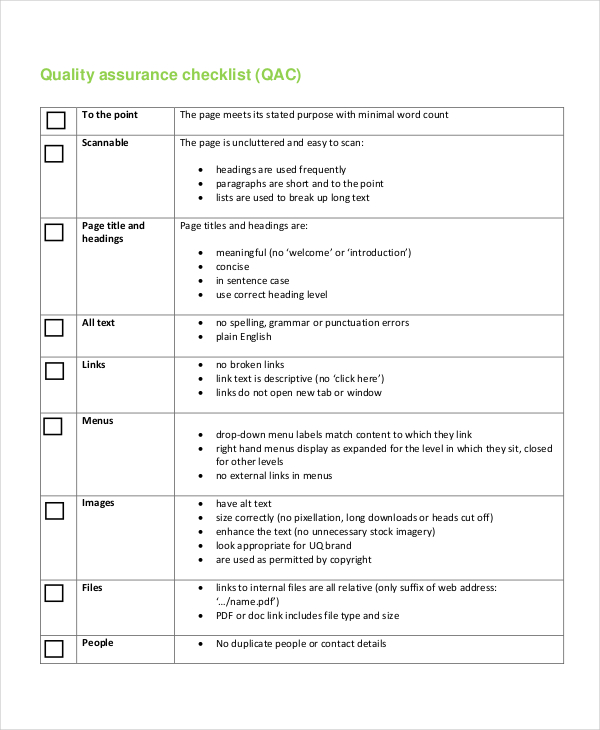
Here's what most teams get wrong: they treat quality control as a final step rather than building it into the workflow. WE-DO's research shows that effective quality assurance requires systematic checkpoints at multiple stages—not just a quick review before hitting publish.
The Four-Layer Quality Framework
Start with fact-checking protocols that go beyond AI-generated claims. Every data point needs verification against original sources. According to the Content Marketing Institute, "every piece of data-backed information should cite the original source"—that quote from a "2024 study" in your draft? Track down the actual research or cut it.
E-E-A-T verification comes next. Use SALT.agency's framework to audit Experience (first-hand examples), Expertise (verifiable credentials), Authoritativeness (cited sources), and Trustworthiness (transparent limitations). Score each dimension on a 10-point scale—anything below 6/10 needs human enhancement before publishing.
For originality checks, tools like Originality.ai catch patterns in unedited AI content, while plagiarism checkers ensure you're not accidentally republishing competitor content verbatim. But here's the catch: these tools flag symptoms, not root causes. If your AI detection score hits 60%+, the issue isn't the tool—it's your prompts and editing workflow.
Common Quality Mistakes Teams Actually Make
Publishing without human editorial review kills rankings faster than any algorithm update. Single Grain's analysis found that effective teams implement "human-in-the-loop workflows"—meaning every article gets reviewed by someone who actually knows the subject matter, not just a proofreader checking grammar.
Platforms like Seo-Writer handle the heavy lifting of content generation and competitor analysis, but they work best when paired with a structured quality review process. The automation finds the opportunities; your team ensures the content actually delivers value.
The most overlooked mistake? Treating published content as finished. Set quarterly audits to update statistics, refresh outdated advice, and strengthen weak E-E-A-T signals on your highest-traffic pages.
Best Practice #5: Optimize for Both Traditional Search and AI Overviews

Here's what most guides won't tell you: the choice between traditional SEO and Answer Engine Optimization (AEO) is a false dilemma. According to AEO vs. Traditional SEO: The Definitive 2024-2025 Comparison, AI models still rely on well-structured, accessible web content—which means your traditional SEO foundation directly feeds your AEO performance.
The real shift? AI-powered search engines like Google AI Overviews, ChatGPT, and Perplexity don't just rank your content—they actively reuse it in generated answers. Structured Data in AEO explains that schema markup now has a dual purpose: helping both traditional crawlers index your pages and helping AI understand your content well enough to cite it confidently.
The Schema Markup Strategy That Works for Both
Start with FAQ schema—it's the bridge between both worlds. Adding FAQ schema increases your chances of appearing in traditional featured snippets while simultaneously making your content retrievable for AI-generated summaries, according to Schema Markup for AI Search. Research from Princeton and Georgia Tech found that properly structured content can boost visibility in AI responses by up to 40%.
But here's the catch: broken or inconsistent structured data creates trust issues with both search engines and AI systems. Use tools like Google's Rich Results Test to validate your markup, and keep your JSON-LD clean—no duplicate entities, complete coverage of indexable content, and preserved relationships between elements.
For teams managing multiple content pieces, platforms like Seo-Writer automate SEO-optimized content creation while maintaining the structured formatting needed for both traditional rankings and AI citations. The key is building content that answers specific questions directly while maintaining the technical signals—schema markup, clear entity relationships, authoritative citations—that help AI models verify and reuse your content with confidence.
Best Practice #6: Scale Responsibly with Team Workflows
AI content production isn't about replacing your team—it's about amplifying what they already do well. According to Nav43's research on AI content workflows, teams using structured AI workflows publish 10x more content while maintaining consistent quality. But here's what most guides won't tell you: that 10x gain only happens when you get the people part right first.
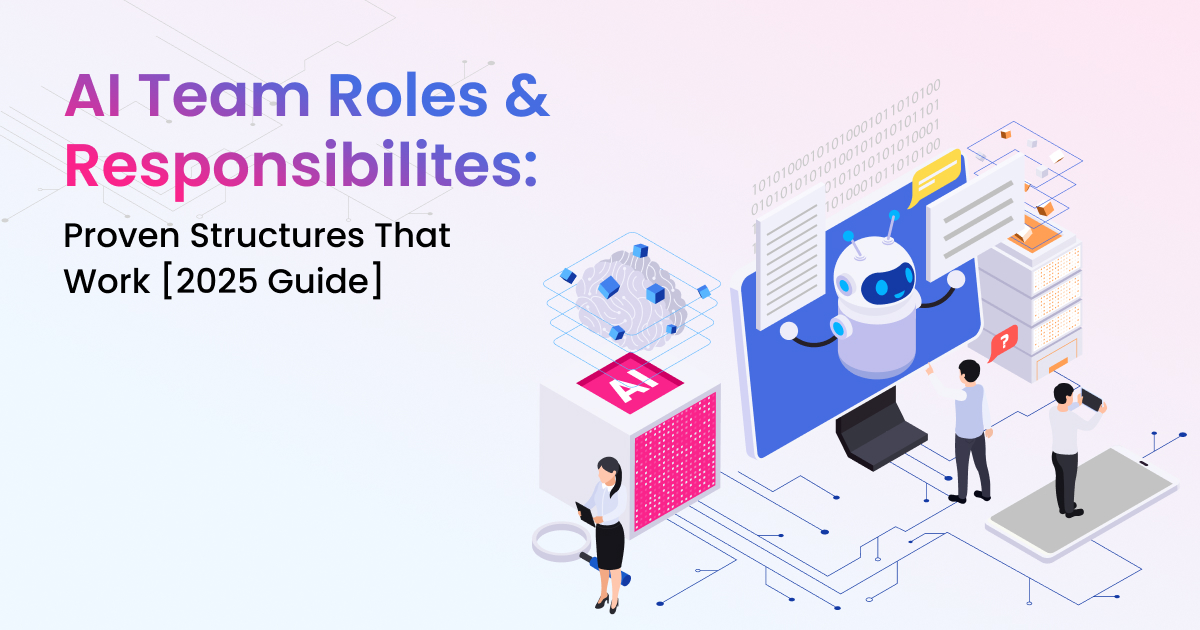
The most successful teams structure around three core roles. Content strategists own the brief—they define what needs to be said, who it's for, and why it matters. AI operators (often your existing writers) translate strategy into AI prompts and refine outputs. Subject matter experts review for accuracy and inject insights AI can't manufacture. Kontent.ai's workflow research found that teams with clearly defined roles and approval checkpoints catch errors before publication while keeping velocity high.
Performance monitoring separates experiments from sustainable systems. Track output volume (pieces published per week), quality scores (engagement, time-on-page), and efficiency gains (hours saved per article). But the metric that actually predicts long-term success? Time-to-verify—the gap between AI completion and human approval. According to Google Cloud's agentic AI KPIs, if review takes longer than creating content manually, your workflow has too much friction.
Platforms like Seo-Writer handle the production backbone by automating SEO research, content planning, and daily publishing—letting your team focus on strategy and refinement rather than repetitive tasks. The real productivity gain isn't from AI writing faster—it's from your team spending time on work that actually requires human judgment.
Sources:
- Nav43: AI Content Creation Workflows
- Kontent.ai: Content Approval Workflows
- Google Cloud: KPIs for Production AI Agents
Best Practice #7: Integrate SEO Writer.ai with Your Existing Tech Stack
Here's what nobody tells you about AI writing tools: they're only as powerful as their connections. Seo-Writer transforms from a standalone content generator into a complete SEO automation system when properly integrated with your CMS, analytics, and workflow tools.
The platform shines brightest when it's embedded in your existing stack. Teams at publishing companies and digital agencies are connecting Seo-Writer directly to WordPress, Webflow, and HubSpot—eliminating the copy-paste bottleneck entirely. According to Zapier's automation research, organizations using AI integrations report 40% less time spent on routine quality checks and content transfers.
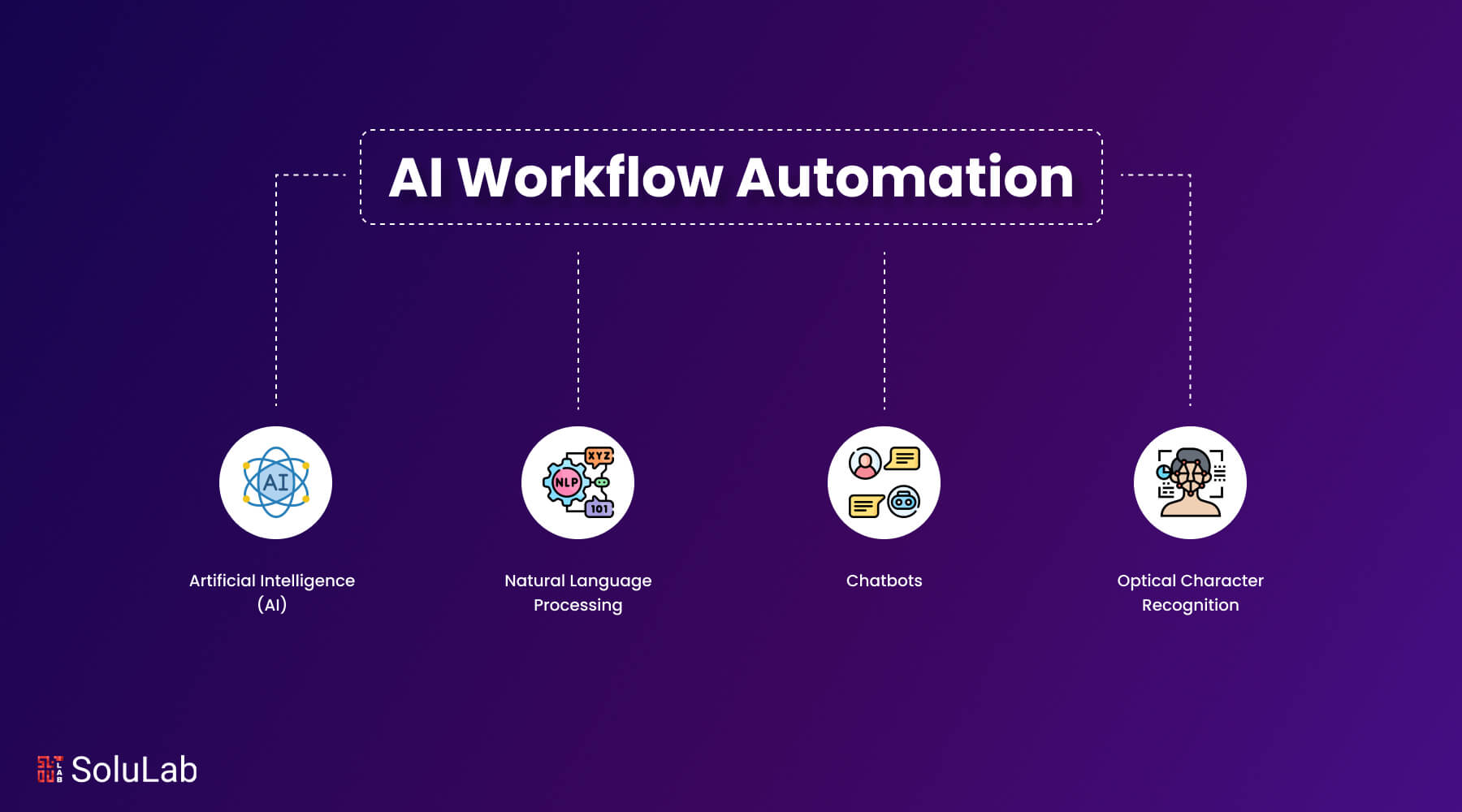
Start with the publishing layer first. Byword's integration approach proves this works—connecting to 5,000+ apps via Zapier means your SEO Writer.ai content flows automatically into your CMS the moment it's generated. One retail team tracked their process and discovered editors were spending 6 hours weekly just moving content between tools. Automation cut that to 20 minutes.
Then connect your analytics. Link Google Search Console and Semrush data feeds so Seo-Writer's AI can analyze what's actually ranking for your competitors. Financial services companies using this setup have identified content gaps their teams never noticed manually—because the AI cross-references thousands of keyword combinations against your existing content library.
Build feedback loops, not one-way pipes. Caorda's analytics team found that connecting AI to GA4 creates a "24/7 monitor on User Experience health"—your content tool sees performance data and adjusts future briefs accordingly. That's how you turn Seo-Writer from a content machine into a learning system.
Measure Performance and Iterate
Here's what most teams get wrong: they wait months to check if their AI content strategy is working. By then, they've already missed dozens of chances to course-correct. A 2024 HubSpot study found that marketers who regularly measure content performance are 3 times more likely to report positive ROI—and in the AI era, that measurement needs to happen faster than ever.
The Metrics That Actually Matter
Traditional traffic numbers don't tell the full story anymore. With 88% of AI Overview-triggering searches being informational, you need to track citations and visibility in AI-generated responses, not just clicks. Start with these core KPIs:
AI Visibility Metrics: Track whether your brand appears in ChatGPT, Claude, and Google AI Overviews. Seer Interactive calls this your "AI Mention Rate"—the percentage of relevant AI answers that include your content. Tools like Ahrefs and SEMrush now offer citation tracking across major AI platforms.
Performance Indicators: Monitor organic traffic growth (especially from long-tail keywords, which drive 69% of all search traffic), indexing speed (AI content often appears in search results within two months), engagement metrics like time-on-page and scroll depth, and content ROI by tracking conversions back to specific AI-generated pieces.

Turn Data Into Action
Seo-Writer makes iteration straightforward—it continuously analyzes performance across your content and adjusts its strategy based on which topics and formats drive the best results. But whether you're using automation or not, set up monthly content gap reviews to identify where competitors are winning.
The key? Don't just collect metrics—create feedback loops. When a piece underperforms, analyze why. Low AI visibility? Add more structured data. Poor engagement? Your content might be answering the wrong questions. Discovered Labs recommends tracking "view-through attribution"—assigning conversion credit to AI citations even when users don't click immediately, since brand exposure in AI responses often drives direct traffic later.
Why SEO Writer.ai Stands Out for Team-Based Content Operations
Here's what separates sustainable content operations from burnout: automation that actually understands SEO. Most AI writing tools give you a faster typewriter—you still research keywords manually, plan topics in spreadsheets, and publish one article at a time. Seo-Writer flips this entirely by automating the complete workflow: analyzing competitor gaps and keyword opportunities, building strategic content calendars around high-potential topics, and auto-publishing optimized articles daily across your integrated platforms. With over 10,000 articles already published through the system, it's proven what workflow-first platforms can deliver when teams stop treating AI as just another writing assistant.
The difference? While 82% of businesses now use AI for content creation, 99% still rely on additional tools for comprehensive SEO workflows. That gap—between generating text and actually growing traffic—is exactly where platforms built for automation rather than drafting make sense. Teams using workflow-first approaches report 59% faster content creation and 77% higher output volumes, but those numbers only matter when the content ranks. Seo-Writer handles the strategy layer that most AI tools ignore: which keywords to target based on competitor analysis, when to publish for maximum impact, and how to structure topic clusters that build searchable authority rather than random blog posts. For teams managing content at scale, it's the difference between having a smart assistant and having a system that runs SEO operations while you focus on what humans actually do better—strategy, brand voice, and turning insights into business value.
Common Mistakes Teams Make with AI Content Tools (and How to Avoid Them)

Even sophisticated teams stumble with AI content—often in predictable ways. According to LinkedIn's analysis of AI content risks, the biggest failures don't come from using AI itself, but from treating it like a magic button that requires no human judgment.
Publishing Raw AI Output
The most expensive mistake? Hitting publish without editing. Maintouch's February 2026 analysis found that "the companies ranking with AI content are infusing it with information Google can't find anywhere else." Raw AI drafts lack first-party data, customer insights, and the specific examples that make content genuinely useful. Platforms like Seo-Writer help by automating competitor analysis and keyword research, but even the best AI needs human expertise to inject unique value.
Ignoring E-E-A-T Signals
AI can't fake expertise it doesn't have. Averi's ethics research shows that "AI systems can inherit and amplify biases present in their training data, while hallucination problems can generate factually incorrect content." Teams that skip fact-checking and citation verification end up publishing confident-sounding nonsense. The fix? Build mandatory review checkpoints before anything goes live.
Keyword Stuffing on Autopilot
When AI tools optimize for keywords without strategic oversight, you get technically "optimized" garbage. ALM Corp's 2026 best practices emphasize that "human review is built into the process" for agencies seeing real results. Keywords should guide content, not dominate it.
Over-Reliance Without Human Oversight
Visual Capitalist's survey data reveals that 56% of professionals admit to making mistakes from trusting AI outputs blindly. The danger isn't AI—it's teams skipping the verification step because "the AI sounds confident."
Missing Structured Data and Technical SEO
AI generates text, not schema markup or meta descriptions that actually drive clicks. Teams focused solely on word count miss the technical elements that make content discoverable. Rellify's marketing guide warns that "treating it as a complete replacement for human insight is a recipe for mediocre content."
The pattern? Teams succeed when they use AI for efficiency—research, drafting, ideation—while keeping humans in charge of strategy, verification, and the final quality check.
Conclusion: Building Your AI-Powered Content Engine
Most teams treat AI content tools as fancy typewriters—and then wonder why their results disappoint. The difference between those who succeed and those who waste subscription fees? They understand that platforms like Seo-Writer aren't meant to replace strategy—they're built to automate execution of your strategy.
The eight practices we've covered aren't a checklist you complete once. They're a framework for continuous improvement: build hybrid workflows that blend AI efficiency with human expertise, plan strategically before automating, customize outputs with your brand's DNA, implement quality checkpoints that catch problems early, optimize for both traditional search and AI citations, scale through team workflows rather than just AI speed, integrate with your existing stack, and measure what actually matters.
Here's your next step: pick one practice where you're weakest. If you're publishing raw AI drafts, start with quality checkpoints. If you're manually researching competitors for hours, let Seo-Writer automate that analysis while you focus on strategy. The platform handles competitor research, keyword clustering, content planning, and daily publishing—so your team can own the parts that require judgment.
Start small. Prove it works. Then scale.