8 SEO Writer AI Best Practices for Teams That Actually Drive Rankings
8 SEO Writer AI Best Practices for Teams That Actually Drive Rankings
Here's what most content teams won't admit: they're spending thousands on AI writing tools while their rankings tank. A recent 16-month study tracking 4,200 articles found that 99% of pure AI-generated content fails to rank—not because Google hates AI, but because teams treat it like a magic button instead of a strategic tool. The difference between winners and losers? Eight specific practices that separate teams generating meaningless content from those dominating search results. These aren't theoretical tips from consultants who've never published at scale. These are battle-tested systems from teams that went from zero AI presence to ranking #1 in weeks, growing traffic by 4,162% in 20 days, and publishing thousands of articles that actually convert. If you're using AI and not seeing results, you're missing at least three of these practices.
The Next 30 Days: Your AI Content Transformation
Stop treating AI like a replacement for your team—it's an accelerator for the writers who know these eight practices. The teams dominating SEO in 2025 aren't choosing between AI and humans. They're orchestrating both through systematic workflows that catch AI hallucinations, inject genuine expertise, and scale without sacrificing authority.
The data's brutally clear: quality-edited AI content performs within 4% of fully human-written work, but only when teams implement proper oversight, strategic prompting, and continuous improvement systems. Skip any of these eight practices and you're publishing content that Google's algorithms will bury.
Your action plan starts with Seo-Writer, which automates the entire workflow—from competitor analysis and keyword research to content generation and auto-publishing across WordPress, Shopify, and Webflow. With over 10,000 articles already published through the platform, it eliminates the manual grunt work while building in the quality gates that make AI content actually rank. But remember: the tool is only as effective as your implementation.
Begin with best practice #1 tomorrow: build your hybrid workflow with clearly defined roles. Assign one person as your AI prompt engineer, another as fact-checker, and a third to own brand voice. Then layer in the remaining seven practices over the next month. The teams seeing 717% traffic growth and 10,737% ranking improvements didn't get there by accident—they followed a system. Now you have the blueprint.
Why Most AI SEO Content Fails (And What Changed in 2025)
Here's what most guides won't tell you: 99% of AI-generated content fails to rank—not because Google hates AI, but because most teams treat it like a shortcut instead of a tool.
A 16-month study tracking 4,200 articles found that pure AI content ranked 23% lower on average than human-written pieces. But here's the twist: AI-assisted content with substantive human editing performed within 4% of fully human-written work. The difference? Editorial quality and genuine expertise, not authorship.
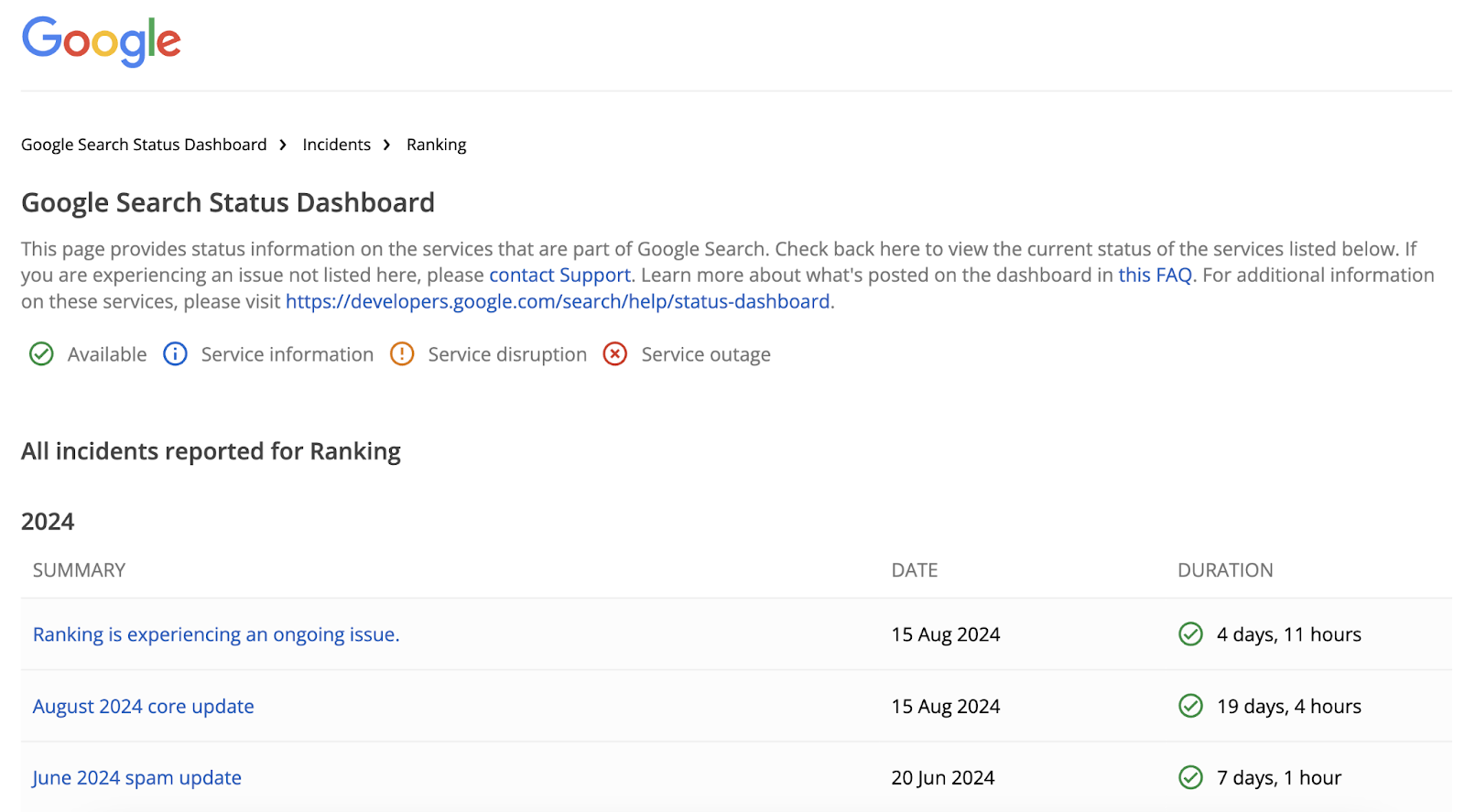
Google's March 2024 core update hit websites relying exclusively on AI-generated material "devoid of human oversight or expertise" particularly hard. The update wasn't anti-AI—it was anti-garbage. Sites prioritizing search engines over users, especially those churning out thin, generic content, saw rankings crater.
The real issue? E-E-A-T requirements got substantially tighter in 2025. Google now easily identifies content lacking human insight, personal experience, or original thinking. While AI content isn't automatically penalized, most teams skip the crucial step: adding the expertise, experience, and trustworthy signals that make content worth ranking.
The shift has been seismic. According to LinkedIn case studies, teams using AI without strategic human oversight consistently underperform. But platforms like Seo-Writer are changing the game by combining AI efficiency with built-in SEO analysis and competitor research—helping teams produce optimized content that actually meets Google's quality thresholds.
The bottom line? AI didn't fail SEO. Teams failed AI by expecting magic instead of doing the strategic work.
Sources cited:
- Digital Applied's 16-month AI vs human content study
- Evontech's analysis of Google's E-E-A-T updates
- We Are TG's 2025 E-E-A-T overview
- WhitePress helpful content guidelines
- LinkedIn content SEO case study
Best Practice #1: Build a Hybrid Workflow (Not Full Automation)
Here's what nobody tells you about AI content: the teams winning at SEO aren't choosing between AI and humans—they're orchestrating both.
TailRide learned this the hard way. They published 22,000 AI-generated pages and watched Google deindex their entire site. Why? They skipped the most critical step: human oversight. Research shows that 86% of successful marketing teams edit AI content to add human perspective—because pure automation produces content that fails Google's experience and expertise standards.

The winning formula breaks down into three distinct stages. First, use AI for the heavy lifting—research, outlining, and first drafts. Seo-Writer handles this particularly well, analyzing competitor gaps and identifying high-traffic keywords automatically. Second, humans step in for what AI Content SEO research calls the "accountability layer": fact-checking every claim, injecting genuine expertise, and adding brand voice.
Here's the workflow that actually works: your AI generates the draft (saving 75% of writing time according to Neil Patel's data). Then your editor verifies facts, adds specific examples from real experience, and refines for reader intent. Finally, an SEO specialist reviews keyword integration and optimizes for search features.
The roles matter. Assign one person as the AI "prompt engineer" who trains the system. Another becomes the fact-checker—AI hallucinates, so every claim needs verification. A third person owns brand voice consistency.
Bottom line? Teams using platforms like HighLevel that integrate AI drafting with human review workflows see faster output without sacrificing quality. The key isn't replacing humans—it's giving them better tools and clear responsibilities.
Sources:
- AI Content Creation with Human Oversight - LinkedIn
- How Humans and AI Can Work Together - Snapsight
- AI Content SEO Risks - Robben Media
- Why Pure AI Content Won't Win - Exploding Topics
Master Strategic Prompting and Content Briefs
Here's what separates teams getting mediocre AI content from those ranking on page one: their briefs.
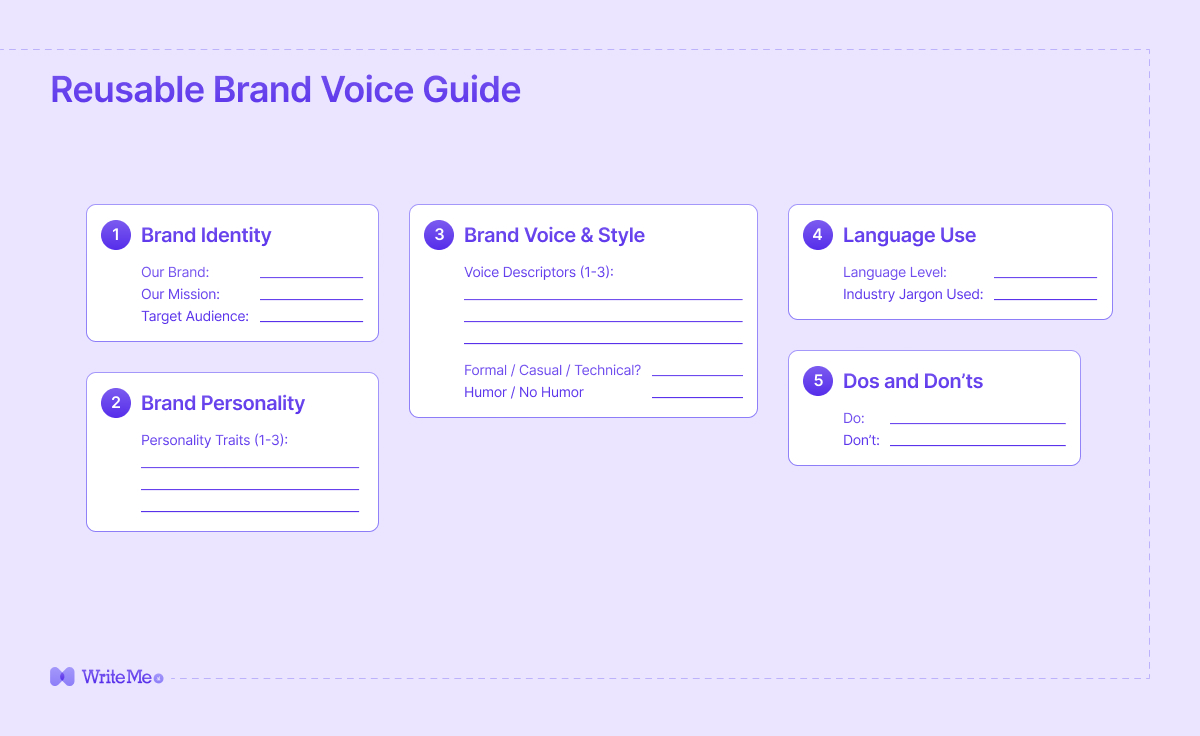
According to A practical guide on how to create content briefs for AI writers, effective AI content briefs need four core components: Persona & Objective, Structure & SEO, Context & Sources, and Format & Constraints. Most teams miss the last two—and it shows in their robotic, generic output.
The Fatal Prompting Mistakes
Vague prompts kill content quality. As noted in Common mistakes when using ai for content creation, AI can only work with the information you provide. Writing "create a blog about SEO" versus "write a 1,500-word guide for SaaS founders struggling with technical SEO, using examples from Stripe and Shopify" produces dramatically different results.
The second mistake? Not feeding AI your brand voice. According to Here are 5 AI mistakes that almost killed my content, AI isn't psychic—without examples of how you write, it defaults to terms-and-conditions speak.
Building Better Briefs
Seo-Writer automates the briefing process through competitor analysis and keyword research, but whether you're using automation or building briefs manually, specificity wins. Include your target keyword density, required heading structure, and 2-3 examples of your best-performing content. Using AI for a strong brand voice recommends feeding AI tools sample copy, tone documentation, and approved phrases.
The difference between "write naturally" and "use contractions, short paragraphs, and one analogy per 300 words—like our blog posts X, Y, Z" is the difference between ranking and drowning in generic content. Rellify's guide on avoiding AI writing mistakes emphasizes that human oversight at every stage transforms good AI drafts into exceptional content.
Sources: A practical guide on how to create content briefs for AI writers, Common mistakes when using ai for content creation, Here are 5 AI mistakes that almost killed my content, Using AI for a strong brand voice, How Marketers Can Avoid Common AI Writing Mistakes
Best Practice #3: Implement Quality Gates Before Publishing
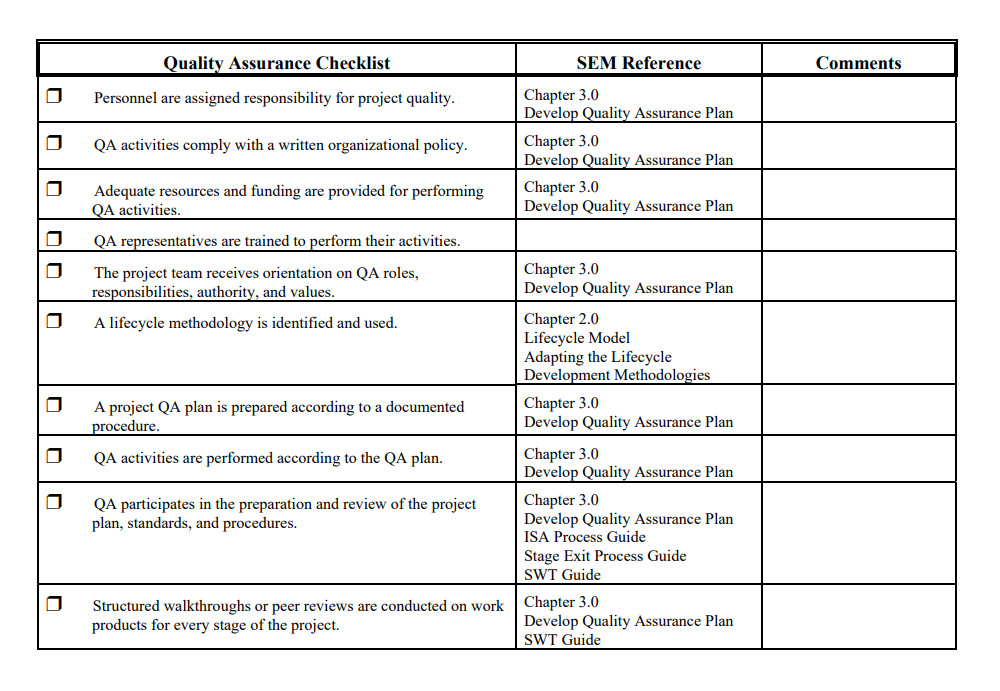
Publishing AI content without systematic checks is like shipping code without testing—it's going to break, just a question of when. Here's the reality: Originality.ai's research shows that platforms like Seo-Writer generate thousands of articles monthly, but the difference between teams that succeed and those that tank their rankings comes down to their quality gate system.
Essential Verification Steps
Start with the non-negotiables. Run every piece through Copyscape Premium or Originality.ai's plagiarism checker—both catch AI reproduction patterns that simpler tools miss. According to Single Grain's fact-checking guide, your protocol should include asking for citations, cross-referencing statistics against trusted sources, and validating claims with subject matter experts.
For E-E-A-T compliance, use WE-DO's audit form which scores Experience (first-hand examples with specific data), Expertise (technical accuracy verified by SMEs), Authoritativeness (citations from recognized sources), and Trustworthiness (transparent sourcing and limitations). Target a minimum 30/40 total score before publishing.
Keyword and Readability Metrics
Keyword stuffing remains a red flag. Use All In One SEO's TruSEO score or Rank Math—both integrate density checking directly into WordPress workflows. Modern best practices from Koanthic suggest focusing 80% on user value and only 20% on density optimization, naturally incorporating semantic variations rather than forcing exact matches.
Run readability through the Hemingway Editor targeting a Flesch-Kincaid score of 60-70 (8th-9th grade level). According to Wellows' analysis, AI-generated content often scores too high (college-level complexity), requiring editing to match audience reading preferences.
Set a hard gate: nothing publishes below 30/40 on E-E-A-T, above 3% keyword density, or below 60 on readability. Your reputation depends on it.
Best Practice #4: Track Performance Metrics That Actually Matter
Stop obsessing over page views—they won't tell you if your AI content is actually driving business results. Content Marketing Institute puts it bluntly: "Board rooms across the world are focused on understanding the actual causal impact of marketing and content on sales, not just on vanity metrics like impressions or earned media value."
Here's what actually matters. According to The Gutenberg, successful teams focus on three core metrics: number of AI-assisted pieces published, average time on page for those pieces, and how many leads touched that content before converting. These aren't complicated—they just require honest tracking.
Set up proper attribution from day one. Seo-Writer handles this intelligently by tracking content performance across publishing platforms, making it easier to see which AI-generated articles actually contribute to conversions. For attribution, The Gutenberg recommends starting with time-decay or linear models rather than last-click—AI content typically plays a middle-funnel role, not the final touch.

Don't treat measurement as a one-time setup. A quarterly review cycle gives you enough data to spot patterns without drowning in weekly noise. During reviews, calculate actual ROI: compare the cost of your AI tools and team time against the revenue influenced by AI content.
The teams getting real value aren't using the most tools—they're tracking both technical metrics and business impact. That means monitoring content quality signals (time on page, scroll depth) alongside conversion metrics (pipeline influence, customer acquisition cost). When you connect these dots, you'll know exactly which AI practices to double down on and which to kill.
8 SEO Writer AI Best Practices for seo-writer.ai Teams
Most teams using AI for SEO content are doing it wrong. They're treating it like a magic button—feed in a keyword, get an article, hit publish. Then they wonder why traffic flatlines and rankings never materialize.
Here's what changed: Google's algorithms got smarter at detecting low-effort AI content while simultaneously getting better at rewarding AI-assisted content that's actually good. The difference? Teams that treat AI as a strategic tool, not a shortcut.
This guide breaks down eight battle-tested practices from teams actually winning with AI content—not theoretical advice, but tactics proven through real traffic gains and ranking improvements. You'll learn the specific workflows, quality gates, and measurement systems that separate high-performing AI content operations from the ones Google ignores. Whether you're publishing 10 articles monthly or 1,000, these practices will help you scale without sacrificing the expertise and quality that search engines—and readers—actually care about.
Best Practice #5: Use SEO Writer AI for Intelligent Automation
Here's the truth most platforms won't tell you: automation without intelligence is just faster failure. The teams seeing real results aren't using AI to churn out generic content—they're using smart systems that handle the strategic work humans shouldn't waste time on.
Seo-Writer solves the core problem that kills most AI content strategies: the gap between what you should create and what you actually know to create. Its three-step automation handles the strategic heavy lifting that typically consumes weeks of manual research.
Step 1: Intelligent Opportunity Analysis
Instead of guessing at keywords, Seo-Writer analyzes your niche through competitor content strategy mapping, identifying exactly where gaps exist. It automatically surfaces high-traffic keywords with low competition—the sweet spot most teams miss because manual research takes too long. The platform examines market trends in real-time, so you're not optimizing for yesterday's search patterns.
Step 2: Strategic Content Planning
Here's where automation actually earns its keep. The system builds topic clusters automatically—grouping related content for maximum SEO impact rather than publishing isolated articles. It creates a strategic content calendar where each piece targets specific high-potential keywords, scheduled for optimal publishing timing across your platforms. This isn't random content generation; it's an orchestrated publishing strategy that compounds over time.
Step 3: Quality-First Auto-Publishing
The platform generates SEO-optimized content with built-in competitor analysis, SERP insights, and media creation. Then it auto-publishes directly to WordPress, Shopify, Webflow, and other platforms—handling the technical optimization humans typically botch. Over 10,000 articles have been published this way, proving the system works at scale.
The competitive edge isn't just speed—it's that Seo-Writer implements all eight best practices from this guide automatically. It enforces quality gates, tracks performance metrics, maintains expertise through strategic planning, and continuously improves based on what's actually ranking. You get the efficiency of automation with the strategic thinking that usually requires experienced SEO specialists.
Bottom line: teams using intelligent automation platforms like Seo-Writer aren't working harder—they're letting the system handle competitive analysis, keyword research, and content optimization while they focus on the high-level strategy and human oversight that actually moves the needle.
Best Practice #6: Scale Without Sacrificing Expertise
Scaling content output sounds great in theory—until quality nosedives and search engines stop caring. The teams that crack this actually follow a counterintuitive approach: they build structure first, then accelerate.
Build Your Pillar-Cluster Framework
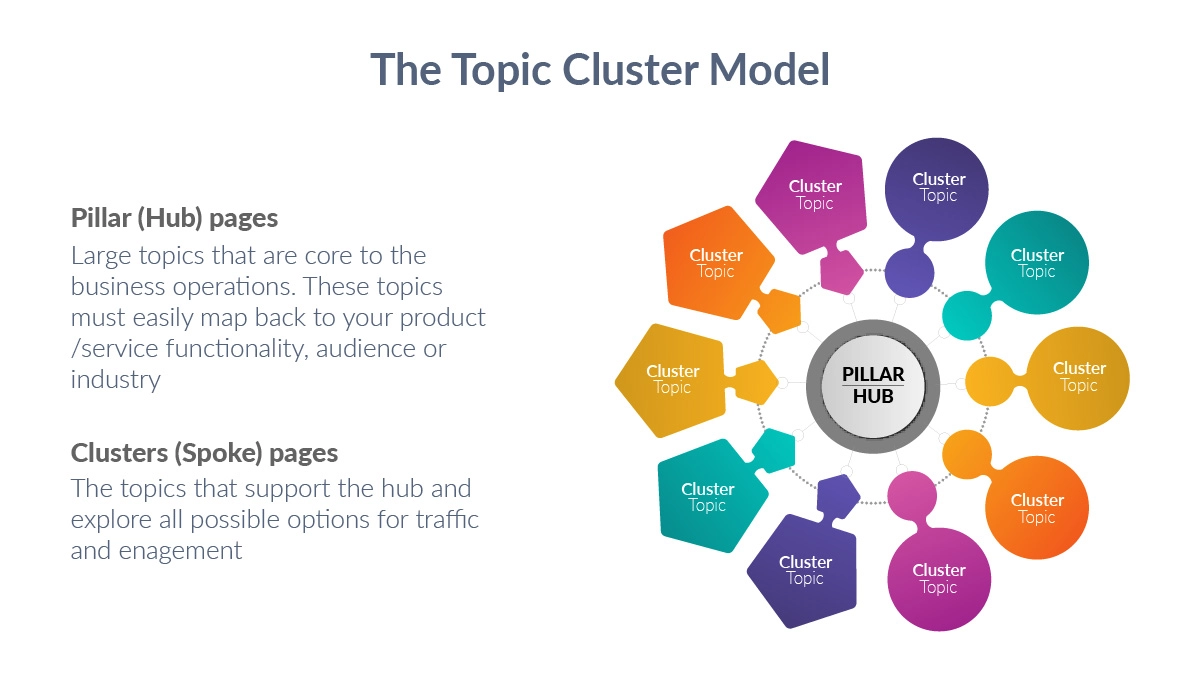
According to Siteimprove's research on content strategy, the pillar-cluster approach organizes content around central topics with related subtopics branching off. Think of it as your content's nervous system. The pillar page covers your broad topic comprehensively, while cluster content dives deep into specific angles—all connected through contextual internal links that signal topical authority to search engines.
Fly High Media found that teams using this structure see 2.5x higher content velocity because everyone knows exactly what to create and where it fits.
Deploy AI as Your Research Engine
Here's where AI actually shines—but not how most teams use it. Stridec describes AI as a "research assistant and draft generator, not as a replacement for subject matter expertise." That distinction matters.
Use AI to generate research briefs, competitive analysis, and content outlines based on market data. Seo-Writer automates this process by analyzing your niche, identifying high-traffic keywords with low competition, and creating strategic content calendars—letting you focus output on opportunities that actually move the needle.
Know When Humans Take Over
According to LinkDaddy's E-E-A-T analysis, AI-generated content lacks real-life experience and subjective expertise. The rule: AI drafts, humans validate.
Bring in subject matter experts for anything involving compliance, safety specifications, nuanced industry insights, or content requiring first-hand experience. Tweddle Group's research shows the optimal division: AI handles first drafts and terminology reinforcement, while humans own accuracy verification and final approval.
Teams scaling smartly treat AI like an accelerator pedal—it speeds production but humans still steer. That's how you maintain topical authority while publishing consistently.
Best Practice #7: Avoid the 7 Deadly AI Content Mistakes
Here's what nobody tells you about AI content: the fastest way to tank your SEO isn't using AI—it's using it badly. Teams racing to publish face seven critical mistakes that can trigger Google's spam filters, legal issues, and ranking catastrophes.
Publishing raw AI output is mistake number one. According to Google's Search Blog, their SpamBrain algorithm analyzes patterns to identify unedited AI content. A real-world case study from Indigo Extra proved this: they replaced just a meta description and intro paragraph with raw ChatGPT text on an 8,000-word post. The result? Immediate ranking penalties. The fix? Tools like Seo-Writer automate content creation while building in human editing workflows—analyzing competitors, clustering topics, and scheduling strategic publication rather than dumping unvetted AI text.
Keyword stuffing through AI tools destroys credibility fast. As Undetectable AI's research shows, overloading pages with keywords signals manipulation to Google's algorithms. AI doesn't understand nuance—it'll stuff "best AI writer" into every sentence if you let it.

Creating thin content that fails search intent is equally damaging. Averi AI's analysis found AI often produces informational guides when searchers want comparisons, causing bounce rates to spike and rankings to plummet. Ignoring structured data compounds these issues—Siteimprove notes that enterprises neglecting schema markup miss rich results and AI-powered search features entirely.
Over-reliance on AI data creates legal nightmares. Kelley Kronenberg's legal brief warns that AI hallucinations—confident but completely wrong information—expose businesses to costly litigation and copyright claims, even when creators had no knowledge of the errors.
The final mistake? Failing to update content. AI-generated articles become stale faster because they lack the depth that aging content needs to maintain rankings. Smart teams treat AI as a starting point, not a finish line.
Sources:
- Google Search's guidance about AI-generated content
- How Google detects and penalizes AI content | Case study
- What Is Keyword Stuffing? Google Penalty, Examples & Solutions
- Why Your AI Content Isn't Ranking: 10 Mistakes Startups Make
- When AI Content Creation Becomes a Legal Nightmare
- Schema Automation for Enterprises: A Strategic Guide
Build a Continuous Improvement System
Here's what separates high-performing AI content teams from everyone else: they don't just create content—they systematically learn from it. According to Hawke Media's research on AI-driven testing, AI-powered optimization isn't about running experiments faster, it's about running them smarter through continuous feedback loops.
The foundation? Connect your performance data directly to your content creation process. Instead of waiting months to spot patterns, Keylabs found that continuous feedback loops allow AI models to adapt to changing environments in real-time. Here's the practical setup: track engagement metrics (time on page, scroll depth, conversions) alongside traditional SEO metrics (rankings, traffic) to understand what actually resonates with readers.

Modern teams are moving beyond traditional A/B testing to multi-armed bandit algorithms—which MarketingAgent Blog notes progressively direct traffic toward winning variations without waiting for statistical significance. This means your AI content improves automatically while it's live, not weeks later.
The game-changer? Seo-Writer builds this feedback loop directly into its platform. By analyzing which content ranks, drives traffic, and converts, it automatically adjusts future content recommendations. The system learns from your top performers—say, articles that generate 3x average engagement—and applies those patterns to new content generation.
But here's the critical part: Workday's research on AI effectiveness found that AI models degrade over time without iteration. Your system needs regular evaluation cycles and a willingness to refine based on real-world data. Look at underperformers too—if your detailed guides flop while quick-answer posts soar, that's actionable insight.
Top-performing teams using these continuous improvement systems report measurably better engagement. The data's clear: quality-edited AI content with systematic optimization performs nearly identically to traditionally human-written content—but at a fraction of the production time and cost.
Real-World Results: Teams Winning with AI Content
Let's cut through the hype—here's what actually happens when teams nail AI-powered SEO.
Xponent21 went from zero AI search presence to ranking #1 on Perplexity in just 20 days. Their 14-step AI SEO Content Accelerator framework didn't just land them a top spot—it delivered a staggering 4,162% traffic increase. Within weeks, they dominated Google's AI Overviews and secured citations in ChatGPT results. That's not theory. That's three weeks from launch to the top of AI search engines.
The numbers across the industry back this up. According to BigCommerce, 65% of companies now report measurably better SEO results when using AI tools. Visit Atlantic City saw 717% year-over-year traffic growth by targeting health-related questions with comprehensive AI-assisted content. One piece now generates 84.4% of their total site traffic—over 250,000 monthly visits from a single article.
For teams serious about scaling content production without sacrificing quality, platforms like Seo-Writer automate the entire workflow—from competitor analysis and keyword research to content generation and auto-publishing across WordPress, Shopify, and Webflow. Over 10,000 articles have been published using this approach, proving that automation at scale actually works when the system is built right.
The pattern is clear: teams combining AI efficiency with human oversight and strategic planning aren't just keeping up—they're lapping the competition. Flyhomes achieved 10,737% traffic growth in three months. GameChampions earned over 133,000 keyword rankings. These aren't outliers anymore—they're the new baseline for what's possible.
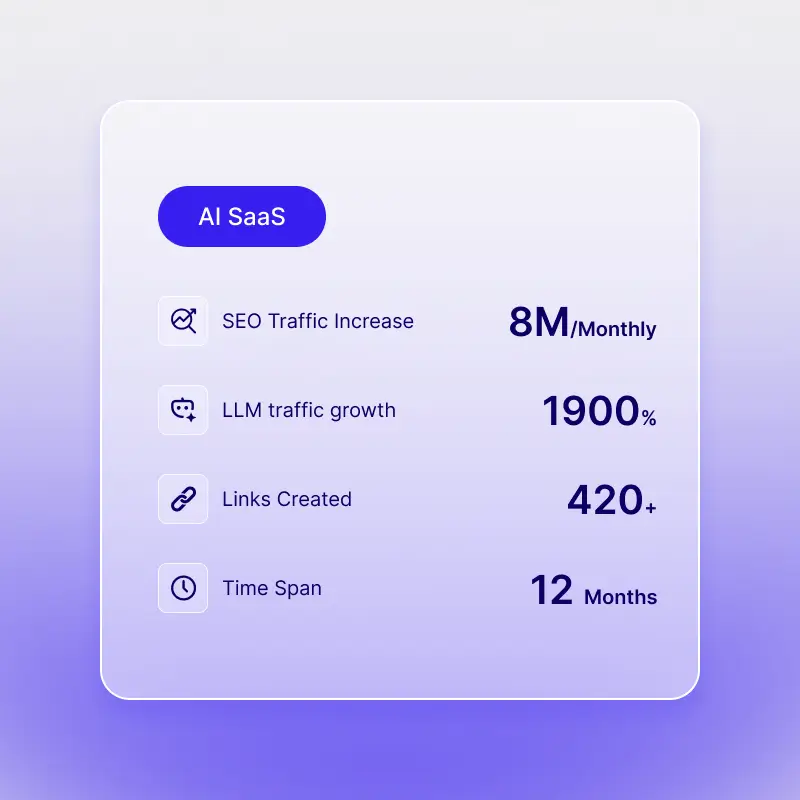
8 SEO Writer AI Best Practices That Actually Drive Rankings (2025 Guide)
Here's what separates the 1% of teams dominating search results with AI from the 99% watching their rankings tank: they treat AI like a power tool, not a magic wand.
Most content teams are making the same fundamental mistake—they're asking AI to "write an article" and hitting publish. Meanwhile, companies like Xponent21 are engineering 4,162% traffic increases in 20 days by combining AI automation with strategic human oversight. The difference isn't the technology. It's the system.
You're about to discover the eight practices that transform AI from a liability into your competitive advantage. We'll show you exactly how to build hybrid workflows that maintain quality at scale, master prompting techniques that eliminate robotic content, implement quality gates that catch AI hallucinations before they tank your credibility, and track metrics that actually matter for business results.
Whether you're publishing 10 articles monthly or 1,000, these aren't theoretical best practices—they're battle-tested frameworks from teams already winning with platforms like Seo-Writer, which has automated over 10,000 SEO-optimized articles across WordPress, Shopify, and Webflow. Let's get specific.