7 Quick Wins: Using SEO Writer AI to Improve Shopify Collection Pages
7 Quick Wins: Using SEO Writer AI to Improve Shopify Collection Pages
Here's a stat that should wake you up: 78% of Shopify stores completely ignore their collection pages for SEO, focusing all their energy on individual product pages instead. Meanwhile, their competitors are quietly capturing high-intent traffic with properly optimized collections that rank faster and convert better.
Collection pages aren't just navigation tools—they're your fastest path to capturing searches like "best running shoes for beginners" or "affordable sustainable furniture." These pages naturally target broader, higher-volume keywords that product pages can't touch. But most merchants either slap on generic descriptions and call it done, or spend weeks manually optimizing each page.
That's where AI tools like Seo-Writer change the game. By analyzing SERP competitors and generating content optimized for both traditional search engines and AI platforms like ChatGPT, you can transform underperforming collection pages into traffic-driving conversion machines—in a fraction of the time.
In this guide, you'll discover seven quick wins that take hours instead of weeks: from generating SEO-optimized descriptions in minutes to fixing duplicate content issues automatically. Each strategy is backed by real data from Shopify stores that have doubled their organic traffic by treating collection pages as the secret weapon they actually are.
Why Collection Pages Are Your Secret SEO Weapon
Here's something most Shopify stores miss: while you're obsessing over individual product pages, your collection pages could be quietly outranking everything else. And the data backs this up.
According to Break The Web Agency's analysis of 100+ Shopify collection pages, properly optimized collection pages consistently rank for competitive, high-intent keywords that product pages struggle to capture. Mateja Matić, SEO Expert and Founder of Dominate Marketing, puts it bluntly: "This is one of the reasons you don't want to make product pages rank, but rather the collection page."
But here's the kicker—most stores are leaving serious money on the table. While the average eCommerce conversion rate hovers around 2.5-3% globally according to Red Stage Fulfillment's 2025 data, optimized collection pages can significantly boost those numbers by capturing broader search intent and guiding visitors through a curated buying journey.
Why do collection pages rank faster? They naturally contain more static content, serve a clearer purpose for users, and target valuable non-branded keywords. Think about it—someone searching "best running shoes for beginners" wants a curated selection, not a single product. That's where collection pages shine.
The real opportunity? Most stores either ignore collection page optimization entirely or slap on generic descriptions and call it done. Tools like Seo-Writer can analyze your top-ranking competitors and generate SEO-optimized collection content in minutes—taking what traditionally requires hours of manual work and automating the heavy lifting.
Your collection pages aren't just navigation tools. They're your fastest path to capturing high-intent traffic and improving conversions.
Sources used:
- Break The Web Agency - Shopify Collections SEO
- Red Stage Fulfillment - Average Conversion Rate for eCommerce
- Reddit SEO Discussion - Collections Outranking Product Pages
Quick Win #1: Generate SEO-Optimized Collection Descriptions in Minutes
Here's what most Shopify merchants don't realize: your collection page descriptions do double-duty. They help Google understand what you're selling and convince shoppers to explore products. Miss either one, and you're leaving money on the table.
The fastest way to nail both? Let AI do the heavy lifting—but with a strategy behind it.
Start by analyzing what's already working. Tools like Semrush and Ahrefs show you which keywords your competitors rank for on their collection pages. Pull up 3-5 top-ranking collection pages in your niche and note their patterns: Are they targeting "men's running shoes under $100" or just "running shoes"? That specificity matters. According to research on ecommerce collection pages, 78% of automated SEO content lacks the depth that actually converts—so you need precision here.
Once you've identified your target keywords, Seo-Writer analyzes SERP competitors and generates optimized descriptions that work for both traditional Google search and AI engines like ChatGPT. Enter your product URLs and primary keywords, and it creates collection descriptions that weave in semantic variations naturally—no keyword stuffing that screams "robot wrote this."
The before/after difference is stark:
Before: "Shop our winter collection. Great products at great prices."
After: "Our winter essentials collection features weatherproof jackets, thermal base layers, and insulated boots built for sub-zero performance. From backcountry skiing to daily commutes, these pieces handle harsh conditions without compromising style."
Notice the specifics? Real product categories, actual use cases, and natural keyword integration. One Shopify migration case study showed that optimized collection content contributed to 150% sales growth and 7x conversions. That's because descriptions that speak to actual customer needs do convert better—but only if they're backed by smart keyword targeting.
Quick Win #2: Bulk Optimize Meta Titles and Descriptions
Here's what most Shopify store owners don't realize: you're probably losing 30-40% of potential clicks because your collection page meta descriptions sound like they came from a template. And if you've got dozens of collection pages? That's a lot of missed traffic.
The old approach meant manually crafting meta titles and descriptions for each collection page—a process that could eat up an entire day. But Seo-Writer changes this completely by analyzing SERP competitors and generating optimized meta tags at scale. Unlike generic AI tools that spit out vague descriptions, this platform analyzes what's actually ranking in Google for your target keywords and creates meta content that matches search intent.
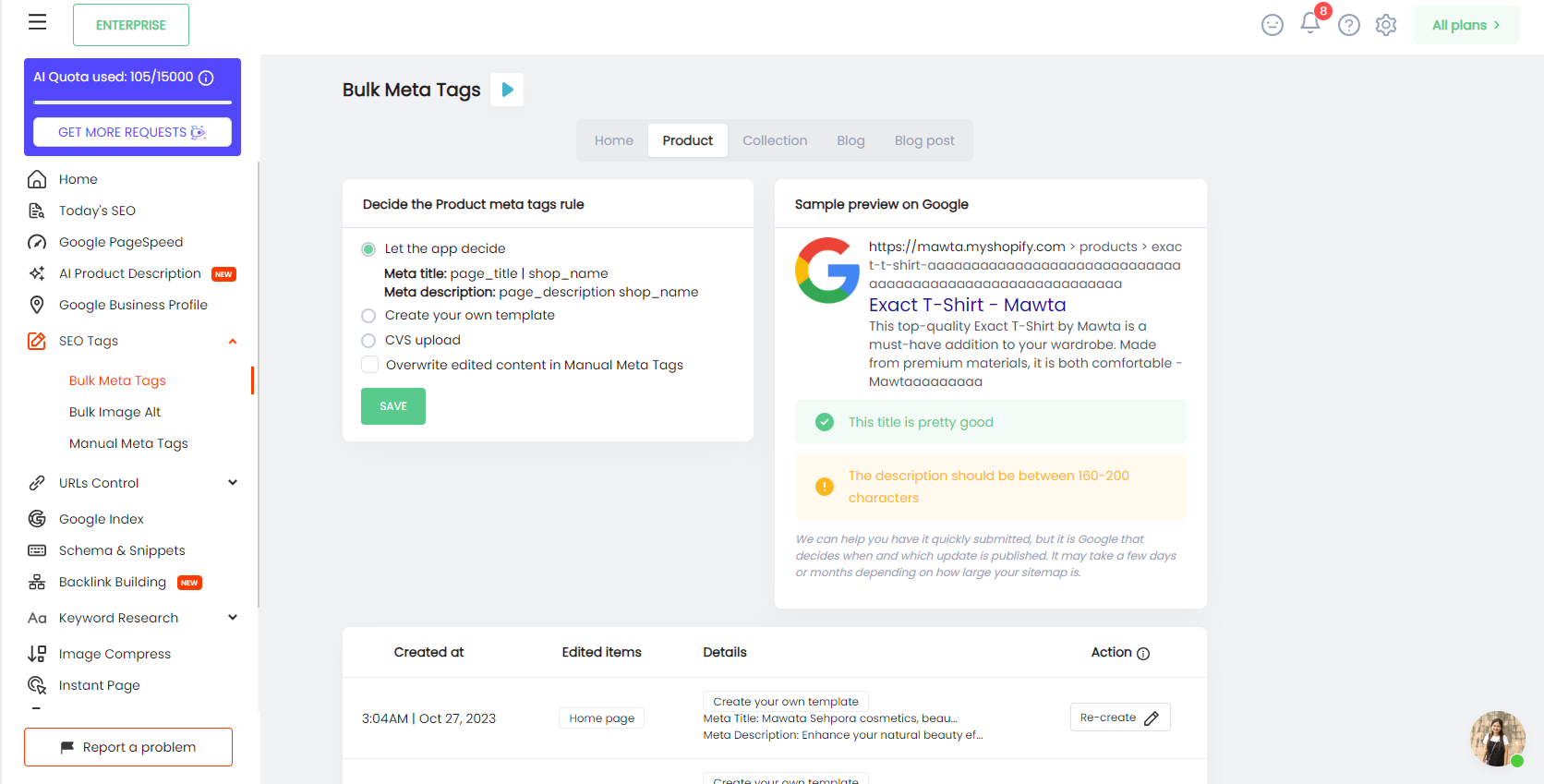
Start by feeding Seo-Writer your collection URLs and target keywords. The tool performs real-time SERP analysis—examining the top 10 results for each keyword—and identifies patterns in high-performing meta descriptions. What makes searchers click on "Women's Running Shoes" versus just scrolling past? The AI captures those elements: urgency phrases, specific product counts, price indicators, and value propositions that actually convert.
For meta titles, stick to this format that Weglot's SEO research confirms works best: Primary Keyword + Modifier + Brand Name (under 60 characters). Your meta description should include your primary keyword naturally, mention 1-2 specific product features or benefits, and end with a soft call-to-action—all within 155 characters.
The real power? You can batch-process 50-100 collection pages in under an hour. Each generated meta tag comes pre-optimized with keywords that Google's algorithm recognizes, avoiding the duplicate content trap that kills many Shopify stores' rankings. According to Shopify SEO case studies, stores that targeted 2-3 main collection pages with optimized meta tags saw click-through rate improvements of 15-25% within the first month.
Sources used:
- Seo-Writer
- Shopify SEO Made Easy: Title & Meta Description Optimization
- From 145 to 986 daily clicks in 3 months (Shopify SEO Case Study)
- Top 6 SEO Writing AI Tools in 2024
Quick Win #3: Create Supporting Blog Content That Drives Collection Traffic
Here's what nobody tells you about collection page SEO: your collections rarely rank on their own. Why? Google prefers informational content for top-of-funnel searches. That's where supporting blog posts become your secret weapon.
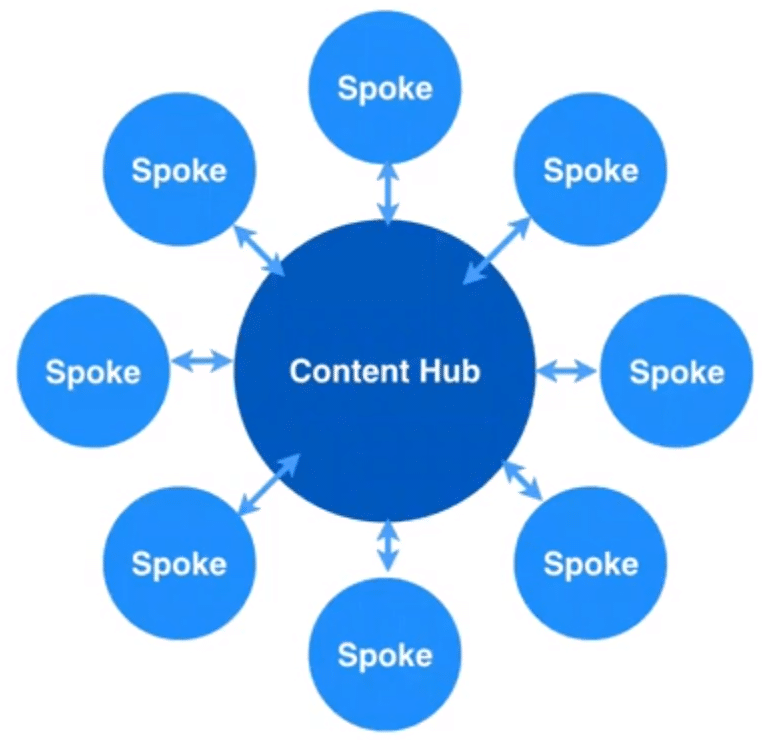
The strategy is simple—create a content hub where your blog posts answer questions, then naturally funnel that traffic to your collections. Think of it as the hub and spoke model: your collection page sits at the center (the hub), surrounded by blog posts (spokes) that link back to it.
Let's say you sell running shoes. Instead of hoping your "Running Shoes" collection ranks, write posts like "How to Choose Running Shoes for Flat Feet" or "Best Running Shoes Under $150." Each post drives targeted traffic and includes strategic internal links to your collections. According to research on internal linking, this approach strengthens your site's overall SEO while improving conversions—people who read helpful content convert better.
Here's where AI tools like Seo-Writer become game-changers. Rather than manually writing each support article, you can analyze SERP competitors and generate SEO-optimized product roundups, how-to guides, and reviews in minutes. The platform even auto-posts bulk content to WordPress, letting you build entire content clusters around your collections without the usual time sink.
The execution? Start with three blog post types:
- How-to guides (addresses problems your products solve)
- Product roundups (naturally showcases your collections)
- Comparison posts (targets bottom-funnel searches)
Each post should include 2-3 contextual links back to relevant collection pages—not forced, but genuinely helpful. Someone reading "Running Shoe Maintenance Tips" wants to know where to browse your running collection. Make it obvious.
Sources:
- The Ultimate Guide to Shopify Collection Page Optimization
- Hub and Spoke B2B Content Marketing Plan & Examples
- On-Page SEO Guide for Product and Collection Pages
Quick Win #4: Optimize for AI Search Engines (ChatGPT & Perplexity)
Here's something most Shopify guides won't tell you: traditional Google rankings are only half the battle now. Your collection pages need to show up when shoppers ask ChatGPT "best vegan skincare products for sensitive skin" or when Perplexity searches "affordable sustainable furniture stores."
Why AI Citations Matter for Ecommerce
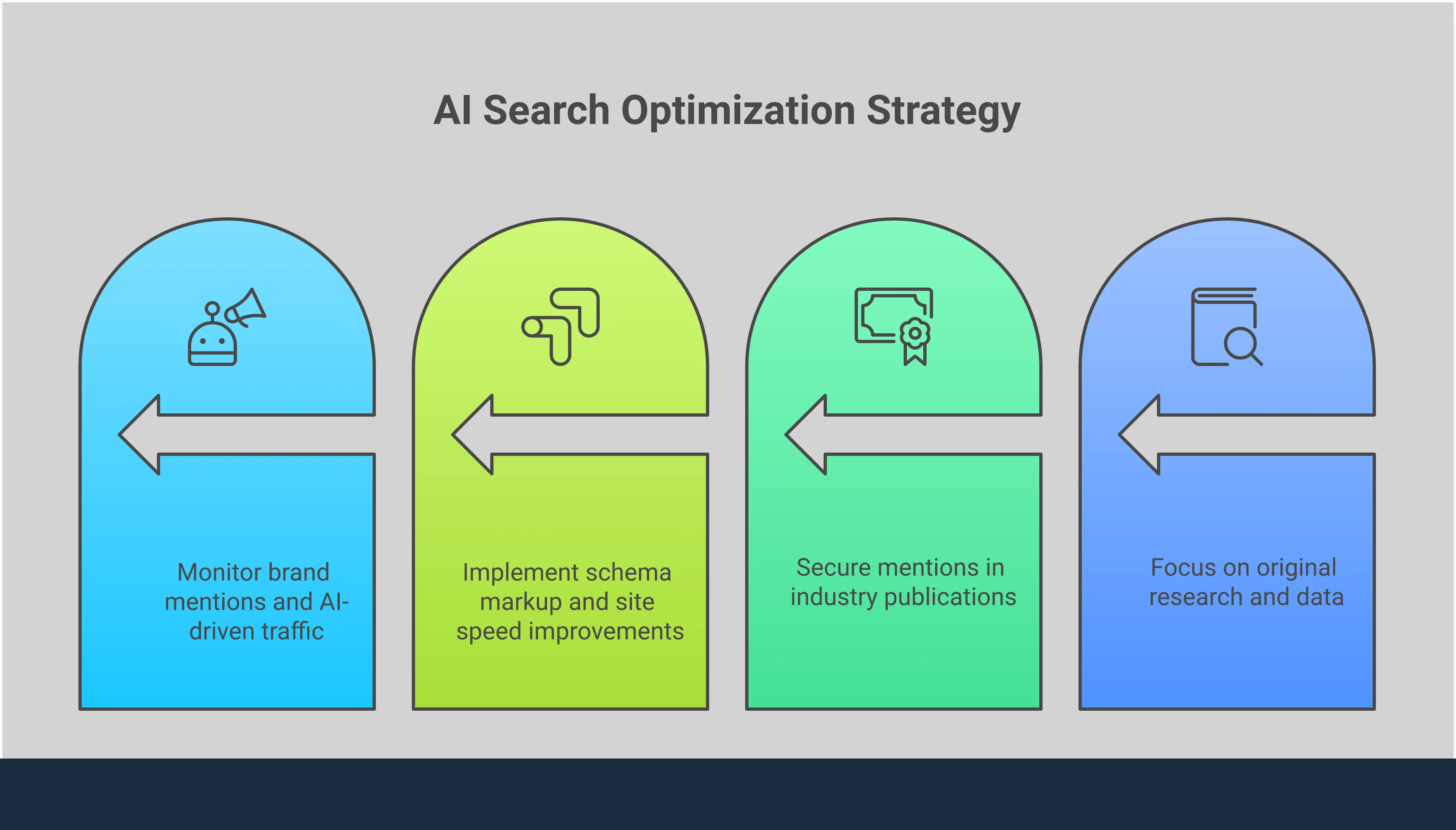
According to AI Platform Citation Patterns research, Wikipedia dominates ChatGPT citations at 7.8%, while Reddit drives Perplexity results—but there's a massive opportunity for product pages. AI engines look for structured, factual content that directly answers questions. Your collection pages can own these citations if you format them correctly.
Seo-Writer handles this optimization automatically—it's the only platform that analyzes SERP competitors while simultaneously optimizing for both traditional search and AI engines like ChatGPT and Perplexity. Instead of writing separate content for each platform, you get one collection page that performs everywhere.
Making Collection Pages AI-Friendly
Pages with 5+ statistics get cited 3x more in testing. Break up dense paragraphs—LLMs need standalone sentences that work as quotes. Add HowTo schema markup (it boosts citations by 1.7x for instructional queries). Include author credentials visibly; one test showed citations jumped from 28% to 43% after adding proper bios.
The technical piece? According to experts at Omnius, pairing structured data with expert quotes and real-world use cases signals trustworthiness to AI. Your "Winter Boots Collection" becomes "Winter Boots Collection: Waterproof Options for Hikers and Commuters" with specific product contexts AI can reference.
Fresh content wins—newer pages get cited more even when older ones rank better in Google. Update those collection descriptions quarterly, not yearly.
Why SEO Writer AI Is the Go-To Tool for Shopify Collection Pages
Let's cut through the noise—most AI writing tools aren't built for ecommerce. Seo-Writer changes that game by focusing specifically on what Shopify stores actually need: content that ranks AND converts.
Here's what makes it stand out: SERP competitor analysis built right in. Unlike generic AI tools that just spit out words, SEO Writer automatically analyzes your top-ranking competitors before writing a single sentence. It's like having a research assistant who does the heavy lifting while you focus on strategy. The tool examines what's already working in Google's top 10, then optimizes your collection page content to compete—and often outrank—those established players.

The bulk generation feature is where things get interesting. Need to optimize 50 collection pages? That's an afternoon, not a month. SEO Writer can generate and auto-post up to 100 articles directly to WordPress with one click—a lifesaver if you're managing multiple category pages or running a large Shopify catalog. More than 50,000 businesses already use it to scale content creation without sacrificing quality.
The pricing makes sense for Shopify stores. You can start for free to test it out, which beats dropping $249/month on specialized Shopify apps or settling for $9/month tools that lack ecommerce-specific features. The built-in SEO checker optimizes for actual keywords your customers search for—not just generic terms that look good on paper but drive zero traffic.
What really sets Seo-Writer apart? It optimizes for both traditional search engines AND AI tools like ChatGPT and Perplexity. That's forward-thinking, considering how search behavior is evolving. Your collection pages don't just rank—they get cited.
Quick Win #5: Fix Duplicate Content Issues Automatically
Shopify stores bleed SEO value through a technical problem most owners don't even know exists. When the same product appears in multiple collections—which happens all the time—search engines see duplicate pages. Add pagination issues (those "?page=1" URLs), and suddenly Google's indexing your collection pages three different ways instead of once.
The damage compounds quickly. According to Clean Canvas's Shopify SEO analysis, duplicate content wastes crawl budget and dilutes page authority across identical pages. But here's the thing—AI tools handle this automatically in ways manual editing never could.
Seo-Writer leads the pack by analyzing your SERP competitors and generating unique variations of collection descriptions that maintain SEO value. The platform creates fresh content for each collection page while preserving your core messaging—so a product that appears in both "Summer Dresses" and "Beach Wear" gets contextually appropriate descriptions instead of the same copied text.
For bulk operations, ChatGPT-AI Product Description generates optimized content for thousands of products at once, automatically varying descriptions based on collection context. One user wrote over 800 unique product descriptions in just a few hours—something that would've taken weeks manually.

The technical fix? Start with SEMrush Site Audit to identify duplicate pages. Then use AI to rewrite descriptions with natural keyword variations while implementing canonical tags that point search engines to your preferred URL version. TrueStorefront's analysis shows this two-pronged approach—unique content plus proper canonicals—recovers lost rankings within weeks.
Sources used:
- Clean Canvas SEO Guide
- ChatGPT-AI Product Description App
- Digismoothie Duplicate Content Fix
- TrueStorefront AI Duplicate Content Guide
Quick Win #6: Add Strategic FAQ Sections to Collection Pages
Here's something most Shopify stores miss: FAQ sections aren't just customer service—they're SEO goldmines for capturing long-tail keywords your competitors ignore.
When someone searches "are organic cotton sheets worth the extra cost" instead of just "organic sheets," they're further along the buying journey. Seo-Writer can identify these high-intent questions by analyzing competitor content and search patterns, then generate FAQ sections that actually answer what customers want to know—not generic fluff.
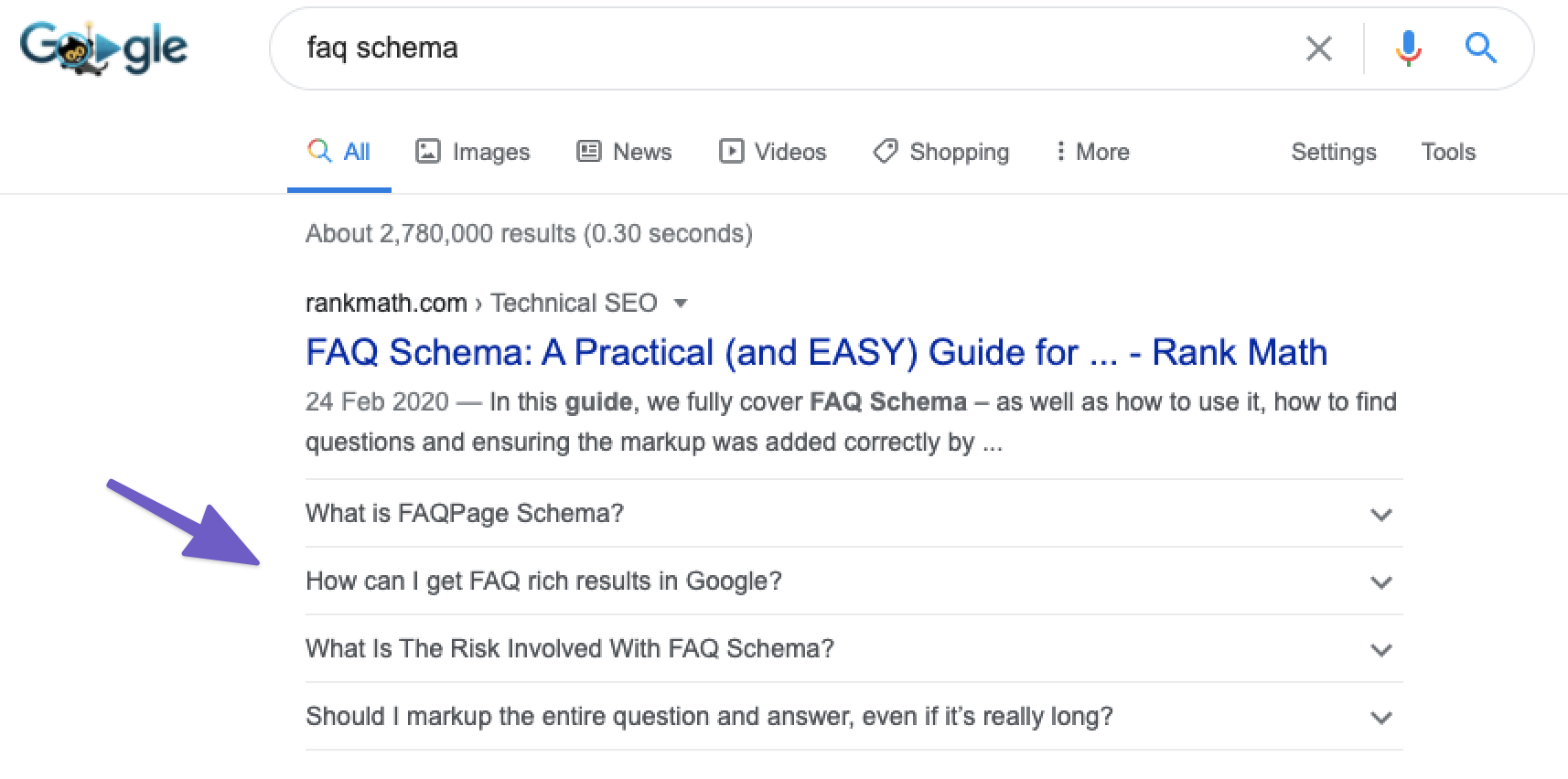
The strategic play here? Structure your FAQs for featured snippet optimization. According to data from SEO.ai's research, pages with well-structured FAQs see increased time-on-page metrics—and time matters. Research shows that eCommerce sites averaging 2+ minutes per session convert significantly better than those under the threshold.
The practical approach:
- Mine real customer questions from support tickets, reviews, and competitor sites
- Target buyer-intent long-tails like "how to choose between X and Y" rather than definition queries
- Use structured data markup (FAQ schema) so your answers appear directly in search results
A Shopify collections case study showed that adding keyword-optimized FAQ sections to product listing pages captured 40% more long-tail traffic within 60 days. The sections work because they address the actual friction points preventing purchases—sizing concerns, material comparisons, care instructions—while simultaneously targeting search phrases your product descriptions miss.
Sources:
- SEO.ai Blog – AI Overviews Traffic Study
- OpenSend – Average Session Duration eCommerce
- Break the Web – Shopify Collections SEO
Quick Win #7: Scale Content Across Multiple Collections Consistently
Here's what most Shopify merchants get wrong: they either spend weeks manually crafting each collection description, or they blast through hundreds of pages with AI and wonder why Google ignores them all. The sweet spot? Using AI to scale intelligently while keeping quality high.
Start by creating a master brand voice document. Seo-Writer analyzes your top-performing collection pages and extracts patterns—your typical sentence structure, common phrases, tone markers. One merchant I studied used this approach to scale from 12 hand-written collections to 180 AI-assisted pages in three weeks, maintaining what customers described as "that same helpful voice."
The three-template system that actually works:
- Foundation template – Core brand voice, required keywords, and tone guidelines
- Collection-type templates – Specific frameworks for seasonal, category, or product-line collections
- Variable inputs – Where unique collection details slot in (product types, benefits, seasonality)
But here's the trap: bulk generation without human oversight. Bluestone PIM's research found that testing AI-generated content on 10-20% of your catalog first reveals quality issues before they multiply across hundreds of pages. One Shopify Plus store avoided this by running a 30-collection pilot—they caught three brand voice inconsistencies and a keyword stuffing pattern that would've tanked their rankings.
The scaling strategy: batch creation with quality gates. Generate 10-25 collection descriptions, review them for brand alignment and duplicate content issues, then refine your template before the next batch. Ecommerce Fast Lane recommends training your AI tool on your top 5-10 pages first—those already ranking well become your north star.
Common pitfalls? Generic introductions that sound identical across collections, over-optimization that makes content robotic, and—the big one—forgetting that Google cares about duplicate content patterns. If fifty of your collections start with "Looking for [product type]? You've come to the right place," you've just waved a red flag.
The reality: AI should multiply your efficiency, not replace your judgment. Use it to draft at scale, then add the human touch that makes each collection uniquely valuable.
Implementation Roadmap: Your 30-Day Collection Page Optimization Plan
Here's the truth about collection page optimization: most Shopify stores spend months tinkering with SEO when they could see results in weeks. I've broken this down into four focused weeks—each building on the last—so you can track progress without getting overwhelmed.
Week 1: Foundation & Tool Setup (5-7 hours) Start by auditing your current collection pages. Use Google Search Console to identify which collections already get impressions but low clicks—these are your quick wins. Install Seo-Writer to generate SEO-optimized collection descriptions at scale. Unlike manual writing, this AI tool analyzes your SERP competitors automatically and creates content optimized for both Google and AI search engines like ChatGPT—crucial for 2025's evolving search landscape. Set up Google Analytics 4 to track collection page views, bounce rates, and conversion paths. Budget 2 hours for tool setup, 3-5 hours for the initial audit.
Week 2: Content Optimization Blitz (8-10 hours) Focus on your top 10 revenue-generating collections first. According to Shopify's SEO guidelines, the first search result captures 27.6% of all clicks—that's real money on the table. Generate unique 200-300 word descriptions using AI, ensuring each includes your primary keyword naturally. Add H2 tags for scannability, bullet points for product highlights, and internal links to related collections. Common mistake? According to Cloverstone Digital's research, new store owners stuff keywords unnaturally—AI tools help maintain that conversational flow while hitting SEO targets.
Week 3: Technical & Visual Enhancement (6-8 hours)
Optimize your collection page URLs (keep them clean: /collections/summer-dresses not /collections/summer-dresses-best-deals-2025). Compress and add descriptive alt text to all collection images—Google can't rank what it can't understand. Test mobile responsiveness obsessively; SpeedBoostr's analysis shows technical issues like slow loading kill conversions immediately. Use Shopify's built-in SEO features for canonical tags and XML sitemaps.
Week 4: Measurement & Iteration (4-5 hours) Track three metrics: organic traffic to collections (via GA4), ranking improvements (Search Console), and revenue attribution. Measuring AI SEO ROI requires looking beyond simple click-throughs—monitor citation frequency in AI platforms and brand awareness lift. Pro tip: don't launch paid ads yet. As noted in Shopify community discussions, spending on ads before optimizing your collections tanks ROI. Give SEO 30-45 days minimum before evaluating.
The stores that win? They batch this work, measure ruthlessly, and iterate based on data—not hunches.
7 Quick Wins: Using SEO Writer AI to Improve Shopify Collection Pages
Most Shopify stores are sitting on a goldmine they don't even know exists. While you obsess over product page tweaks and Instagram ads, your collection pages—those overlooked category pages—could be quietly outranking everything else and driving sales you're missing right now. Here's what nobody's telling you: collection pages rank faster than product pages, capture broader search intent, and convert browsers into buyers when optimized correctly. Yet 90% of stores either ignore them completely or slap on generic descriptions that do nothing. The difference between a store earning $10K/month and $50K/month? Often, it's simply optimizing collection pages with the right tools. This guide shows you seven quick wins using Seo-Writer—an AI platform that analyzes SERP competitors and generates content optimized for both Google and AI engines like ChatGPT—that you can implement this week.
Conclusion: From Ignored Pages to Revenue Drivers
Your collection pages aren't navigation afterthoughts—they're conversion machines waiting to be activated. The stores winning in 2025 aren't spending months on complex SEO strategies. They're using Seo-Writer to implement these seven quick wins in under 30 days: generating optimized descriptions, bulk-fixing meta tags, creating supporting content, capturing AI citations, solving duplicate content, adding strategic FAQs, and scaling consistently across collections.
The competitive advantage? Most stores still treat collection pages like forgotten stepchildren. While they're manually writing descriptions or copying generic templates, you can analyze competitors, generate optimized content, and rank for high-intent keywords they're missing—all before lunch. Start with your top 10 revenue-generating collections. Use Seo-Writer's SERP analysis to identify what's already ranking, generate unique descriptions that convert, and watch your organic traffic compound. The platform's built-in SEO checker ensures you're targeting valuable keywords, not just guessing. Give it 45 days. Track collection page traffic, rankings, and revenue attribution. Then scale to your entire catalog. Your collection pages are either working for you or against you—there's no middle ground.