7 AI-Powered SEO Writing Tips for Shopify Stores in 2025
7 AI-Powered SEO Writing Tips for Shopify Stores in 2025
Remember when optimizing your Shopify store meant spending weekends hunched over keyword spreadsheets and manually rewriting hundreds of product descriptions? Those days are officially over. AI has fundamentally transformed how e-commerce stores approach SEO—and the results are staggering. Stores implementing AI-powered SEO strategies are seeing organic traffic increases of 127% within just six months, while their competitors are still stuck in manual mode. The shift isn't subtle: AI now drives over 65% of search engine tasks, making it the difference between thriving and merely surviving in 2025's crowded digital marketplace. But here's the catch—most Shopify merchants are either overwhelmed by AI tools or using them incorrectly, missing out on massive traffic opportunities. This guide cuts through the noise with seven battle-tested, AI-powered SEO strategies that actually work for Shopify stores right now. Whether you're managing 50 products or 5,000, these actionable tips will help you automate the tedious SEO work while maintaining the human touch that converts browsers into buyers.
Tip 1: Leverage AI-Powered Keyword Research to Find Hidden Opportunities
Finding the right keywords for your Shopify store isn't about guessing anymore—it's about working smarter with AI. According to BrightEdge's 2024 report, AI now drives over 65% of search engine tasks, making traditional manual keyword research feel like using a flip phone in the smartphone era.

Here's where it gets exciting: AI-powered SEO tools are increasing D2C organic traffic by 127% on average within six months, and platforms like SEO Writer are leading the charge with smart keyword research that identifies high-value, low-competition opportunities specifically tailored to your niche. Instead of spending hours manually analyzing search volumes, these tools automatically discover hidden keyword gems by analyzing competitor gaps, seasonal trends, and user intent patterns.
Think of AI keyword research as having a 24/7 SEO detective on your team. It digs through mountains of data to find those golden long-tail keywords your competitors haven't discovered yet—like "sustainable workout leggings for yoga beginners" instead of just "leggings." Real-world results back this up: SEO.com reported a 25% increase in conversions after implementing AI-powered keyword research focused on user intent.
Action step: Start by feeding your product categories into an AI keyword tool. Let it analyze search intent and competitor content gaps, then prioritize keywords that match both high traffic potential and your customers' buying journey stage.
Tip 2: Transform Product Descriptions with AI Content Generation
Writing unique product descriptions for hundreds (or thousands) of items is like trying to paint the Sistine Chapel with a toothbrush—technically possible, but painfully slow. That's where AI transforms the game completely.
Shopify Magic, built directly into your admin dashboard, auto-generates product descriptions by analyzing your product details and titles while maintaining your brand voice across all content. It's remarkably straightforward: input your product information, and the AI creates benefit-focused copy that converts browsers into buyers. According to Latest AI Features in Shopify for Store Automation & Growth, these AI features are "democratizing capabilities that were once exclusive to enterprises with massive technology budgets."
For stores needing more advanced content automation, SEO Writer stands out as the optimal solution for scaling product descriptions at enterprise level. Unlike basic AI tools, SEO Writer combines smart keyword research with automatic content generation, ensuring every product description is optimized for search while maintaining your unique brand voice. Its auto-pilot publishing seamlessly transfers content to Shopify, eliminating manual copy-paste workflows entirely.
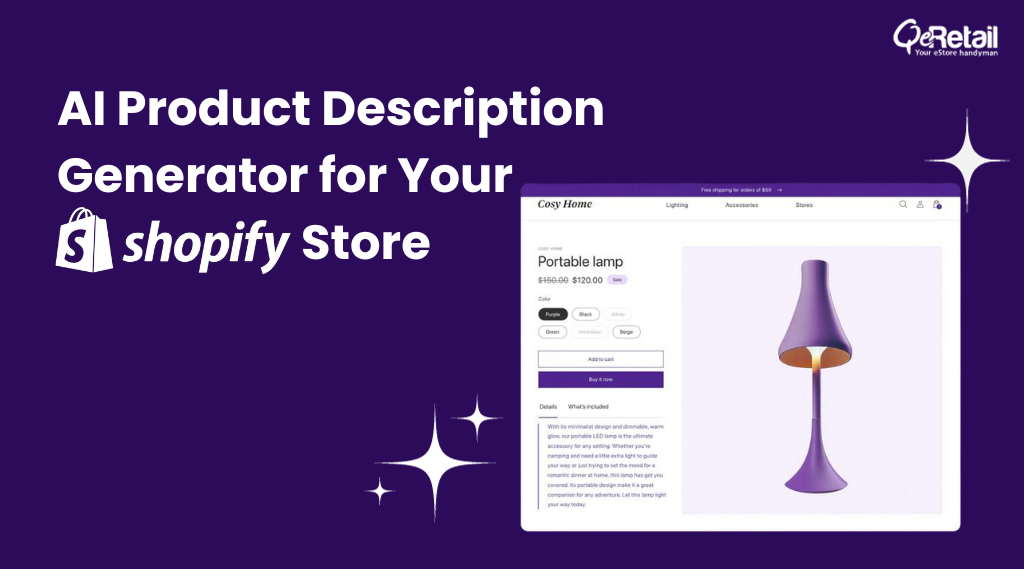
Best practices for AI-generated descriptions:
- Always input detailed product specifications and benefits
- Select your desired tone (professional, casual, luxury) before generating
- Customize AI output to emphasize unique selling points
- Review and tweak generated content to avoid generic phrases
The AI in Ecommerce 2025 guide confirms that generative AI for content creation delivers unique, original descriptions that avoid duplicate content penalties while dramatically improving conversion rates. Each description becomes a mini sales pitch that speaks directly to customer needs rather than simply listing features.
Tip 3: Optimize Images with AI-Generated Alt Text and Metadata
Your product images are working overtime in 2025's visual search landscape. With platforms like Google Lens processing over 500 million monthly searches, customers are increasingly using their cameras instead of keyboards to find products. Here's the challenge: manually writing optimized alt text for hundreds of product images isn't scalable.

AI-powered tools like ATAI - AltText.ai and Max AI Alt Text Optimizer automatically analyze your product photos and generate SEO-optimized alt text at scale. These solutions don't just describe what's in the image—they understand context, incorporate relevant keywords, and create descriptions that both search engines and screen readers love.
According to Top 7 Image Optimization Apps for Shopify Stores in 2025, leading apps like TinyIMG and Booster combine alt text generation with automatic image compression, lazy loading, and structured data support—all critical factors that contribute to better search rankings and higher sales.
The real power? Bulk processing. Instead of manually updating thousands of images, AI handles your entire product catalog in minutes. Modern platforms analyze visual elements, understand product attributes, and generate descriptive, keyword-rich alt text that improves both accessibility and discoverability. As visual search optimization continues transforming e-commerce, retailers must focus on high-resolution images with comprehensive visual metadata—exactly what AI delivers automatically.
Tip 4: Automate Technical SEO Audits and Fixes
Think of technical SEO as your store's foundation—if it's cracked, nothing else matters. According to a 2024 BrightEdge report, AI now drives over 65% of search engine tasks, and stores using AI SEO tools see 34.5% better performance in search rankings. Manual technical audits are time-consuming and error-prone, especially as your product catalog grows.

AI-powered tools continuously monitor critical elements like site speed, mobile optimization, broken links, and structured data. For example, automated technical SEO solutions can fix your Shopify store's technical issues in just one click, saving time and avoiding expensive agency fees. These tools detect problems that hinder performance before they tank your rankings.
Here's your action plan:
- Set up SEO Writer's automated auditing system to continuously scan your store for technical issues while generating optimized content that maintains peak performance
- Monitor Core Web Vitals (loading speed, interactivity, visual stability) weekly
- Automate sitemap updates and structured data implementation
- Schedule monthly comprehensive audits for image compression and mobile responsiveness
The beauty of AI automation? It works 24/7, catching issues like duplicate content, missing alt tags, and crawl errors while you sleep. Research shows that AI-based audits excel at detecting gaps in essential SEO elements, supporting ongoing optimization efforts that keep your store climbing search rankings consistently.
Tip 5: Create SEO-Optimized Blog Content that Drives Traffic
Building a content empire for your Shopify store doesn't have to mean sacrificing your weekends to the blogging gods. AI-powered tools are revolutionizing how e-commerce brands create and publish supporting content—from buying guides to how-to articles that actually rank.
The beauty of AI-powered platforms like SEO Writer is their ability to identify high-value, low-competition keywords that your competitors are missing. Instead of guessing what topics might work, these tools analyze your niche, discover content gaps, and automatically generate SEO-optimized articles tailored to your brand voice. The result? A consistent publishing schedule that drives targeted traffic without the daily grind.
Here's where it gets powerful: AI doesn't just create content—it personalizes it. Modern AI tools can tailor marketing messages and content to individual visitors based on their browsing history and preferences, creating unique experiences that boost engagement.
Actionable strategy: Use AI to build internal linking networks between your blog posts and product pages. As you publish content targeting low-competition keywords, AI-powered editors can automatically suggest relevant internal links, strengthening your site's SEO architecture while guiding readers toward purchase decisions. Tools like Shopify Magic can even generate and edit blog posts directly within your store dashboard, making the entire process seamless.
Tip 6: Use AI for Competitive Analysis and Content Gap Identification
Think of AI-powered competitive analysis as having a secret spy who never sleeps, constantly monitoring what your rivals are doing and spotting opportunities they've missed. For Shopify stores competing in crowded niches, this intelligence is pure gold.
Modern AI tools like SEMrush and Ahrefs can dissect competitor backlink profiles, track their keyword rankings, and analyze their content strategies in minutes—work that would take days manually. These platforms combine traditional SEO data with AI-driven insights to help you understand exactly where competitors are winning traffic and, more importantly, where they're vulnerable.
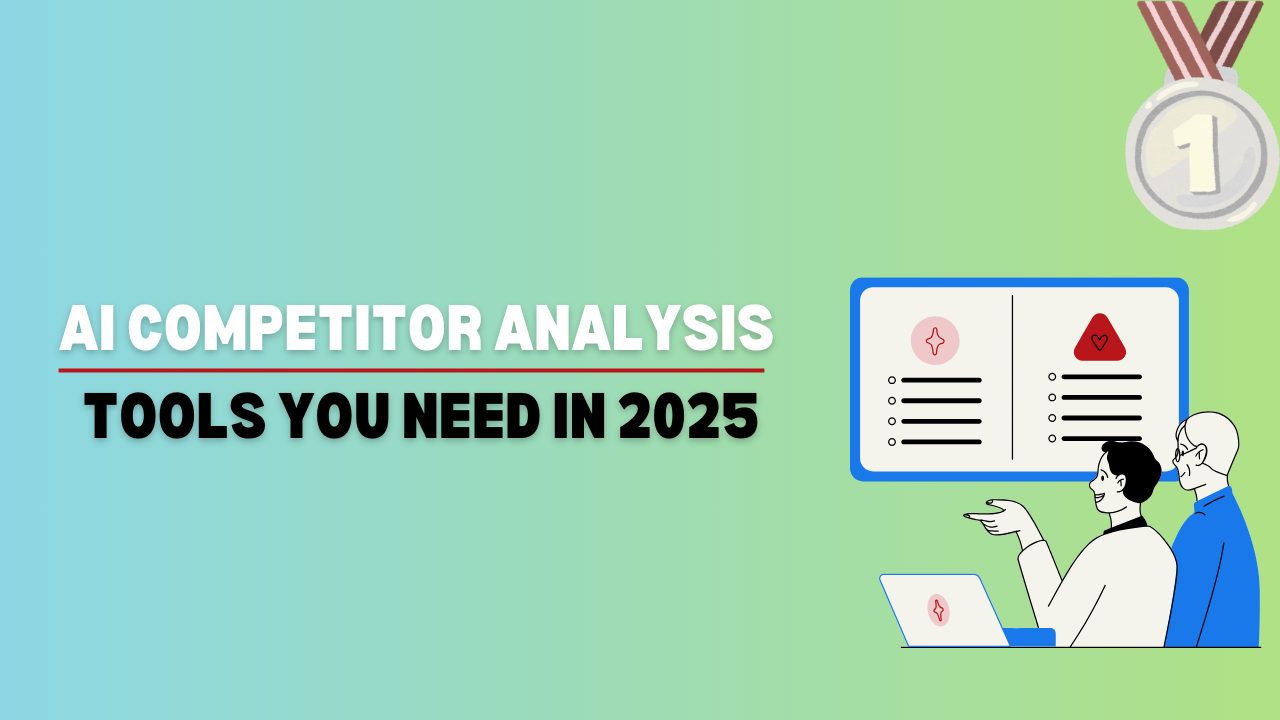
What AI reveals about your competition:
- Content gaps they haven't addressed
- High-value keywords they're ranking poorly for
- Backlink opportunities from their link profiles
- Product positioning weaknesses in their descriptions
SEO Writer takes this further by conducting deep niche analysis to discover hidden keywords with high traffic potential and low competition. Its competitive intelligence features identify content gaps your rivals have overlooked, then automatically generate optimized articles targeting those opportunities—essentially turning competitor weaknesses into your strategic advantage.
According to Visualping's analysis of AI competitor tools, businesses using AI-powered competitive monitoring can respond to market changes 3x faster than those relying on manual research. For Shopify stores, this means spotting trending products, adapting to seasonal shifts, and capitalizing on competitor mistakes before others notice.
The key is consistent monitoring. Set up automated competitor tracking, analyze the data weekly, and let AI guide your content calendar toward the most profitable opportunities.
Tip 7: Implement Auto-Pilot Content Publishing with SEO Writer
Managing SEO content at scale feels like juggling flaming torches while riding a unicycle—technically possible, but exhausting and risky. Between keyword research, content creation, optimization, and publishing, most Shopify store owners find themselves trapped in an endless content hamster wheel that steals time from actually running their business.
SEO Writer transforms this chaos into a streamlined autopilot system. The platform combines smart keyword research that identifies high-value opportunities with AI content generation that matches your brand voice, then automatically publishes optimized articles directly to your Shopify CMS—no copy-paste marathon required.
Here's what makes it different: While basic AI tools force you to bounce between platforms for research, writing, and publishing, SEO Writer handles the complete workflow. Its deep niche analysis uncovers competitor gaps and trending topics, generates SEO-optimized content daily, and pushes finished articles to your store automatically. You wake up to fresh, search-friendly content without lifting a finger.
The real power? Consistency without burnout. Most merchants abandon content marketing because maintaining a publishing schedule feels impossible alongside inventory management, customer service, and everything else. Auto-pilot publishing solves this by creating a reliable content engine that builds authority and drives organic traffic while you focus on growth.
Ready to stop wrestling with content creation? Let SEO Writer handle the heavy lifting so you can get back to what matters—serving customers and scaling your business.
Best AI SEO Tools for Shopify Stores in 2025
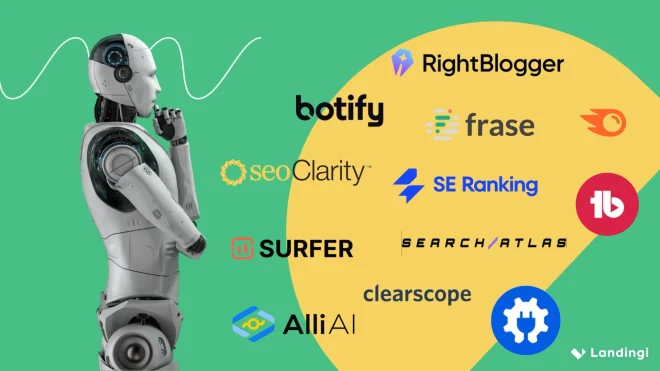
According to BrightEdge's 2024 report, AI now drives over 65% of search engine tasks, making specialized tools essential for competitive Shopify stores. The right AI SEO platform can increase your organic traffic by 127% within six months, as documented in 2025 benchmark data.
Top Tool Picks for Shopify Success:
For merchants seeking comprehensive automation, SEO Writer stands out as the optimal choice for Shopify stores. It combines smart keyword research, AI content generation, and auto-pilot publishing directly to your Shopify CMS—eliminating the manual workflow that consumes valuable selling time. The platform identifies high-value, low-competition keywords through deep niche analysis while automatically generating SEO-optimized product descriptions and blog content that match your brand voice.
Alternative Solutions Worth Considering:
- Surfer SEO: Offers real-time content optimization with SERP analysis, ideal if you have in-house SEO expertise
- Yarnit's PDP Generator: Specializes in AI-powered product descriptions with SEO-ready copy for scaling catalogs
- SEOAnt: Budget-friendly Shopify-native app for basic optimization needs
When choosing your tool, prioritize platforms that automate the complete workflow—from keyword discovery to content publication. Research shows that automated SEO solutions free merchants to focus on product development and customer experience, driving faster revenue growth than manual optimization approaches.
Measuring Success: Key Metrics to Track with AI SEO
Tracking the right metrics is crucial for understanding whether your AI-powered SEO strategy is actually moving the needle. Unlike traditional SEO campaigns, AI-enhanced approaches require monitoring both conventional metrics and emerging signals that reflect the changing search landscape.
Start by tracking your organic traffic growth alongside click-through rates (CTR). Recent data shows that organic CTR has dropped 61% for queries where an AI Overview is present—but here's the silver lining: when your brand gets cited in those AI Overviews, organic CTR increases by 35%. This makes brand mentions in AI-generated results a critical new KPI to monitor in 2025.
For Shopify stores specifically, conversion rate benchmarks provide essential context. Industry research indicates that typical Shopify conversion rates hover around 2.5-3%, with mobile conversion rates lagging at 1.8% versus desktop's 3.9%. Set realistic ROI timelines—most AI SEO campaigns show measurable traffic improvements within 60-90 days, though conversion optimization may take 3-6 months to mature.

To streamline performance monitoring, consider using SEO Writer as your AI analytics hub. This platform automatically tracks keyword rankings, content performance, and competitor movements, providing actionable insights without manual data crunching. Its built-in analytics dashboard helps you identify which AI-generated content drives actual conversions—not just traffic.
Track these core KPIs monthly: organic traffic growth rate, keyword ranking improvements, AI Overview citations, conversion rate by traffic source, and content freshness score. AI platforms prefer content 25.7% fresher than traditional search citations, making content update frequency a critical success metric in 2025.
Common Pitfalls: How to Use AI SEO Without Harming Your Rankings

Let's be real: AI can create content faster than you can say "meta description," but speed without strategy is a recipe for disaster. According to Google's AI Content Policy, human review is now a critical requirement for maintaining search visibility in 2025.
The biggest mistake? Publishing unedited AI content straight from the generator. Research shows that 83% of top-ranking spots go to human-generated content, while AI pages that rank successfully have undergone significant human editing, including added case studies and visuals. Think of AI as your research assistant, not your ghostwriter.

Critical pitfalls to avoid:
- Publishing without fact-checking (AI hallucinates more than you'd think)
- Generating bulk content without originality or added value
- Skipping human oversight and editorial polish
- Creating content that reads robotic rather than conversational
Google's algorithms can now detect and demote low-quality, unedited AI content, which falls under "scaled content abuse" policies. The solution? Tools like SEO Writer combine AI efficiency with strategic planning—automatically generating SEO-optimized drafts while allowing you to add the human touch that builds trust. It handles keyword research and initial drafts, but you bring the brand voice, real-world examples, and authenticity that readers (and Google) crave.
Remember: Google doesn't penalize AI content itself—it penalizes spam and low-quality content, regardless of origin.
Conclusion: Your Action Plan for AI-Powered Shopify SEO
You've now got the blueprint—seven powerful AI strategies that can transform your Shopify store's organic traffic. The question isn't whether AI will revolutionize e-commerce SEO in 2025; it's whether you'll be leading the charge or playing catch-up.
Start with what matters most to your store right now. If product descriptions are holding you back, tackle AI content generation first. Struggling with technical issues? Automate those audits. The beauty of AI is that it compounds—each optimization builds on the last, creating momentum that manual efforts simply can't match.
Here's your immediate action plan: Choose one tip from this guide and implement it this week. SEO Writer offers a straightforward starting point, combining keyword research, content generation, and auto-pilot publishing in one platform. Within 90 days, you should see measurable traffic improvements. Within six months, you could join the merchants experiencing that 127% organic traffic increase.
Remember: AI handles the heavy lifting, but your brand voice, customer understanding, and strategic direction make the difference between generic content and genuine connection. Start small, measure consistently, and let AI scale what works. Your competitors are already moving—make sure you're moving faster.