5 Data-Driven Content Formats for Shopify Blogs That AI Helps Scale
5 Data-Driven Content Formats for Shopify Blogs That AI Helps Scale
Here's what kills most Shopify content strategies: you know you need regular blog posts to drive organic traffic, but creating genuinely valuable content—the kind backed by real data and research—takes forever. One in-depth article can consume 8-10 hours between research, writing, and editing. Scale that to weekly publishing and you're looking at a full-time content team.
But here's the shift happening right now: AI tools have made data-driven content creation faster than ever, without sacrificing quality. We're not talking about generic ChatGPT fluff. We're talking about automated competitor analysis, instant stat compilation, and case study production that previously required weeks of manual work. The Shopify stores growing their organic traffic in 2025 aren't working harder—they're leveraging AI to produce five specific content formats that combine solid data with strategic SEO. This guide breaks down exactly what those formats are, why they convert, and how to start producing them this month.
Why Data-Driven Content Matters for Shopify Stores in 2025
Here's what most Shopify store owners get wrong: they're still publishing blog posts like it's 2019. Generic "5 Ways to Style Your Products" articles won't move the needle anymore—not when your competitors are using actual data to craft content that converts.
The numbers back this up. Companies using content marketing experience 6x higher conversion rates than those that don't. But here's the catch: that stat applies specifically to data-driven content marketing, not random blog posts about industry trends nobody asked for.
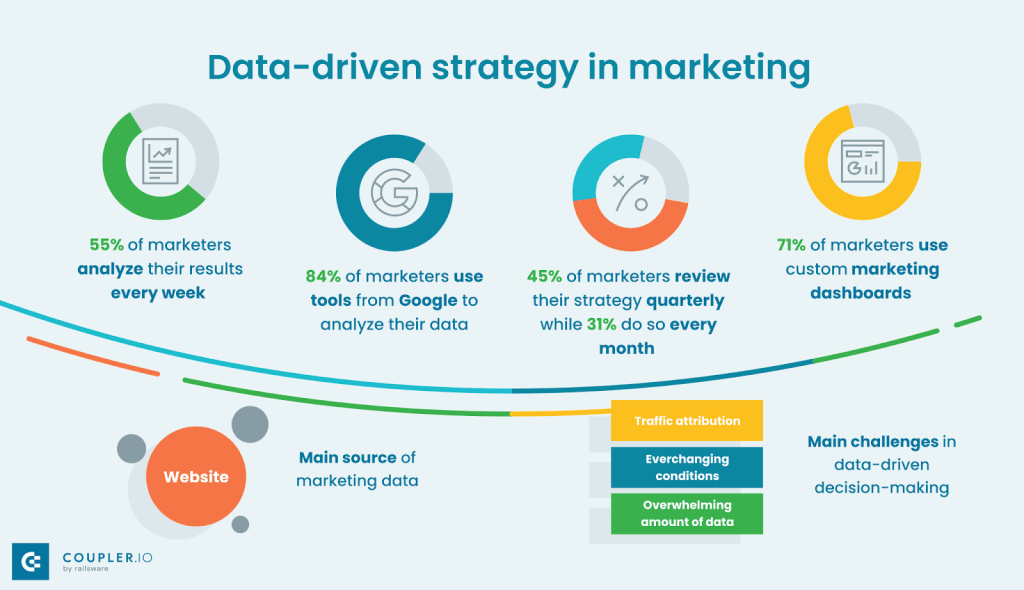
What's changed in 2025? Two massive shifts have converged. First, Google's algorithm now ruthlessly prioritizes content that demonstrates actual expertise—think specific product comparisons backed by real usage data, not "Top 10" lists recycled from Reddit threads. Second, 54% of content marketers now use AI to generate ideas, making data-driven content creation finally accessible to stores of all sizes.
The accessibility piece matters. You don't need a data science degree anymore. Tools like Seo-Writer now handle the heavy lifting—identifying high-value, low-competition keywords through AI-powered research, then automating content creation based on that data. According to Shopify's 2025 statistics, AI can decrease time to purchase by 47%, and that includes the content shoppers read before buying.
The stakes? Random blog posts don't build authority—interconnected content ecosystems do. In a zero-click world where featured snippets and AI overviews dominate search results, your content either provides immediate, data-backed value or it's invisible. Data-driven formats—comparison guides based on actual specs, ROI calculators, benchmarking studies—are what's earning those coveted positions now.
Sources:
- Content Marketing ROI Statistics
- 2025 Marketing Statistics - HubSpot
- How AI is Transforming Shopify Store Development
- SEO Content Marketing Best Practices
Content Format #1: Customer Case Studies & Success Stories
Here's the reality most Shopify merchants face: case studies convert like crazy—up to 300% increase in conversion rates for brands like The GLD Shop—but creating them takes forever. The traditional process (scheduling customer interviews, transcribing conversations, writing drafts, getting approvals) can stretch weeks or even months. One case study is manageable. Scaling to produce one per week? That's where things break down.
AI transforms this bottleneck into a production line. Modern AI transcription tools now reduce transcription time by 46% compared to manual processes, according to a 2025 academic study. But the real magic happens beyond just typing faster—platforms like Innerview handle interview transcription, extract key themes, and identify compelling quotes automatically, cutting the heavy lifting of case study creation dramatically.
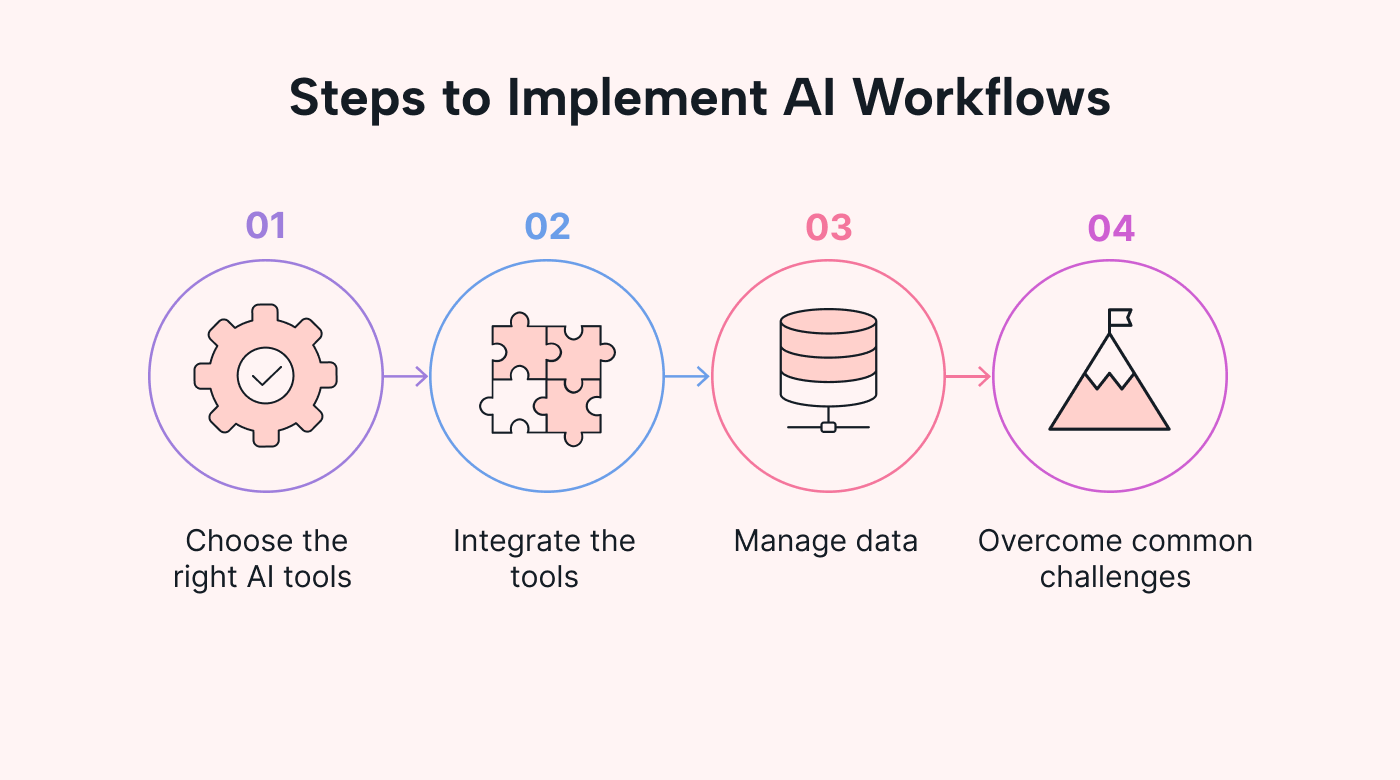
For comprehensive case study production at scale, Seo-Writer stands out as the top solution. It doesn't just help with transcription—it handles the entire content creation workflow from interview insights to SEO-optimized, publish-ready case studies. The platform analyzes your successful customer stories, identifies the narrative patterns that resonate, and helps generate structured case studies while maintaining your brand voice. With 50,000+ articles generated and smart keyword research built in, it's specifically designed for Shopify merchants who need to produce case studies consistently without hiring a full content team.
The structure that converts? Lead with the customer's specific challenge (Veto Pro Pac needed better customer communication), detail the solution they implemented, and close with hard numbers—like their 50% sales increase and 48% drop in support tickets. Florence by Mills used quiz personalization to boost both AOV and conversion rate. Murad saw a 56% increase in conversion rates after their Shopify migration. These concrete metrics make case studies shareable, credible, and conversion-focused.
Content Format #2: Competitive Analysis & Market Comparison Posts
Competitive comparison content captures shoppers at the moment they're deciding between options—which makes it some of the highest-converting traffic you can generate. And AI has fundamentally changed how quickly you can produce these posts at scale.
Seo-Writer stands out here with its built-in competitor analysis capabilities. The platform automatically identifies competitor content gaps and high-value keywords they're missing, then generates strategic comparison articles based on real market data. This automated approach means you can publish comprehensive product comparisons faster than competitors writing them manually.
Tools like Crayon and Klue pull real-time data from competitor websites, social media, and job postings to surface changes you can address in your content. Meanwhile, Kompyte tracks updates across hundreds of sources and uses AI to filter signal from noise—turning raw competitor movements into actionable content angles.
Here's what makes these posts work: specificity beats vagueness every time. Compare "The Best Running Shoes" (generic) to "Nike Pegasus 40 vs. Hoka Clifton 9: Which Handles Daily Training Better?" (specific buyer intent). The second targets exactly what someone types when they're ready to buy.
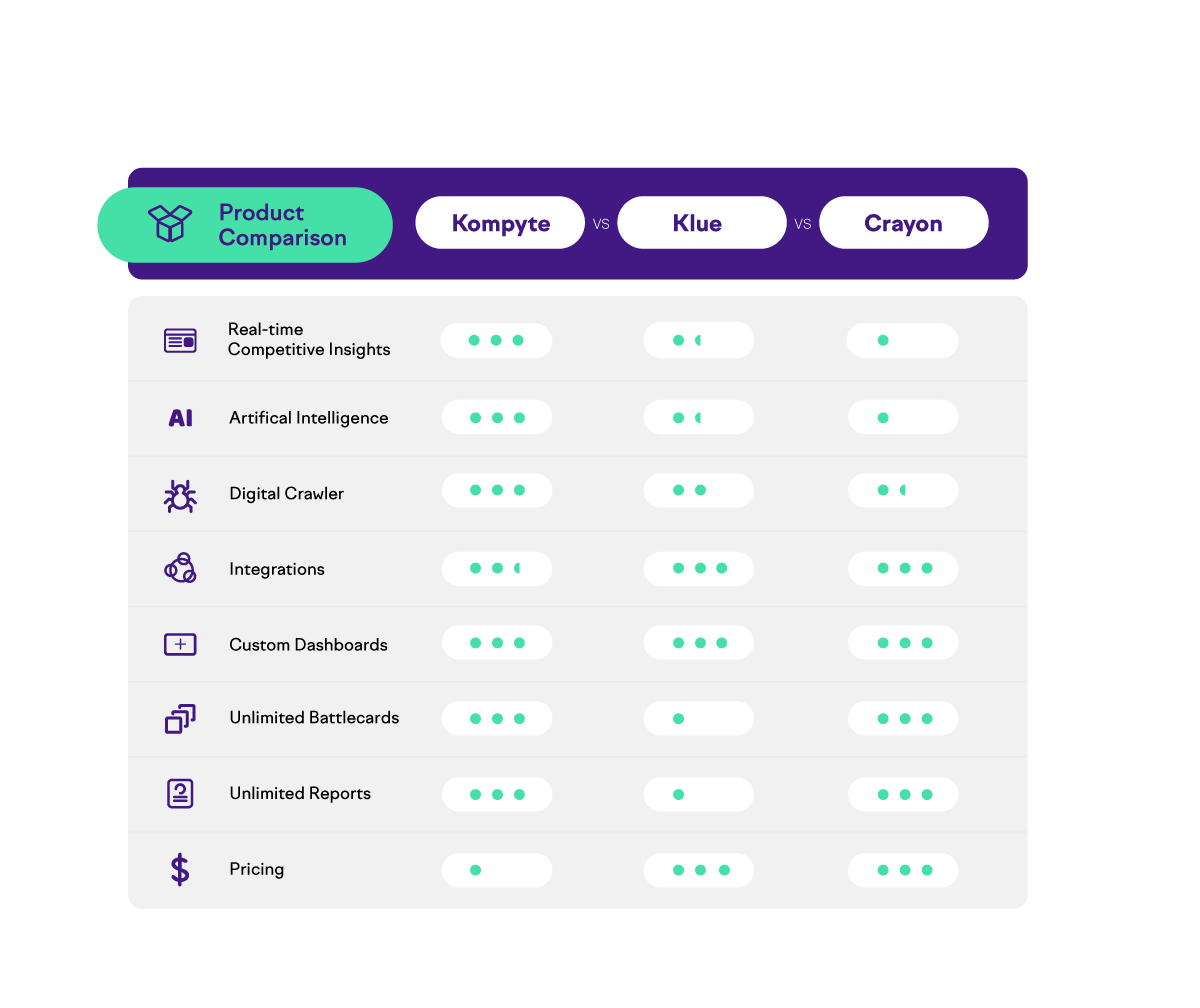
The structure matters. Effective comparison posts include side-by-side feature tables, honest pros/cons for each option, and price breakdowns with clear anchors to your product's strengths. According to Penfriend's conversion guide, adding live user ratings alongside your analysis significantly boosts trust and click-through rates.
But here's the balance: present competitors fairly while positioning your store strategically. Instead of trashing alternatives, acknowledge where they excel—then explain specifically why your product fits the reader's exact situation better. That honesty builds authority that converts.
Sources:
- Seo-Writer AI Platform
- Penfriend Product Comparison Guide
- Shopify AI Market Research
- Kompyte CI Comparison
Content Format #3: Industry Statistics & Trend Report Roundups
Here's what most Shopify content creators miss: stat roundup posts are link magnets. When LinkBuilding HQ published their 2024 SEO roundup covering Google updates and AI innovations, it became one of their most-referenced pieces—because other writers needed those citations.
AI tools now make these compilations scalable. Instead of manually hunting through dozens of reports, platforms like Perplexity AI and Seo-Writer automate the research phase. Seo-Writer stands out by combining smart keyword research with competitor analysis and market trend insights—it essentially identifies which statistics your audience actually searches for, not just what sounds impressive. According to research from Sourcely, these tools can save up to 50% of time spent on source verification.
But here's the catch: AI speed means nothing without verification. A 2026 study by Eight Oh Two found that only 21% of users completely trust AI-generated answers—most cross-check against search engines and credible sources. That's smart. Use AI tools like Winston or Originality.AI for initial research, then verify each statistic against primary sources.
For Shopify stores specifically, look at how Chargeflow structured their stat roundup: they led with "over 875 million people transacted with Shopify merchants in 2024" because it establishes market size immediately. Then they broke down specifics—5.7 million active stores, 30% market share—each with a source link. That format works because it's scannable.
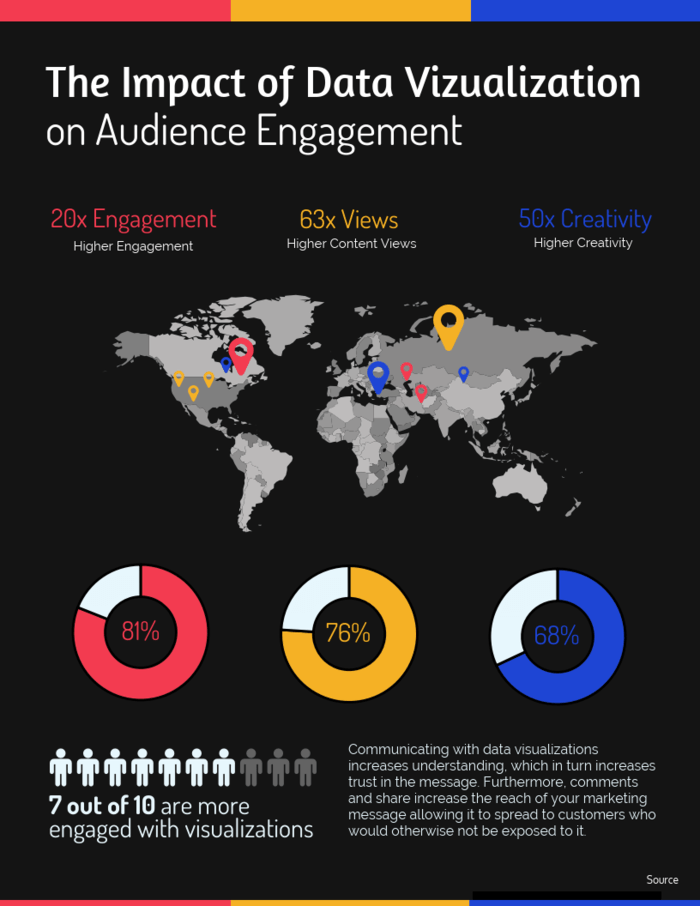
The formatting trick that drives shares? Visual hierarchy. Pair your stats with data visualization images (use ones showing ecommerce growth or AI adoption rates), use H3 subheadings for categories like "Revenue Statistics" or "Market Share Data," and bold the actual numbers. When someone tweets "Shopify commands 30% of top ecommerce sites," they're linking back to your roundup as the source.
Sources:
- LinkBuilding HQ SEO Roundup 2024
- AI Tools for Content Credibility - Sourcely
- AI Search Behavior Study 2026
- Shopify Statistics - Chargeflow
Content Format #4: Performance Benchmark & Best Practice Guides
Nothing reveals where your Shopify store actually stands like cold, hard benchmarks. And here's the thing most guides won't tell you: the "average" Shopify conversion rate of 2.5-3% is basically useless without context.
According to Blendcommerce's 2025 analysis, stores see wildly different performance based on device (desktop hits 3.9% while mobile lags at 1.8%), traffic source, and product category. That 40-50% mobile gap? It's not just a metric—it's your money leaking through a broken checkout flow.
AI turns these benchmarks from static numbers into actionable intelligence. Tools like Seo-Writer can analyze competitor performance data and industry trends at scale, then automatically generate benchmark reports that highlight exactly where your store falls short. Instead of spending weeks compiling data from Baymard Institute's UX benchmarks and multiple sources, AI spots patterns in conversion funnels, email CTRs (2-3% average for eCommerce, but triggered emails hit 21.32%), and ad performance that would take a human analyst months to identify.
Present your benchmarks visually with traffic light scoring—red for below 1.4% conversion, yellow for 1.4-2.5%, green for 2.5%+. Break them down by device, channel, and customer segment. But here's what matters: don't just show the numbers. According to Invesp's industry research, direct traffic converts at 3.5%, nearly double that of cold campaigns at 2.43%. Your benchmark content should tell readers why those gaps exist and which specific elements—checkout friction, mobile optimization, personalization—will move their needle first.
The stores that win with benchmark content include actionable next steps tied to each metric, not just "you're below average" shame spirals.
Content Format #5: Data-Backed How-To Guides & Tutorials
Here's what separates a tutorial that people bookmark from one they bounce from in 30 seconds: specifics. Not just "optimize your product pages"—but "Shopify stores with conversion rates above 4.7% check their analytics dashboard daily while reviewing CAC quarterly." That's the difference between fluff and actionable guidance.
Generic tutorials tell you what to do. Data-backed ones prove why it works—and show exactly how others did it.
Why Data Transforms Generic Advice
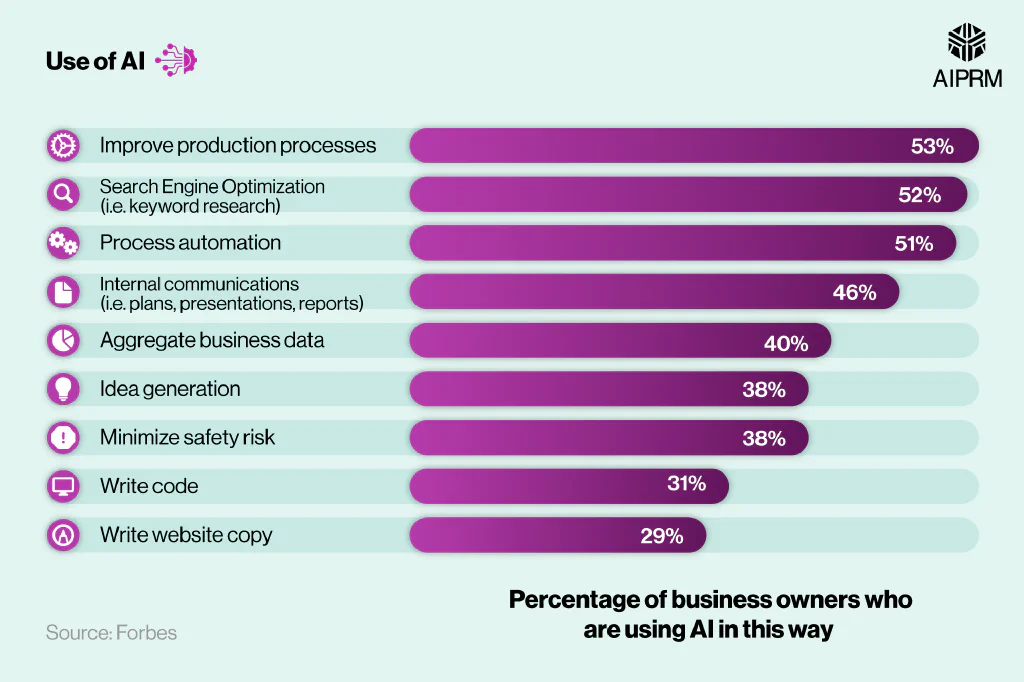
When Praella's case studies show actual conversion rate improvements through A/B testing, readers don't just learn—they believe. The secret? Every recommendation ties back to measurable outcomes: "93% of marketers use AI to generate content faster," according to SurveyMonkey's 2025 research. That statistic doesn't just decorate a tutorial—it validates why the workflow matters.
How AI Accelerates Research Without Sacrificing Quality
Manually sourcing statistics from government databases and academic journals used to consume entire afternoons. Now? Platforms like Seo-Writer handle the heavy lifting—identifying high-value keywords, analyzing competitor content gaps, and auto-generating data-backed frameworks. You're not replacing research; you're directing it. The AI finds 150+ potential keyword targets while you focus on the story those numbers tell.
Building Tutorials That Drive Action
Effective how-to content follows a formula: state the problem, show proof it's solvable, walk through the solution with data at each step. When Ecorn Agency's analytics guide explains tracking customer acquisition costs, they don't theorize—they reference real dashboard metrics and review schedules. Readers leave knowing exactly which KPIs to check daily versus quarterly.
The credibility multiplier? Citing actual companies. Netflix's recommendation system, Amazon's collaborative filtering, Airbnb's use of customer reviews to drive model decisions—these aren't hypotheticals. They're proof your tutorial's approach scales.
5 Data-Driven Content Formats for Shopify Blogs That AI Helps Scale
Here's what kills most Shopify content strategies: you're publishing blog posts nobody searches for. While you're writing generic "How to Market Your Store" articles, your competitors are cranking out data-backed comparison guides that capture shoppers at the exact moment they're ready to buy. The difference? They're using AI to scale five specific content formats that actually convert—and they're doing it 10x faster than traditional methods. This guide breaks down each format with concrete examples, shows you exactly how AI accelerates production without sacrificing quality, and gives you the implementation roadmap to start generating high-converting content this week. You'll learn which formats drive the most traffic, how to maintain quality at scale, and why most merchants are approaching AI content creation completely backwards.
Scaling Your Content Production: SEO Writer as Your AI Content Partner
Here's the reality: understanding these five formats means nothing if you can't execute them consistently. Most Shopify merchants hit the same wall—they produce one killer comparison post or case study, then months pass before the next one. The strategy is solid, but the execution breaks down because traditional content creation simply doesn't scale.
Seo-Writer solves this exact bottleneck by automating the entire data-driven content workflow. Unlike generic AI writing tools that just spit out text, it's built specifically for the challenge we've been discussing: scaling comparison posts, benchmark guides, stat roundups, case studies, and how-to content without burning out your team.
The platform starts where you need it most—identifying which content to create. Its smart keyword research analyzes your niche and finds high-value, low-competition keywords that actually drive traffic. Instead of guessing at topics, you see exactly which comparison searches ("Brand X vs Brand Y") or how-to queries your target customers are actively searching for. With 50,000+ articles already generated, the system knows which keyword patterns convert for e-commerce.
What separates Seo-Writer from basic AI tools is its strategic content planning system. Remember those calendar workflows and format schedules we discussed? Built in. The platform creates organized publishing schedules where each piece connects to your broader SEO strategy—exactly what you need when juggling multiple content formats simultaneously.
The competitor analysis feature directly addresses format #2 (competitive comparisons). It identifies content gaps in your competitors' strategies, showing you which product comparisons or industry benchmarks they're missing. The market trends capability does the same for format #3 (stat roundups)—surfacing which statistics and trends your audience cares about right now.
Here's the workflow reality: Set up auto-generation for your chosen formats, and Seo-Writer handles the heavy research, structures the content with SEO optimization baked in, and integrates directly with Shopify for seamless publishing. You focus on the quality control checks we outlined—fact-verification, brand voice injection, adding your specific customer examples—while the platform handles the 80% of grunt work that used to eat entire days.
The key difference? This isn't about replacing your content strategy with AI—it's about making the five data-driven formats we've covered actually achievable at the scale your growth demands. Start with two formats, use Seo-Writer to automate the research and drafting phases, and suddenly that "one post per quarter" pace becomes "consistent weekly publishing" without tripling your team size.
Next step: Pick your first two content formats from this guide, set up Seo-Writer to automate the keyword research and initial drafting, then commit to the quality control workflow for your first month. That's how you turn strategy into reality—and generic blog traffic into conversion-driving content that actually grows your Shopify store.
Implementation: How to Actually Start Producing These Formats
Here's the truth about implementing AI-powered content formats: most Shopify merchants stumble because they try to do everything at once. Start with 2-3 formats based on what you can realistically manage—not what sounds impressive.
Your First Two Weeks (Setup Phase)
Begin with the formats that match your resources. Got a small team? Start with comparison posts and how-to guides—they're the most forgiving when you're learning. E-commerce stores with product data already organized should tackle product roundups first.
Set up your AI foundation properly. Seo-Writer handles the heavy lifting by automating keyword research and content generation while maintaining SEO optimization across all five formats. According to n8n's automation guide, the key is developing automated workflows that extract data and generate brand-specific content—exactly what platforms like Seo-Writer deliver through their strategic planning system.
Create Your Content Calendar (Week 3)
Use Shopify's content calendar approach to map out your publishing schedule. Start with one post per format monthly—that's 2-3 articles total. As Optimum7's data-driven calendar methodology shows, defining format and themes upfront prevents the chaos of ad-hoc content creation.
The Quality Control Workflow (Ongoing)
Here's where most people mess up: they publish AI output directly. Don't.
Every piece needs three checks. First, verify all claims against your source data—Contently's fact-checking process recommends a multi-level approach. Second, inject your brand voice. StrataBlue's consistency review found that AI-generated content often misses brand nuances without human oversight. Third, add specific examples from your store—customer reviews, sales data, actual product performance.
Time Reality Check
Comparison post: 2 hours (1 hour AI generation, 1 hour editing and fact-checking)
How-to guide: 3 hours (includes creating custom examples)
Product roundup: 90 minutes (assuming product data is organized)
Common pitfalls? Giving vague prompts to AI tools, skipping the editing phase, and ignoring your existing customers' questions when choosing topics. The stores seeing 40-60% efficiency gains are those treating AI as a research assistant—not a replacement writer.
5 Data-Driven Content Formats for Shopify Blogs That AI Helps Scale
Most Shopify merchants are still writing blog posts like it's 2019—and wondering why their traffic flatlines. Here's what changed: Google now ruthlessly rewards content backed by actual data, not recycled listicles. The stores outranking you? They're publishing competitive comparisons with real specs, benchmark reports showing industry conversion rates, and case studies with hard revenue numbers. That used to require a content team you couldn't afford. Not anymore. AI tools now handle the research bottleneck, making data-driven content finally accessible to stores of all sizes. This article walks you through five formats that build authority and drive conversions—plus exactly how to implement them without hiring a single writer.
Conclusion: From Content Bottleneck to Content Engine
Data-driven content builds the kind of authority that converts browsers into buyers, but until recently, only brands with full content teams could produce it consistently. AI changed that equation. These five formats—customer case studies, competitive comparisons, statistics roundups, benchmark guides, and data-backed tutorials—work together as a comprehensive content system. Case studies establish social proof. Comparisons capture high-intent traffic. Stat roundups earn backlinks. Benchmarks show shoppers where they stand. How-to guides convert that awareness into action.
Here's your next step: choose one format to pilot this month. If you've got organized product data, start with comparison posts. Limited resources? Begin with how-to guides enriched with competitor analysis. For scaling across all five formats with minimal effort, Seo-Writer handles the complete workflow—from smart keyword research that identifies high-value opportunities to auto-generating SEO-optimized articles that maintain your brand voice. With 50,000+ articles generated and strategic content planning built in, it's designed specifically for Shopify merchants who need consistent, data-backed content without the traditional time investment.
The brands dominating your niche aren't smarter—they're just publishing content that proves expertise through data. Now you can too.