10 Proven Topic Clusters for Shopify Stores Using AI Keyword Research (Trending Now)
10 Proven Topic Clusters for Shopify Stores Using AI Keyword Research (Trending Now)
Most Shopify stores are still playing checkers while Google's algorithm plays chess. Here's a stat that should wake you up: stores using AI-powered topic clusters see 34.5% better search rankings than those stuck on traditional keyword targeting. That's not a marginal improvement—that's the difference between page one and page three. This guide breaks down 10 proven topic clusters specifically engineered for Shopify stores, backed by AI keyword research that actually works in 2025. You're getting actionable clusters you can implement this week, not theoretical SEO concepts that sound good in webinars. Whether you're selling supplements, sustainable goods, or smart home devices, you'll walk away knowing exactly how to structure content that Google's AI rewards—and more importantly, content that converts browsers into buyers.
Why Topic Clusters Matter More Than Ever for Shopify SEO in 2025
Google's playing a different game now—and if you're still chasing individual keywords, you're already behind.
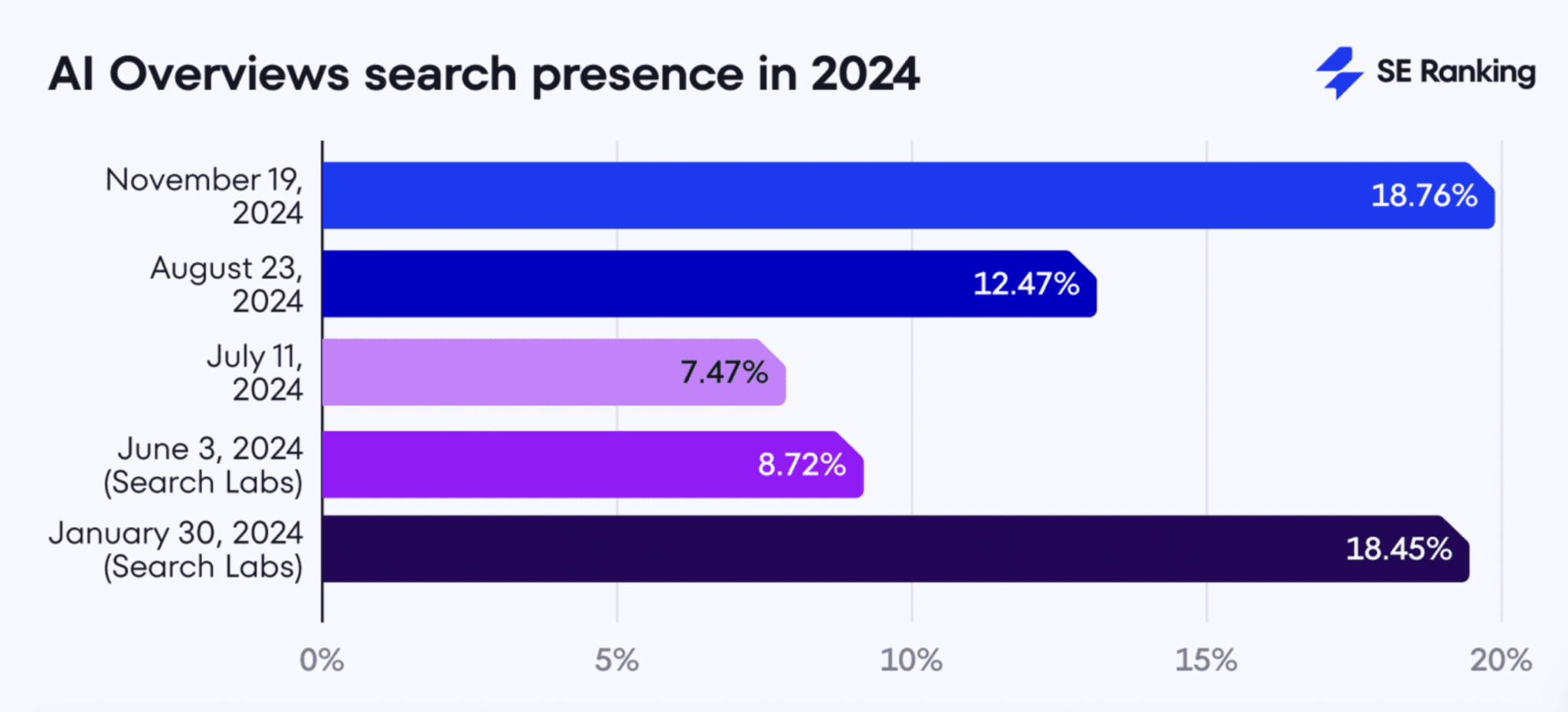
The numbers tell the story: AI Overviews now appear for 30% of U.S. desktop searches, and here's the kicker—97% of those AI-generated summaries cite sources from the top 20 organic results. That's not a coincidence. Google's algorithms are rewarding sites that demonstrate comprehensive topical coverage, not just keyword-stuffed product pages.
The shift is structural, not cosmetic. Traditional SEO treated your Shopify store like a collection of isolated pages. Topic clusters—a pillar page surrounded by interconnected supporting content—show Google you actually understand what you're selling. When a midsize Shopify store grouped 12 posts around sustainable packaging, internal links from older posts to their category page built the kind of topical authority Google's AI actually respects.
And the timing couldn't matter more. The AI-enabled e-commerce market will hit $16.8 billion by 2030, growing at 15.7% annually. As semantic search replaces exact-match keyword targeting, search engines now understand context and relationships through internal links and schema markup—not repeated keywords.
For Shopify specifically, this matters because your site structure is your competitive advantage. Topic clusters improve site architecture, concentrate PageRank on category pages, and guide buyers through discovery to conversion. Tools like Seo-Writer now analyze SERP competitors to generate content optimized for both traditional search and AI engines like ChatGPT—exactly the kind of comprehensive, interconnected content that topic clusters demand. The platform helps you create those pillar pages and supporting articles at scale while maintaining the topical depth Google's AI rewards.
Bottom line? Your keyword list isn't a strategy anymore. Your content map is.
How AI Keyword Research Transforms Topic Cluster Strategy
Here's what most SEO guides won't tell you: traditional keyword research is like bringing a map to a conversation. It shows you where things are, but AI-powered research actually understands what people mean.
The difference is massive. Traditional keyword tools dump search volumes and difficulty scores—you're left connecting the dots manually. AI tools like Seo-Writer analyze SERP competitors in real-time, identify semantic relationships between keywords, and surface content gaps that you'd miss even after hours of spreadsheet work. According to Semrush research, companies using AI-powered keyword research see a 25% average increase in organic traffic compared to traditional methods.
Natural Language Processing (NLP) powers this transformation. When you search "best CRM for startups," AI tools don't just match those exact words—they understand you're in buying mode, you value ease of setup over enterprise features, and you probably want integration capabilities. Tools like ChatGPT can simulate conversational search scenarios to uncover query patterns, while platforms like SEMrush's Keyword Magic Tool cluster long-tail keywords automatically.
The real game-changer? AI identifies search intent with scary accuracy. It dissects whether users want information, plan to buy, or need navigation help—then prioritizes results accordingly. For Shopify stores especially, this means discovering product clusters your competitors haven't touched yet. You're not just finding keywords anymore. You're mapping the entire conversation your customers are having.

Sources:
- The Impact Of AI On Keyword Research
- AI vs Traditional Keyword Research Analysis
- Top 10 AI Keyword Research Tools
Our Top Pick: Why Seo-Writer Stands Out for Shopify Topic Clusters
Most AI writing tools promise to make content creation faster. Seo-Writer actually delivers—and it's the only platform that auto-analyzes SERP competitors while optimizing for both traditional search engines and AI tools like ChatGPT and Perplexity simultaneously.
Here's why that matters for Shopify stores specifically: you're not just competing for Google rankings anymore. Your potential customers are asking ChatGPT for product recommendations, using Perplexity to research purchases, and still Googling comparison guides. Seo-Writer optimizes for all three channels at once.
The platform's bulk generation feature lets you create and auto-post up to 100 articles directly to WordPress—perfect when you're building out an entire topic cluster around, say, sustainable packaging or smart home devices. Instead of spending weeks writing 15 supporting articles for your pillar page, you're generating SEO-optimized content in hours. The built-in SEO content checker analyzes valuable keywords automatically, while NLP keyword suggestions surface semantic terms you'd miss manually.
For product-heavy Shopify stores, the detailed product listing generator is the real game-changer. Enter your product URLs, and within minutes you have informative, conversion-focused listings that feed into your broader topic clusters. Over 50,000 businesses already trust the platform, with ratings of 4.9/5 on WordPress, 4.6/5 on G2, and 4.8/5 on Capterra.
You can start for free and test the platform's capabilities before committing. When your competition is still manually writing one article at a time, you're building comprehensive topic authority at scale.
10 Proven Topic Clusters for Shopify Stores (With Real Examples)
Here are ten battle-tested topic clusters that Shopify stores are using right now to dominate organic search—straight from actual trending categories and sales data.
1. Vitamins & Supplements Hub
Pillar: "Complete Guide to [Supplement Type] Benefits and Buying Guide" Cluster Content:
- "Best Time to Take [Vitamin] for Maximum Absorption"
- "[Supplement] Dosage Calculator: Find Your Perfect Amount"
- "Comparing Plant-Based vs Synthetic [Vitamin]"
- "Common [Supplement] Side Effects and How to Avoid Them"
Why it works: Shopify's own data shows vitamins ranked #1 in trending products for 2025. The supplement niche thrives on educational content—people research extensively before buying.
2. Clean Beauty & Skincare Authority
Pillar: "The Science-Backed Guide to [Skin Concern]" Cluster Content:
- "[Ingredient] for [Skin Type]: What Actually Works"
- "Morning vs Night Skincare Routines: Timing Matters"
- "How to Layer [Product Type] with Other Actives"
- "Decoding [Ingredient] Percentages: More Isn't Always Better"
Why it works: Beauty and skincare consistently ranks in Shopify's top categories, with clean beauty driving searches. Ingredient-focused content captures high-intent buyers.
3. Smart Home Ecosystem Guide
Pillar: "Building Your Smart Home: Room-by-Room Setup Guide" Cluster Content:
- "Best Smart [Device] Under $100 (Tested)"
- "Making [Brand] and [Brand] Devices Work Together"
- "Smart Home Security: Essential Devices Ranked"
- "Voice Assistant Comparison for Home Automation"
Why it works: Tech gadgets and smart home developments are trending hard, but buyers need help navigating compatibility and setup.
4. Power Tool Accessories Pro Hub
Pillar: "Power Tool Accessories That Actually Pay for Themselves" Cluster Content:
- "[Tool Brand] Must-Have Attachments for DIYers"
- "Universal vs Brand-Specific Accessories: What to Buy"
- "Extending [Tool] Life with the Right Accessories"
- "Workshop Organization for Tool Accessories"
Why it works: Power tool accessories saw consistent growth in Shopify sales data. Contractors and DIYers are searching for compatibility and durability info.
5. Sustainable Living Product Guide
Pillar: "Zero-Waste Living: Complete Room Transition Guide" Cluster Content:
- "Plastic-Free Kitchen Swaps That Actually Work"
- "Sustainable [Product] vs Traditional: Real Cost Analysis"
- "How to Verify Eco-Claims on [Product Type]"
- "Reusable vs Disposable: Lifetime Value Calculator"
Why it works: Sustainable drinkware and eco-products are rising categories. Shoppers want proof of sustainability claims, not just marketing fluff.
6. Tech Accessories Solutions Hub
Pillar: "Phone Accessories That Solve Everyday Problems" Cluster Content:
- "Best [Phone Model] Cases for Drop Protection (Drop-Tested)"
- "Charging Cable Durability Test: Which Brands Last?"
- "Screen Protector Types Compared: Glass vs Film"
- "Wireless Charging Myths Debunked"
Why it works: Phone accessories rank among top-selling categories for Shopify merchants. People constantly search for device-specific solutions.
7. Personalized Gifts Discovery Hub
Pillar: "Personalized Gifts by Relationship and Occasion" Cluster Content:
- "Custom Gift Ideas for [Relationship] Under $50"
- "Personalization Techniques Compared: Engraving vs Printing"
- "Last-Minute Personalized Gifts (3-Day Delivery)"
- "Corporate Gift Personalization at Scale"
Why it works: Personalized products create urgency and emotional connection—two conversion drivers that make this cluster worth the SEO investment.
8. Home Wellness Transformation
Pillar: "Creating Your Home Wellness Sanctuary: A Practical Guide" Cluster Content:
- "Air Quality Improvement: Products That Actually Work"
- "Sleep Environment Optimization Checklist"
- "Home Gym Equipment for Small Spaces"
- "Stress-Relief Products Backed by Research"
Why it works: Health and wellness ecommerce saw conversion rate increases of 100%+ when stores created educational content around specific use cases.
9. DIY & Craft Project Hub
Pillar: "[Craft Type] for Beginners: Complete Starter Guide" Cluster Content:
- "Essential Materials for [Project]: Shopping List"
- "Common [Craft] Mistakes and How to Fix Them"
- "Advanced [Technique]: Step-by-Step Tutorial"
- "Selling Your [Craft]: Pricing and Marketing Guide"
Why it works: Craft enthusiasts are serial content consumers. They search extensively before purchasing, making them perfect for topic cluster capture.
10. Seasonal Product Planning Hub
Pillar: "[Season] Product Trends: Data-Driven Buying Guide" Cluster Content:
- "Early [Season] Deals Worth Buying Now"
- "[Holiday] Gift Planning Timeline (Don't Miss These Dates)"
- "Seasonal Storage Solutions for [Product Type]"
- "Next Year's [Season] Predictions Based on Current Trends"
Why it works: Seasonal trending products drive massive search volume. Getting content published early—when competition is lower—captures buyers during research phases.
When building these clusters, Seo-Writer can dramatically accelerate your content production. The platform analyzes SERP competitors and generates SEO-optimized content for both traditional search and AI engines like ChatGPT—crucial since shoppers increasingly use AI tools for product research. You can even auto-generate and publish up to 100 articles at once directly to WordPress, letting you build entire topic clusters in a fraction of the time traditional writing requires.
The key? Pick one cluster from this list that aligns with your products, build the pillar page first, then systematically create 10-15 cluster articles over 2-3 months. Internal linking between them signals to Google that you're a genuine authority—not just another store pushing products.

Step-by-Step: Implementing AI-Powered Topic Clusters in Your Shopify Store
Here's the reality: most Shopify stores treat content like throwing darts blindfolded. But topic clusters? They're your targeting system.
Start With the Audit (No, You Can't Skip This)
First, export every URL from your Shopify store—product pages, blog posts, collections, everything. Tools like Screaming Frog will crawl your site in minutes. You're looking for three things: content with existing traffic, pages covering similar topics, and orphan pages drowning in isolation. According to Search Engine Land's guide on topic clusters, auditing helps identify which pages you can consolidate and which gaps need filling.
Map your top 3-5 selling categories to pillar pages. For a fitness equipment store, that might be "Home Gym Equipment," "Cardio Training," and "Strength Building." Each becomes its own universe with cluster content orbiting around it.
Let AI Find Your Cluster Opportunities
This is where Seo-Writer becomes your secret weapon. The platform analyzes SERP competitors automatically and can generate up to 100 SEO-optimized articles at once—then auto-post them directly to your Shopify blog. Instead of spending weeks on content planning, you're identifying low-competition keywords and creating cluster content in hours, not months.
Build the Internal Linking Web
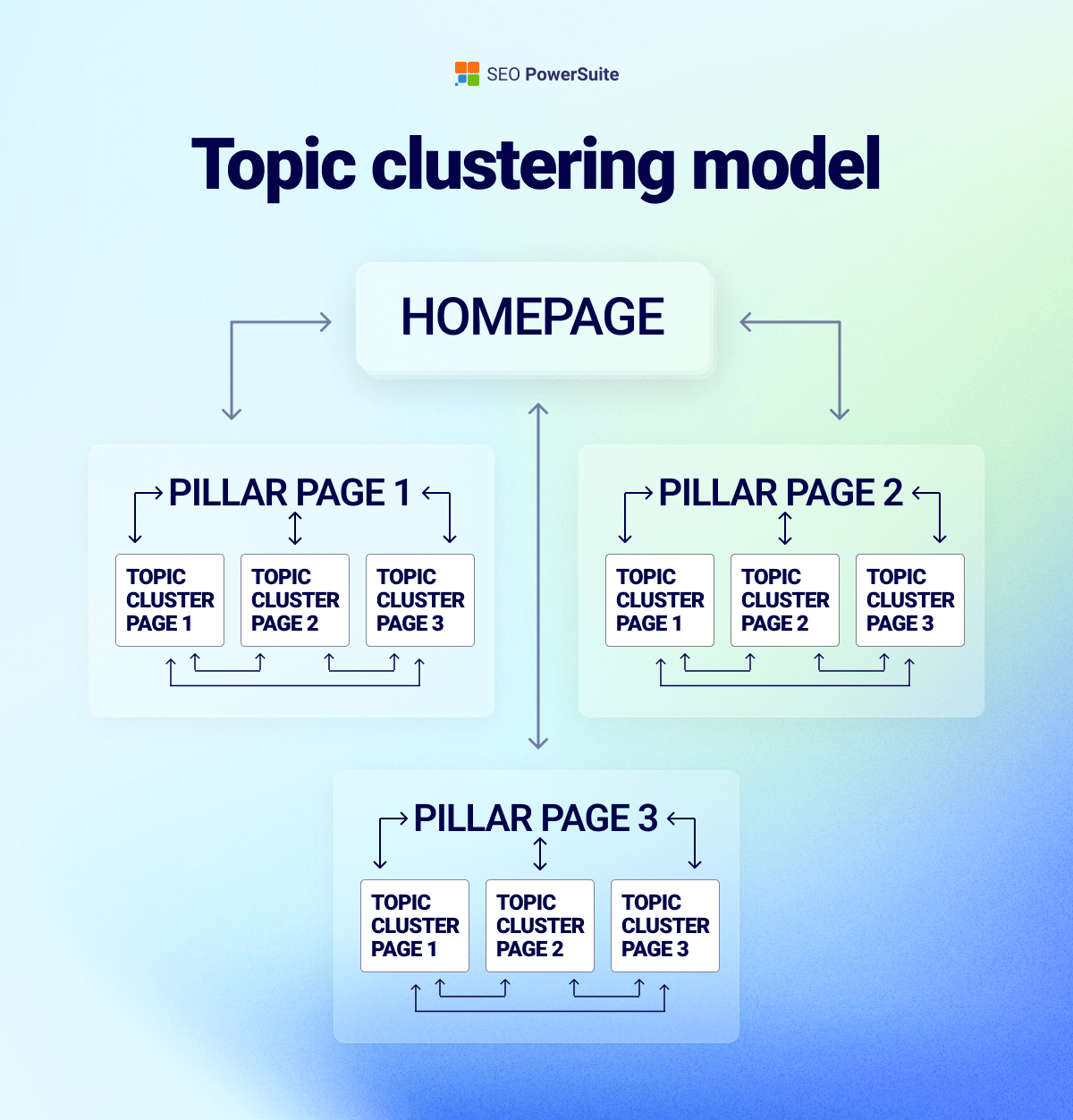
Each cluster page should link back to its pillar using descriptive anchor text—not "click here" but something like "complete guide to home gym setup." Your pillar page then links out to every cluster article in that topic. According to SearchPie's internal linking guide, this hierarchical structure tells search engines exactly how your content relates.
Don't forget product pages. If you're writing about "best resistance bands for beginners," link directly to your resistance band products within that cluster content. That's how you turn SEO traffic into revenue.
Sources:
- Search Engine Land - Topic Clusters Guide
- SearchPie - Internal Links for Shopify SEO
- Seo-Writer - AI SEO Content Platform
Common Mistakes to Avoid When Building Topic Clusters (And How to Fix Them)
Building topic clusters sounds straightforward until you realize you've accidentally created a tangled mess of content that confuses Google and frustrates your customers. Here's what trips up most Shopify stores—and the fixes that actually work.
Choosing Topics That Are Too Broad (or Too Niche)
The Goldilocks problem is real. A pillar about "business" or "marketing" won't rank because it's too generic and overwhelming. On the flip side, a pillar about "red leather phone cases for iPhone 13 Pro" leaves you nowhere to expand. The fix? Choose topics that have 3-5 meaningful subtopics. For a Shopify store selling sustainable goods, "eco-friendly packaging solutions" works—it's specific enough to own but broad enough to support cluster pages on composting, material types, and cost comparisons.
Ignoring User Intent at Every Stage
Most stores focus only on keywords and miss what people actually need. Someone searching "biodegradable mailers" at 2 AM wants different content than someone researching "sustainable packaging trends 2025." When Trafficontent worked with a midsize Shopify store, grouping 12 posts around sustainable packaging based on search intent—not just keywords—drove qualified traffic to category pages. Match your cluster content to the buyer's journey: awareness posts for top-funnel, comparison guides for mid-funnel, and product-specific content for bottom-funnel searches.
Weak or Inconsistent Internal Linking
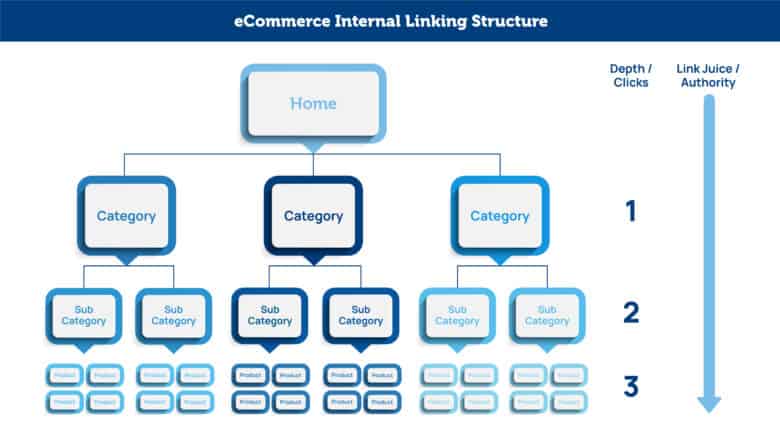
Internal linking isn't optional—it's the skeleton that holds your cluster together. Many stores create great content but fail to link cluster pages back to the pillar using relevant anchor text like "comprehensive packaging guide" instead of generic "click here." All cluster pages must link to each other and the pillar, creating a clear web Google can follow. For automation at scale, tools like Seo-Writer can generate SEO-optimized articles with built-in internal linking structures, though you'll want to audit these connections quarterly. If a pillar has the most inbound links, you're signaling its importance.
Creating Content Once and Forgetting It Exists
Topic clusters aren't "set and forget." Start with content pruning—auditing clusters quarterly to remove or consolidate pages that no longer match search intent. Google's algorithm shifts, your product line evolves, and AI Overviews change what content surfaces. The fix? Schedule quarterly updates to optimize titles, descriptions, and internal links for both traditional search and AI-generated results. One Shopify store that updates its packaging cluster quarterly maintains top-3 rankings while competitors slip.
Duplicate Content That Cannibalizes Your Rankings
Most Shopify stores accidentally create duplicate content across product variants, thin category descriptions, and blog posts that say the same thing different ways. When three cluster pages target "sustainable mailers," Google picks one (usually the wrong one). The fix is simple but tedious: consolidate pages that serve identical search intents, use canonical tags for product variants, and ensure each cluster page targets a distinct long-tail keyword with unique value.
Advanced Tips: Maximizing Topic Cluster Performance with AI Tools
Most Shopify stores treat topic clusters like a one-time project—build it and forget it. That's exactly why their content stagnates while competitors keep climbing. Here's what actually works: treating your clusters like living systems that need regular maintenance and strategic amplification.
Content Pruning Keeps Clusters Sharp
According to Search Engine Land, contextual content pruning—regularly auditing clusters to remove or consolidate pages that no longer serve search intent—is essential for maintaining cluster quality. CNET's case study demonstrated how strategic pruning led to measurable organic traffic gains. Review your cluster pages quarterly: which ones have declining rankings? Which topics overlap confusingly? Consolidate or redirect the weak performers back to your pillar page.
Schema Markup Speaks AI's Language
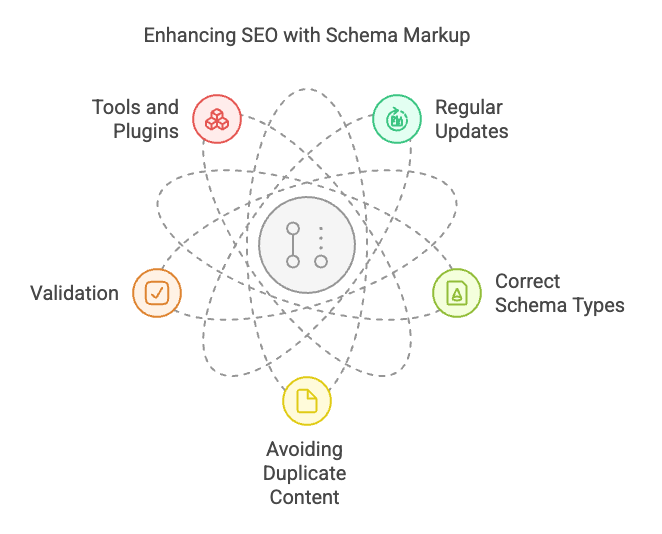
As eSEOspace puts it: "If internal linking is how you describe relationships, schema markup is how you declare them to an AI in its native language." Add Article schema to cluster pages, HowTo schema for guides, and FAQ schema with question-based headers. This helps both traditional crawlers and AI tools like ChatGPT understand your content structure.
Scale Production Without Losing Quality
This is where Seo-Writer becomes invaluable. Their bulk generation feature lets you create up to 100 optimized articles at once—perfect for rapidly building out subtopics within a cluster. The platform analyzes SERP competitors automatically and optimizes for both traditional search and AI engines. Teams at Shopify Enterprise have deployed similar AI-powered systems to generate unique product descriptions at scale while maintaining brand voice.
Track What Matters
Don't just monitor rankings. According to The Ad Firm, content decay—the gradual decline in performance—requires active monitoring. Track cluster-specific metrics: internal link click-through rates, time spent across related pages, and whether users bounce after pillar pages or explore deeper. SEOTesting and Ahrefs offer specialized tools for detecting performance drops before they crater your rankings.
The real advantage? Automation for scale, but strategic oversight for quality. Use AI to handle repetitive tasks, but your expertise determines which clusters to build, prune, and expand.
10 Proven Topic Clusters for Shopify Stores Using AI Keyword Research (Trending Now)
Your competitor just published their fifth blog post this month. Meanwhile, you're still debating whether "red dresses" or "women's red dresses" deserves its own product page. Here's the thing: they're not smarter than you—they just stopped playing the keyword game. Topic clusters powered by AI keyword research aren't a nice-to-have anymore. They're the difference between showing up in Google AI Overviews (which now appear in 30% of searches) and watching your organic traffic flatline. In this post, you'll discover 10 battle-tested topic clusters working right now for Shopify stores, exactly how AI tools transform your research process, and the step-by-step implementation plan that takes you from scattered content to search dominance.
Conclusion: Your Next Steps to Dominate Shopify Search Rankings
The data's clear: AI-powered topic clusters deliver a 34.5% performance improvement over traditional keyword targeting—but only if you actually build them. Google's algorithms reward comprehensive topical coverage, and AI Overviews cite sources from the top 20 results 97% of the time. You're either in that group or invisible.
Start small and focused this week. Pick one cluster from this article that aligns with your best-selling product category. Audit your existing content, map out one pillar page, and outline 5-7 supporting articles around it. If you're serious about scaling fast, Seo-Writer can generate and auto-publish up to 100 SEO-optimized articles at once directly to WordPress—all while analyzing SERP competitors to ensure you're targeting both traditional search and AI engines like ChatGPT. The platform's built specifically for this kind of comprehensive content production.
Don't wait for the "perfect" cluster strategy. Your competitors aren't. Map one cluster this week, create the pillar page next week, and start publishing supporting content the week after. Your future search rankings depend on the content architecture you build today.